
 USD
USD GBP
GBP
 EUR
EUR
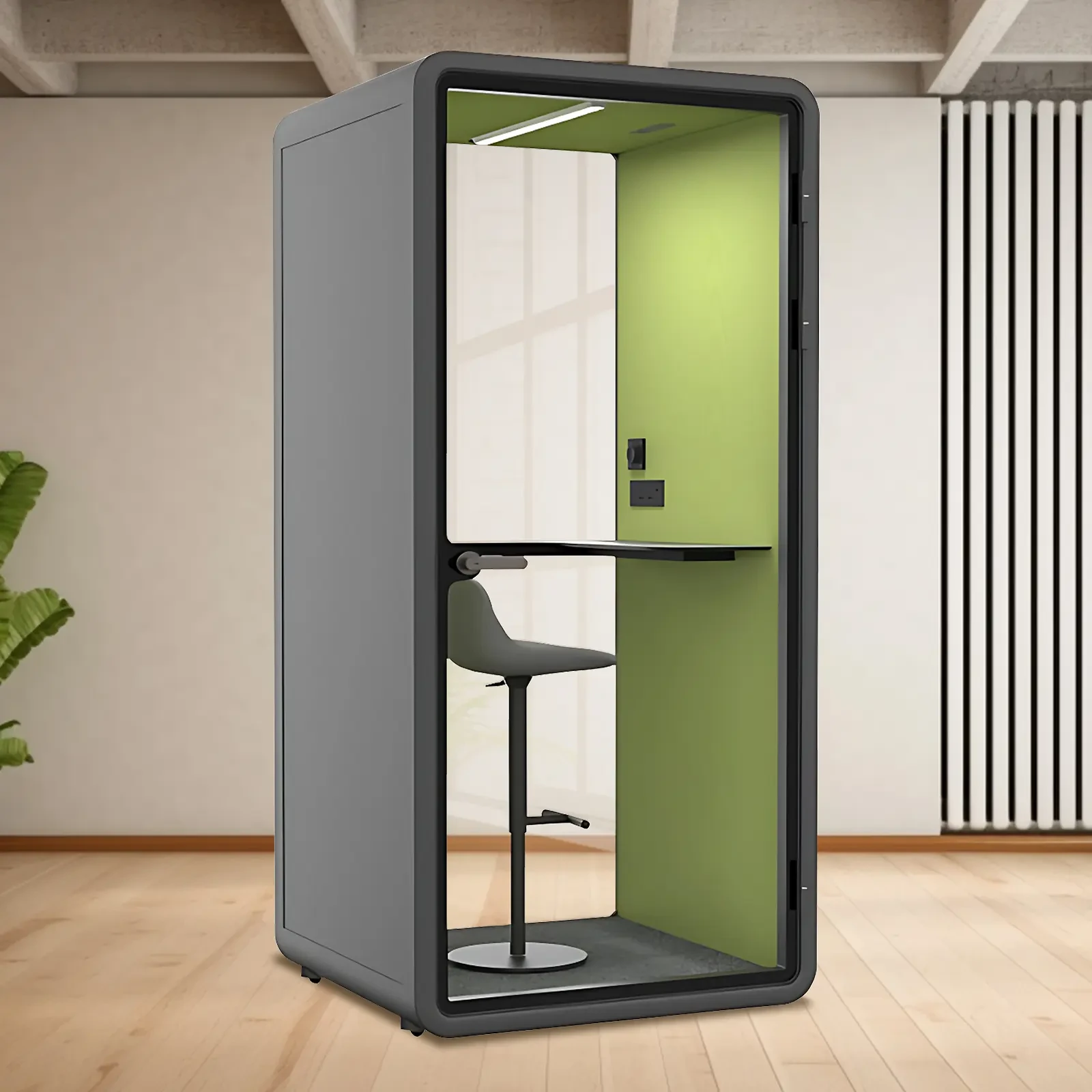
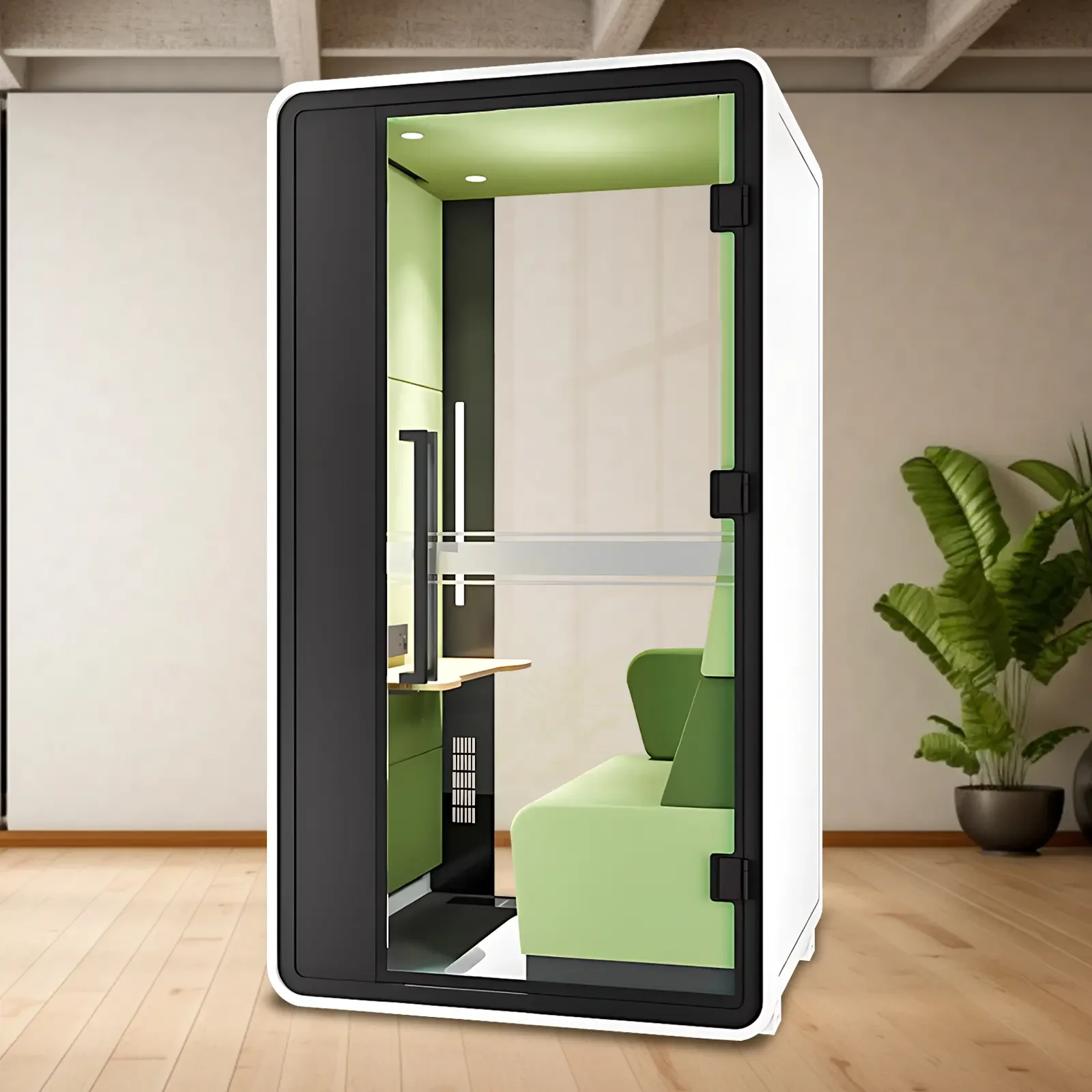
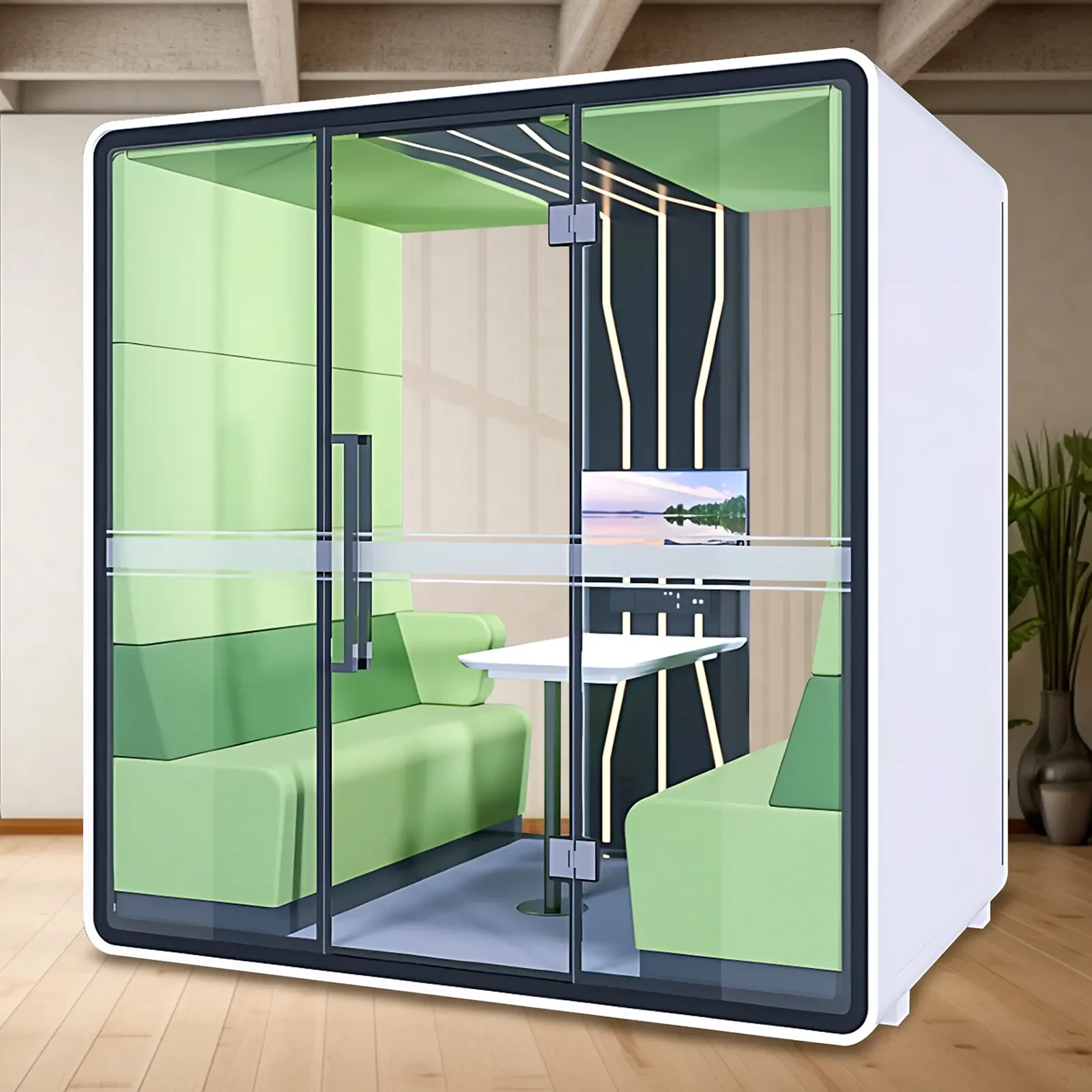
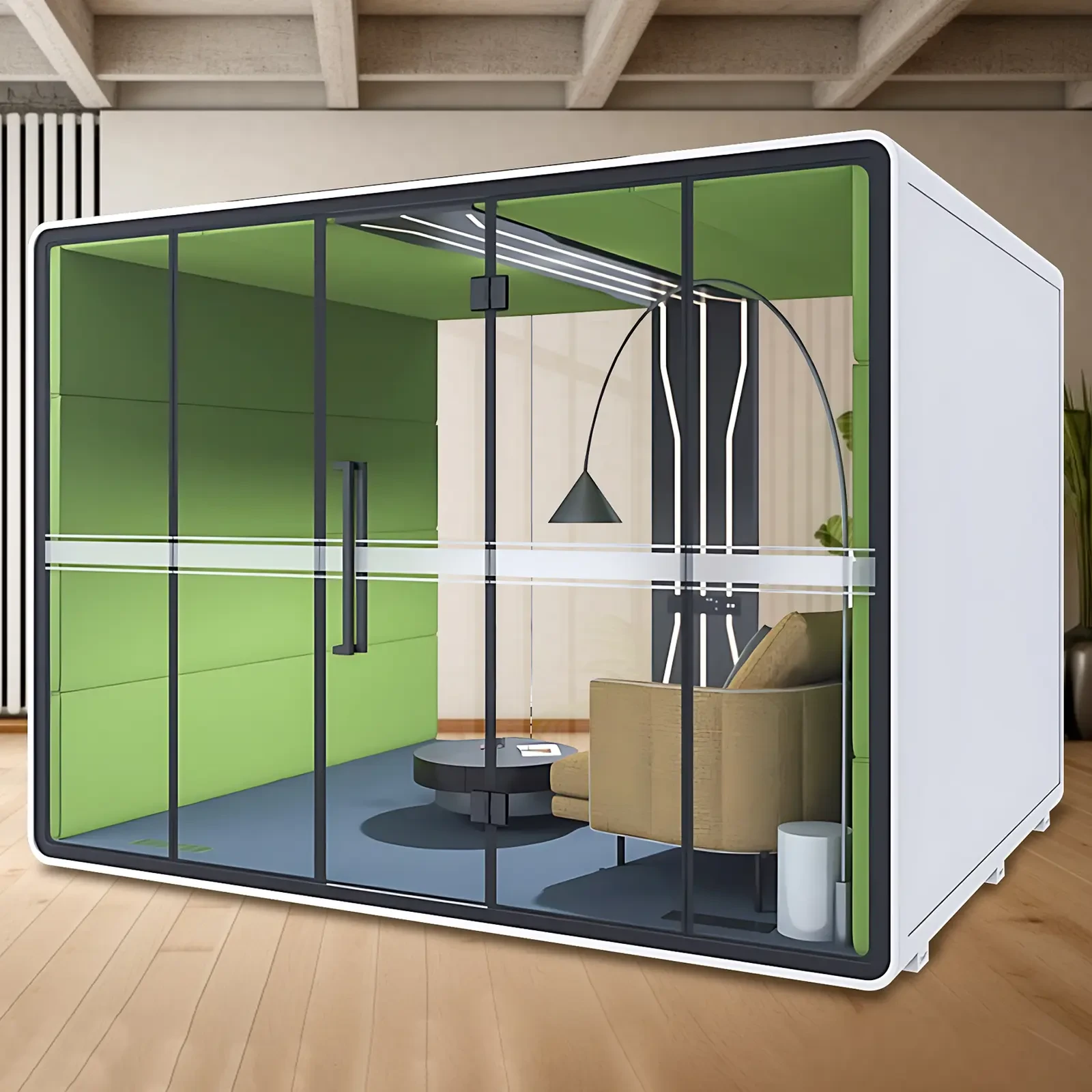
New residential buildings employ a four-tiered noise reduction system: "park noise reduction, building sound insulation, household sound insulation, and indoor sound insulation." This not only optimizes the physical space but also represents a necessary innovation in addressing noise pollution during urbanization. The necessity of this approach is analyzed from four dimensions:
1. Park Noise Reduction: The First Line of Defense Against Urban Noise
necessity :
- Health Protection : Continuous low-frequency noise from urban traffic and commercial activities (such as traffic noise and construction noise) has been proven to cause problems such as chronic stress hormone elevation and sleep disorders. Through micro-topography design (such as earth mounds and soundproof walls) and vegetation cover (such as dense planting of trees), the park can reduce external noise by 10-15 decibels, which is equivalent to reducing the hearing stress of residents facing the street by 60%.
- Policy Response : The "Residential Project Specification" implemented in 2025 clearly requires residential areas to adopt active noise reduction design, making noise reduction in residential areas a compliance necessity.
- Residential Value : A quiet external environment directly enhances a property's premium value. Studies show that, among residential properties in similar locations, those in noise-reduced residential areas generally command prices 8%-12% higher.
2. Building sound insulation: A "hardcore barrier" to block equipment noise.
necessity :
- Noise Reduction from Equipment : Although the low-frequency vibration noise (30-50 decibels) from equipment such as elevators and water pumps is not loud, it has extremely strong penetrating power, and long-term exposure can easily cause migraines and anxiety. The project uses system windows/professional soundproof windows (such as PVB laminated glass) and elevator shaft soundproofing technology to isolate this type of noise outside the building.
- Energy consumption optimization : System windows/professional soundproof windows provide both sound insulation and heat insulation, reducing air conditioning energy consumption by about 20%, which meets the requirements of the "dual carbon" policy for building energy conservation.
- Regulatory pressure : New regulations limit low-frequency noise from elevators to ≤30 decibels in bedrooms, forcing developers to upgrade building sound insulation technology.
3. Door-to-door soundproofing: The "invisible wall" that ends neighborhood conflicts
necessity :
- Social pain point : In 2023, there were 5.7 million noise complaints nationwide, with footsteps and chair dragging noises caused by poor floor sound insulation accounting for more than 40%. The project adopts the "floor sound insulation pad + shock-absorbing keel" technology, which reduces the impact sound insulation index from 75 decibels to 65 decibels, with an energy attenuation of 90%, completely resolving noise disputes between people going up and down stairs.
- Privacy protection : Wall sound insulation technology (such as gradient sound-absorbing cotton) reduces the airborne sound insulation between households by ≥50 decibels, ensuring that conversations and television sounds do not leak out and protecting family privacy.
- Community harmony : Reduce neighborhood conflicts caused by noise, lower property management mediation costs, and enhance community cohesion.
4. Indoor soundproofing: A "battle to protect the dignity of life" in the details.
necessity :
- Upgraded quality of life : Silent door locks (opening and closing sound ≤20 decibels) and same-floor drainage pipe technology (noise ≤25 decibels) allow people to use the toilet at night or return home late without having to tiptoe, restoring a sense of freedom at home.
- Health details : Pipe noise can cause up to 37% of people to wake up at night. Silent technology reduces sleep disturbance to below 5%, especially protecting the sleep quality of children and the elderly.
- Consumer upgrading demand : The new generation of homebuyers lists "quietness" as one of the top three concerns, and indoor noise reduction details have become the core differentiator of developers' product strength.
In conclusion, noise reduction is not a "bonus," but rather a basic requirement for survival in modern housing.
Against the backdrop of both urbanization and increasing residential density, the quadruple noise reduction system directly addresses three core contradictions:
- Health crisis : Noise pollution has become the second largest source of environmental health risk globally (after air pollution).
- High-pressure policies : Mandatory national standards force industry upgrades;
- Consumer Awakening : Homebuyers are shifting from "buying area" to "buying experience".
Noise reduction in newly built residential buildings is not only a technical issue, but also a redefinition of "dignity in living"-only when the "right to quiet" becomes a standard feature can a city truly fulfill its promise of "livability".