
 USD
USD  GBP
GBP
 EUR
EUR

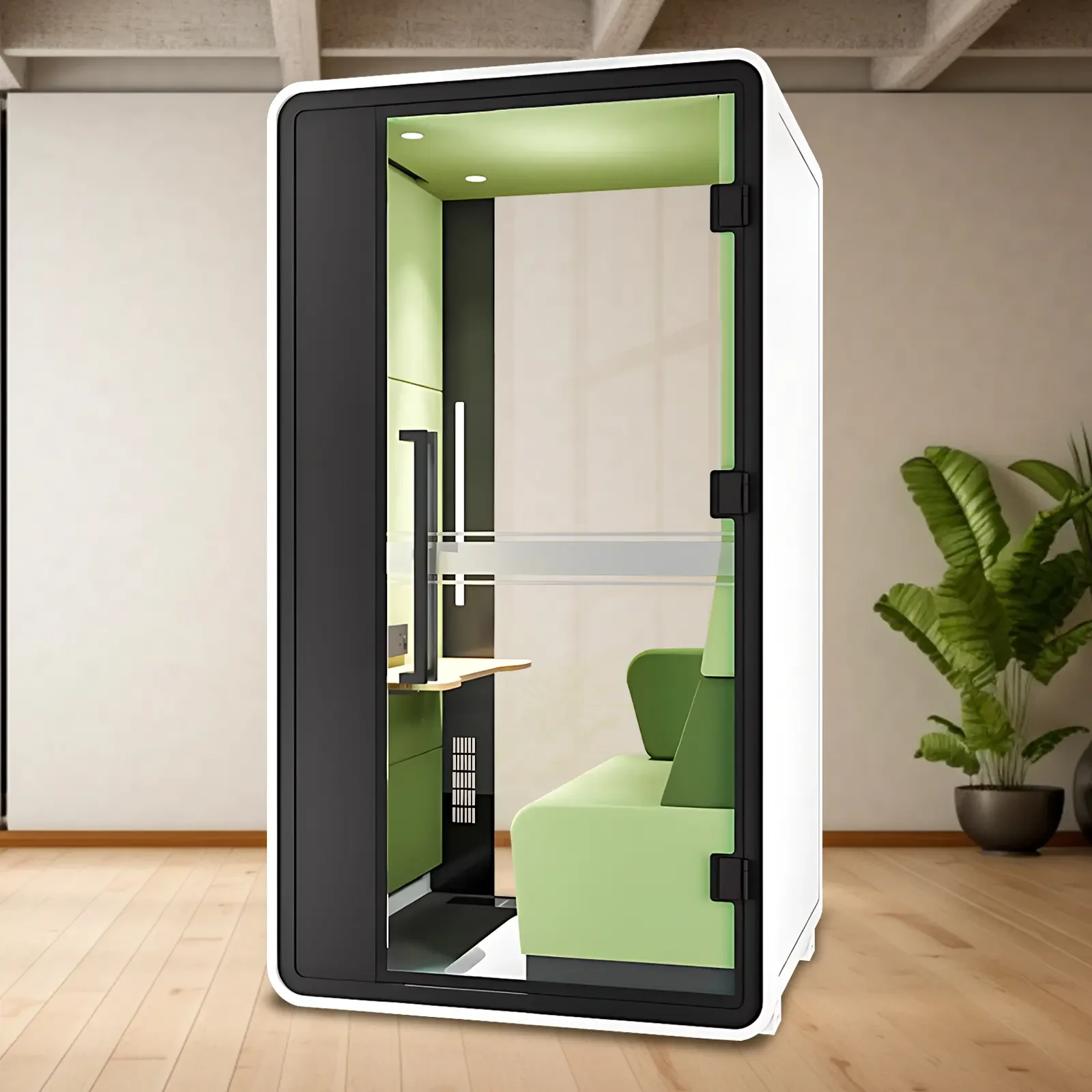


Which soundproofing solution is better: filling the keel with sound-absorbing cotton or adding a 6cm red brick wall?
In modern home life, sound insulation is receiving increasing attention, especially in cities where external noise greatly disrupts daily life and work. However, when faced with sound insulation measures, many people hesitate: should they use a keel-filled sound insulation cotton or add a 6cm red brick wall to improve the sound insulation of their room? This article will provide a comprehensive analysis of these two sound insulation methods to help readers make a clear choice.
I. Overview of Sound Insulation Principles
First, to better understand these two sound insulation methods, we need to understand their sound insulation principles. The core of sound insulation lies in the propagation and scattering of sound waves. Sound waves propagate through media (such as air, walls, and the ground), and the role of sound insulation materials is to reduce the transmission efficiency of sound waves.
Propagation of sound waves
When sound waves propagate through the air, the main effects are on their frequency and amplitude. Some high-frequency sound waves (such as sharp noise) are more easily absorbed or reflected, while low-frequency sound waves (such as deep bass) are more difficult to block. Therefore, when choosing suitable sound insulation materials, the frequency characteristics of sound waves need to be taken into account.
Classification of sound insulation materials
Based on their properties, sound insulation materials can generally be divided into sound insulation materials and sound absorption materials. Sound insulation materials are mostly dense and thick, effectively blocking the propagation of sound waves; while sound absorption materials reduce echoes and noise by absorbing the energy of sound waves. Both keel-filled sound insulation cotton and red brick walls fall into these two categories.
II. Sound insulation effect of keel filled with sound insulation cotton
1. Basic principles of keel structure
A keel is a widely used wooden or metal frame structure in construction, providing support for walls and ceilings. By filling the inside of the keel with sound-absorbing cotton, sound waves can be blocked from entering the walls. This method is common in modern residential and commercial spaces and is widely used in places with extremely high sound insulation requirements, such as film and television post-production studios and broadcasting studios.
2. Types of sound insulation cotton
There are various types of sound insulation cotton available on the market. Common types include:
- Glass wool: Lightweight and with excellent heat insulation and sound absorption properties, it has a good effect on reducing high-frequency noise.
- Rock wool: It has flame-retardant properties, is suitable for high-temperature environments, has strong adaptability, and can effectively isolate low-frequency noise.
- Polyurethane foam: Lightweight and soft, with excellent sound absorption, suitable for home environments.
3. Sound Insulation Effect Analysis
The sound insulation performance of a keel-filled sound insulation cotton solution can typically reach 35-55 decibels (dB). The specific effect is closely related to the thickness and density of the sound insulation cotton material and the construction process. Under normal circumstances, the noise level in a home environment is usually between 40-60 decibels, and this solution is sufficient to effectively isolate the influence of external noise.
4. Ease of construction
When carrying out soundproofing renovations, the construction of the keel structure is relatively simple, the construction period is short, and it has little impact on the original walls, making it a relatively economical approach.
III. Advantages and disadvantages of adding a 6cm red brick wall
1. Basic characteristics of red brick walls
Red brick walls, as a traditional building material, are primarily valued for their sturdiness and durability. A 6cm thick red brick wall offers strong sound insulation; its density and thickness effectively block sound wave propagation, especially excelling in reducing low-frequency noise.
2. Sound Insulation Effect Analysis
Generally, a 6cm thick red brick wall can achieve a sound insulation effect of 45 decibels (dB). In some high-noise environments, such as locations near roads or factories, red brick walls can significantly reduce the interference of external noise into the room. However, it should also be noted that the sound insulation effect of red brick walls is relatively poor in the high-frequency sound range.
3. Construction Requirements
However, adding a 6cm thick red brick wall requires consideration of several factors, including civil engineering techniques, material handling, and construction time. Building a red brick wall is relatively complex, time-consuming, and may impact the existing structure, resulting in higher overall costs.
4. Reusability and aesthetics
If only practicality is considered, the aesthetics of red brick walls are relatively weak, which may affect the overall interior design style. In addition, once a red brick wall is built, its reusability is low, and later modifications are relatively inconvenient.
IV. Comprehensive Analysis and Selection
After comprehensively considering the advantages and disadvantages of the two soundproofing methods, we need to make a suitable choice based on our own actual situation.
1. Space and Budget
If space is limited and budget is tight, filling the keel with sound insulation cotton is undoubtedly a more ideal choice. Compared to traditional red brick walls, the keel structure feels less oppressive to the space, is easier to construct, and is also easier to maintain later.
2. Sound insulation requirements
In some places where sound insulation is extremely important, if the budget allows, a combination of methods can be considered. That is, on the basis of filling the keel structure with sound insulation cotton, a layer of red brick wall can be added to form multiple sound insulation effects and achieve higher acoustic isolation.
3. Long-term use and building characteristics
For home renovations, a more flexible option is to use keel-filled sound insulation cotton. However, in commercial buildings, especially music studios and recording studios where sound insulation performance is of paramount importance, the choice of red brick walls becomes particularly crucial.
V. Conclusion
When choosing sound insulation measures, it is essential to consider not only the sound insulation performance of the materials but also the ease of construction and applicability. Both keel-filled sound insulation cotton and 6cm red brick walls have their advantages and disadvantages. Regardless of the method chosen, a suitable sound insulation solution must be customized based on actual needs and environmental conditions to achieve the best living experience.
Whether it's a quiet home or a highly efficient workspace, soundproofing is a crucial aspect. This article aims to help those who need soundproofing to create a more comfortable living environment.
X-comfot, your gateway to an efficient life. We are committed to becoming your most trusted brand of soundproof pod.
E-mail: support@x-comfot.com