
 USD
USD  GBP
GBP
 EUR
EUR
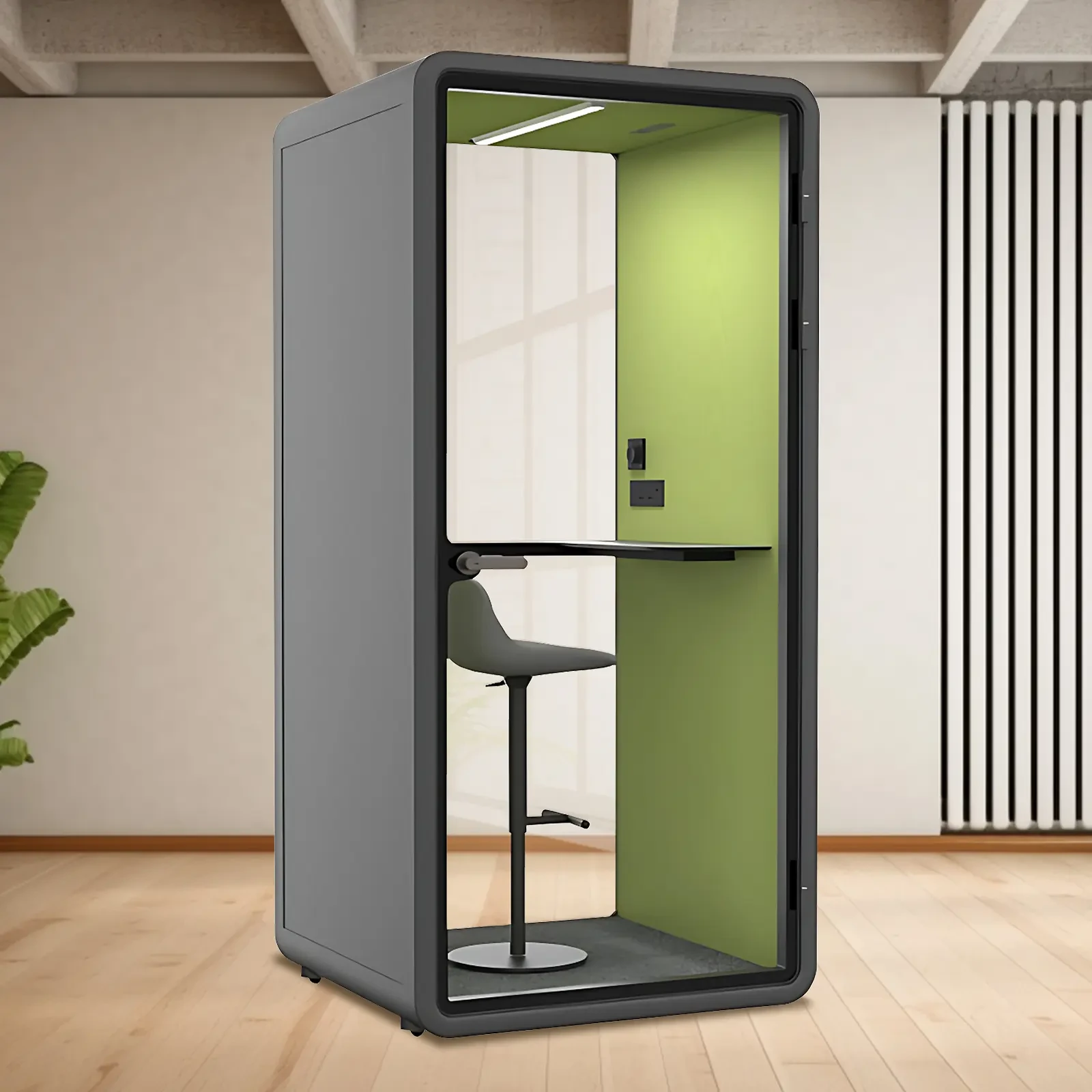
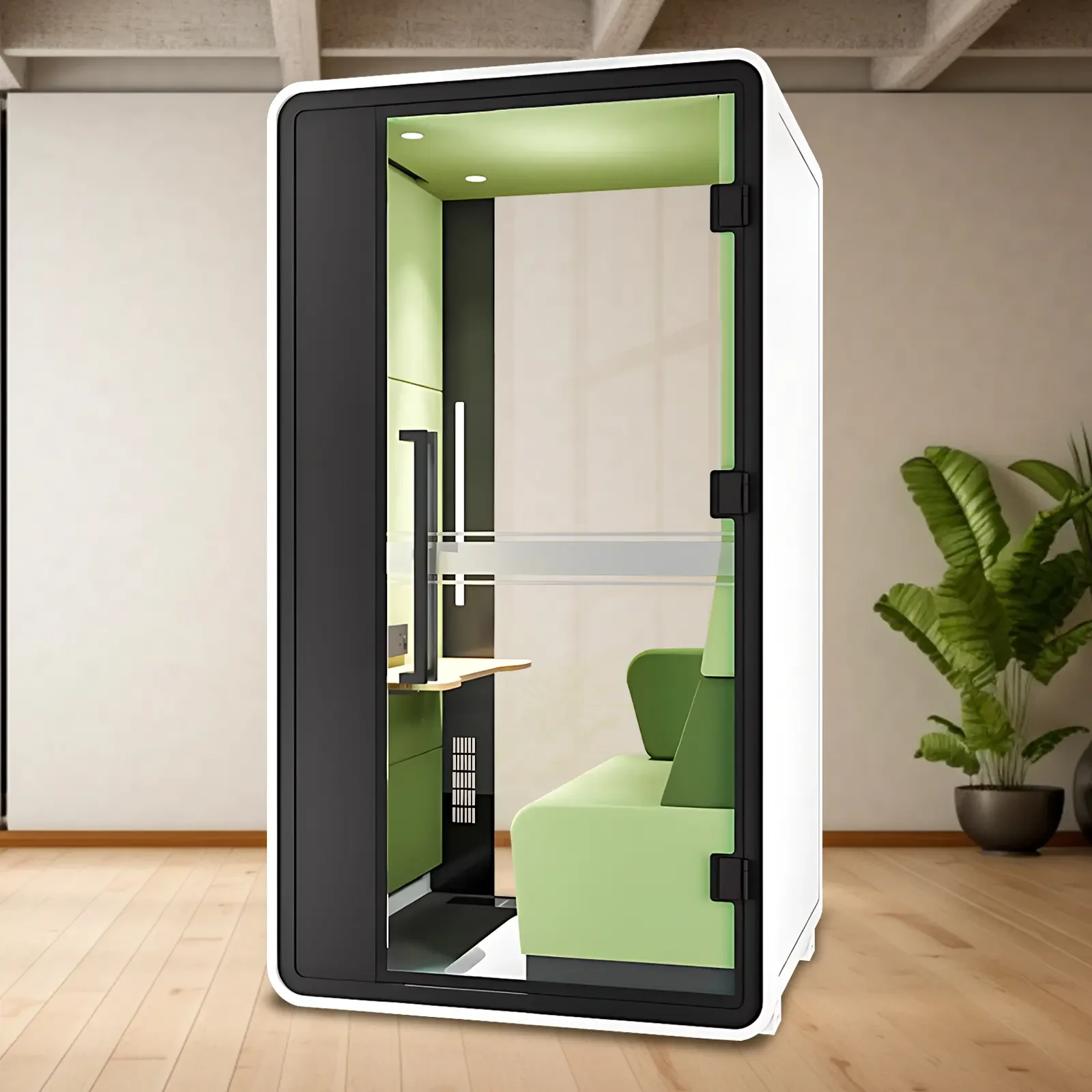
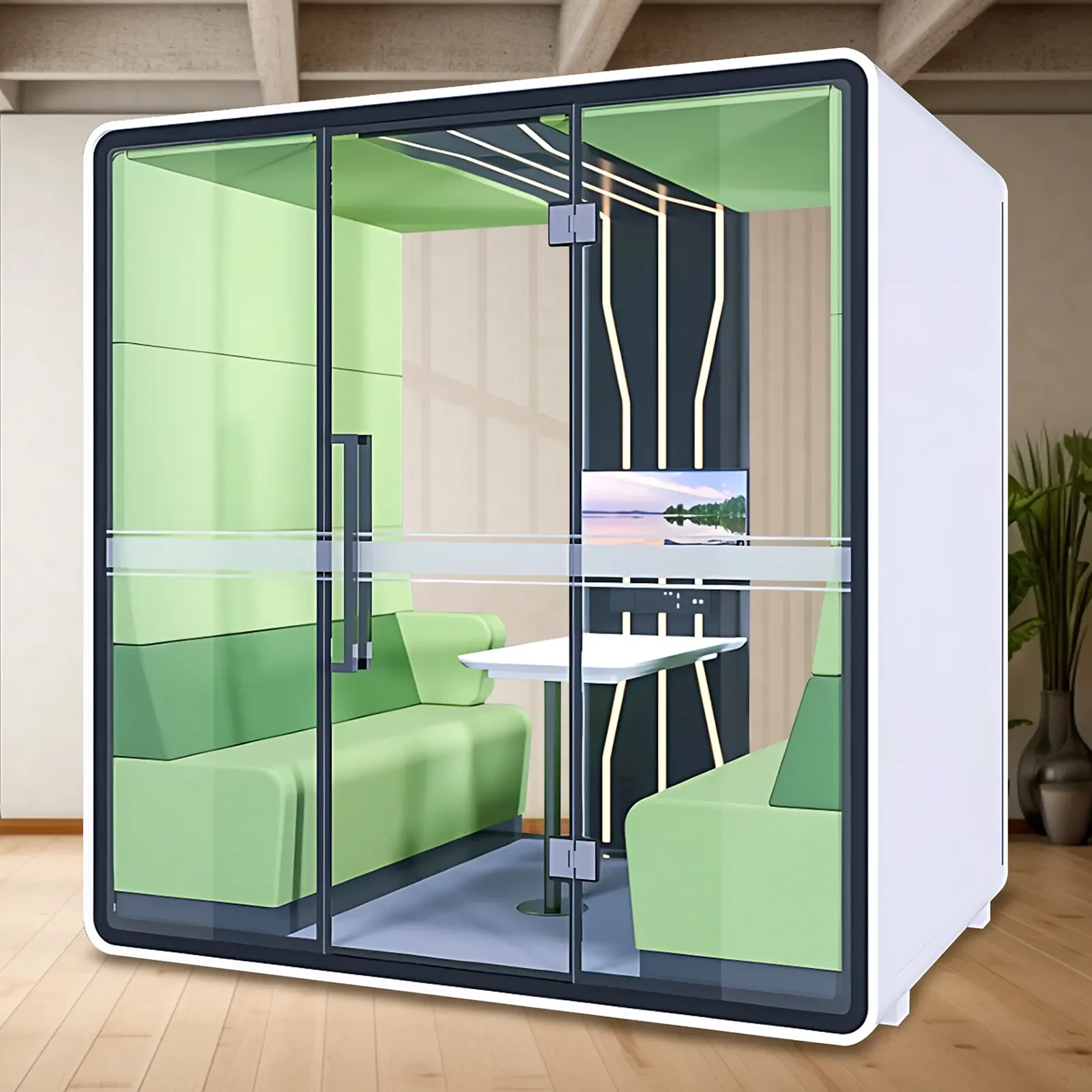
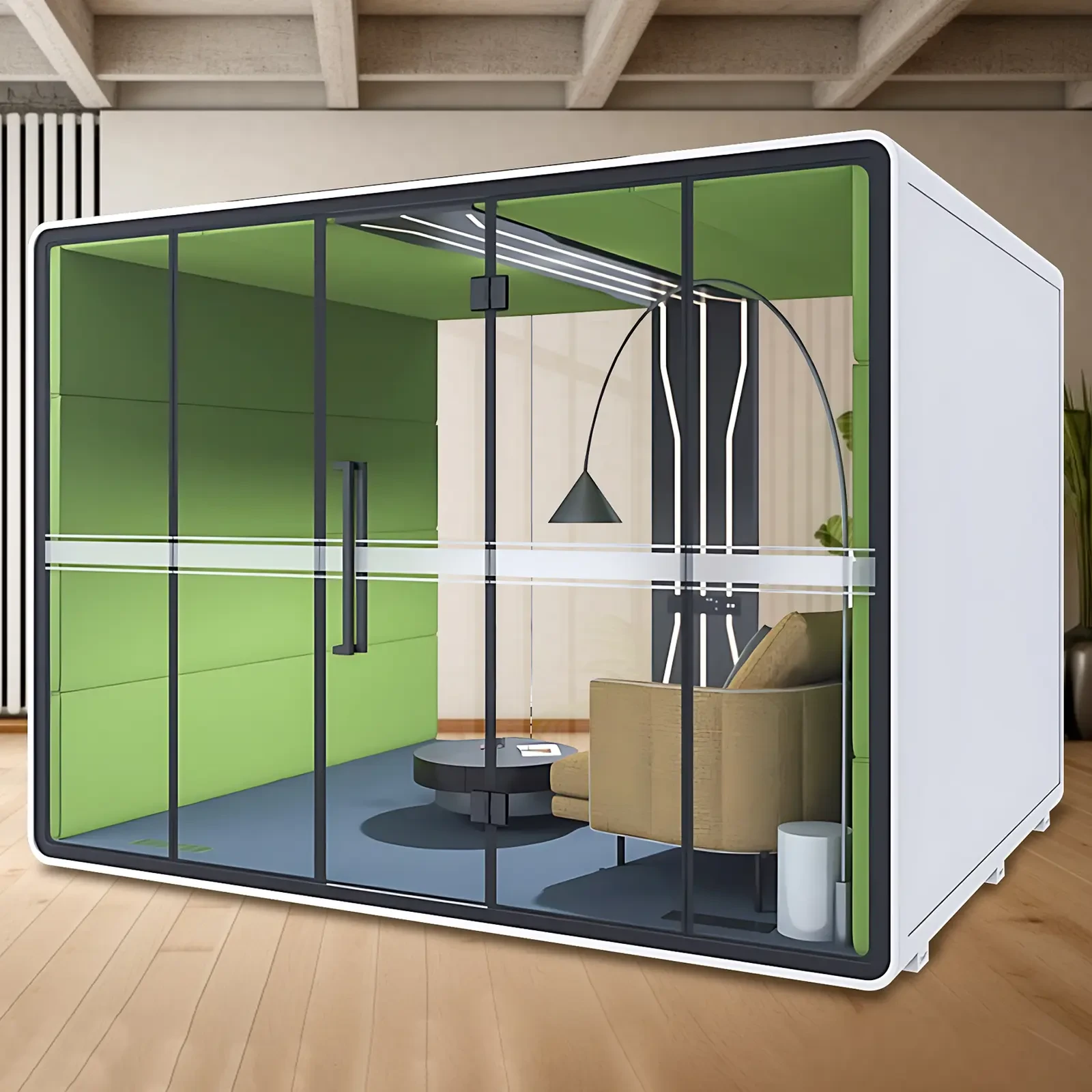
How effective are sound-absorbing cotton materials, which are commonly used in acoustic decoration?
In today's society, sound quality and comfort are becoming increasingly important. Whether it's home theaters, music studios, or office environments, the demand for acoustic solutions is growing. As an indispensable material in acoustic solutions, sound-absorbing cotton is highly regarded for its excellent sound absorption properties. This article will delve into the effects, types, applications, and importance of sound-absorbing cotton in acoustic solutions.
1. Basic Concepts of Sound-Absorbing Cotton
Sound-absorbing cotton is a sound-absorbing material used to reduce sound wave reflection and control the acoustic environment. It is mainly made of porous materials that absorb sound waves and reduce noise levels in the environment. The main functions of sound-absorbing cotton are to reduce echoes, block noise propagation, and improve the sound quality of a room. It is widely used in rooms with audio equipment, conference rooms, music practice rooms, and other similar spaces.
2. Working principle of sound-absorbing cotton
The working principle of sound-absorbing cotton is based on the interaction between sound waves and materials. When sound waves collide with the surface of the sound-absorbing cotton, they enter its porous structure. These pores and fiber structures can convert sound energy into heat energy, thus absorbing the energy. Different types of sound-absorbing cotton have different sound absorption effects and are usually carefully designed and optimized to maximize their sound absorption performance.
3. Types of sound-absorbing cotton
Fiberglass sound-absorbing cotton: High cost-performance ratio, high strength, and commonly used for sound treatment in large spaces such as concert halls and recording studios. Its smooth surface makes it suitable for environments requiring extensive sound absorption.
Polyester fiber sound-absorbing cotton: Environmentally friendly and non-toxic, with excellent flame retardancy, it is commonly used in home decoration, especially in bedrooms and entertainment areas. Due to its variety of colors, it is often used for decorative sound absorption.
Foam sound-absorbing cotton: Lightweight and easy to install, suitable for small audio equipment. Ideal for home theaters or small recording studios.
Soft-pack sound-absorbing cotton: It can be used directly on walls or ceilings, has a good decorative effect, and is usually used in commercial places such as bars or cafes.
4. Application scenarios of sound-absorbing cotton
- Home Theater: To improve the acoustic environment of a home theater, using sound-absorbing cotton can significantly reduce echoes and enhance sound quality. Choosing the right sound-absorbing cotton based on the size and shape of the space can effectively improve the viewing experience.
- Music Studio: In the recording studio, controlling the clarity of sound is crucial. The use of sound-absorbing cotton helps reduce external noise interference and enhances the quality of the recording, allowing instruments and vocals to be recorded more realistically.
- Office Environment: Modern office environments often feature open-plan designs, which can easily generate noise pollution. Using sound-absorbing materials to decorate partition walls and ceilings can not only reduce noise but also improve employee focus and work efficiency.
- Meeting Rooms and Conference Rooms: In large meeting rooms, sound-absorbing cotton can effectively improve the acoustics, ensuring that all participants can hear clearly. This is especially important when hosting lectures or large conferences.
5. Advantages and disadvantages of sound-absorbing cotton
advantage:
- Improve sound quality: Sound-absorbing cotton can reduce reverberation and echo, making the audio clearer.
- Noise reduction: Effectively absorbs external noise, providing a quieter space.
- Diversity and decorative appeal: Sound-absorbing cotton in different materials, colors and shapes can meet different decoration needs, both absorbing sound and beautifying the environment.
shortcoming:
- Moisture absorption: Some sound-absorbing cotton materials are prone to absorbing water. Moisture-proof treatment after use can reduce their effectiveness.
- Cleaning and maintenance: Sound-absorbing cotton is prone to dust accumulation and needs to be cleaned regularly, otherwise its sound absorption effect may be affected.
- Installation requirements: Professional installation and layout are required to ensure maximum sound absorption.
6. Selection and installation of sound-absorbing cotton
When selecting sound-absorbing cotton, several important factors should be considered, such as size, sound absorption coefficient, material, and budget. The sound absorption coefficient (NRC) is an important indicator for measuring the performance of sound-absorbing materials, and products with higher NRC values should be given priority.
For installation, sound-absorbing cotton can be directly pasted onto walls or ceilings, or a frame can be erected. The following steps should be followed:
1. Measure the space: Determine the size and shape of the area where sound absorption is required.
2. Material selection: Choose the appropriate type of sound-absorbing cotton based on the needs of the space and the decoration style.
3. Determine the layout: Based on acoustic design principles, rationally arrange the positions of the sound-absorbing cotton to achieve the best effect.
4. Professional installation: It is recommended that the installation be carried out by professionals to ensure the accurate placement and effectiveness of the sound-absorbing cotton.
7. Maintenance and Care of Sound-Absorbing Cotton
To fully utilize the sound-absorbing cotton, regular maintenance is necessary. Maintenance can be performed as follows:
- Regular cleaning: The sound-absorbing cotton should be cleaned regularly with a vacuum cleaner to remove dust and dirt.
- Keep dry: Try to keep the sound-absorbing cotton dry and avoid it being in a humid environment for a long time, so as not to affect its sound absorption performance.
- Regular inspection: Regularly check the condition of the sound-absorbing cotton and replace it promptly if deformation or damage is found to ensure consistent sound quality.
8. Future Development of Sound-Absorbing Cotton
With advancements in technology and the continuous development of acoustic design concepts, the materials and functions of sound-absorbing cotton are constantly being innovated. In the future, sound-absorbing cotton will not be limited to basic sound absorption but will evolve towards intelligent and environmentally friendly applications. The research and development of new materials and their application in acoustic decoration will bring users a better auditory experience.
Summarize
As an important component of acoustic decoration, sound-absorbing cotton has received widespread attention for its excellent sound absorption performance and diverse applications. Whether in homes, commercial spaces, or other fields, the correct selection and proper use of sound-absorbing cotton can significantly improve the acoustic environment and enhance sound quality. By gaining a deeper understanding of all aspects of sound-absorbing cotton, you can achieve better results in acoustic decoration and create a more comfortable environment.
X-comfot, your gateway to an efficient life. We are committed to becoming your most trusted brand of soundproof pod.
E-mail: support@x-comfot.com