
 USD
USD  GBP
GBP
 EUR
EUR
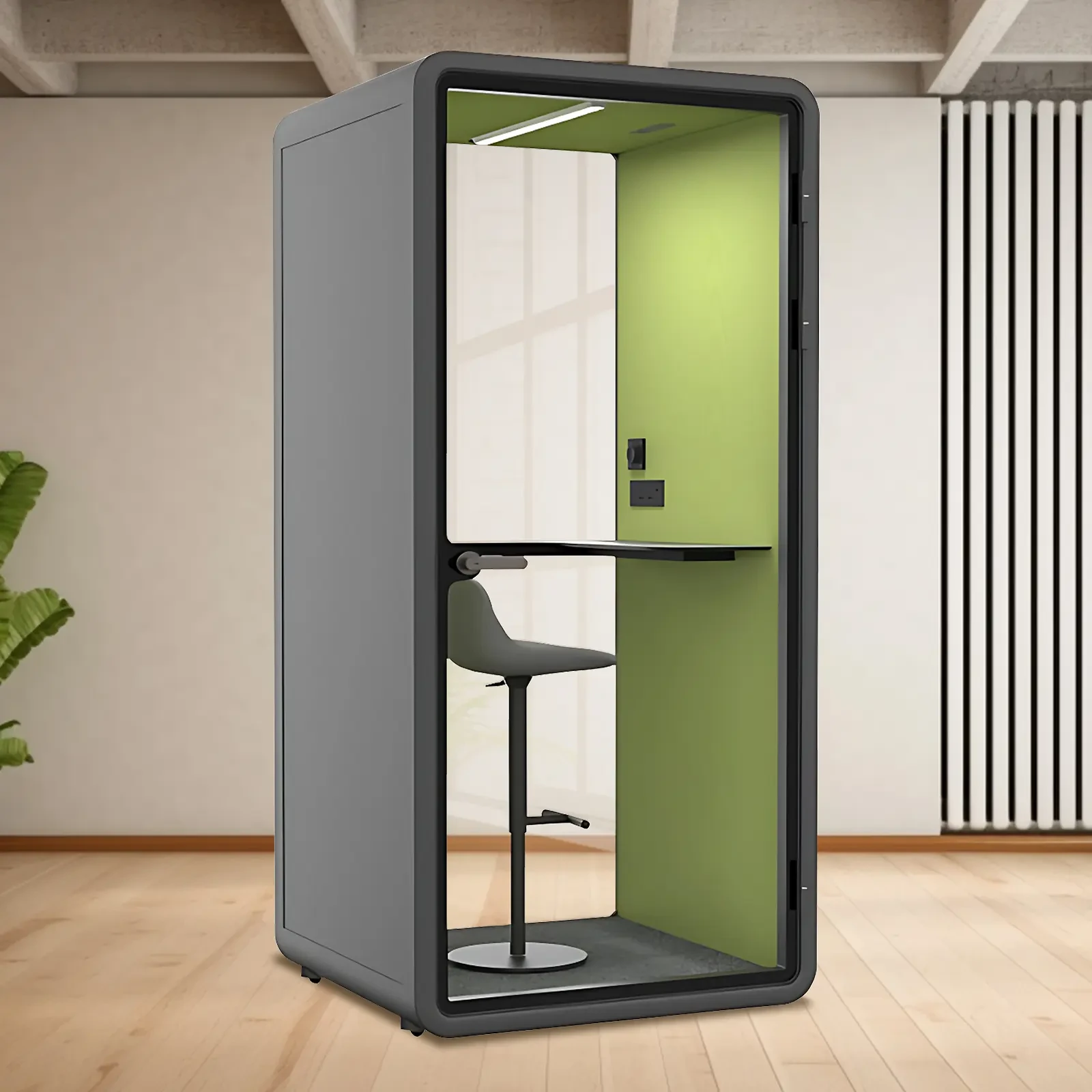
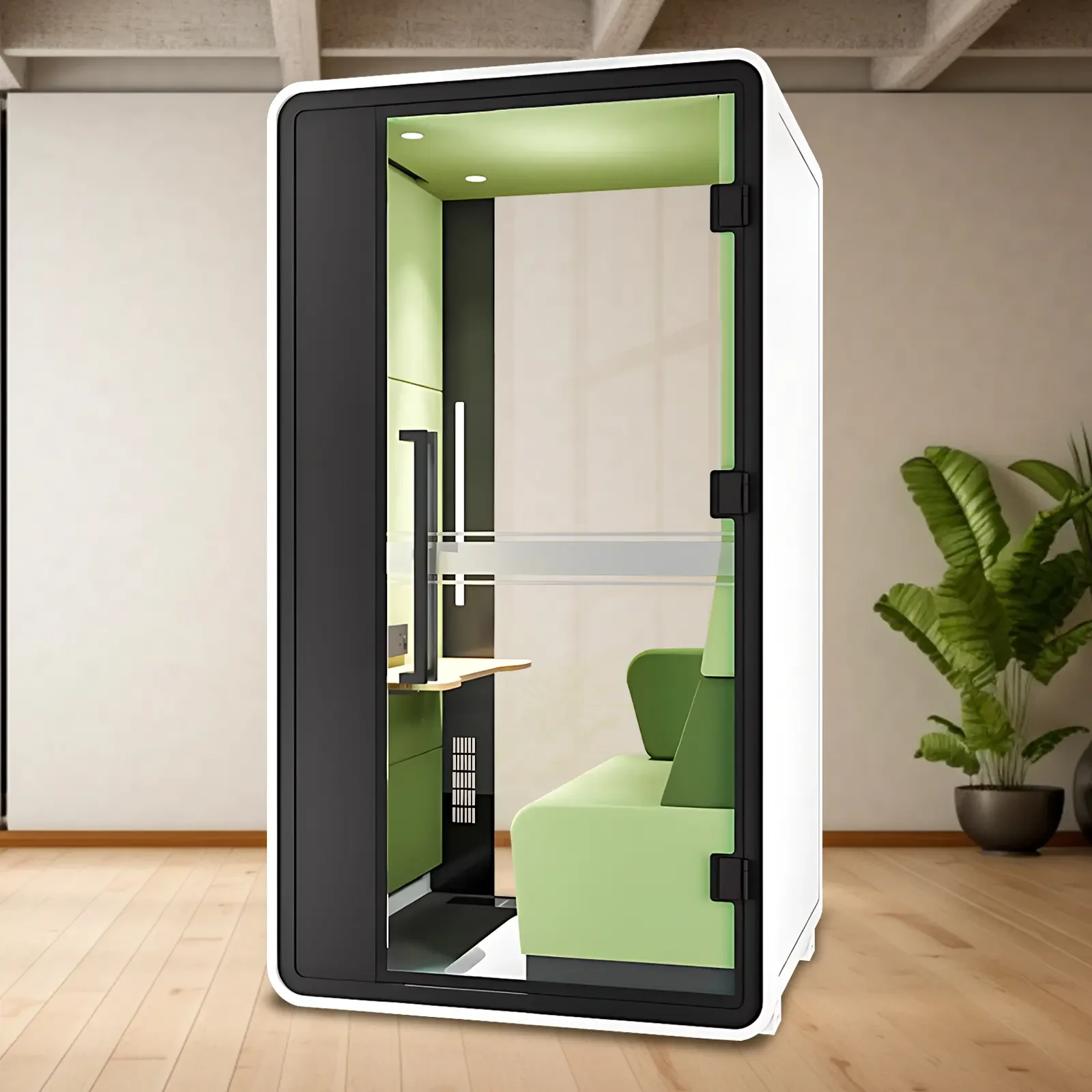
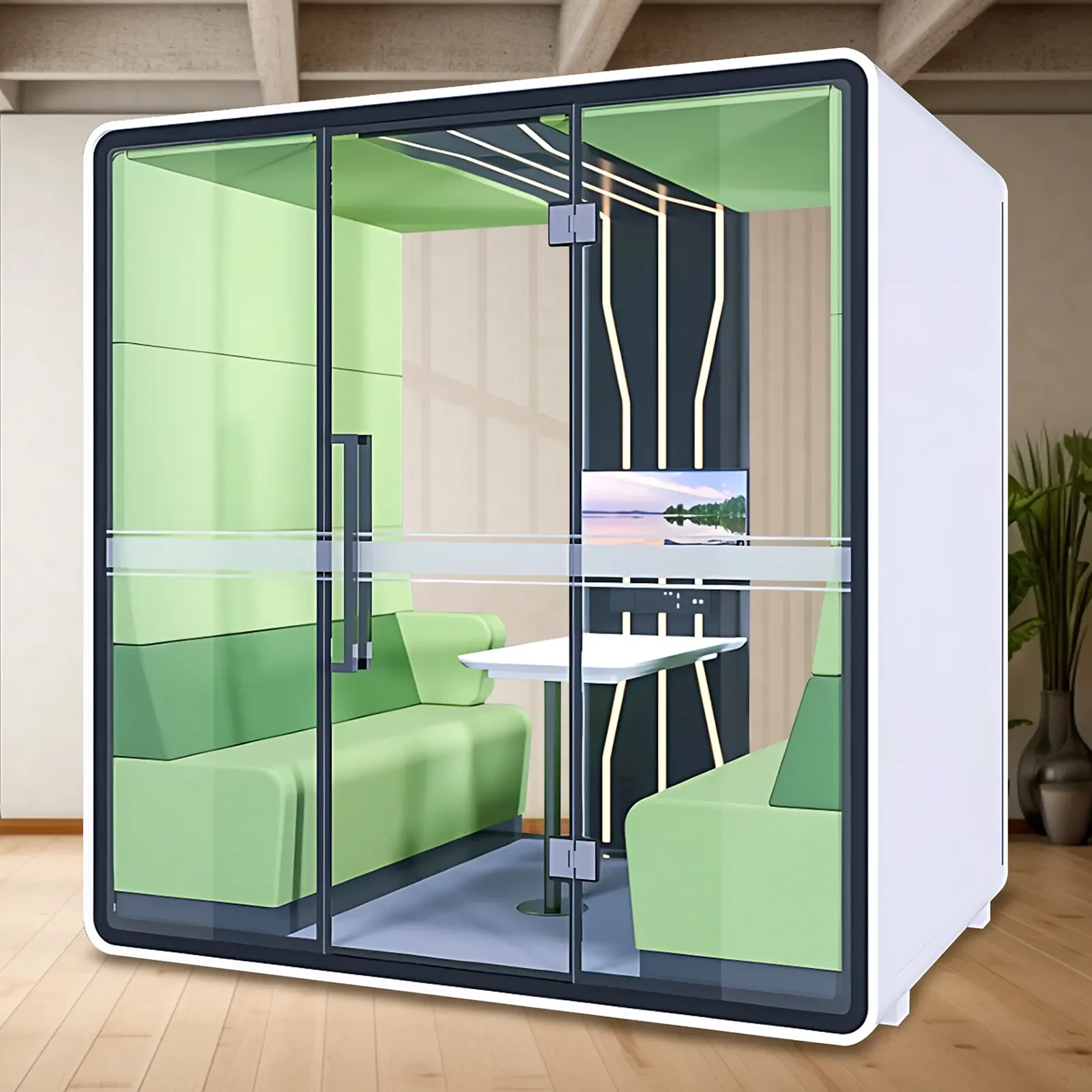
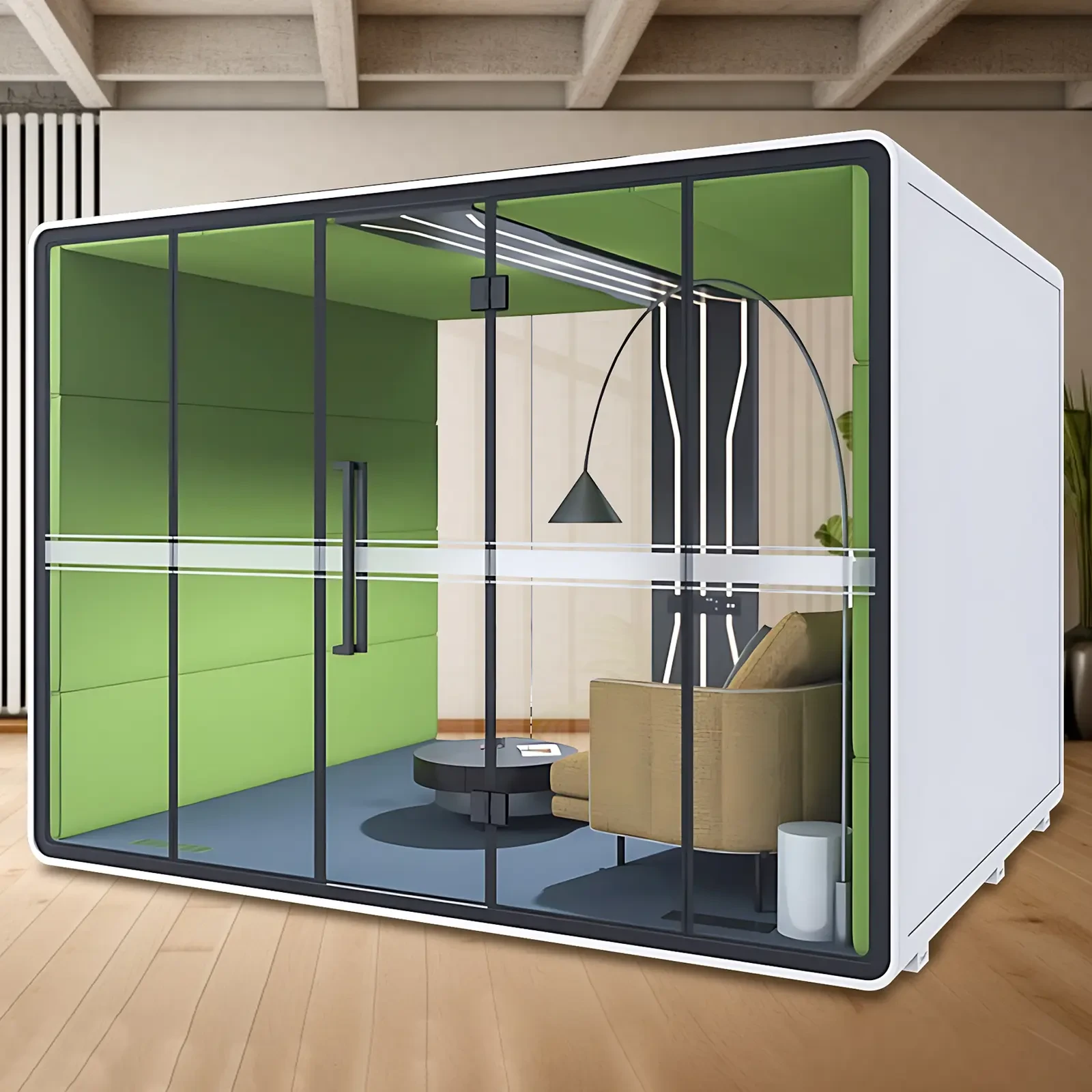
How to effectively reduce noise and create a more comfortable community environment
Residential communities are important places for people's daily lives, but the negative impacts that come with them are also quite obvious-noise pollution is a persistent problem. Noise in residential communities not only causes inconvenience and distress to residents, but can also have a significant impact on their health. Therefore, how to effectively reduce noise and create a more comfortable community environment has become our focus.
How to analyze noise sources in a residential area
First, it's necessary to categorize the noise sources in the residential area. Common noise sources in residential areas mainly come from the following aspects:
1. Noise caused by motor vehicles
The sounds of vehicles parking and starting are frequently heard at the entrance of the residential area, and some vehicles may produce even greater noise pollution when overloaded, with aging engines, or with brake failure.
2. Noise generated at construction sites
The drilling, demolition, and transportation activities at construction sites around the community generate a lot of noise, which may have a significant negative impact on residents' health.
3. Noise from residential households
The residents of the community have close relationships, but this also brings noise from their daily lives. For example, music from next door, children playing, and so on.
How to reduce noise in residential areas
Different measures are needed for different noise sources. Below is a detailed introduction on how to reduce noise.
1. Reduced vehicle noise
To reduce vehicle noise, the property management of the residential community needs to plan parking spaces reasonably and encourage residents to use noise-free or low-noise transportation tools, such as electric bicycles and smart bicycles.
2. Reduced noise at construction sites
Construction noise is one of the main sources of noise pollution, so effective noise reduction measures need to be adopted in practice. For example, noise reduction panels, noise reduction caps, or other shielding materials can be used, or construction time can be restricted to daytime.
3. Reduced noise in residential homes
To reduce household noise, mutual understanding and maintaining a quiet environment are essential among family members. Effective noise reduction measures can be implemented, such as using soundproofing materials and purchasing low-noise appliances.
In addition to the methods mentioned above, we can also reduce noise in the community by increasing greenery, setting up sound barriers, and optimizing building design.
Noise pollution poses a significant threat to human health and should be given serious attention. This article begins by classifying noise sources and introduces methods for effectively controlling noise in residential communities. By implementing various noise reduction measures, we can create a more comfortable and livable community environment, bringing a better living experience to urban residents.
X-comfot, your gateway to an efficient life. We are committed to becoming your most trusted brand of soundproof pod.
E-mail: support@x-comfot.com