
 USD
USD  GBP
GBP
 EUR
EUR
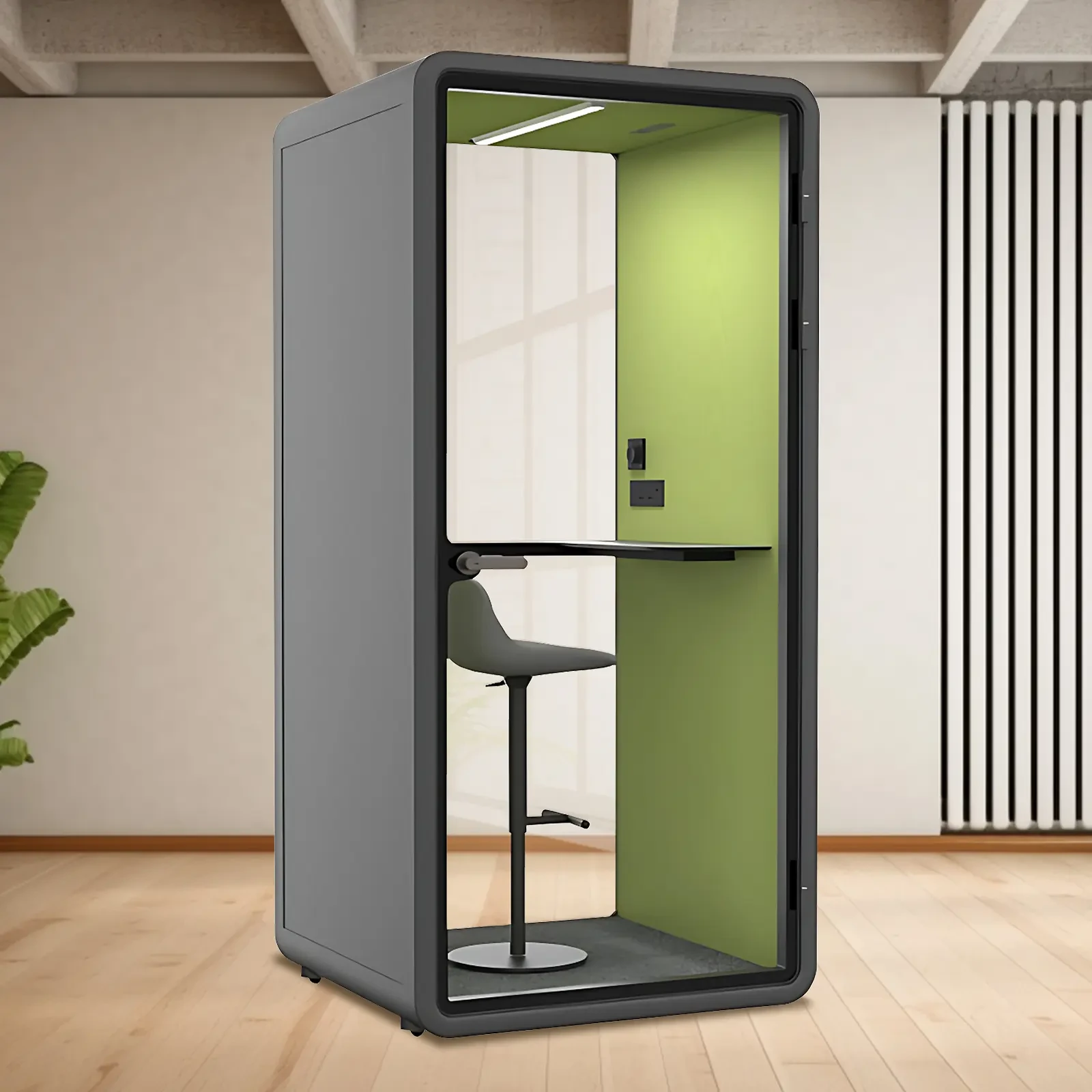
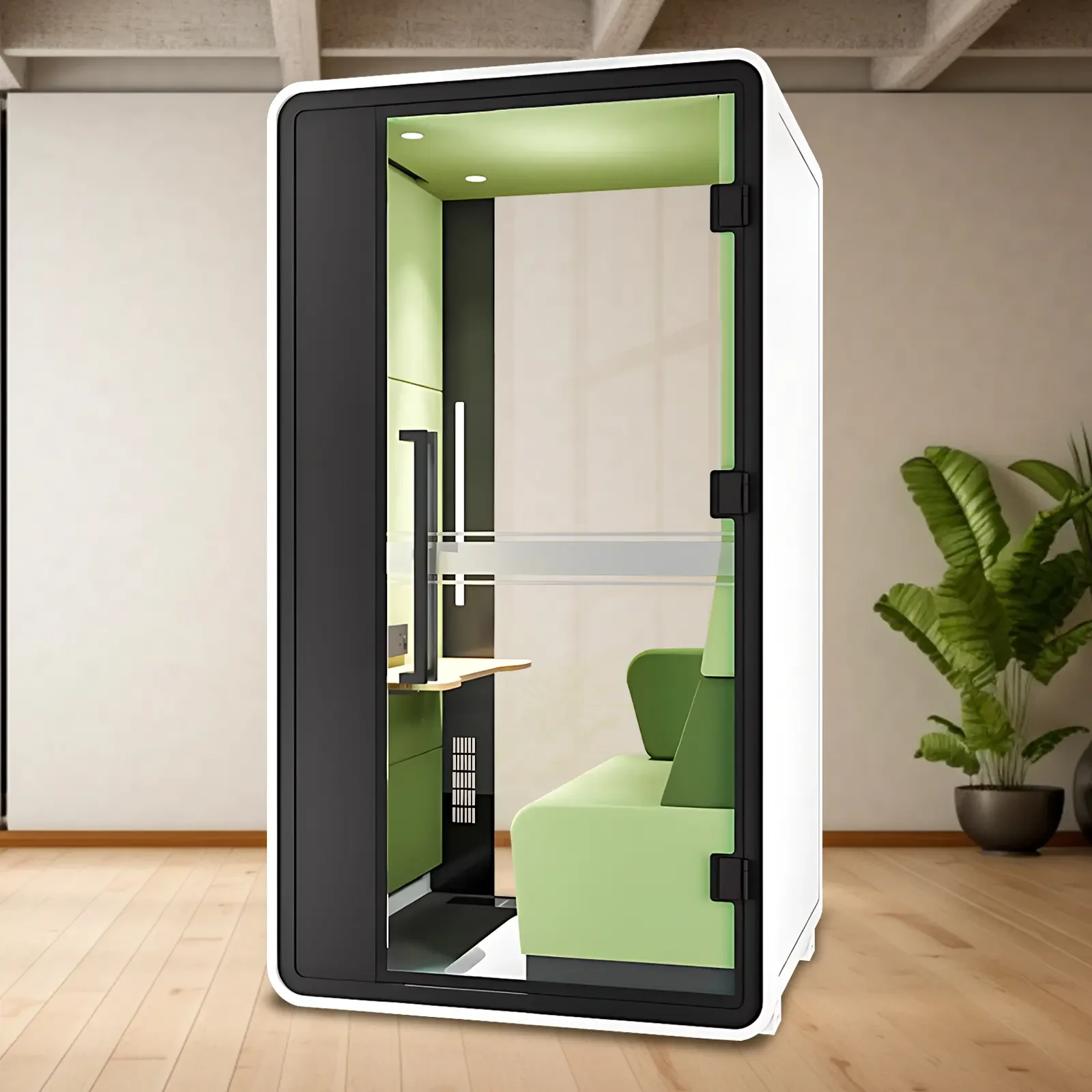
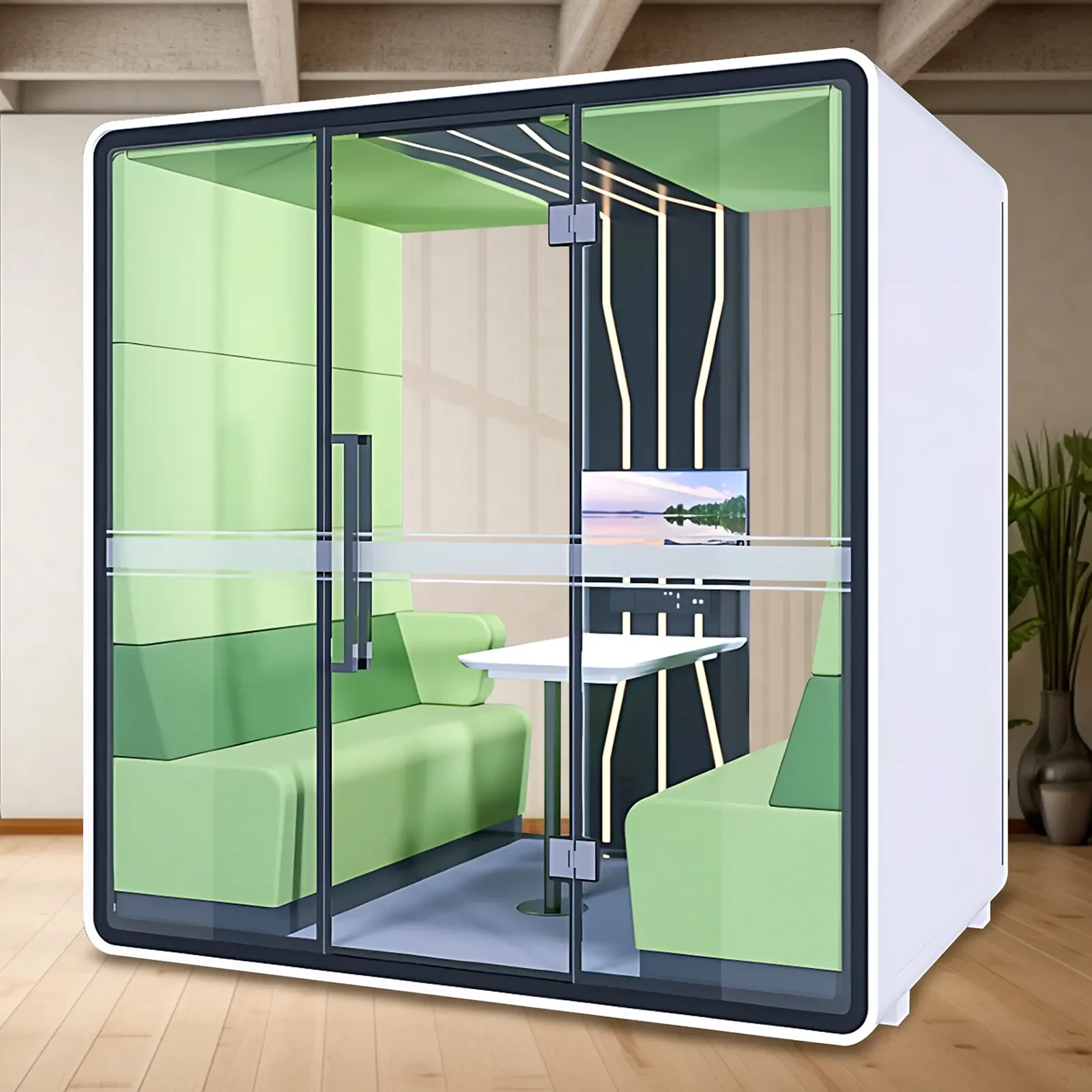
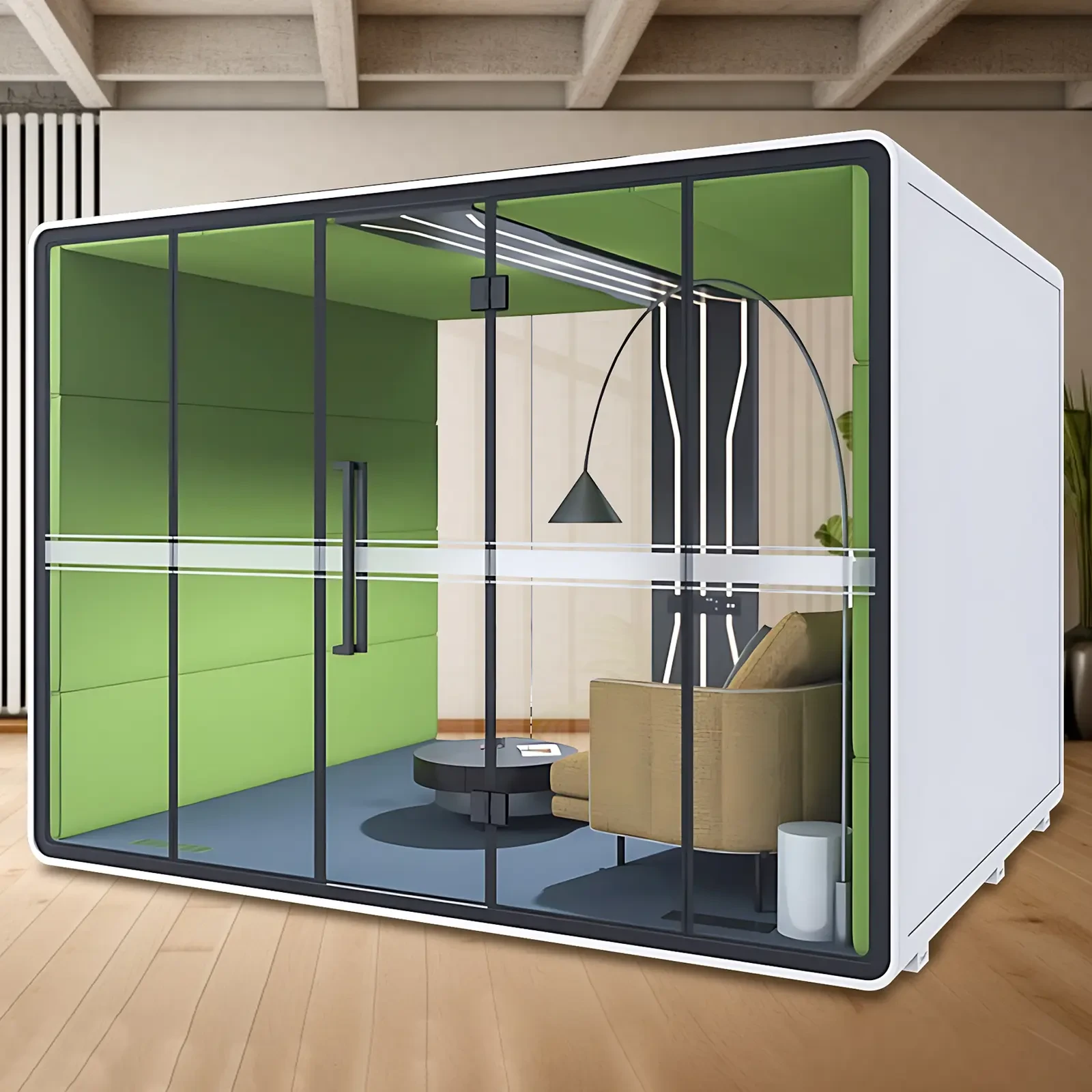
Soundproofing marvel! A must-have for home karaoke! How to choose the right soundproofing materials?
Soundproofing is an essential aspect of home renovation and commercial space design. The choice of soundproofing materials directly impacts the comfort and quality of the indoor environment, affecting people's quality of life. Soundproofing materials such as sound insulation cotton, glass wool for walls, and rolled sound insulation blankets are highly favored due to their excellent sound insulation effects, making them a top choice for many during renovations. This article will introduce the types and characteristics of soundproofing materials and how to choose the right materials for your needs.
Types of sound insulation materials
1. Sound Insulation Cotton: Sound insulation cotton is a high-quality sound insulation material. Its lightweight and soft texture effectively absorbs sound and reduces noise transmission. It is widely used in bedrooms, living rooms, home theaters, and other areas to effectively improve the sound quality of the indoor environment.
2. Wall Fiberglass Wool: Wall fiberglass wool has excellent sound insulation properties and also excellent thermal insulation performance. It is characterized by moisture resistance, resistance to aging, long service life, and is an environmentally friendly sound insulation material.
3. Roll-up soundproofing material: Roll-up soundproofing material is convenient and easy to use. It is simple to install and can effectively reduce sound transmission through walls and improve sound insulation. It is suitable for various spaces such as homes and commercial venues.
How to choose suitable sound insulation materials
1. Based on the location of use: Different locations require different types of sound insulation materials. For example, bedrooms are suitable for materials with good sound insulation, while KTVs need materials with good sound absorption.
2. Consider sound insulation performance: When choosing sound insulation materials, consider whether their sound insulation performance meets your needs. You can judge the performance of the material by checking the sound insulation rating and relevant test data.
3. Pay attention to the environmental friendliness of the materials: The environmental friendliness of sound insulation materials is directly related to the quality of indoor air. Choosing environmentally friendly materials is conducive to creating a healthy living environment.
4. Consider ease of installation: Choosing sound insulation materials that are easy to install can save time and labor costs and improve renovation efficiency.
Through the above introduction, we believe you have gained a deeper understanding of sound insulation materials. Choosing suitable sound insulation materials during renovation can effectively improve the indoor environment and enhance your quality of life. We hope this article has been helpful to you, and wish you a smooth renovation and the creation of a quiet and comfortable environment.
X-comfot, your gateway to an efficient life. We are committed to becoming your most trusted brand of soundproof pod.
E-mail: support@x-comfot.com