
 USD
USD  GBP
GBP
 EUR
EUR
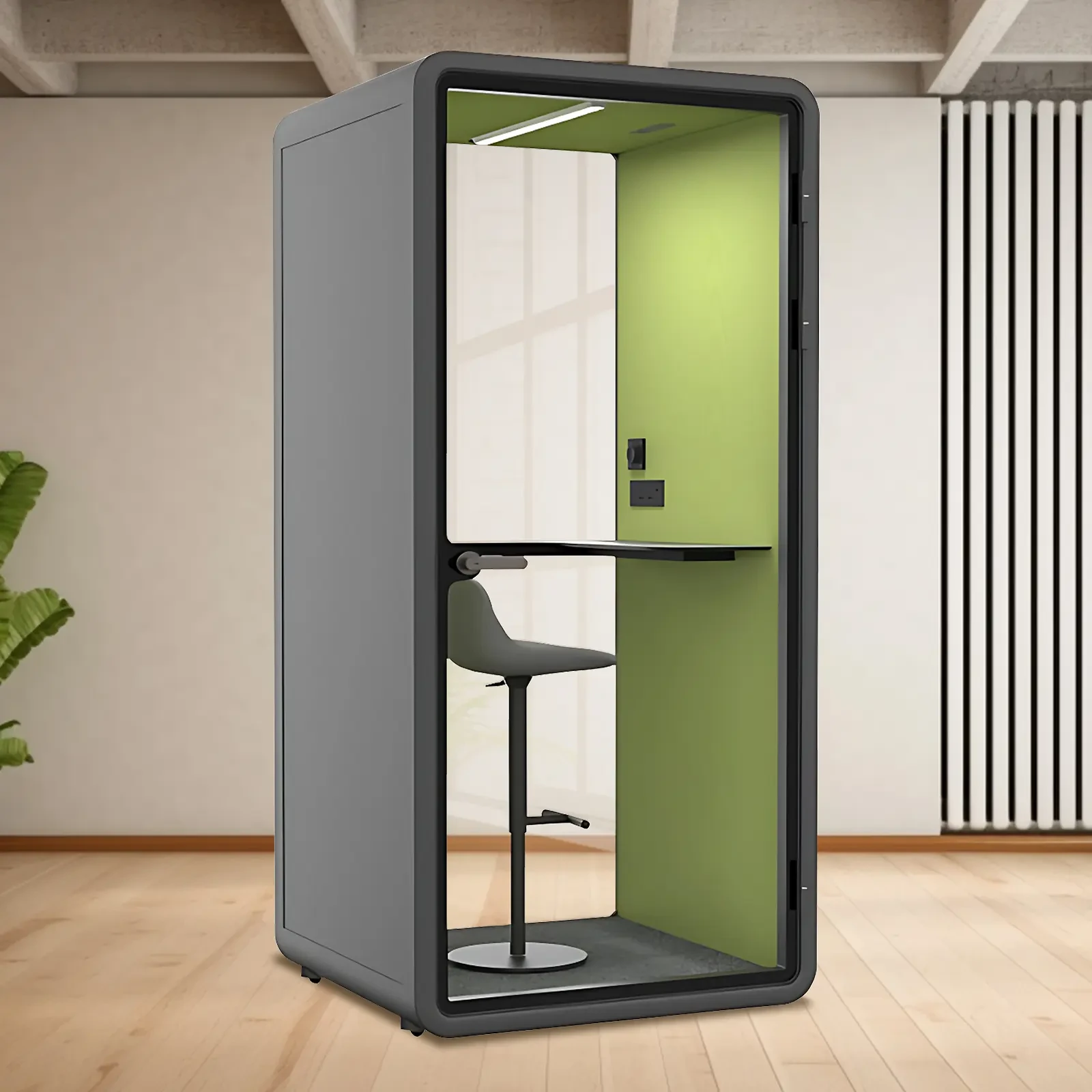
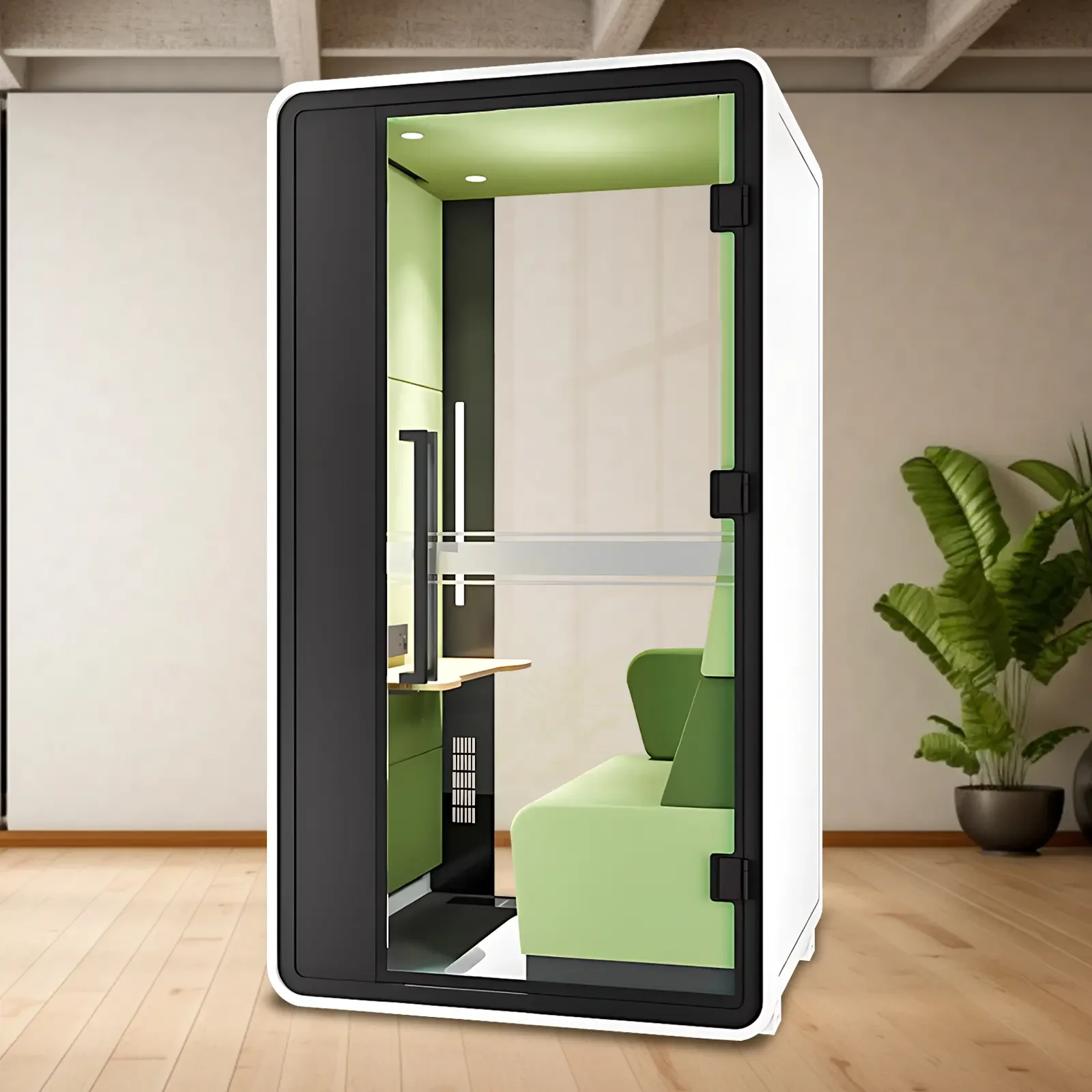
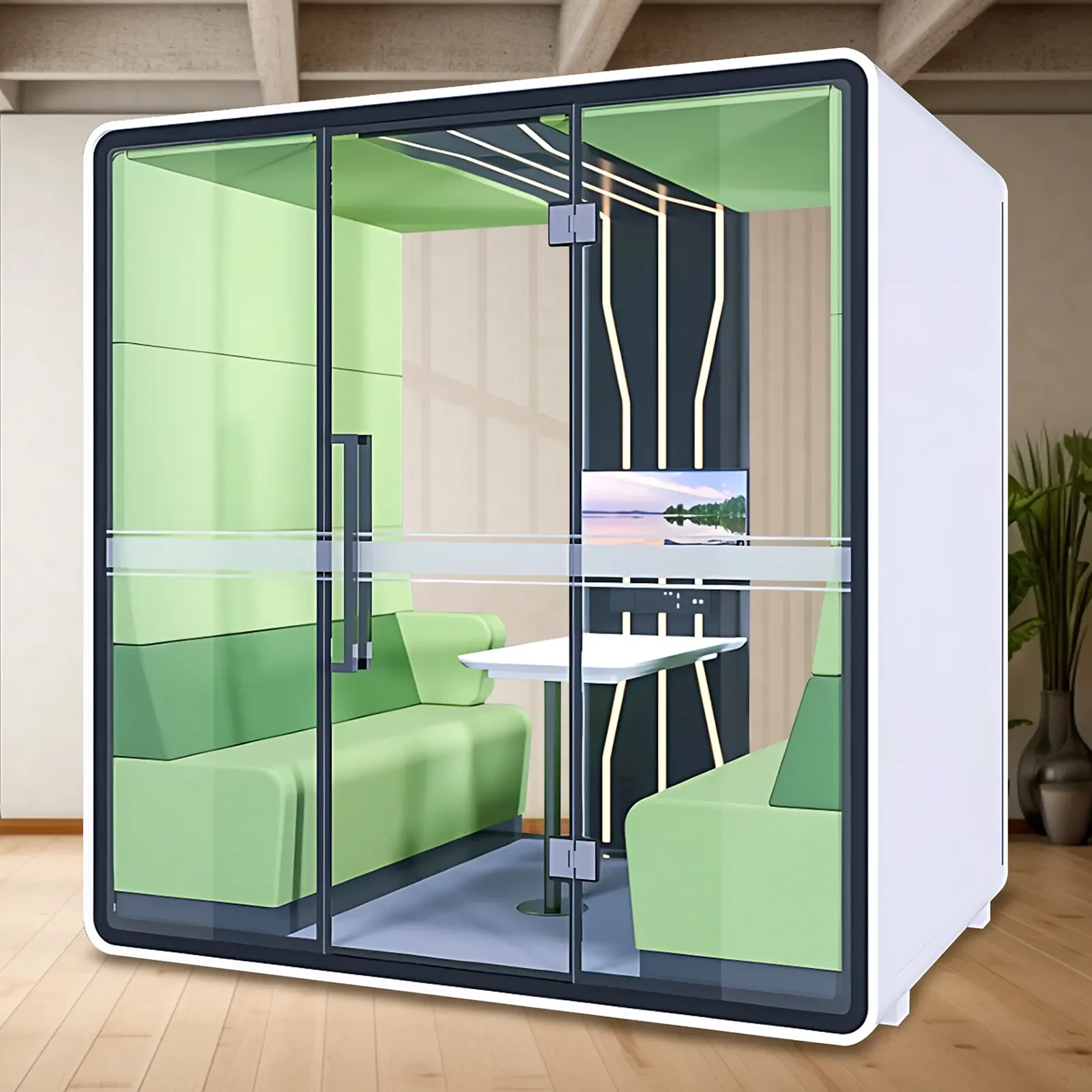
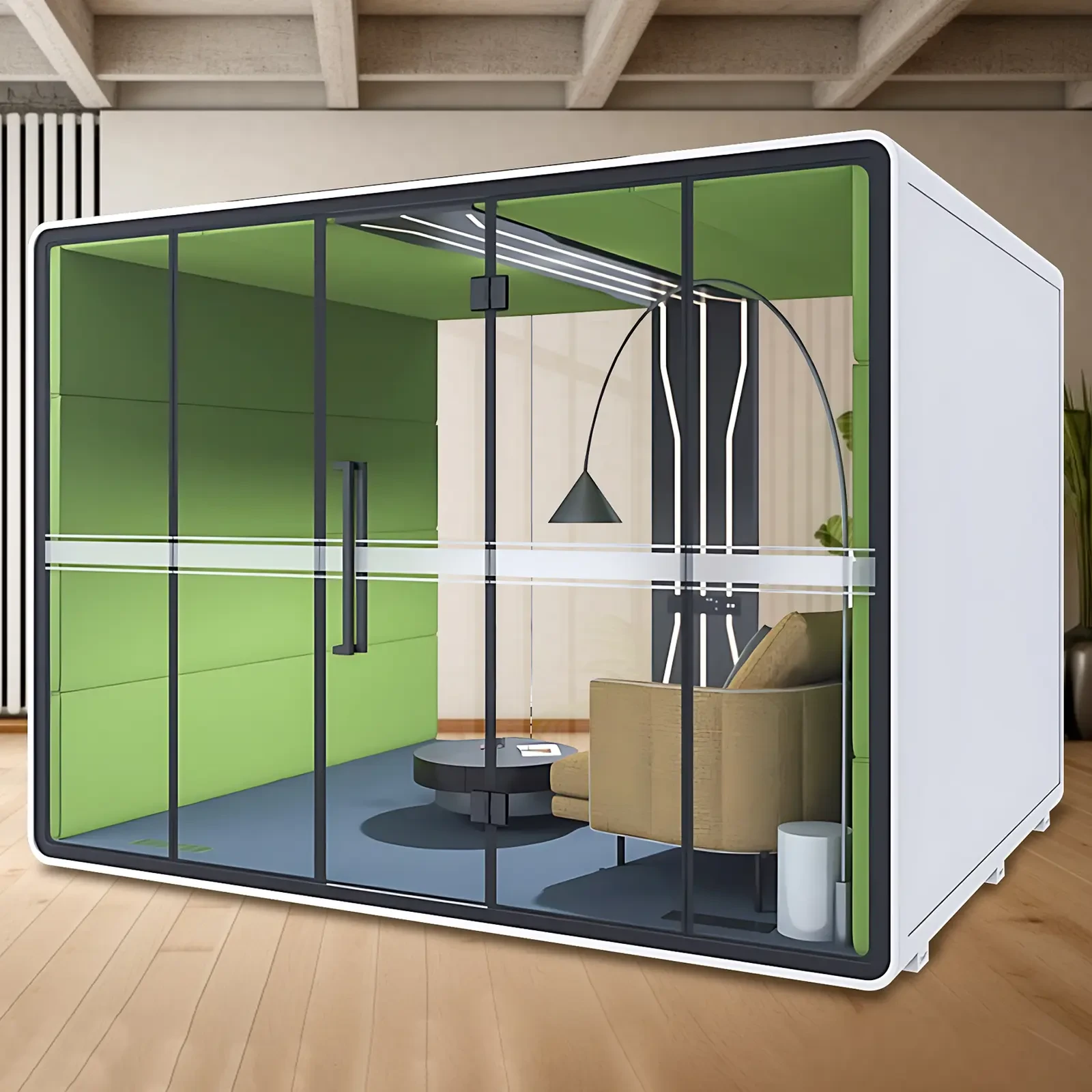
How can I achieve perfect sound insulation in a house that has already been renovated?
Noise pollution is becoming increasingly prominent in modern living environments, especially in cities, where traffic noise, neighborly chatter, and appliance noise constantly impact our quality of life. Even after renovations are complete, improving sound insulation in the living environment remains a concern for many homeowners. This article will discuss in detail how to improve sound insulation in already renovated homes, providing practical solutions and suggestions.
1. Understand the basic principles of sound insulation
Before discussing specific soundproofing solutions, we first need to understand the basic principles of soundproofing. Soundproofing is mainly divided into two categories: airborne soundproofing and structure-borne soundproofing. Airborne soundproofing refers to sound waves that propagate through the air (such as talking or music), while structure-borne soundproofing refers to sound waves that propagate through the vibrations of solid objects (such as kicking a ball or footsteps). Different noise sources may require different treatment methods.
To improve sound insulation, the following key factors should be considered:
- Material density: Generally, the higher the density of a material, the better its sound insulation. For example, concrete and bricks have much better sound insulation properties than lightweight walls.
- Structural design: The structural design of walls, floors and ceilings has a significant impact on sound wave propagation. A reasonable design can effectively reduce noise transmission.
2. Use sound insulation materials
For already renovated houses, using soundproofing materials is the best option. Many specialized soundproofing materials are available on the market, including:
2.1 Sound-absorbing panels
Acoustic panels are specialized materials used to reduce sound wave reflections, typically made of polyester fiber, wood, or foam. They can be installed on walls or ceilings to reduce indoor echoes and background noise, creating a quieter environment.
2.2 Soundproof windows
Windows are a significant source of noise leakage. Consider replacing them with double-glazed windows or installing soundproof curtains on the outside of existing windows. The air gap between double-glazed windows effectively blocks noise transmission, while high-quality soundproof curtains can reduce noise around the window.
2.3 Soundproofing Blanket
Soundproofing blankets are a very practical material, especially suitable for use between floors and walls. They are typically made of high-density materials and are laid directly over the floor or wall to effectively absorb transmitted sound.
3. Enhance interior layout
Sometimes, rearranging the furniture and items in a room can improve its sound insulation. Here are some specific suggestions:
3.1 Use bookshelves or large furniture to isolate noise sources.
Use large furniture such as bookshelves and sofas to effectively isolate noise sources. For example, placing a bookshelf near a wall facing the street can block outside noise to some extent.
3.2 Use of soft furnishings
Soft furnishings such as carpets, curtains, and upholstered sofas can absorb sound waves, reduce echoes in a room, and of course, enhance the aesthetics and comfort of the space.
4. Sound insulation treatment for the floor
If your home has hard flooring materials such as tile or wood, noise tends to travel through the floor. Consider adding a thick carpet or using specialized sound-absorbing mats to reduce floor noise.
4.1 Use sound insulation mats
Sound insulation mats are a common type of floor sound insulation material, usually laid under wooden floors or other flooring materials, which can effectively reduce the transmission of noise such as footsteps.
4.2 Floating Floor
If conditions permit, deeper ground treatment can be considered, such as installing floating floors. This type of ground installation is not directly fixed to the foundation structure, but rather isolates the foundation with elastic materials, effectively reducing noise transmission.
5. Ceiling treatment
Ceilings can also easily become a significant channel for noise transmission. To improve sound insulation, consider the following methods:
5.1 Ceiling Design
Installing a suspended ceiling and filling it with sound-insulating material can effectively reduce noise from upstairs.
5.2 Sound Insulation Coating
Some products on the market, such as soundproofing paint, can be applied to walls and ceilings to enhance sound insulation. This method is simple and convenient, making it ideal for already renovated houses.
6. Door treatment
Doors are a soundproofing element that is often overlooked. To improve sound insulation, consider the following measures:
6.1 Install soundproof door felt
We can apply soundproofing felt to the door. If our budget allows, we can customize or replace it with a solid wood door or a soundproof door made of a different material for better sound insulation.
6.2 Door gap treatment
The gap between the door and the door frame is often a "leak point" for noise. This can be addressed by using sealing strips to close the gap and reduce the transmission of noise.
7. Consider professional soundproofing services.
If the above methods still fail to meet your soundproofing needs, it is recommended to seek evaluation from a professional soundproofing company. They can provide professional design solutions and technical support to help you achieve your ideal soundproofing results.
8. Summary
Improving sound insulation in an already renovated house may require a combination of methods and materials, but with proper application, a comfortable and quiet living environment can be created. We hope the above suggestions are helpful in improving your quality of life and bringing a better living experience to you and your family. By continuously optimizing our living environment, we can free our lives from the disturbance of noise.
X-comfot, your gateway to an efficient life. We are committed to becoming your most trusted brand of soundproof pod.
E-mail: support@x-comfot.com