
 USD
USD  GBP
GBP
 EUR
EUR
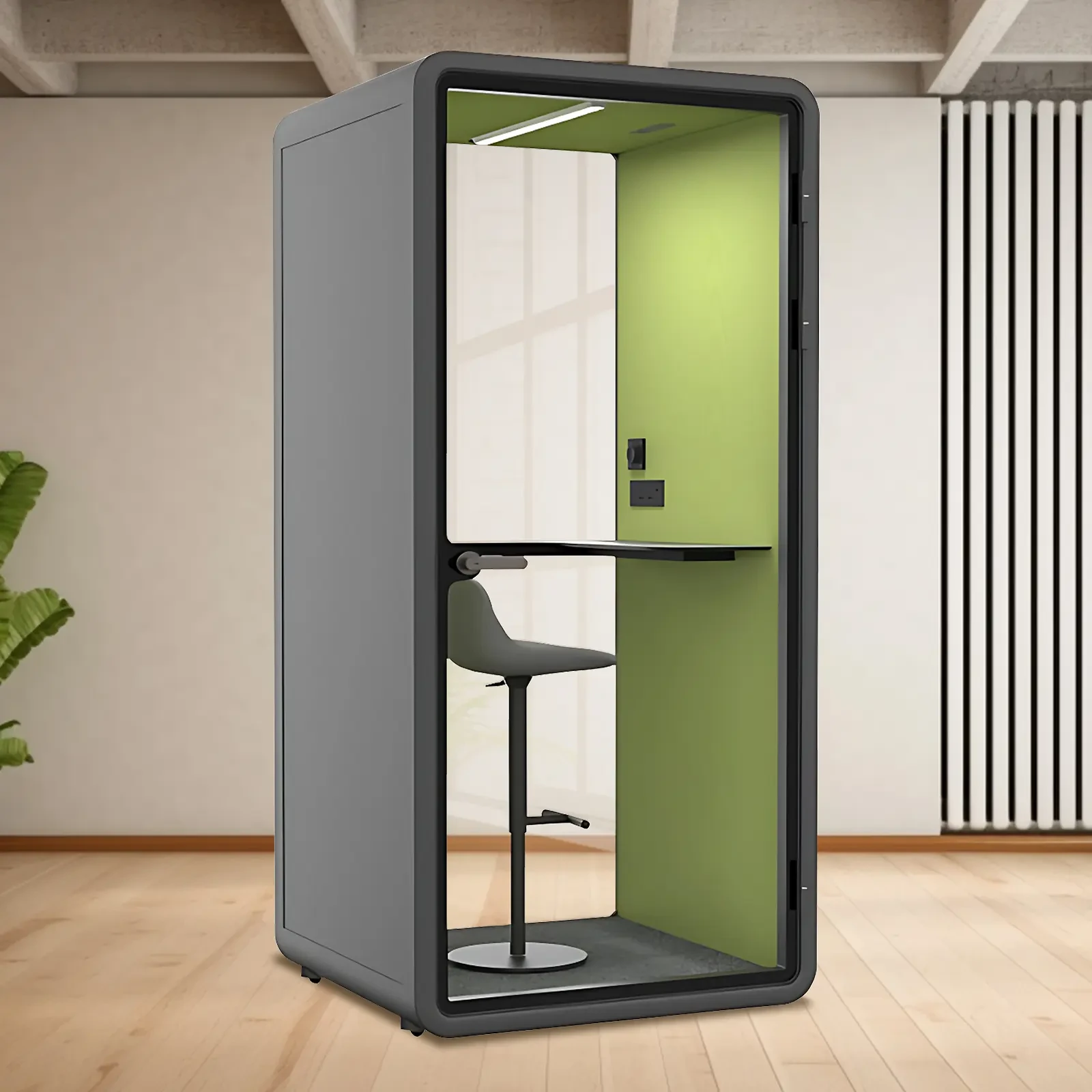
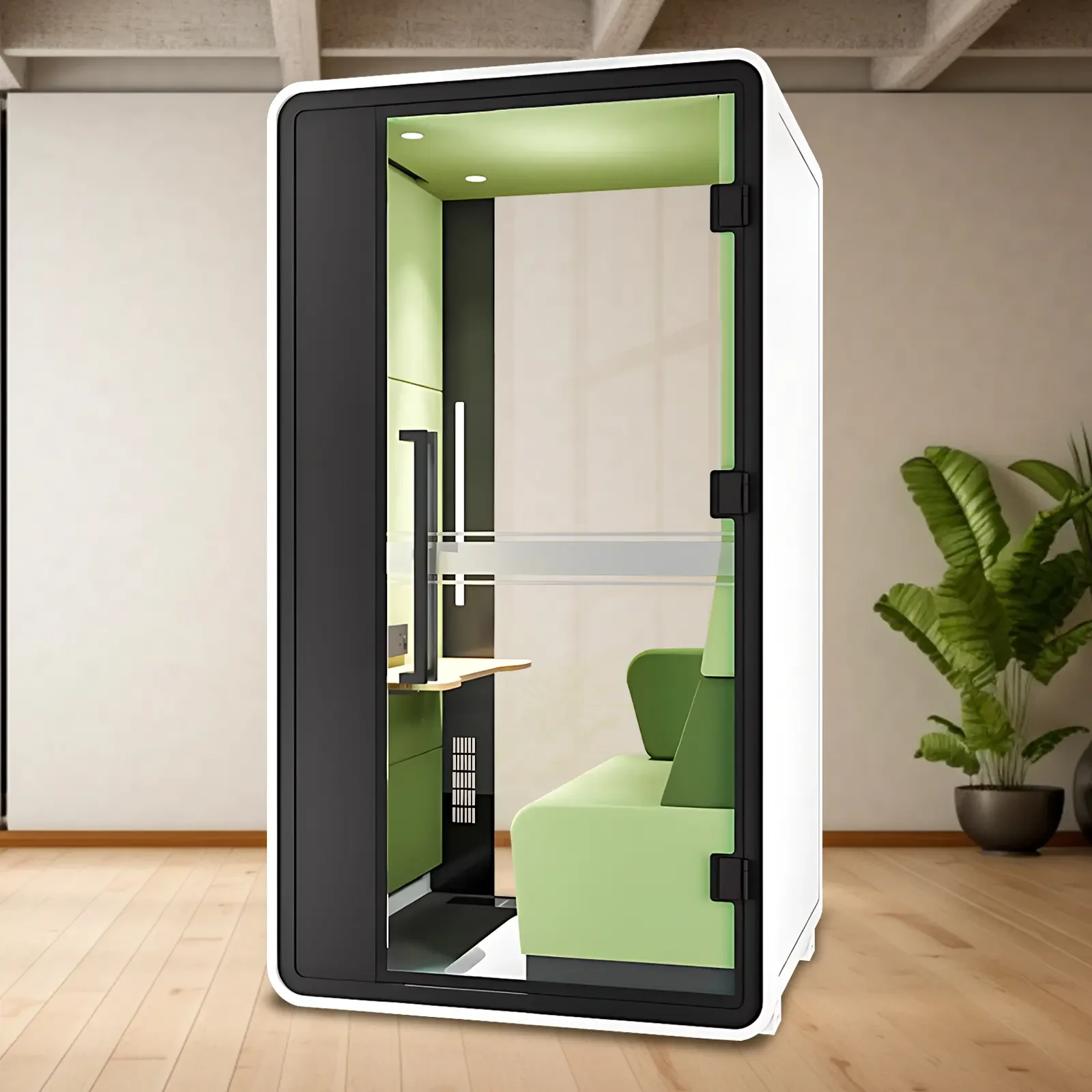

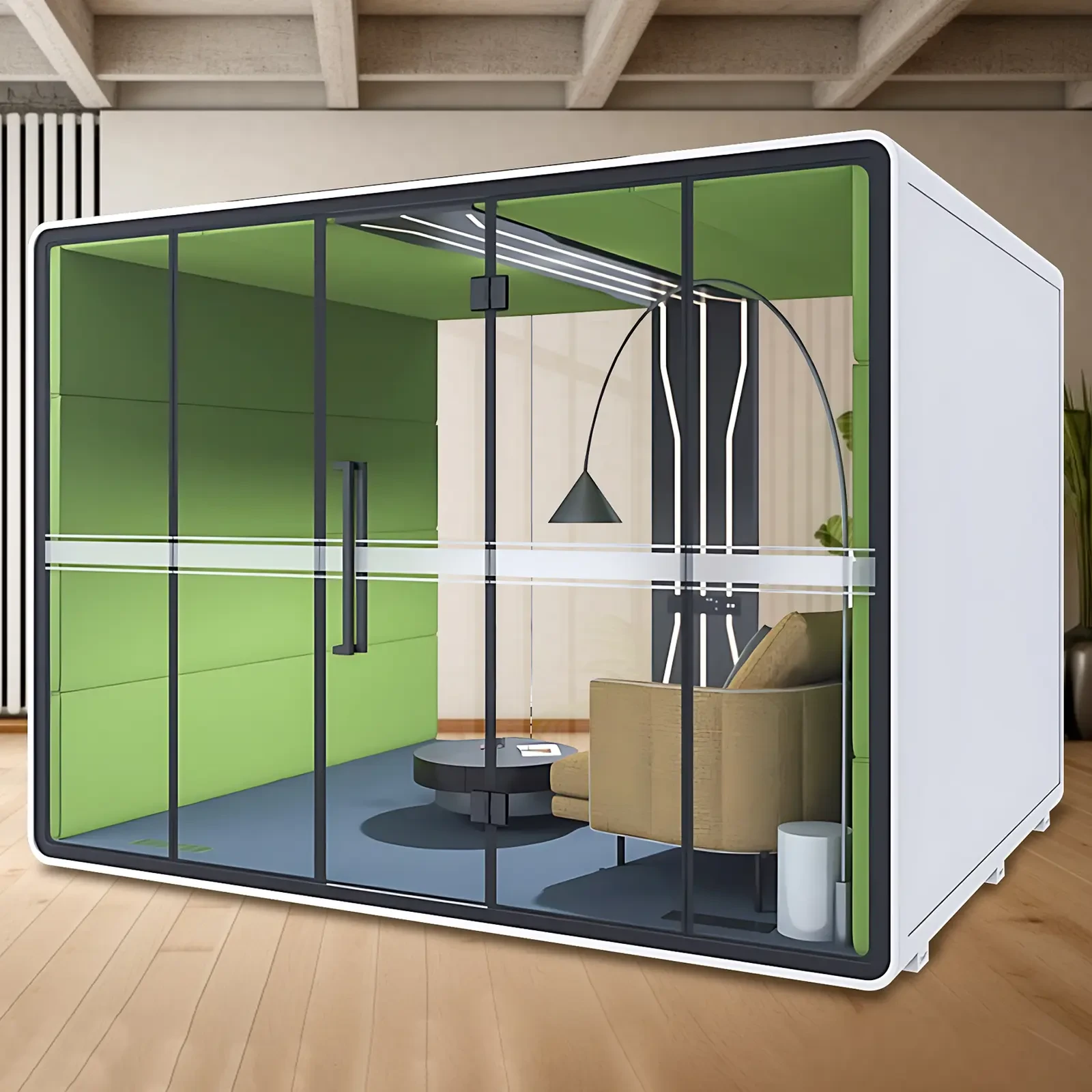
Soundproofing the bedroom ceiling is key to creating a tranquil space.
Among the many functions of a bedroom, quiet is crucial for ensuring good rest and quality of life, and ceiling soundproofing plays a key role in maintaining a tranquil environment. Today, we'll introduce how to soundproof your bedroom ceiling to create a quiet and comfortable sleeping environment.
The Importance of Soundproofing Bedroom Ceilings
As a place for rest and relaxation, a quiet environment in the bedroom allows us to better rejuvenate. If the ceiling is poorly soundproofed, external noise can easily penetrate, affecting sleep quality. For example, footsteps from upstairs neighbors or the sound of television can all enter the bedroom through the ceiling. Furthermore, noise from the building structure itself, such as the vibration of pipes or the sound of building settling, can also disrupt the quietness of the bedroom. Therefore, proper soundproofing of the bedroom ceiling can create a peaceful and comfortable sleeping space.
Methods of ceiling soundproofing
Choose suitable sound insulation materials
Common sound insulation materials include sound-absorbing cotton, sound-insulating felt, and gypsum board. Sound-absorbing cotton effectively absorbs sound and reduces sound reflection. It can be installed inside ceilings for good sound insulation. Sound-insulating felt has strong sound insulation capabilities and can block sound transmission. It can be directly adhered to the ceiling surface to form a sound barrier. Gypsum board is also a commonly used sound insulation material; it has some sound insulation properties and also serves a decorative purpose.
Install soundproof ceiling
Soundproof ceilings are an important way to improve the sound insulation of ceilings. When installing a ceiling, sound-absorbing materials, such as sound-absorbing cotton, can be added inside. This can further enhance the sound insulation effect. At the same time, the structure of the ceiling is also very important. Some ceiling materials with sound-insulating functions can be selected, such as double-layer gypsum board ceilings. This type of ceiling structure can effectively reduce the transmission of sound.
Sealing ceiling gaps
Ceiling gaps are significant pathways for sound transmission. When installing a ceiling, ensure these gaps are sealed. Use sealing strips to seal the gaps. This will prevent sound from escaping through the gaps. Additionally, seal any holes or pipe openings in the ceiling. This will prevent sound from traveling through these areas.
Improve sound insulation
Use sound-absorbing curtains
Sound-absorbing curtains can absorb sound to a certain extent, reducing noise entering the bedroom. When choosing curtains, you can select those with sound-absorbing properties, which can effectively improve sound insulation.
Optimize bedroom layout
A well-planned bedroom layout can also improve sound insulation. For example, placing the bed away from windows and walls can reduce sound transmission. Additionally, choosing bedroom furniture with sound-insulating features can also be beneficial.
Precautions
Safety precautions must be taken when installing ceiling soundproofing. Wear protective gloves and a mask during the process to avoid inhaling dust. Pay close attention to the use of tools. Follow the instructions carefully when installing soundproofing materials to ensure a secure installation.
Soundproofing the bedroom ceiling is an important task. By choosing the right soundproofing materials and installation methods, the sound insulation effect of the ceiling can be effectively improved. Let's work together to create a quiet and comfortable bedroom environment.
X-comfot, your gateway to an efficient life. We are committed to becoming your most trusted brand of soundproof pod.
E-mail: support@x-comfot.com