
 USD
USD  GBP
GBP
 EUR
EUR

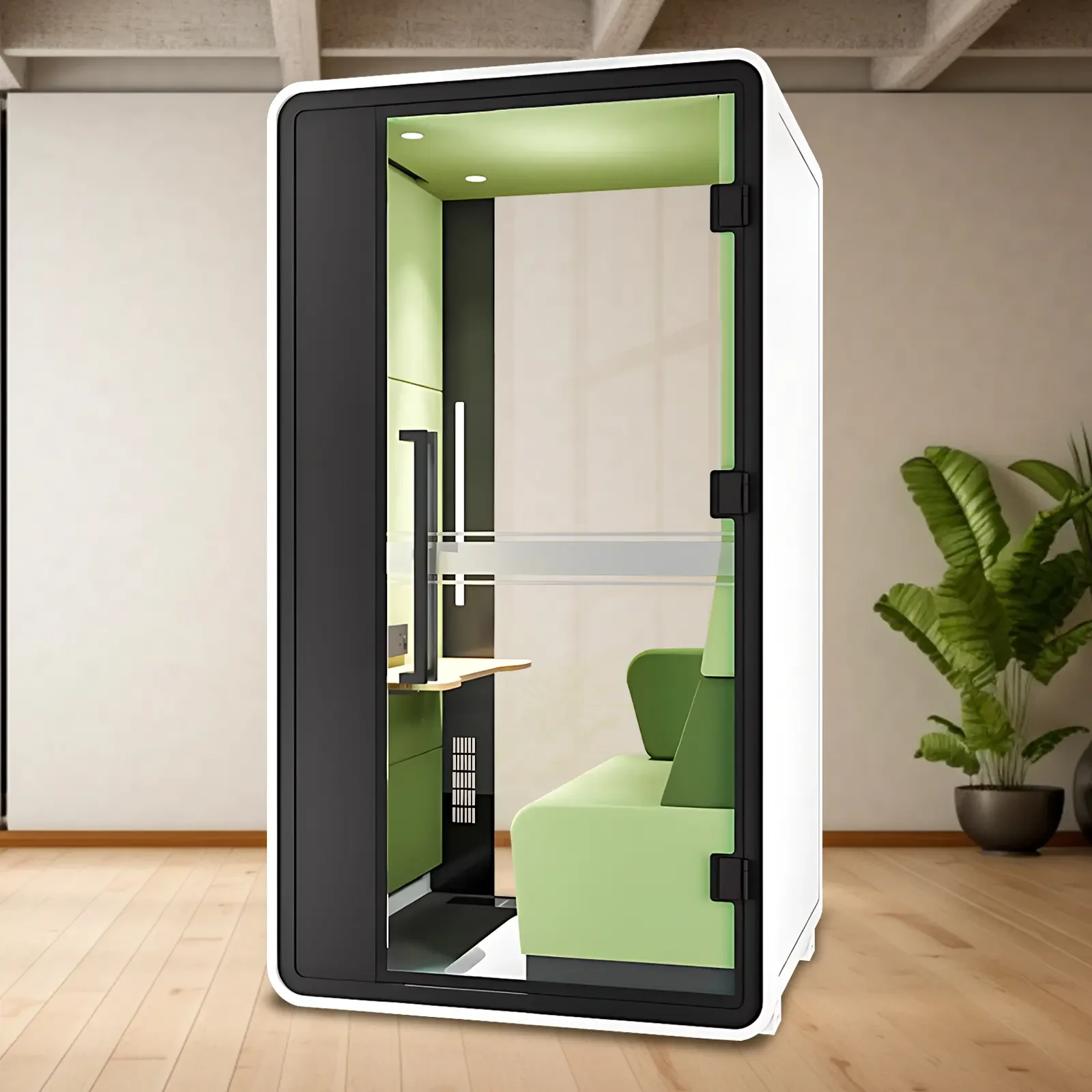

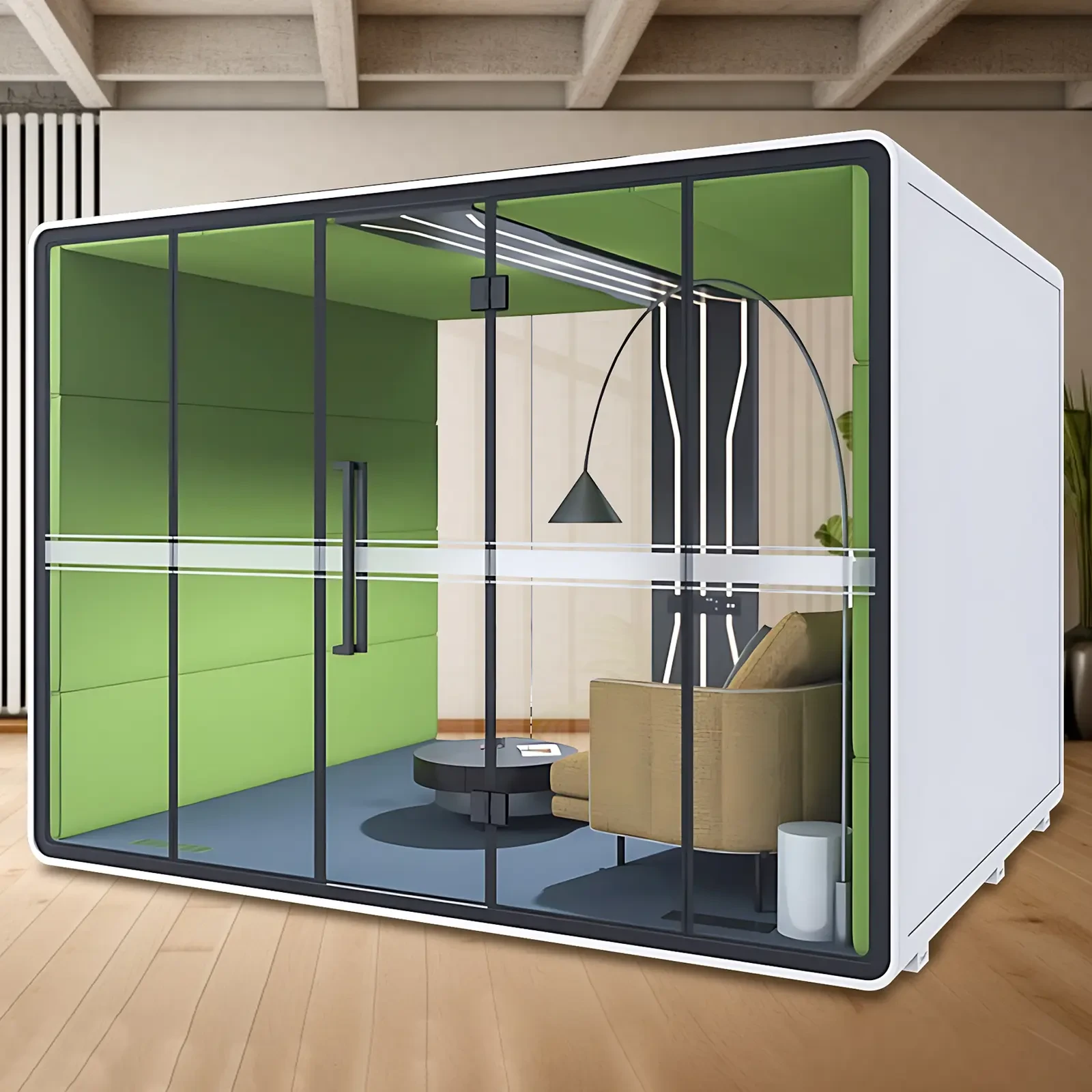
How is air conditioner noise generated? How can we isolate air conditioner noise?
In the hustle and bustle of the city, home should be a haven for our souls, a warm and tranquil place where we can completely relax and enjoy peace. However, when the air conditioner runs continuously in the summer, its annoying noise often breaks this tranquility, like a discordant note, quietly invading our living space. Air conditioner noise may seem insignificant, but it's like a small thorn in our side, constantly affecting our comfort and quality of life.
There are many reasons why air conditioner noise is generated. First, the compressor is one of the main sources of noise. When the compressor is working, the internal mechanical parts rotate at high speed, which generates vibration and friction. If the compressor is of poor quality, or if it has been used for too long and the parts are worn out, this vibration and friction will intensify, resulting in louder noise. Imagine the compressor as the "heart" of the air conditioner; when the "heart" has a problem, the whole "body" will naturally feel "uncomfortable."
Air conditioner fans are also a significant source of noise. The fan is responsible for delivering cool or hot air into the room. If the fan blades are not balanced during rotation, they will generate unbalanced centrifugal force, which in turn causes noise. In addition, motor malfunctions and blocked air ducts can also cause abnormal noises during operation.
Improper installation is also a common cause of air conditioner noise. If the air conditioner is not securely fixed during installation, it will shake and produce noise when running. Furthermore, if the pipes connecting the indoor and outdoor units are not properly installed, collisions or friction with walls or other objects can also generate annoying noise.
Air conditioner noise has many negative impacts on our lives. From a health perspective, prolonged exposure to noise can affect sleep quality. Insufficient sleep can lead to lethargy and poor concentration the next day, and in the long run, may even cause headaches, neurasthenia, and other health problems. For those who need a quiet environment to work or study, air conditioner noise is a major nuisance. It can interfere with thinking, making it difficult to concentrate and reducing work and study efficiency. Furthermore, air conditioner noise can also affect neighborly relations. In densely populated residential areas, excessively loud air conditioner noise can easily disturb neighbors and cause unnecessary conflicts.
Since air conditioner noise has so many harmful effects, how can we solve it? For noise caused by compressor or fan malfunction, we can call a professional repairman for inspection. If the parts are worn out, replace them with new ones promptly; if the motor is faulty, repair or replace it accordingly.
When installing an air conditioner, always choose professional installers to ensure proper installation. During installation, ensure the air conditioner is securely fixed and carefully inspect the piping layout to avoid collisions and friction. Additionally, when installing the outdoor unit, consider installing vibration-damping pads at its base to reduce the transmission of vibrations generated during operation.
To reduce air conditioner noise, we can also perform regular maintenance. Clean the air conditioner's filter and internal components periodically to prevent dust buildup from affecting the fan's normal operation. At the same time, pay attention to the air conditioner's operating status; if any abnormal noise is detected, investigate and address it promptly.
In addition, the proper use of sound insulation materials is also an effective way to reduce air conditioner noise. For example, sound-absorbing cotton is a common and effective sound insulation material. It can be wrapped around part of the outdoor unit's casing. The porous structure of the cotton effectively absorbs the noise generated during operation, converting sound energy into heat energy and thus reducing noise transmission. However, care should be taken not to obstruct the air conditioner's heat dissipation when wrapping it; adequate space should be left for heat dissipation. When choosing sound-absorbing cotton, it is recommended to prioritize products with higher density. Generally, sound-absorbing cotton with a density of 24-32 kg/m³ has a more ideal sound absorption effect. At the same time, sound-absorbing cotton with good fire resistance should be selected to ensure safe use.
Sound insulation felt is also a good choice. It has good sound insulation properties and flexibility, and can be pasted onto the wall where the air conditioner outdoor unit is placed, or placed under the unit. It effectively blocks and reduces the transmission of air conditioner noise, providing both sound insulation and vibration damping. When choosing sound insulation felt, pay attention to its thickness; generally, the sound insulation effect increases with thickness, typically between 1-3mm. At the same time, choose environmentally friendly and pollution-free products to avoid harm to the environment and human health.
Indoors, we can also install double-glazed windows. The air gap between the two panes effectively blocks air conditioning noise from entering the room, while also providing heat insulation – a double benefit. When choosing double-glazed windows, pay attention to the glass thickness and the width of the air gap. Generally, a glass thickness of 5-6mm and an air gap width of 12-16mm provide optimal sound and heat insulation performance. It's also crucial to ensure the glass is well-sealed; otherwise, the sound insulation effect will be compromised.
The beauty of life is often hidden in these small details. When we successfully solve the problem of air conditioner noise and return to a quiet and comfortable living environment, we can truly feel the joy and peace of mind that tranquility brings. Let us pay attention to every little detail in life, take practical actions to eliminate the annoyance of air conditioner noise, and make our home a true haven of peace, so that we can fully enjoy our own quiet moments in every ordinary day.
X-comfot, your gateway to an efficient life. We are committed to becoming your most trusted brand of soundproof pod.
E-mail: support@x-comfot.com