
 USD
USD  GBP
GBP
 EUR
EUR

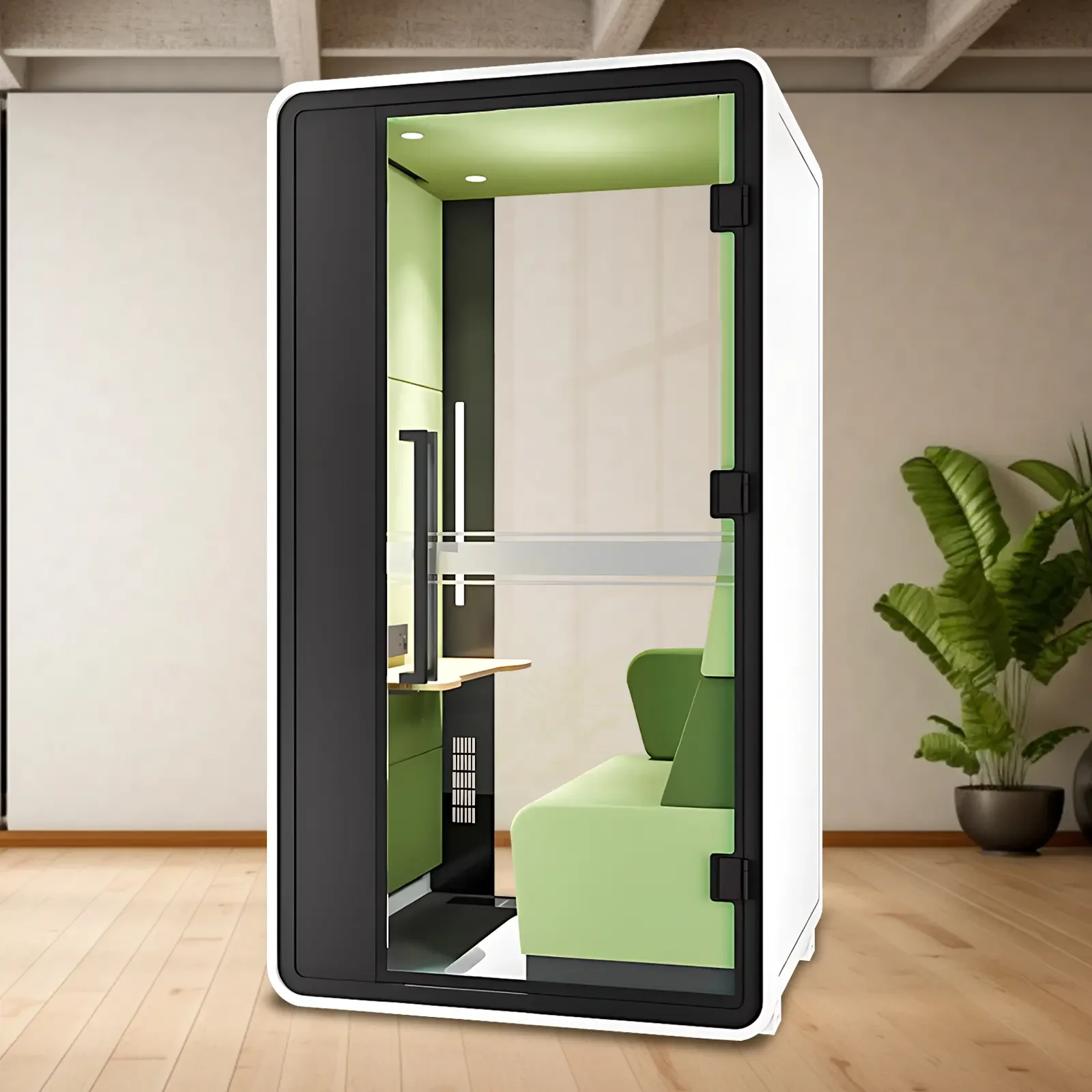


Can sound insulation cotton and sound insulation felt effectively block the sound of televisions from upstairs?
Noise pollution has become a major problem in modern urban life. Especially in apartments and high-rise buildings, the sound of televisions, music, and other noises from upstairs neighbors often disturbs our rest and daily lives. So, can soundproofing cotton and soundproofing felt effectively block out sound from upstairs? This article will explore the characteristics, effects, and selection methods of these soundproofing materials, so you won't feel helpless when facing noise problems.
I. Understanding Sound Insulation Cotton and Sound Insulation Felt
Before discussing sound insulation effects, we first need to clarify what sound insulation cotton and sound insulation felt are. Sound insulation materials not only improve the comfort of your home but also effectively reduce the impact of external noise.
1.1 Sound insulation cotton
Sound insulation cotton is generally made of materials such as polyester fiber, mineral wool, or fiberglass, and has good sound absorption properties. Its main function is to reduce sound wave reflection by absorbing sound waves, thereby reducing noise transmission. Sound insulation cotton is commonly used in walls, ceilings, and floors, and is frequently found in music rooms, home theaters, and other places that require a quiet environment.
1.2 Sound insulation felt
Sound insulation felt is a relatively airtight material, typically made of rubber, asphalt, or other synthetic materials. Compared to sound insulation cotton, sound insulation felt has a higher density, thus offering greater sound wave blocking capabilities. It is suitable for isolating low-frequency noise, such as the bass frequencies of televisions and stereos. Sound insulation felt is often applied to the surfaces of floors and walls, effectively reducing noise transmission between floors.
II. Factors Affecting Sound Insulation Effectiveness
To effectively block out the sound of your upstairs neighbor's television, besides the choice of materials, many other factors need to be considered:
2.1 Noise frequency
Different materials have varying degrees of effectiveness in isolating sound at different frequencies. Generally speaking, low-frequency sounds (such as bass) are more difficult to isolate than high-frequency sounds. Therefore, while both sound-absorbing cotton and sound-absorbing felt can be used to reduce noise, higher-density sound-absorbing felt may be more advantageous when dealing with bass.
2.2 Thickness of sound insulation material
The thickness of sound insulation material is directly proportional to its sound insulation effect. The thicker the material, the more sound it can block. Therefore, when choosing sound insulation cotton or sound insulation felt, try to choose products with greater thickness.
2.3 Installation Method
The installation method of sound insulation materials directly affects their effectiveness. Correct installation ensures better sealing and adhesion to walls or floors, reducing gaps and minimizing sound transmission. Professional installation enhances sound insulation, while haphazard or improper installation can have the opposite effect.
III. Application Scenarios of Sound Insulation Materials
Sound insulation cotton and sound insulation felt are widely used in the market. Different sound insulation materials can be selected for different scenarios to achieve the best sound insulation effect.
3.1 Home Theater
If you're a movie enthusiast looking to create a quiet home theater, soundproofing cotton is the perfect choice. It effectively absorbs sound reflections, improving sound clarity. Additionally, using soundproofing felt on the floor and walls can further block low-frequency noise from upstairs, allowing you to immerse yourself in the world of your film.
3.2 Music Room
For music rooms, sound-absorbing materials are especially important. Using high-quality sound-absorbing cotton and felt not only isolates external noise but also maintains the room's sound quality and prevents reverberation. Choosing the right sound-absorbing materials will make your music creation process smoother.
3.3 Home Office
With more and more people working from home these days, soundproofing has become especially important. To ensure focus while working, using soundproofing cotton and felt can effectively block out noise from neighbors, creating a relatively quiet working environment and achieving a work-life balance.
IV. Choosing suitable sound insulation materials
Choosing the right soundproofing materials is crucial, depending on your specific needs and budget. Here are some suggestions for selecting soundproofing materials:
4.1 Budget Assessment
The price of soundproofing materials varies considerably, so it's essential to assess your budget first. Generally, soundproofing cotton is relatively inexpensive and suitable for large-area applications, while soundproofing felt is more expensive due to its manufacturing process and materials.
4.2 Professional Advice
When purchasing soundproofing materials, try to consult with professionals to get more accurate advice. They can provide personalized solutions based on your specific living environment, noise sources, and needs.
4.3 Product Quality
When purchasing, pay attention to the product's quality and performance indicators, such as sound absorption coefficient and sound insulation coefficient. Also, refer to reviews from other users to ensure you choose a product with good value for money.
V. Summary
Sound insulation cotton and sound insulation felt are common soundproofing materials on the market, and both can block sound from upstairs to a certain extent. However, to achieve truly effective sound insulation, it is necessary to comprehensively consider multiple factors such as the type of noise, the thickness of the material, and the installation method. Choosing the appropriate material for different application scenarios and budgets is crucial to achieving satisfactory results in noise control.
In daily life, consider taking reasonable soundproofing measures from multiple angles to enjoy a quiet living environment, improve your quality of life, and give yourself a peaceful space. Hopefully, this article can help you find suitable solutions when faced with noise from upstairs TVs or music.
X-comfot, your gateway to an efficient life. We are committed to becoming your most trusted brand of soundproof pod.
E-mail: support@x-comfot.com