
 USD
USD  GBP
GBP
 EUR
EUR
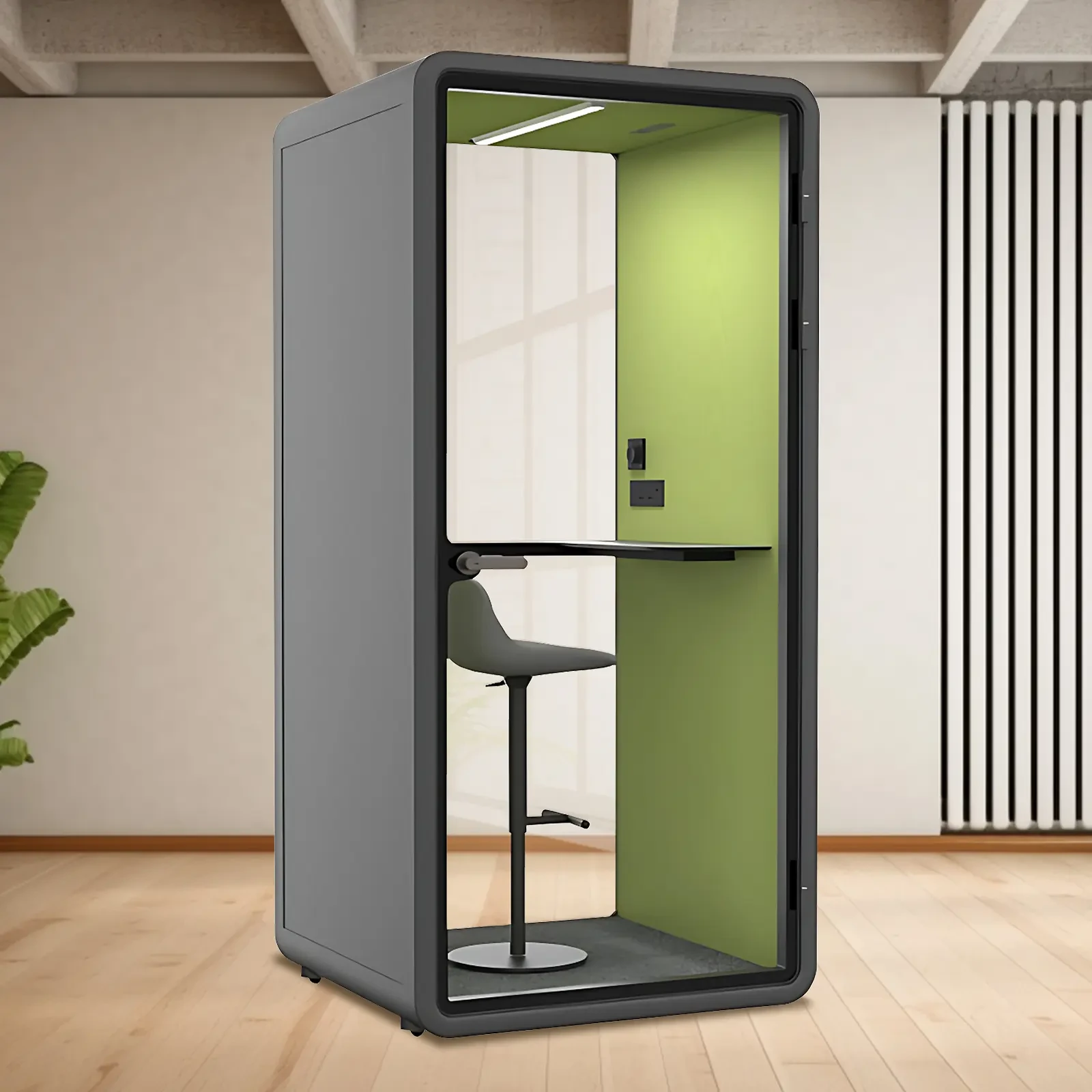
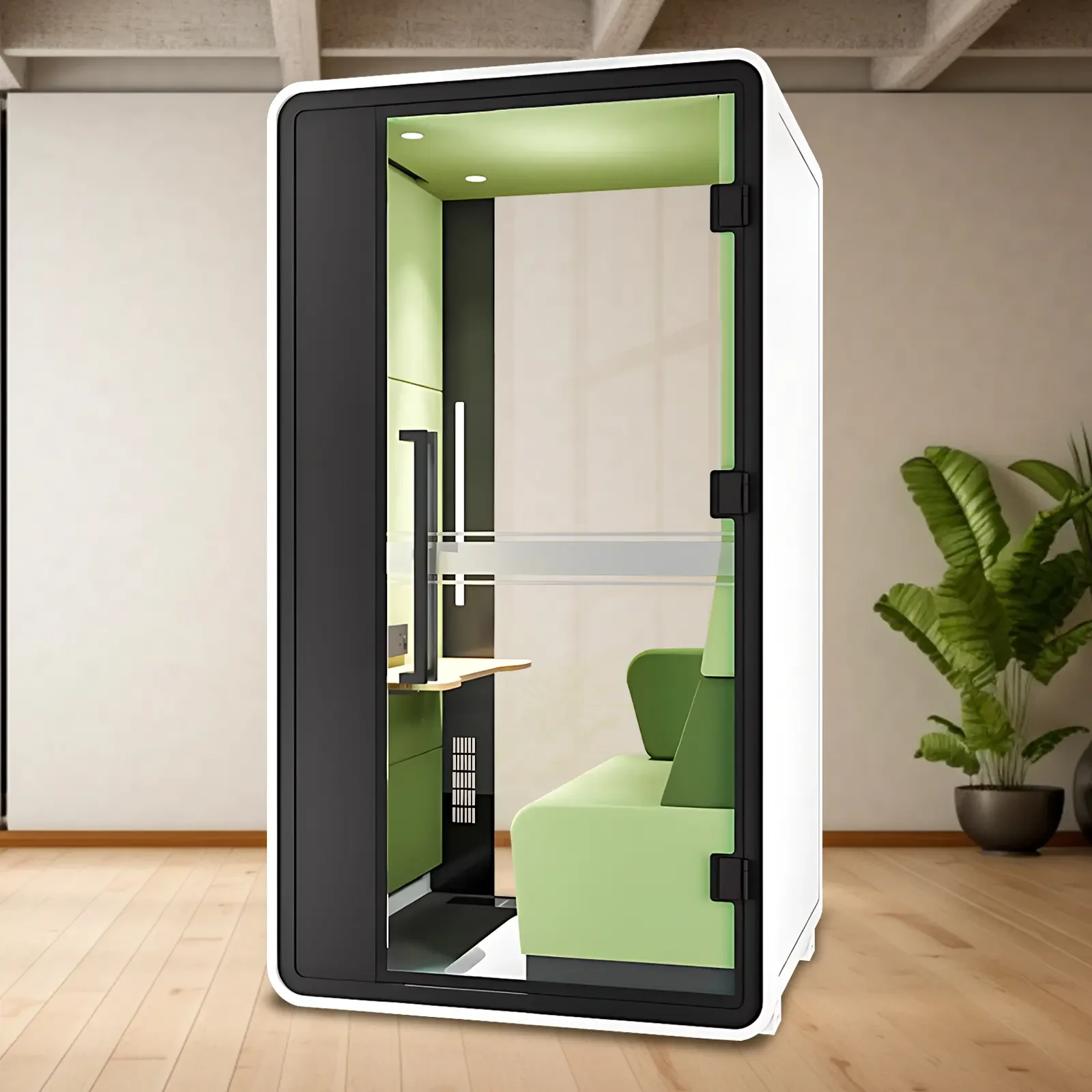
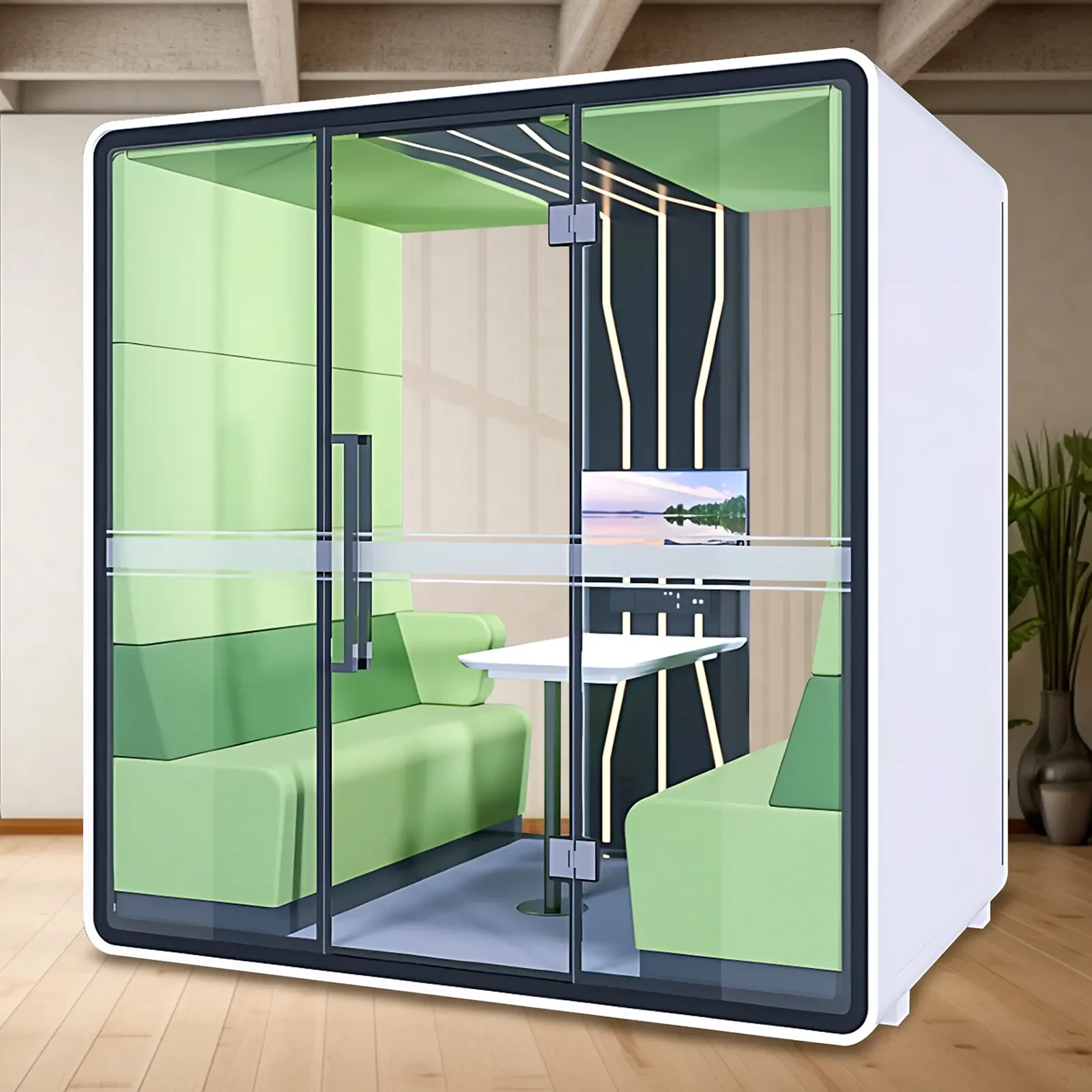
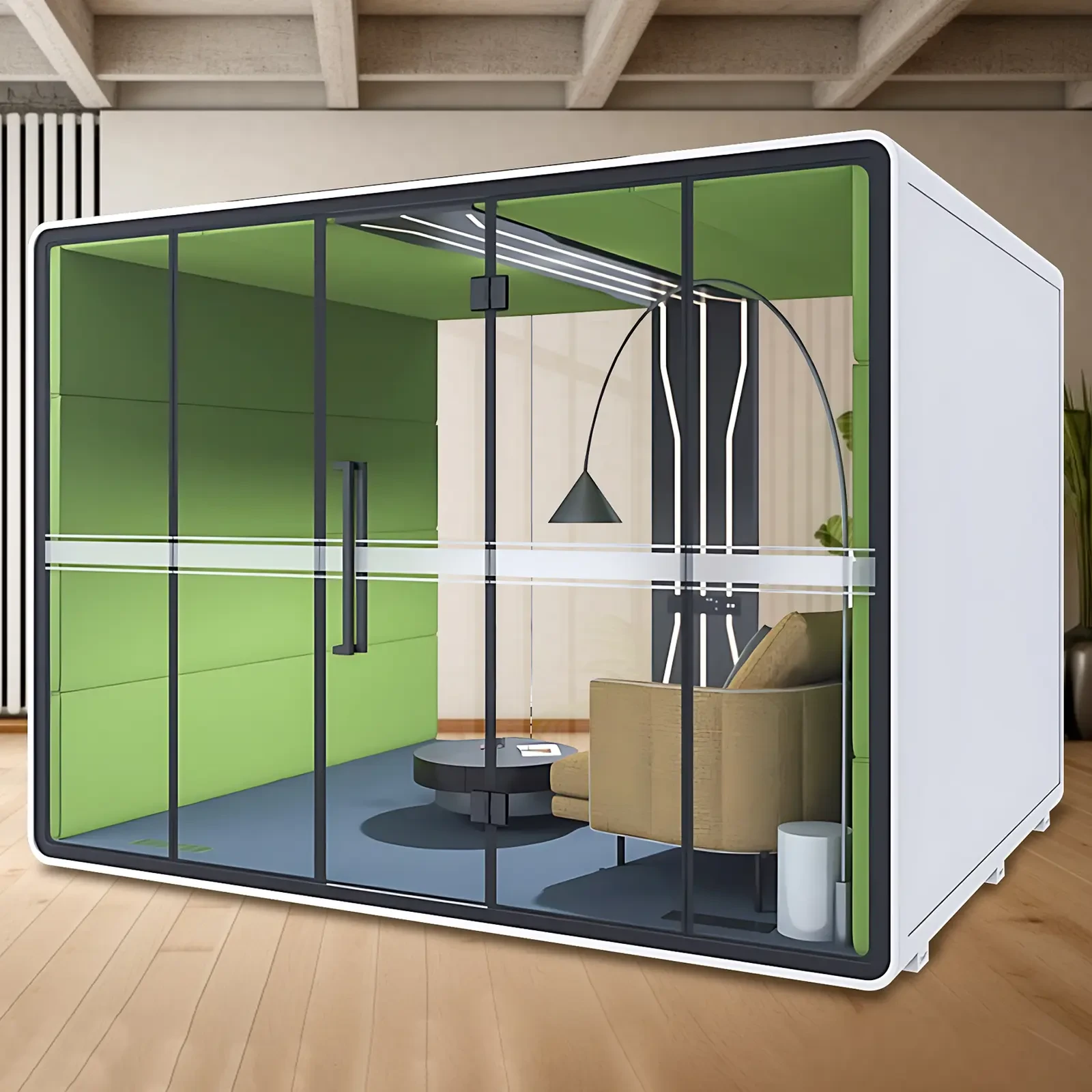
Analysis of the advantages and disadvantages of polyester fiber sound-absorbing panels
In today's society, the fast pace of urban life and increasing environmental noise have led people to pay more and more attention to indoor acoustics. As a new type of sound-absorbing material, polyester fiber sound-absorbing panels are gradually gaining popularity. So, what are the advantages of polyester fiber sound-absorbing panels? And what are their disadvantages? This article will provide a detailed analysis of the truth about polyester fiber sound-absorbing panels, helping you to better understand this acoustic material.
I. Basic Overview of Polyester Fiber Sound Absorbing Panels
Polyester fiber sound-absorbing panels are mainly made of polyester fibers through a special process. This material has excellent sound absorption properties and is widely used in conference rooms, concert halls, cinemas, home theaters, and other places. In addition to its sound absorption effect, polyester fiber materials also have fire-resistant, wear-resistant, and aging-resistant properties, making them an indispensable part of modern interior decoration.
II. Advantages of Polyester Fiber Sound Absorbing Panels
1. Excellent acoustic performance
One of the key features of polyester fiber acoustic panels is their superior acoustic performance. Whether in the high or low frequency range, polyester fiber acoustic panels effectively absorb sound waves, reducing echoes and noise propagation. With proper installation and arrangement, polyester fiber acoustic panels can create an ideal acoustic environment, enhancing the indoor sound quality experience.
2. Green and environmentally friendly
Polyester fiber acoustic panels are made from recyclable polyester fibers that do not contain harmful substances, making them widely recognized for their environmental friendliness. Compared to traditional sound-absorbing materials, polyester fiber acoustic panels cause less environmental pollution during production and use, making them suitable for various locations, especially public places with high air quality requirements.
3. Easy installation
The installation process of polyester fiber sound-absorbing panels is relatively simple, and they can be flexibly cut to fit different wall or ceiling sizes according to actual needs. This convenient installation method greatly reduces construction time and costs. At the same time, polyester fiber sound-absorbing panels are generally lightweight and will not put excessive strain on the building structure, making them ideal for use in homes and offices.
4. Good aesthetics
Polyester fiber acoustic panels also offer significant advantages in terms of design. A variety of colors and textures are available on the market, allowing users to match them to their interior design style and further enhance the overall aesthetics of the space. Whether it's a modern minimalist, industrial, or Scandinavian style, polyester fiber acoustic panels can blend in perfectly.
5. High durability
Polyester fiber acoustic panels possess excellent weather resistance and abrasion resistance, are not easily deformed, faded, or cracked, and can be used unaffected by varying temperature and humidity environments. This durable characteristic makes polyester fiber acoustic panels a cost-effective long-term investment.
III. Disadvantages of Polyester Fiber Sound Absorbing Panels
1. Highly absorbent
Polyester fiber acoustic panels exhibit excellent sound absorption capabilities, but they are also highly absorbent. In humid environments, polyester fiber acoustic panels will absorb moisture, leading to a decline in performance or the development of unpleasant odors. Therefore, in humid areas, moisture-proofing measures should be considered when using polyester fiber acoustic panels.
2. Not suitable for extreme environments.
Although polyester fiber acoustic panels have good weather resistance, they may age and deform under extreme environments (such as high temperature and high humidity). Therefore, careful selection is required for use in special environments to ensure that their performance is not affected.
3. Restricted Application
Polyester fiber acoustic panels may have limitations in certain applications. For example, in professional environments requiring high fire resistance or extremely high acoustic requirements, polyester fiber acoustic panels may need to be used in combination with other sound-absorbing materials to achieve the best results.
4. Price Factors
While polyester fiber sound-absorbing panels offer good value for money, cost may still be a consideration for users with limited budgets. Therefore, users need to make a reasonable choice based on their own financial capabilities and usage needs when purchasing.
5. Maintenance and Cleaning
Polyester fiber sound-absorbing panels tend to accumulate dust on their surface after prolonged use. If not cleaned regularly, this can affect their appearance and sound absorption performance. While maintenance isn't complicated, the loss of original performance can be frustrating for some users.
IV. Application Examples of Polyester Fiber Sound Absorbing Panels
1. Meeting Room
In conference rooms, the application of polyester fiber sound-absorbing panels can effectively reduce background noise during meetings, improving speech clarity and discussion efficiency. By choosing appropriate colors and designs, the overall atmosphere of the conference room can also be enhanced.
2. Concert Hall
Concert halls are among the most acoustically sensitive venues, and polyester fiber acoustic panels can absorb excess reflected sound, improving the sound quality of the music. Designers often utilize the flexibility of polyester fiber acoustic panels to create performance spaces that are both artistic and practical.
3. Home Theater
For home theater enthusiasts, polyester fiber acoustic panels are an indispensable interior design material. They reduce echoes in home theaters, creating a more immersive audiovisual experience and enhancing the viewing experience.
V. Summary
Polyester fiber acoustic panels have become a popular choice in modern acoustic design due to their excellent sound absorption performance, environmental friendliness, aesthetics, and durability. However, they also have drawbacks such as high water absorption and limited application. Therefore, when selecting and using polyester fiber acoustic panels, users should consider their own specific circumstances and weigh the advantages and disadvantages to create an ideal acoustic environment.
This article aims to provide you with a more comprehensive understanding of polyester fiber acoustic panels. In today's ever-evolving acoustic design landscape, mastering the properties of relevant materials will help you better plan your space and design your interiors, ultimately achieving your ideal living and working environment.
X-comfot, your gateway to an efficient life. We are committed to becoming your most trusted brand of soundproof pod.
E-mail: support@x-comfot.com