
 USD
USD  GBP
GBP
 EUR
EUR
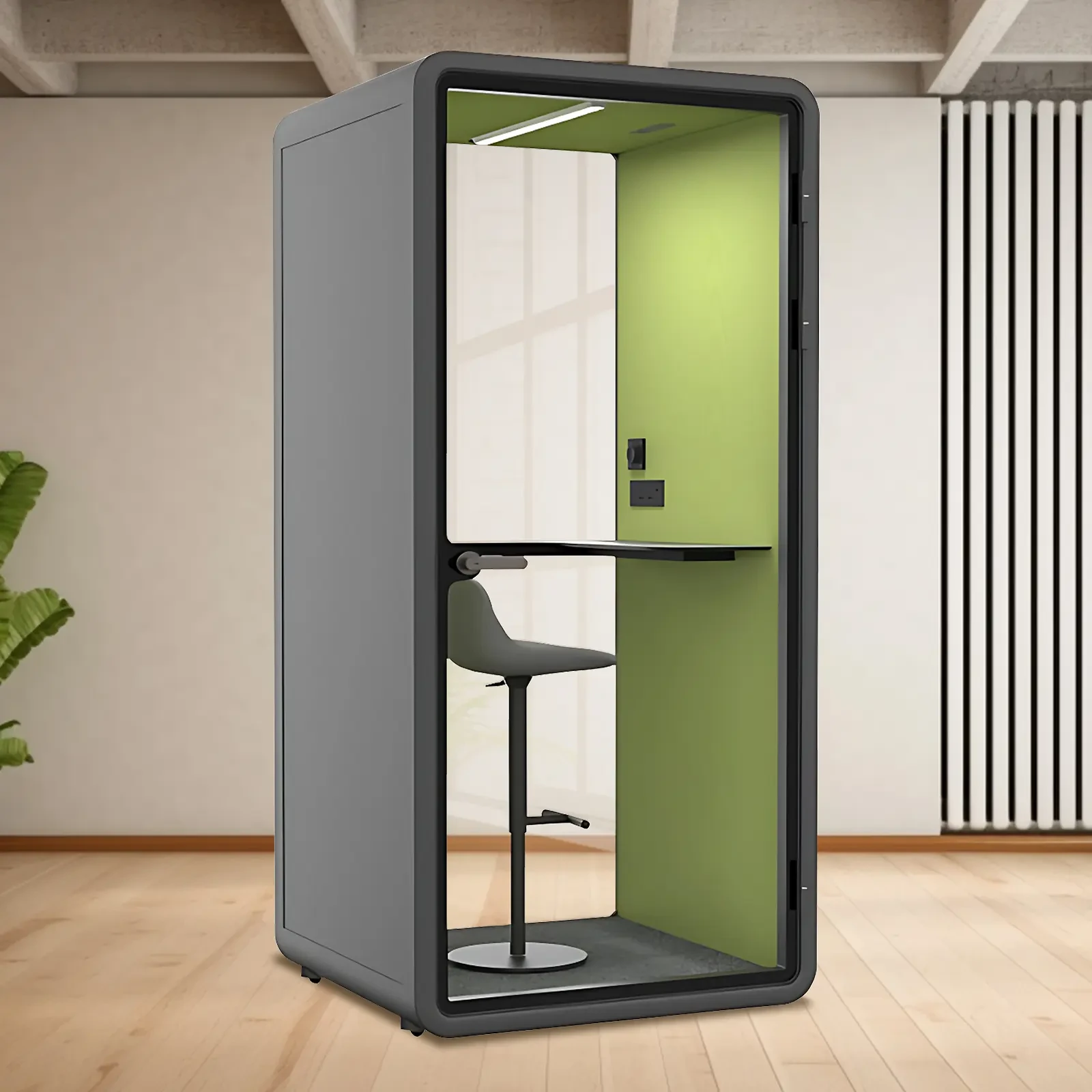
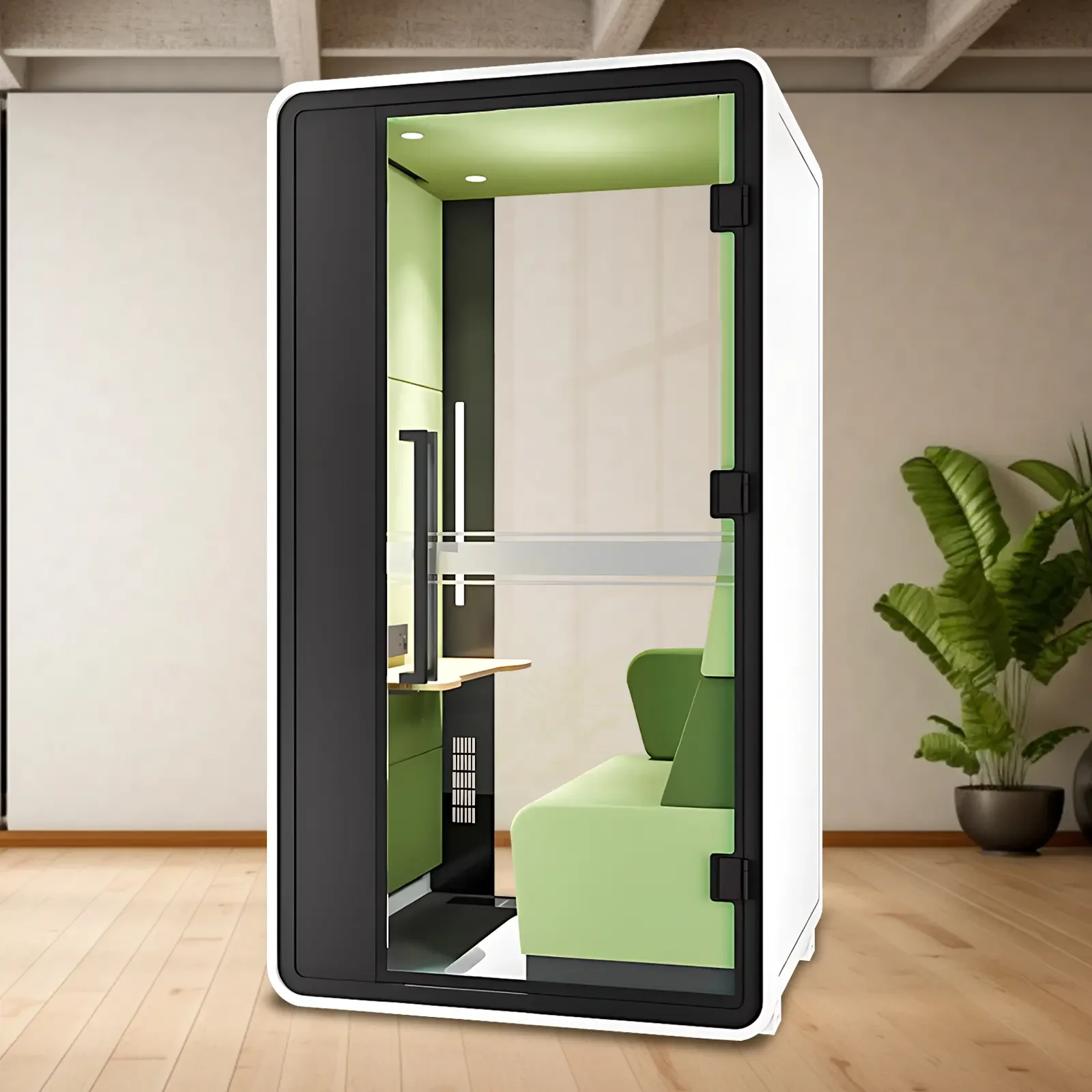
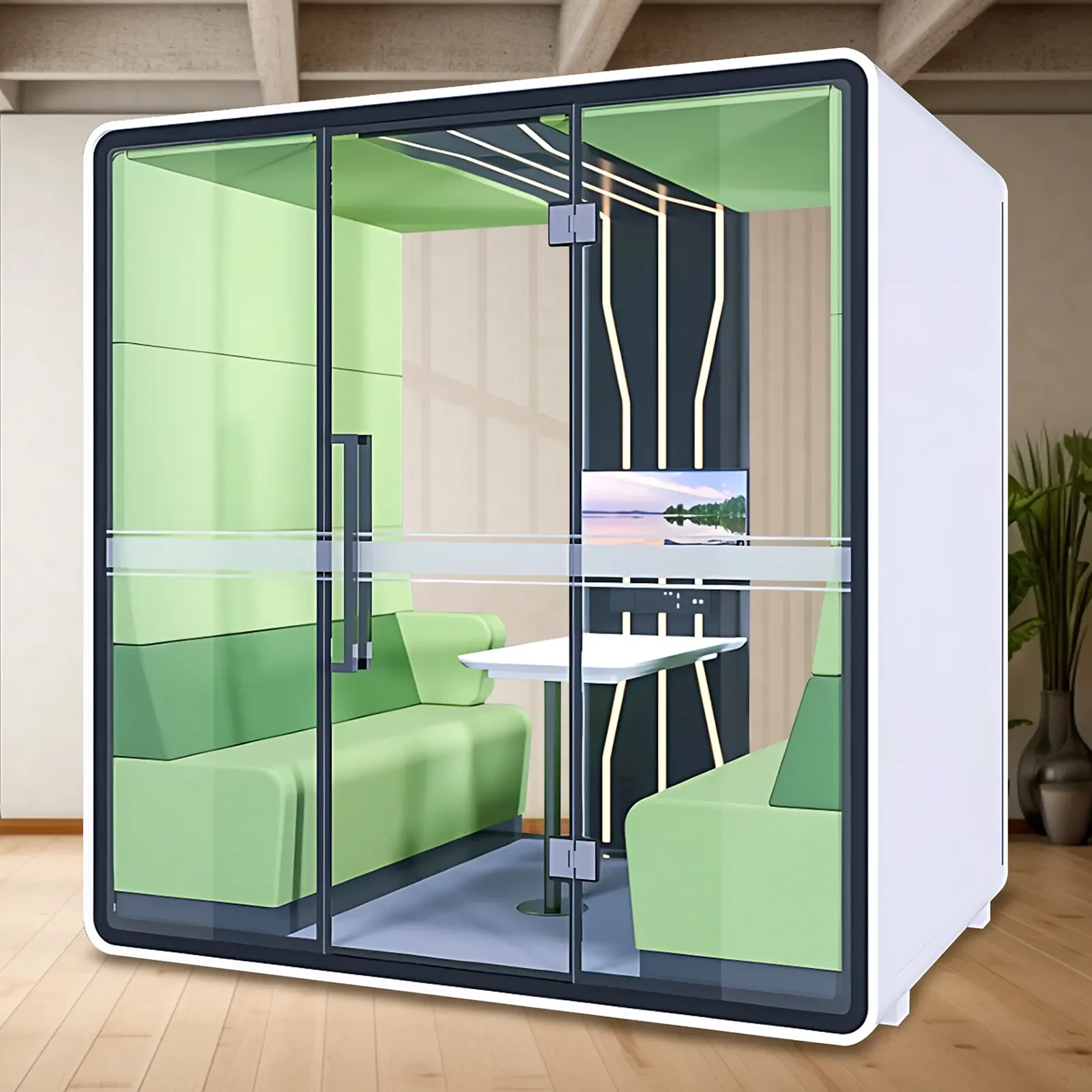
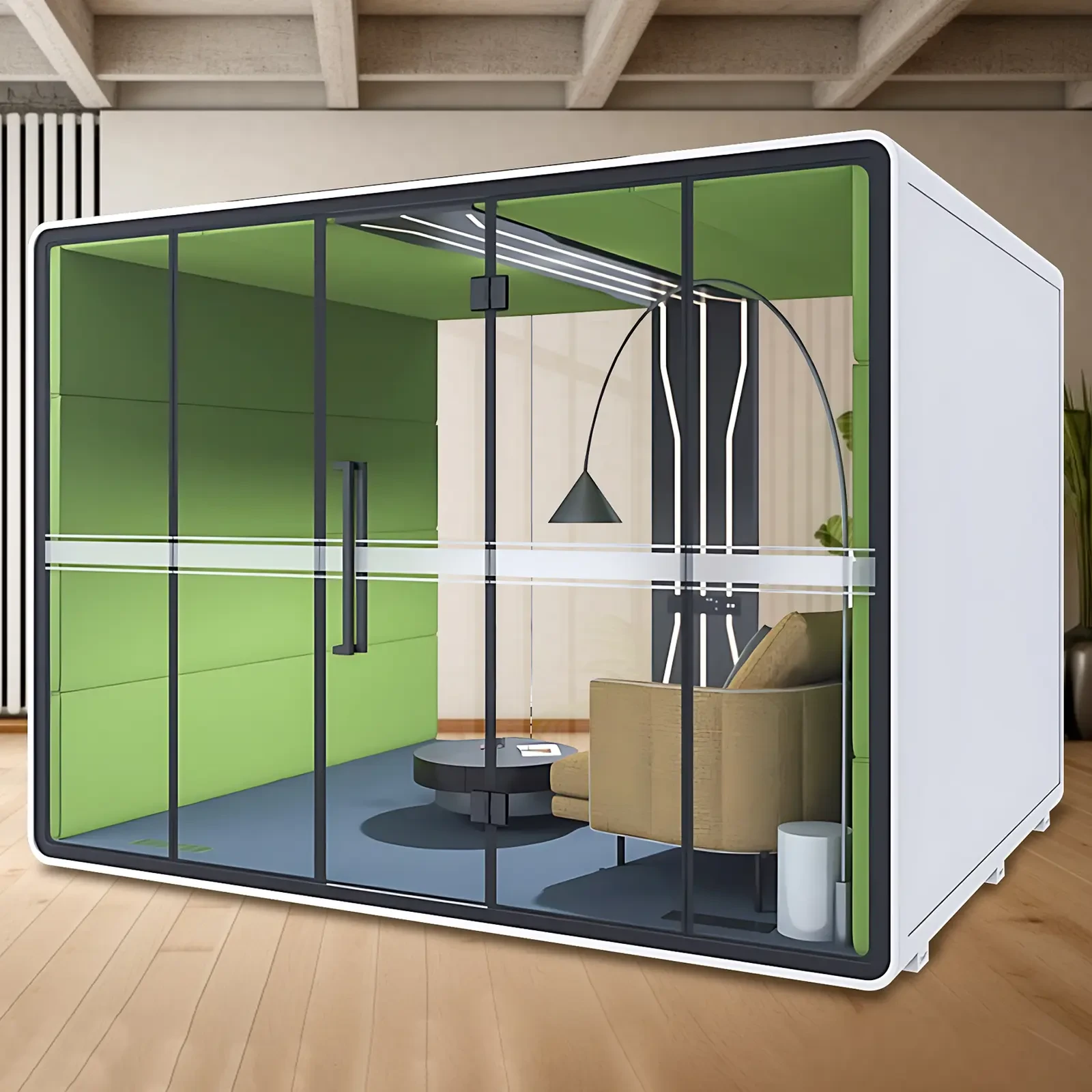
Cost-effectiveness comparison between wall sound-absorbing cotton and plywood
Sound insulation is increasingly important in modern homes and commercial spaces. Especially in urban life, surrounding noise can significantly impact our quality of life and work. Therefore, improving the sound insulation of a space has become a popular trend. The combination of wall sound-absorbing cotton and plywood is widely used in soundproofing designs. This article will comprehensively discuss the sound insulation effects, application scenarios, and purchase and installation considerations for wall sound-absorbing cotton combined with plywood.
I. Functions and characteristics of wall sound-absorbing cotton
Wall sound-absorbing cotton is mainly made of porous materials, which can effectively absorb sound waves and reduce the reflection of noise such as music and conversation in the room. The core principle of sound-absorbing cotton is "energy loss of sound waves". When sound waves hit the sound-absorbing material, some of the energy is absorbed by the sound-absorbing cotton and converted into heat energy, thereby reducing the propagation of noise.
Currently, common sound-absorbing materials on the market include polyester fiber, fiberglass, and polyurethane. These materials exhibit different performance within the sound wave frequency range:
- Polyester fiber: Environmentally friendly and with good sound absorption properties, mainly used in homes and offices.
- Fiberglass: Suitable for industrial environments, with good flame retardancy, but may pose some health risks.
- Polyurethane: Lightweight and flexible, widely used in sound insulation design in various types of buildings.
The effectiveness of sound-absorbing cotton varies depending on its thickness and density. Generally, the greater the thickness and the higher the density, the more pronounced the sound absorption effect. The random arrangement and breathability of sound-absorbing cotton make it effective in reducing mid-to-high frequency noise.
II. Sound Insulation Properties of Plywood
Plywood is commonly used in interior decoration. It is not only aesthetically pleasing but also has a certain degree of sound insulation. In particular, materials such as multi-layer boards and plywood can effectively block low-frequency noise due to their sturdy structure and density.
2.1 Material of plywood
Different types of plywood have different sound insulation properties, for example:
- Plywood: It has a stable structure and is suitable for large-area use, but it is relatively heavy.
- Particleboard: Lightweight, suitable for small furniture and wall applications, but its sound insulation is relatively weak.
2.2 Sound insulation effect
The thickness, density, and surface treatment of the plywood itself all affect its sound insulation performance. Generally speaking, plywood with a thickness of 18mm or more can effectively block most low-frequency noise, but the effect will be even better if it is used in combination with sound-absorbing cotton.
III. Combination of wall sound-absorbing cotton and plywood
In practical applications, many designers combine wall sound-absorbing cotton with plywood to achieve the best sound insulation effect. This combination not only enhances the aesthetics of the space but also improves the overall acoustic environment.
3.1 Combination Methods
The walls can be first covered with sound-absorbing cotton, and then covered with plywood. This combination can effectively improve sound insulation. The sound-absorbing cotton is responsible for absorbing mid-to-high frequency noise, while the plywood reduces the transmission of low-frequency noise.
3.2 Overall Effect
According to research, using sound-absorbing cotton alone reduces sound insulation by approximately 10-15 decibels, but when combined with plywood, the overall sound insulation effect can reach over 20 decibels. This represents a significant improvement for spaces such as home theaters, music rooms, and conference rooms.
IV. Applicable Scenarios
This combination of sound insulation materials is suitable for a wide range of scenarios:
4.1 Home/Home
- Bedroom: Reduce outside noise to make it quieter.
- Living room: Reduce noise interference and improve living comfort.
- Children's room: Protect children's hearing and provide a good environment for growth.
4.2 Commercial premises
- Office: Provide employees with a quiet working environment to improve work efficiency.
- Meeting Rooms: Ensuring privacy and focus during meetings.
- Music room/recording studio: Control sound waves to achieve the best recording results.
V. Precautions for Purchase and Installation
5.1 Material Selection
When choosing wall sound-absorbing cotton, pay attention to the following points:
- Environmental friendliness: Choose non-toxic and harmless materials as much as possible, such as polyester fiber.
- Density and thickness: Select the appropriate specifications according to actual needs.
- Brand reputation: Products from well-known brands are relatively more reliable.
5.2 Installation Method
- Professional installation: It is recommended to have the installation done by a professional to ensure the best results.
- Self-installation: If you are installing it yourself, be sure to seal it properly to prevent air leakage.
5.3 Maintenance and Cleaning
Regularly check the condition of the sound-absorbing cotton and plywood, and clean or replace them promptly if they are found to be dirty, to ensure that the sound insulation effect lasts.
in conclusion
The combination of wall sound-absorbing cotton and plywood provides an efficient soundproofing solution for modern homes and commercial environments. Through proper design and selection, it can significantly improve sound insulation and enhance comfort for both living and working. As living standards continue to improve, the demand for soundproofing will only increase. Understanding and effectively utilizing these materials is undoubtedly a powerful tool for improving the quality of your space.
X-comfot, your gateway to an efficient life. We are committed to becoming your most trusted brand of soundproof pod.
E-mail: support@x-comfot.com