
 USD
USD  GBP
GBP
 EUR
EUR
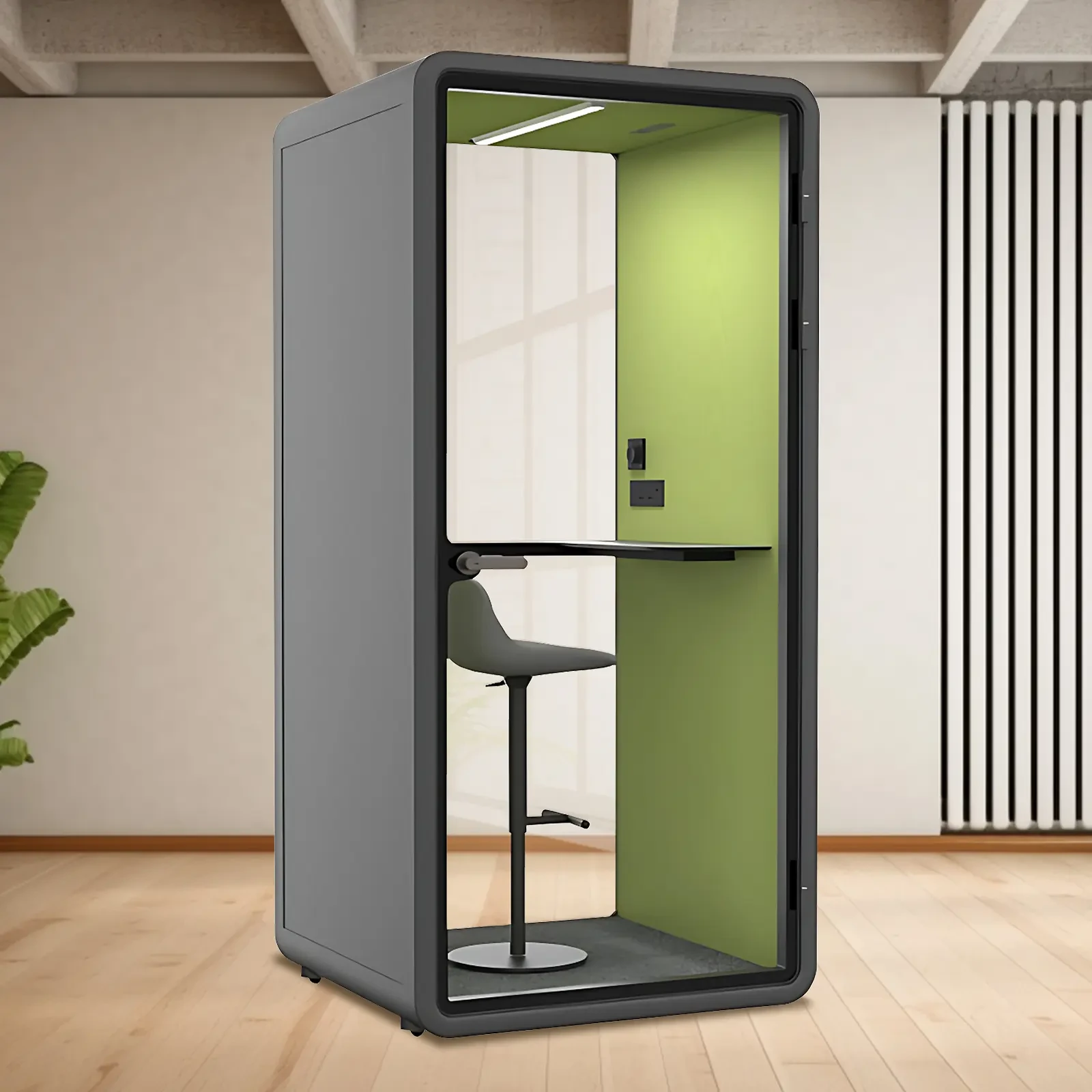
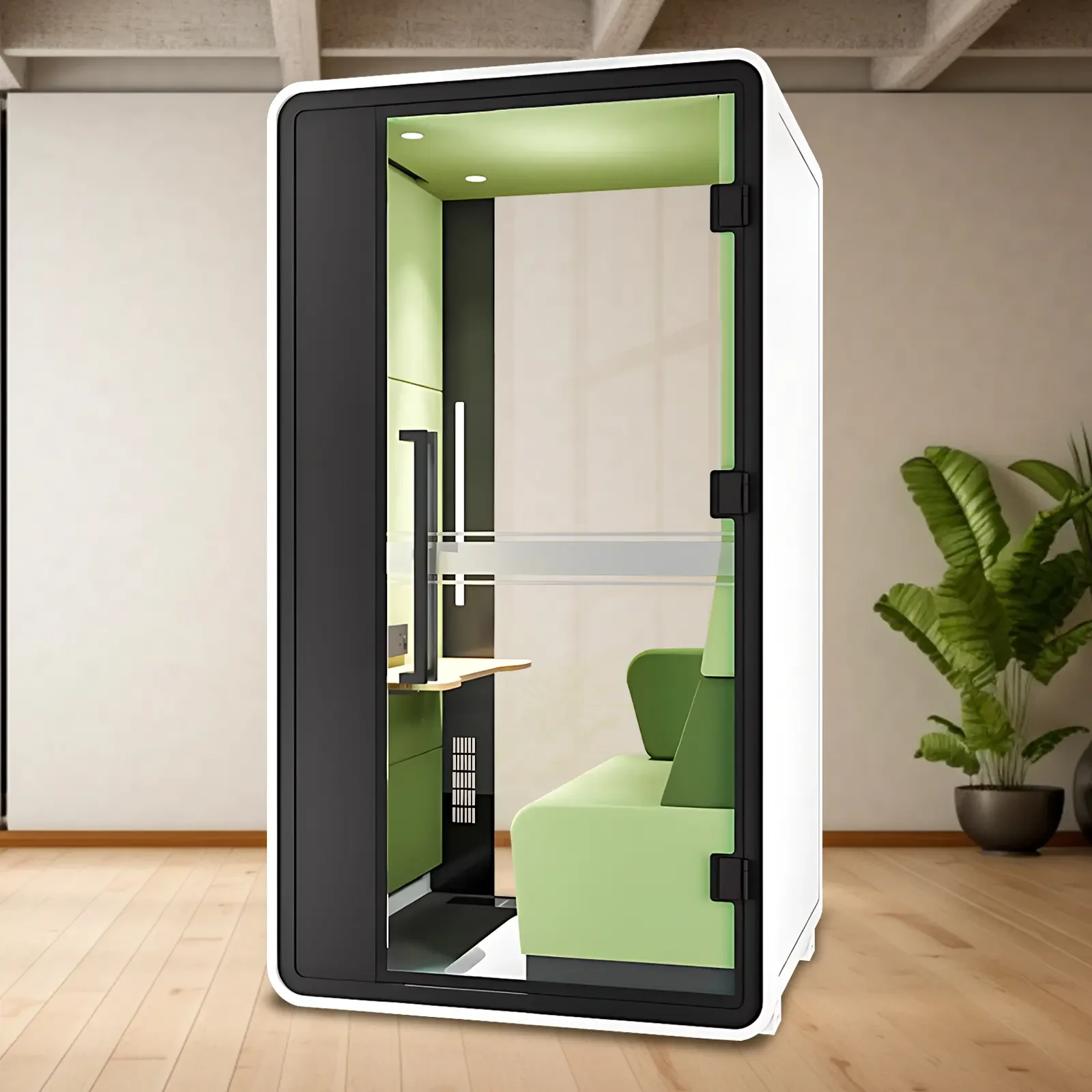
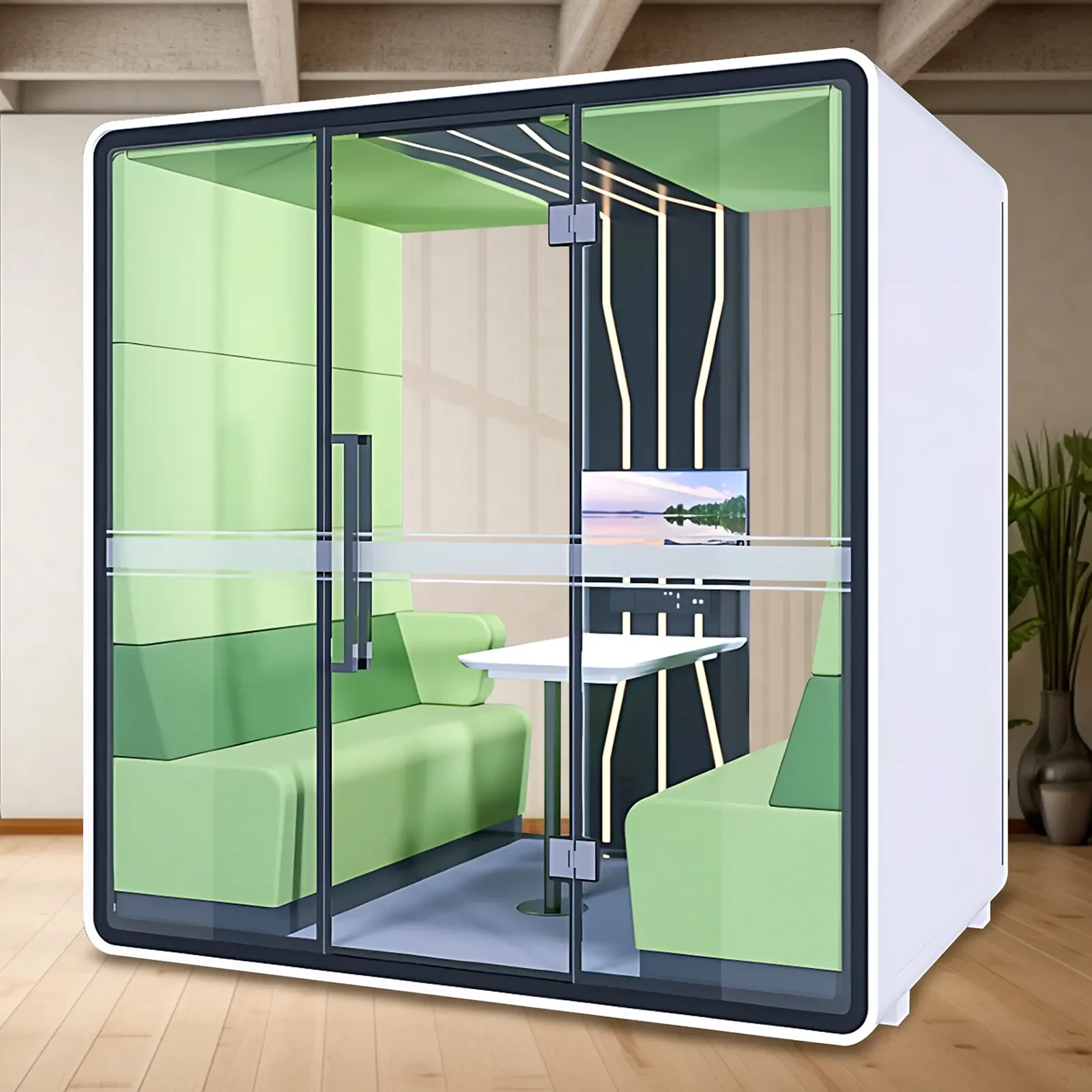
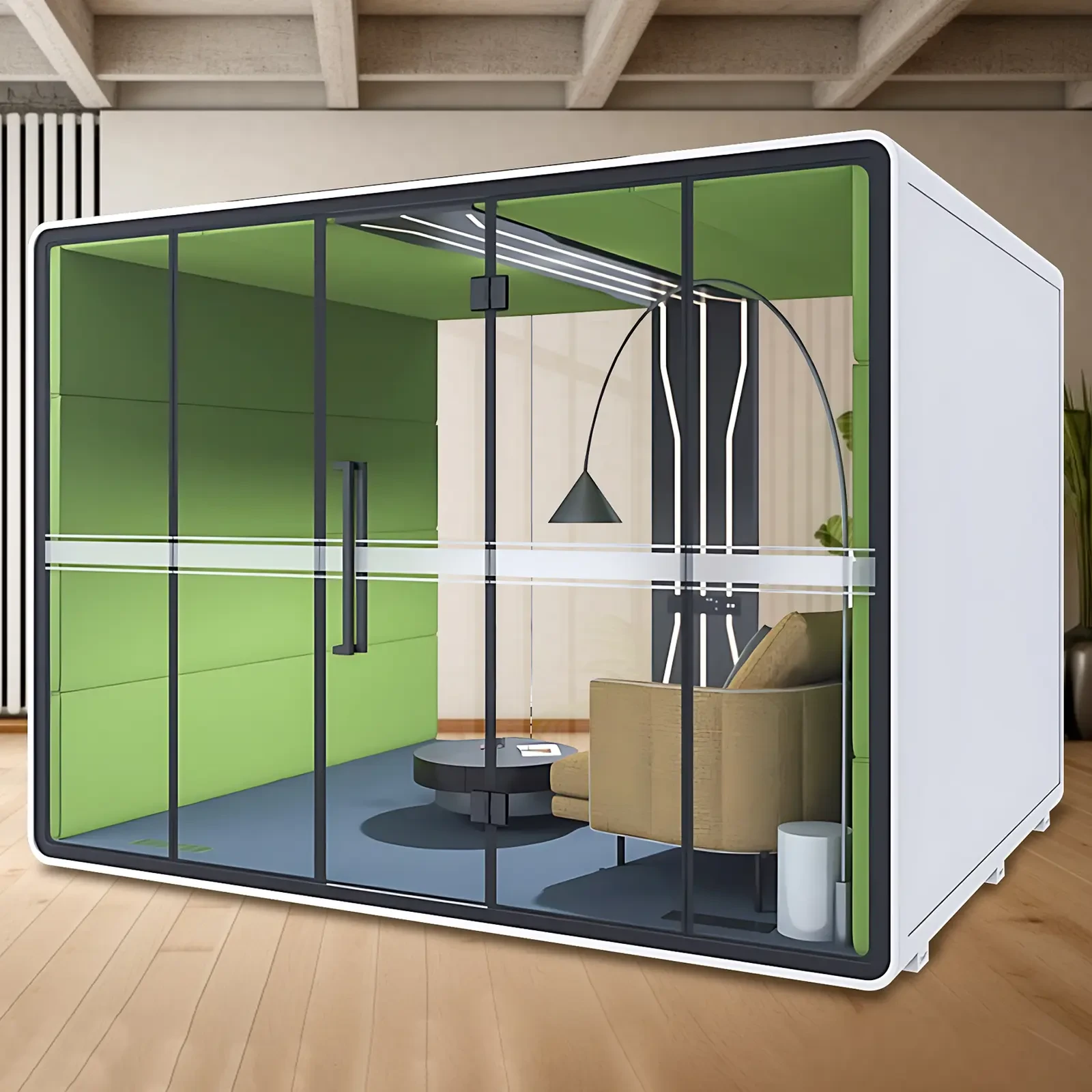
How to effectively isolate noise from houses located near the road?
Owning a house near a main road offers convenience, but noise pollution can be a major nuisance. Traffic noise is unavoidable in city life, especially near busy streets where the roar of cars, motorcycles, and buses often disrupts the tranquility of our daily lives. So, how can we make our living environment quieter and more comfortable? This article will provide you with several practical and effective soundproofing solutions to help you achieve your ideal home environment.
1. Understand the source of the noise
Before choosing soundproofing measures, it's essential to understand the sources and propagation methods of noise. Generally, noise from near roads originates from the following sources:
- Airborne transmission: The sound produced by a vehicle while it is in motion travels through the air, making us feel noisy.
- Structural propagation: Noise is transmitted into the room through structures such as the ground and walls.
- Vibration propagation: When heavy vehicles such as trucks pass by, the vibrations they generate can also be transmitted to the house through the ground.
Once we understand the source of the noise, we can make targeted improvements.
2. Choose suitable sound insulation materials
Effective sound insulation materials can significantly reduce the intrusion of external noise. Common sound insulation materials include:
- Soundproof windows: Double or triple-glazed windows can significantly reduce the intrusion of external noise. Vacuum-insulated windows, especially those with an air-filled middle layer, offer even more effective sound insulation.
- Soundproof door: Choose a soundproof door with good sealing performance to effectively block noise from entering.
- Wall sound insulation: Adding a sound insulation layer to the wall using sound insulation boards, gypsum board, or other additives can effectively reduce noise transmission.
- Ground sound insulation: Choose carpets or polyurethane soundproof mats, which can significantly reduce noise when laid on the ground.
3. Increase the greenery around the house.
Greenery is also an effective soundproofing measure. Plants can absorb sound and reduce the intensity of noise transmission. If your house has a yard or balcony, consider planting some tall plants, such as shrubs and trees. Their leaves and branches can effectively block some noise and provide a degree of privacy.
- Choose suitable plants: Select plants that grow densely and have large leaves, such as ivy and bamboo. These plants are not only aesthetically pleasing but also effectively reduce noise.
- Planting strategy: Plant tall plants near the road, and set up low flower beds in the courtyard to form a sound barrier, thereby achieving a better noise blocking effect.
4. Install sound barriers
To further reduce noise pollution, sound barriers can be constructed near the road. Common types of sound barriers include:
- Fence: Raise the existing fence, or build a soundproof wall with concrete or brick. The thick wall can effectively block the spread of noise.
- Soundproofing panels: These panels are designed to create a barrier that specifically reflects and absorbs sound, reducing its propagation.
When choosing barrier materials, you can choose materials with high density and moderate thickness to effectively block noise.
5. Pay attention to the airtightness of windows and doors.
Many home noise leaks occur through gaps in windows and doors. Therefore, it's important to check and improve the sealing of windows and doors. The following methods can be used:
- Sealing strips: Applying sealing strips to the edges of windows and doors reduces airflow, which not only provides sound insulation but also helps to save energy and maintain heat.
- External curtains: Using heavy external curtains or soundproof curtains can further improve the sound insulation of windows.
6. Optimize interior layout
The interior layout of a house can also affect the perception of noise. Properly adjusting the interior configuration of a room can effectively reduce noise sensitivity.
- Keep away from noise sources: Try to set up quiet spaces such as bedrooms and studies away from the road, while setting up living rooms or public areas closer to the road.
- Add soft furnishings: Use soft furniture and decorations, such as sofas, carpets, curtains, etc. These items are not only beautiful, but also absorb sound, reduce indoor echoes, and make the environment more comfortable.
7. Adjusting the listening equipment
In residential environments near roads, when using audio systems or equipment, you can choose to slightly increase the volume to mask external noise. However, please be mindful of the decibel level to ensure you don't disturb your neighbors.
- Choosing a sound system: Select a suitable sound system and adjust it to the best sound field so that you can enjoy music without disturbing your neighbors.
- Pay attention to the audio source: Try to choose a high-quality audio source and avoid using excessively high volume to mask external noise.
8. Lifestyle adjustments
In addition to the technical solutions mentioned above, lifestyle adjustments can also significantly improve the quietness of the home. For example:
- Timing: Avoid activities that require concentration, such as work and study, during peak traffic hours.
- Lifestyle habits: Develop a habit of living quietly and reduce unnecessary noise. For example, avoid using high-volume devices at night.
Summarize
Houses near roads don't necessarily mean you can't enjoy a peaceful life. By choosing suitable soundproofing materials and equipment, adding greenery, and optimizing the layout, it's entirely possible to create a comfortable living space. Life is tough; only in a quiet and comfortable environment can we better enjoy its pleasures. Hopefully, the above suggestions can help you solve noise problems and improve your quality of life.
X-comfot, your gateway to an efficient life. We are committed to becoming your most trusted brand of soundproof pod.
E-mail: support@x-comfot.com