
 USD
USD  GBP
GBP
 EUR
EUR



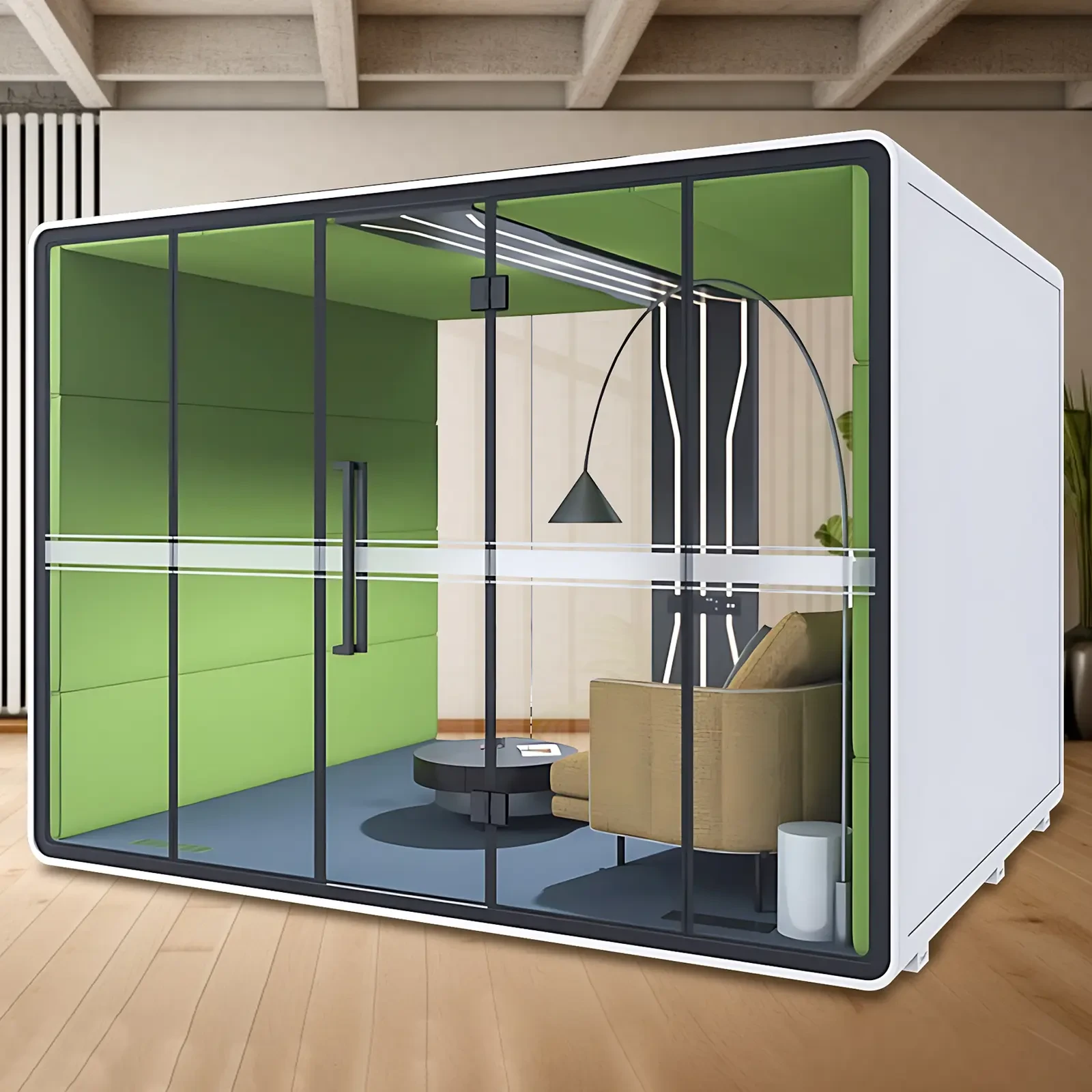
How to choose the right sound insulation cotton? E-Pai Sound Insulation provides the answer.
I. Define needs and act accordingly
First, clarifying your soundproofing needs is the first step in choosing soundproofing material. Is it to isolate outdoor noise and improve home comfort? Or is it to optimize the work environment and reduce internal sound interference? Or is it for specific acoustic designs, such as recording studios or home theaters? Different needs correspond to different performance requirements for soundproofing material. For example, for high-requirement recording studios, it may be necessary to choose soundproofing material with higher density and stronger sound absorption performance; while for general home use, cost-effectiveness and ease of installation are more important.
II. Material Considerations, Quality First
The material of sound insulation cotton directly determines its sound insulation effect and service life. Common sound insulation cotton materials include polyester fiber, fiberglass, and mineral wool. Polyester fiber sound insulation cotton is widely popular due to its environmental friendliness, flame retardancy, and ease of cutting; fiberglass sound insulation cotton is known for its excellent sound insulation performance and weather resistance, but care should be taken to take protective measures during construction to avoid direct skin contact; mineral wool sound insulation cotton has good sound absorption properties and is suitable for places with certain sound quality requirements. When choosing, the advantages and disadvantages of each material should be considered comprehensively based on actual needs and personal preferences.
III. Performance parameters should not be ignored.
The performance parameters of sound insulation cotton are important criteria for evaluating its quality. These mainly include the sound insulation coefficient (STC), sound absorption coefficient (NRC), density, thickness, and fire resistance rating. The sound insulation coefficient reflects the material's ability to isolate airborne sound; a higher value indicates better sound insulation. The sound absorption coefficient measures the material's ability to absorb sound, and is particularly important for locations where reverberation time needs to be controlled. Furthermore, density and thickness directly affect the sound insulation effect; generally, denser and thicker sound insulation cotton provides better sound insulation. Simultaneously, pay attention to the fire resistance rating of the sound insulation cotton to ensure safe use.
IV. Brand reputation, trustworthy.
V. Easy and convenient installation, saving you time and effort.
Conclusion
You May Also Like
X-comfot, your gateway to an efficient life. We are committed to becoming your most trusted brand of soundproof pod.
E-mail: support@x-comfot.com