
 USD
USD GBP
GBP
 EUR
EUR
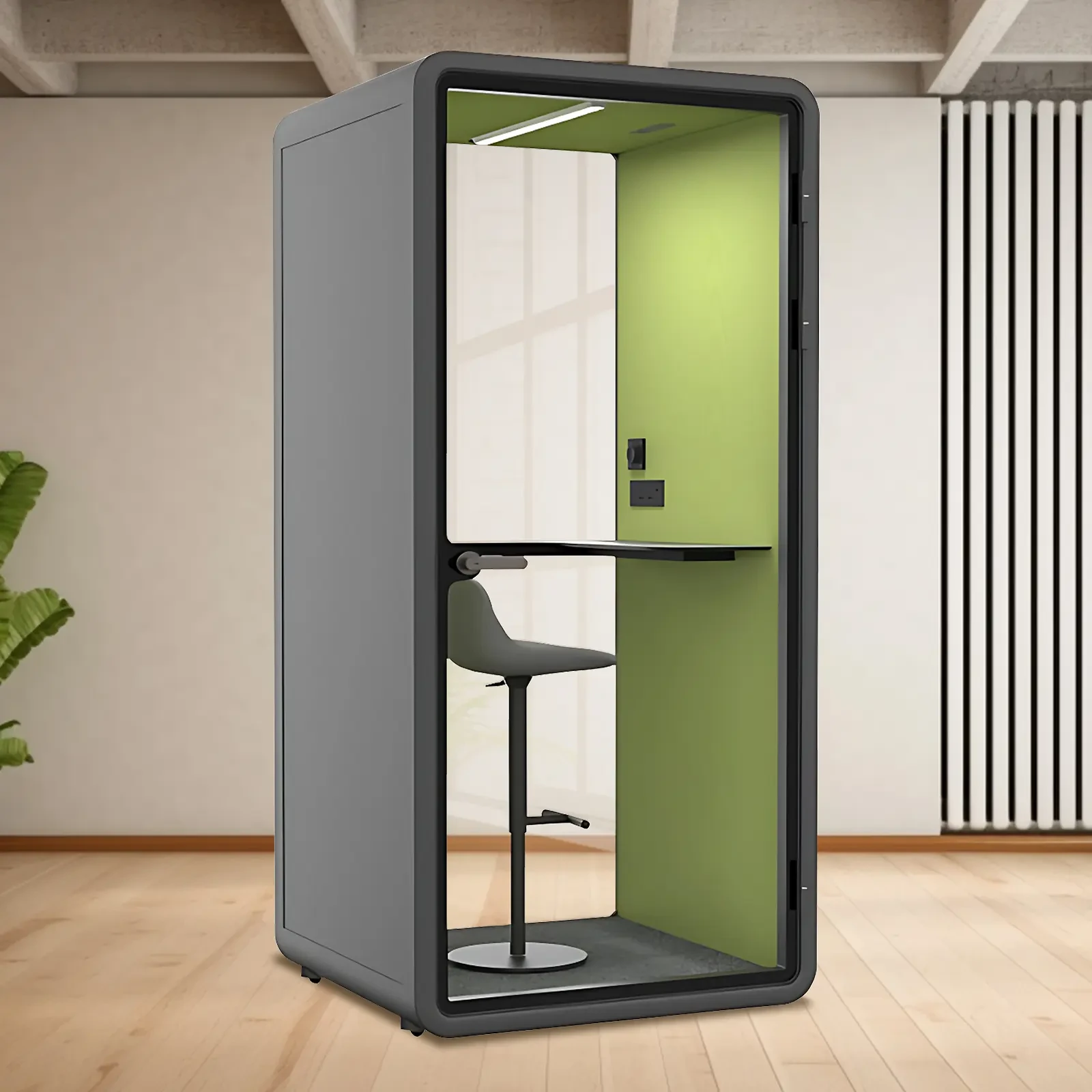
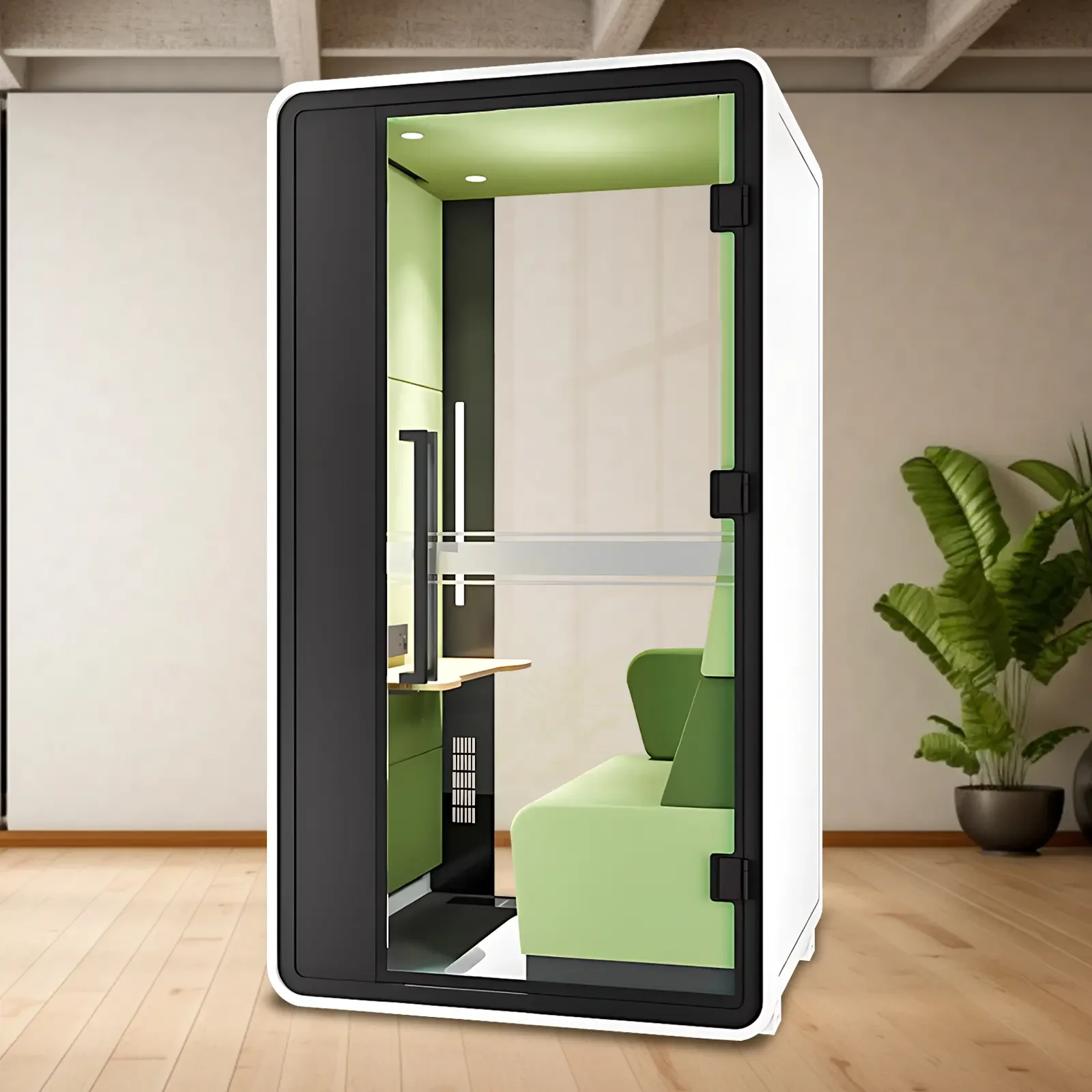
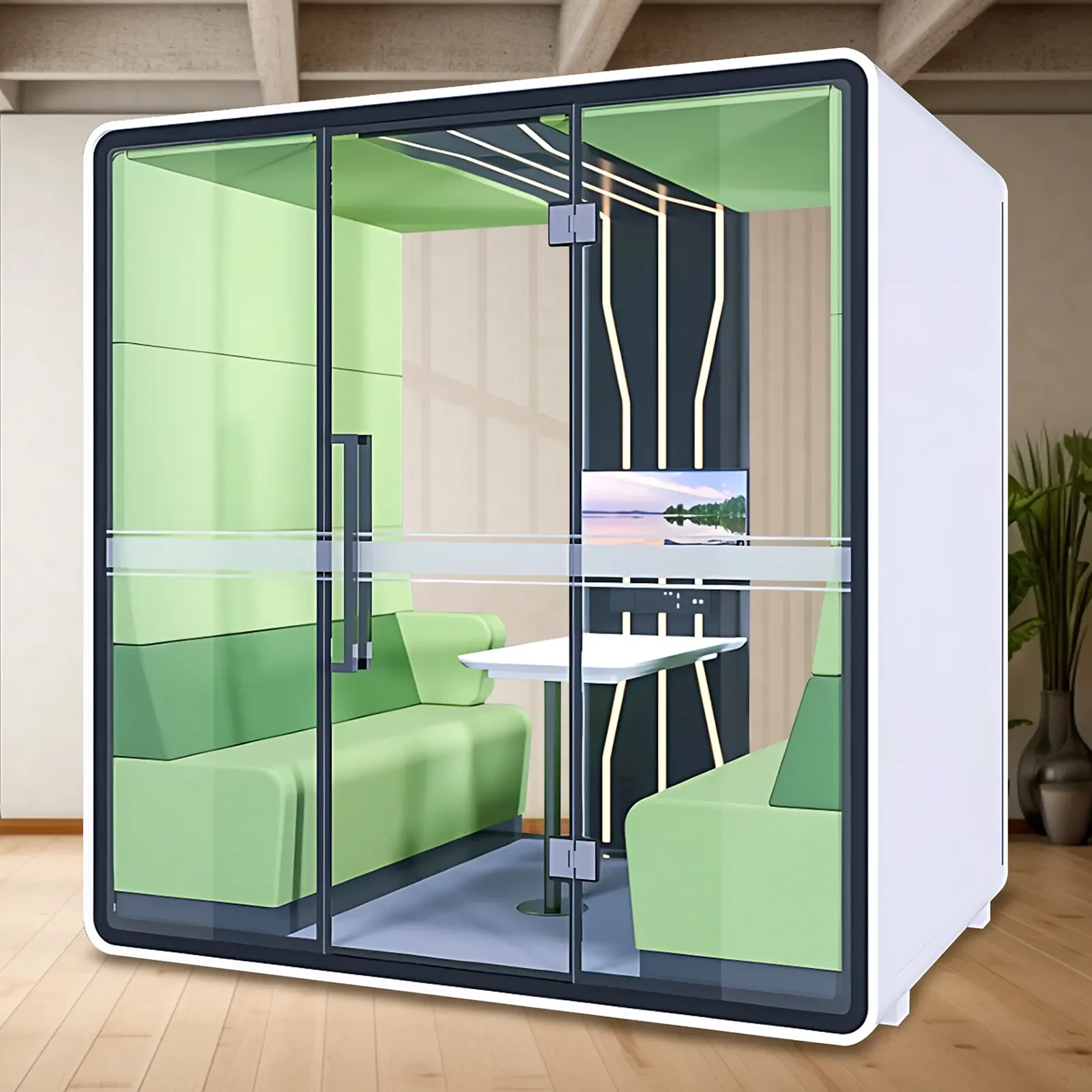
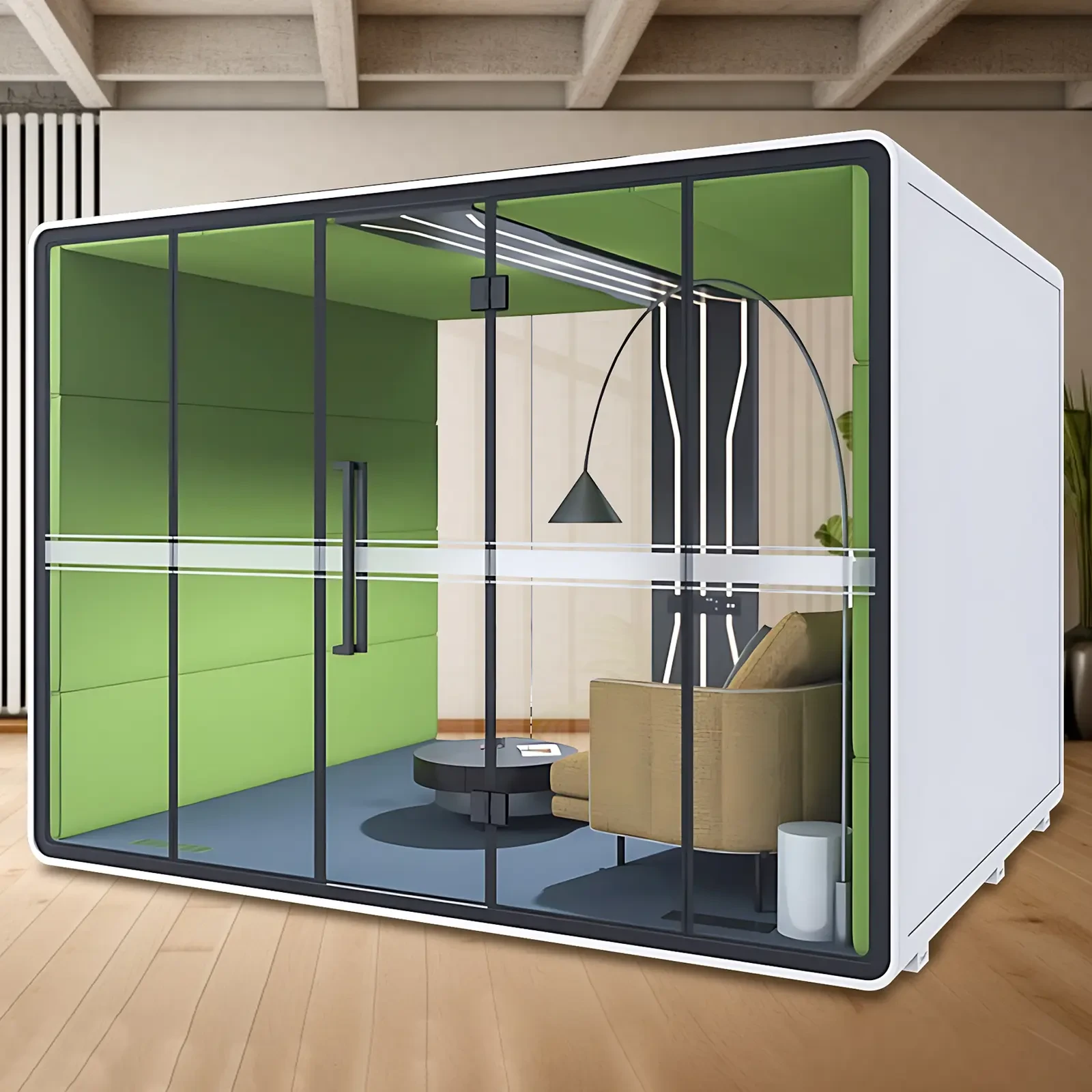
Life is mostly unsatisfactory.
Some people are filled with regret, while others are troubled.
How many people are suffering because of housing problems right now?
Let's look at the following set of data.
Obtain some useful information
The weary can find comfort
Intelligent people can make predictions
In 2020, Zhihu, Weibo, and Hupu joined forces to compile a list of "2020 Netizens' Top Ten Regrets and Troubles in Life" based on big data and online voting. Nearly 37 million people participated, with every vote coming from netizens.
Top 10 Regrets in Life 2020 (Vote by Netizens)
Data shows that: 1. Failure to cherish the opportunity to enter a good university at a young age, resulting in a mediocre life , ranked first with nearly nine million votes.
Two of these issues relate to housing: 7. Buying the wrong house or making a bad investment decision; 8. Missing the best time to buy a house.
Regarding health, some people also said: 5. Neglecting health/missing the best time to treat one's own disease.
Regrettable things
An unchangeable fact
Those Decisions That Have Passed
Perhaps it started when you were troubled back then
This was caused by making the wrong choice.
So what exactly are these things?
What are people worrying about right now?
How can we get out of the things we're currently troubled by?
Make choices and make changes
To avoid regrets in the future
Top Ten Worries in Life 2020 (Internet User Poll)
The number one worry of 2020
Noise from upstairs/neighborhood noise/street noise
8,001,900 votes
Noise from upstairs/neighborhood noise/street noise
Noise by its own power
defeated
Economic pressure
Suffering from illness
Work pressure
Marriage and Childbirth
..................
It became the most annoying thing on the entire internet in 2020.
The noise should reflect on its own behavior.
What merit or ability do I possess?
Despite opposition, he remains at the top of the list.
From the above data we know
At least 8 million people across the country are affected by noise pollution.
And living in a state of unease
This data may contain even more.
Combining regrets and troubles:
What is the connection between them?
What can we learn from this?
1. Regret: Buying the wrong house VS. Troubles: Noise
Q: Will buying a house cause noise problems?
A: Of course. When buying a house, how to avoid noise requires not only considering the internal and external environment, but also anticipating the overall regional planning.
- Which external environments produce noise?
1. Traffic noise caused by proximity to elevated roads, main roads, subways, train tracks, airports, etc.
2. There will be planned developments in the vicinity, such as schools, industrial parks, and commercial streets, which will generate industrial noise.
3. Are there any power distribution rooms, bars, KTVs, hospitals, commercial streets, etc. nearby? These places are filled with high-frequency and low-frequency noise.
4. How is the green environment in the community? Plants are a natural noise barrier, and good greening can improve the quietness of the community.
5. Community parking lot road planning. Roadblocks placed on community roads may cause noise pollution; please pay attention to the location of these roads relative to the residences.
- Which types of internal environments produce noise?
1. Floor slab thickness. The international standard for floor slab thickness is 15-20cm, while in my country it's 8-12cm. Developers, in order to save money and speed up construction, generally use 8cm. Of course, a thicker floor slab provides better sound insulation, so you should inquire about the floor slab thickness when buying a house. If this cannot be changed, then you must pay attention to soundproofing and vibration reduction during renovation; otherwise, your downstairs neighbors will be constantly visiting your home and acting like surveillance cameras to restrict your behavior.
2. Ceiling height. In my country, the average floor height is 2.5 meters. This height shortens the distance between you and your upstairs neighbors, increasing social density. Furthermore, ceiling height must be considered in conjunction with ceiling design. Suspended ceilings and soundproofing measures can typically shorten the space by 5-6 centimeters. A ceiling that is too low can create a feeling of confinement.
3. Plot Ratio. In the future, the plot ratio of buildings in my country will only increase. Most major cities have already developed their housing projects, leaving many vacant. Therefore, they are actively recruiting residents; for example, Wenzhou offers a subsidy of 50,000 yuan for settling down. A high plot ratio means a large resident population, naturally leading to a more varied quality of life. The chances of finding good neighbors are extremely slim.
4. Are the floor plans the same upstairs and downstairs? Many people change the layout of their homes according to their own preferences, which can result in a kitchen being located upstairs but a bedroom being located in your home.
5. Elevator shaft location. Elevator shafts run through the entire building and can cause low-frequency noise. Therefore, elevator shafts generally should not be adjacent to the main building structure and are best located separately. Pay attention to the location of the apartment and the elevator shaft when buying a property.
II. Regret: Neglecting Health VS. Annoyance: Noise
Q: Can noise cause health problems?
A: Of course. Many people overlook the health problems caused by noise. These health problems accumulate over time.
Noise can cause the following health problems: sleep disturbance, hearing impairment, vision damage, cardiovascular and cerebrovascular diseases, fertility problems, anxiety, and psychological distortion.
How to solve the "noise" problem
Solving home noise problems is solving your current biggest annoyance and preventing future regrets. Besides avoiding noise issues when buying a house, soundproofing during home renovation is an essential measure you must know.
Active sound insulation and vibration reduction flooring: base floor slab + vibration damping pad + floor decoration (to prevent noise from your home from affecting downstairs neighbors and avoid daily disturbances from them).
Passive sound insulation and noise reduction for ceilings: basic ceiling + sound insulation felt + keel + sound insulation cotton + gypsum board (in order to prevent noise from upstairs from affecting downstairs, the effect is not as good as doing floor vibration reduction upstairs, the process is complicated and expensive)
Wall soundproofing: keel + sound insulation cotton + sound insulation board + plasterboard (to prevent noise from neighbors from affecting your own home)
(Note: You should understand the concept of soundproofing. It's not just about blocking external sounds, but also about preventing your own sounds from leaking out. After all, some people need special entertainment activities, such as recording studios, home theaters, or practicing musical instruments.)
For window sound insulation: Insulating glass windows or PVB laminated glass windows are both suitable for home use.
Curtains: Many people overlook the sound insulation capabilities of curtains, but they play a significant role in addressing noise levels that some windows cannot handle. Currently, only Japanese soundproof curtains on the market are truly practical, but they are too expensive. Sound Doctor soundproof curtains, a domestic brand, are under development.
Sewage pipe sound insulation: Use sound insulation felt to wrap the outer wall of the water pipe to block noise leakage.
Exhaust fan: Replace it with a quiet exhaust fan with a noise level of less than 30 decibels so as not to affect sleep.
There are many details to pay attention to, because sound waves penetrate through gaps, so the process of soundproofing in home decoration is complex and requires great care. Currently, many people in the home decoration industry don't understand soundproofing; most only sell materials. Home soundproofing is still a relatively new industry. If you need any information about soundproofing, feel free to contact me.