
 USD
USD GBP
GBP
 EUR
EUR

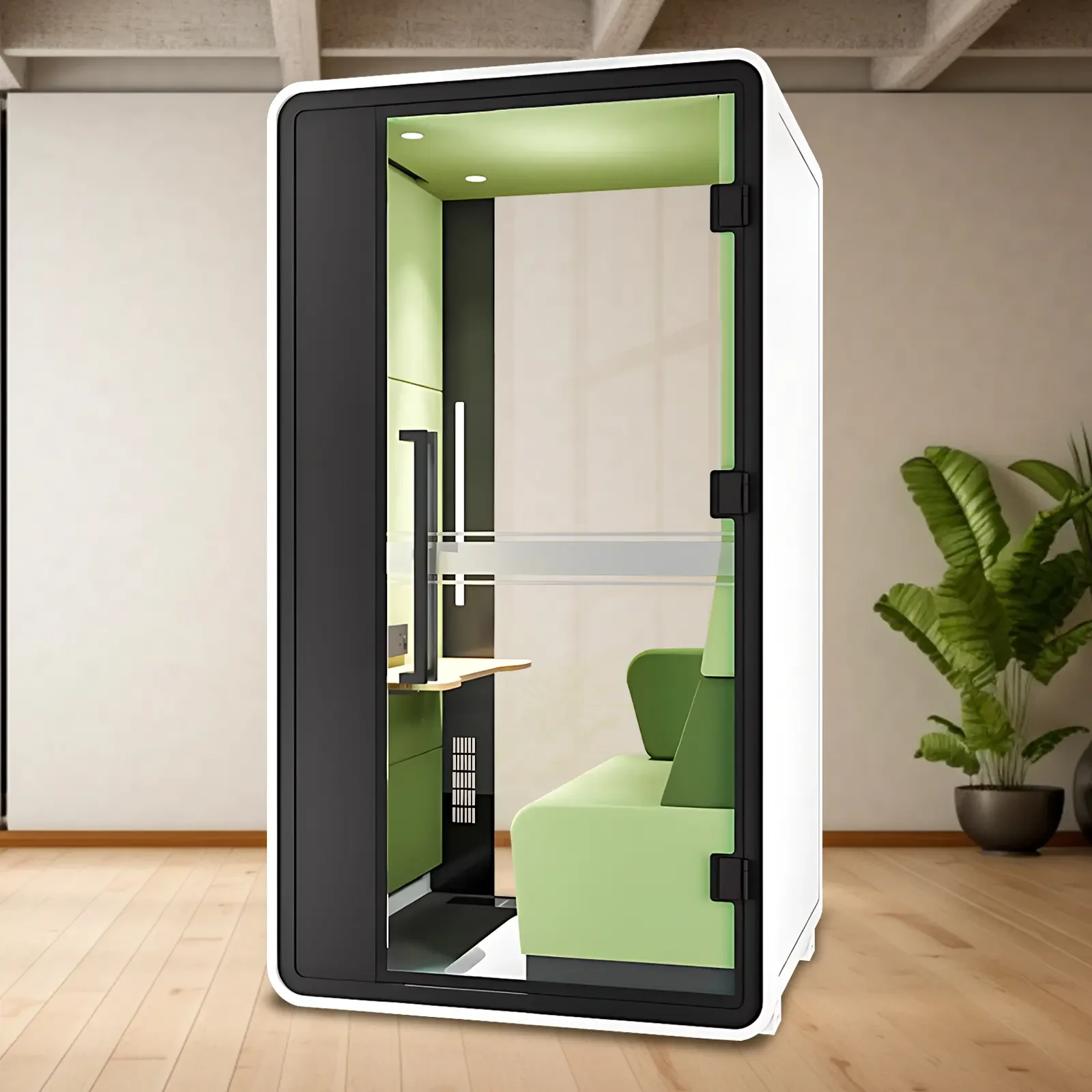


Our acoustic services are usually divided into two parts: one is sound insulation, which ensures the basic physiological needs of the human body; the other is acoustic design, which satisfies people's psychological needs.
So why is it said that acoustic services will definitely meet future consumer trends? Let's discuss this further:
Changes in consumption trends due to demographic shifts:
1. Elderly people with money and leisure time
01. Severe aging population, rising consumption power
According to data from the seventh national population census, in 2020, the proportion of China's population aged 65 and above reached 13.5%, an increase of 5 percentage points compared to 2010, approaching the level of moderate aging.
China currently has 240 million elderly people, the most in the world. Globally, there are 962 million elderly people, with China accounting for 25%. In another 10 years, China will have 350 million elderly people. At that time, the world will face an unprecedented situation: we will be surrounded by elderly people.
However, international experience shows that if the elderly population is relatively wealthy, entering an aging society does not directly mean a decline in consumption. In recent years, while overall consumption in Japan has declined, the proportion of consumption by the elderly has been continuously increasing. In 2019, the consumption share of households aged 60 and over in Japan reached 46.9%, an increase of 17 percentage points compared to 2000, while the proportion of the population aged 60 and over in Japan only increased by 11 percentage points during the same period (Figure 5). In terms of specific consumption areas, consumption in various sub-sectors will rise and fall after entering old age. Among them, consumption in medical care, food, and housing will increase , while consumption in education, transportation, and communication will decrease (Figure 6).
In summary, with the increasing number of elderly people, their demands for home-related products and services are rising. Our home soundproofing services perfectly meet these needs. Currently, most families are unwilling to soundproof their homes for two reasons: firstly, they are unwilling to spend the money; secondly, they are unwilling to dismantle existing renovations. In the future, as their economic strength increases and their existing home furnishings become outdated, the likelihood of them choosing to soundproof their homes due to noise pollution will increase.
02. The elderly have both money and leisure time.
The new generation of senior citizens has both money and leisure time, and is expected to continue to maintain a high level of consumption.
Those born in Japan in the 1950s benefited from Japan's economic boom and have relatively ample retirement savings. A 2019 survey by the Japanese Statistics Bureau showed that households with the highest savings were those headed by people aged 60-69. Their spending on leisure activities such as travel increased significantly after retirement compared to before age 50.
Meanwhile, with the changing mindset and lifestyle of the younger generation, as well as the rapid development of service industries such as housekeeping, nannies, and childcare, the elderly will be freed from the heavy burden of childcare in the future, pay more attention to their own quality of life, and devote more time and money to enjoying their retirement, thus continuing to be the main force of consumption.
Meanwhile, with the development of China's silver economy, the consumption needs of the elderly will be better met. Not only will traditional spending on medical care, elderly care, health, food, and housing increase, but cultural and entertainment spending such as tourism, photography, and hobby classes will become new highlights of retirement life for the next generation of seniors.
In summary, home theaters, karaoke rooms, and HiFi rooms-these acoustically-related entertainment activities can all meet the spiritual needs of the elderly. With less time spent with their children in the future, seniors will increasingly choose to gather with friends and old classmates, making these entertainment rooms their preferred meeting places.
2. A younger generation that values "authenticity"
01. The consumption trends of the low-desire younger generation
Young people with increasingly lower desires are shifting their focus from external material consumption to internal spiritual fulfillment consumption.
The problem of declining birthrates can be divided into three dimensions:
First, there is late marriage, which means that the rising age of women's first marriage leads to a shorter duration of childbearing age within marriage.
Second, there is a decrease in the number of children born after marriage and an increase in the number of DINK (Double Income No Kids) couples.
Third, the decision not to marry directly leads to a decrease in the number of newborns, given that the proportion of children born out of wedlock is relatively small.
Whether it's late marriage, fewer children, or no marriage at all, all of these factors will lead to a certain degree of emotional emptiness, thereby driving rapid growth in spiritual consumption.
Contemporary young people buy blind boxes, Hanfu (traditional Han clothing), sneakers, cosmetics, etc. They are not only buying products for fun, wear, or use, but also for mutual recognition among strangers by purchasing the same products. They share knowledge and experience in various occasions such as communities, offline events, and online platforms, using "secret language" that only they can understand, thus forming a community.
However, it can also be interpreted as the initial signs of the " fourth consumption era " proposed by Japanese consumer observer Miura Atsushi . As the consumer society matures, " people's demand for material things is getting weaker, but their demand for a relatively fulfilling sense of interpersonal relationships is getting stronger ."
Japan is a very good example. Contrary to the impression that the younger generation in Japan is "laid-back" and "low-desire," their consumption expenditure is still growing. However, the content of their consumption is gradually shifting from external, socially recognized material consumption (such as buying luxury goods) to internal satisfaction, interest-based, and experiential consumption, such as performances, sports, and travel.
In conclusion, like clothing and food, sound is a fundamental inner need. The absence of noise and the basic enjoyment of sound are forms of satisfying spiritual needs. In particular, noise-induced neighborhood conflicts disrupt what should be a harmonious life, leading to mental illnesses such as neurasthenia and anxiety.
Link: Shanghai residents have been running noise-making devices for 5 years, revealing the pain behind "noise pollution"!
02. The Real Consumption Philosophy of Young People
Young people prefer a more authentic consumption environment.
In a survey asking "What channels do you usually use to discover a product?", nearly 60% of respondents chose "friends' recommendations," ranking first , while KOL recommendations ranked fifth.
As brand advertising becomes increasingly common, the relationship between KOLs and the products they recommend/review inevitably becomes more utilitarian, reducing credibility. Young consumers understand this; they watch reviews, but they don't just watch one particular KOL. They cross-reference reviews and carefully discern the amount of advertising.
Therefore, authenticity becomes valuable. Compared to KOLs, more young people hope to refer to spontaneous feedback from real users.
Whether something is "worth it" is increasingly becoming an important criterion for young people's consumption. Only by knowing the real situation can an evaluation be made.
Dazzling array of artificially packaged new concepts and rhetoric all violate the principle of authenticity. However, this doesn't mean young people inherently reject more expensive, premium-priced goods. They emphasize "value for money" rather than "cheapness," with quality, design, functionality, and user experience all falling under the umbrella of "value." If it's more expensive but truly worthwhile, then it's acceptable.
Young people should honestly confront their own "needs".
The rise of "group-buying socialites" and "Versailles" has diminished the credibility of "symbolic consumption" and significantly reduced the credibility of "lifestyles shown off." A return to self-expression is a major trend, and young people are more wary of new demands arising from "what others have" or "what others think." Therefore, before spending money, they carefully consider, "Do I really need this?"
In summary, regarding acoustic services, there is a very intuitive auditory experience, and the evaluation of whether it is good or bad is quite obvious.
For example, the human ear finds a relatively quiet environment at 40 decibels, but anything above 110 decibels feels extremely noisy.
Therefore, purchases related to acoustics often yield the most genuine evaluations and experiences. However, this also leads many people to be unwilling to do home soundproofing, as they don't see it as very effective.
Many people currently lack knowledge about sound insulation and acoustic design, and some misconceptions lead them to prefer enduring the discomfort rather than trying new things. It is believed that in the future, as this knowledge becomes more widespread and noise laws are gradually improved, more and more people will choose to proactively improve their home sound insulation.
Link: Can you just bear with it? The pain points of "soundproofing renovation"!
Consumer attitudes in the next two to three years
Summary of the whole article:
Changes in population structure: The population structure is basically shifting from large families with many children to individuals becoming more independent and staying at home more. The birth rate is also decreasing, and people over 60 years old are gradually becoming the mainstream in the overall age structure.
2020 China Chief Marketing Officer (CMO) Survey Report
Although the pandemic has severely impacted the global economy
However, considering the situation in our country...
With the continuous growth of national strength
Consumer sentiment remains optimistic.
Acoustic services are expected to receive increasing attention in the future.
If you have any interest in cooperation or consumption in this area
Welcome to discuss with us