
 USD
USD GBP
GBP
 EUR
EUR
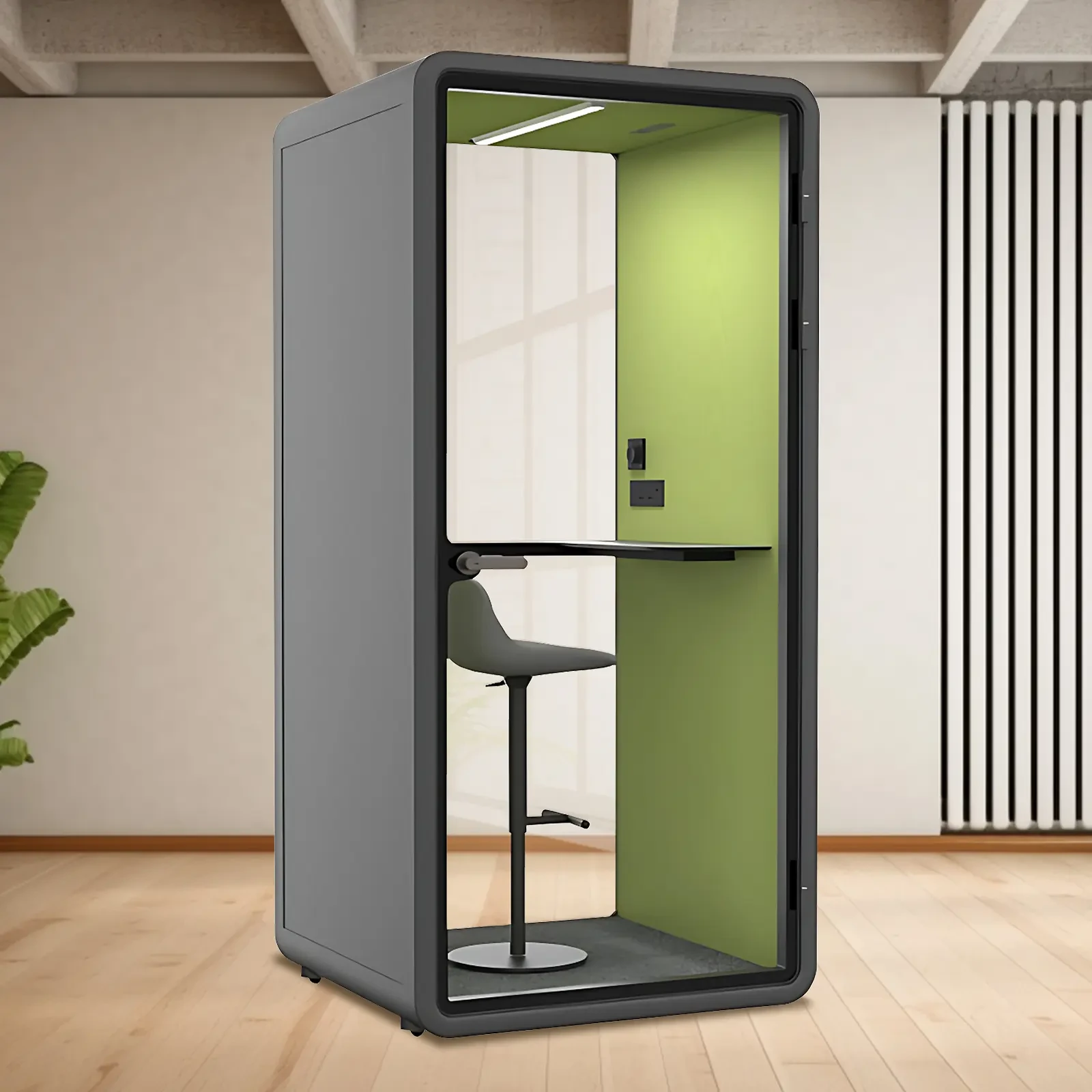

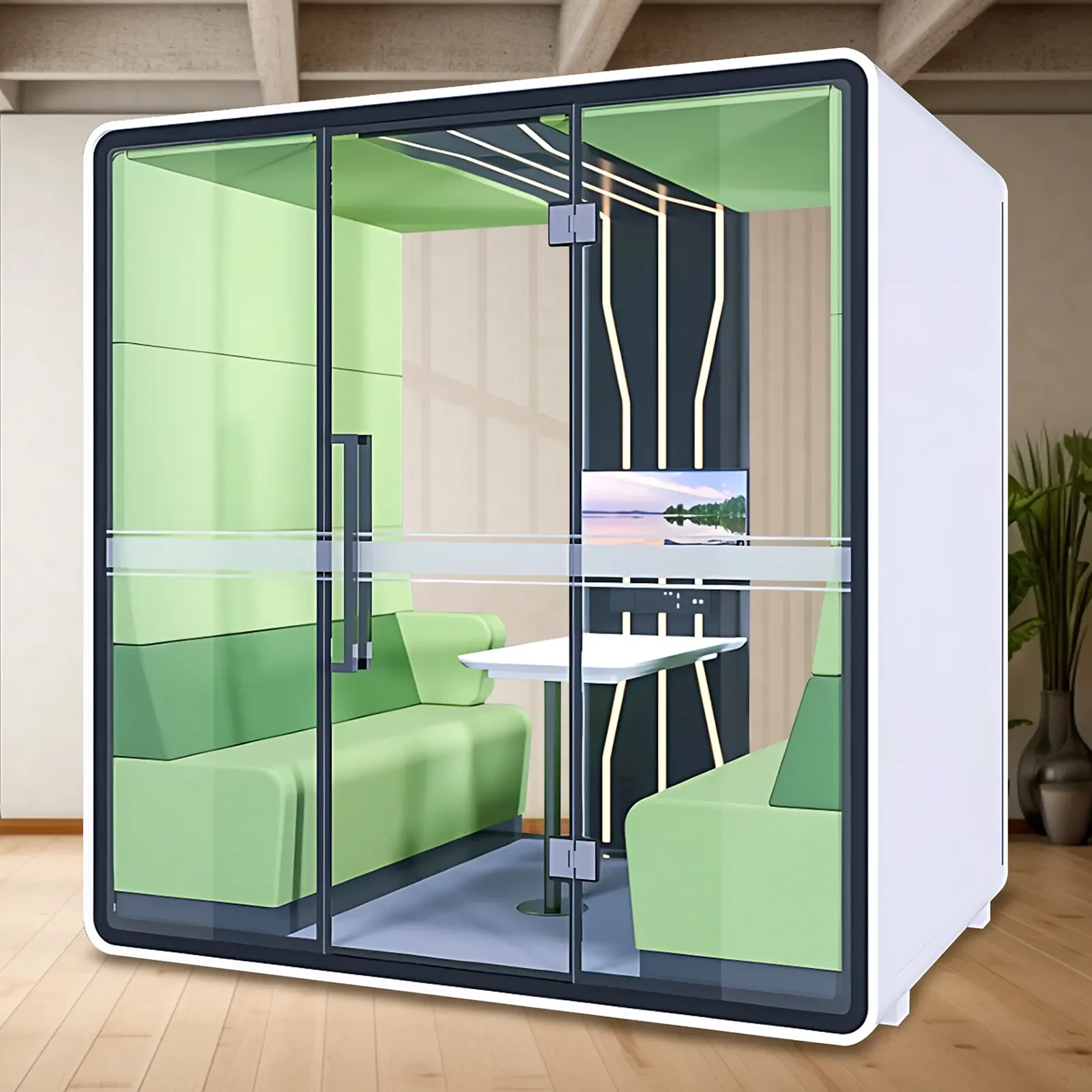
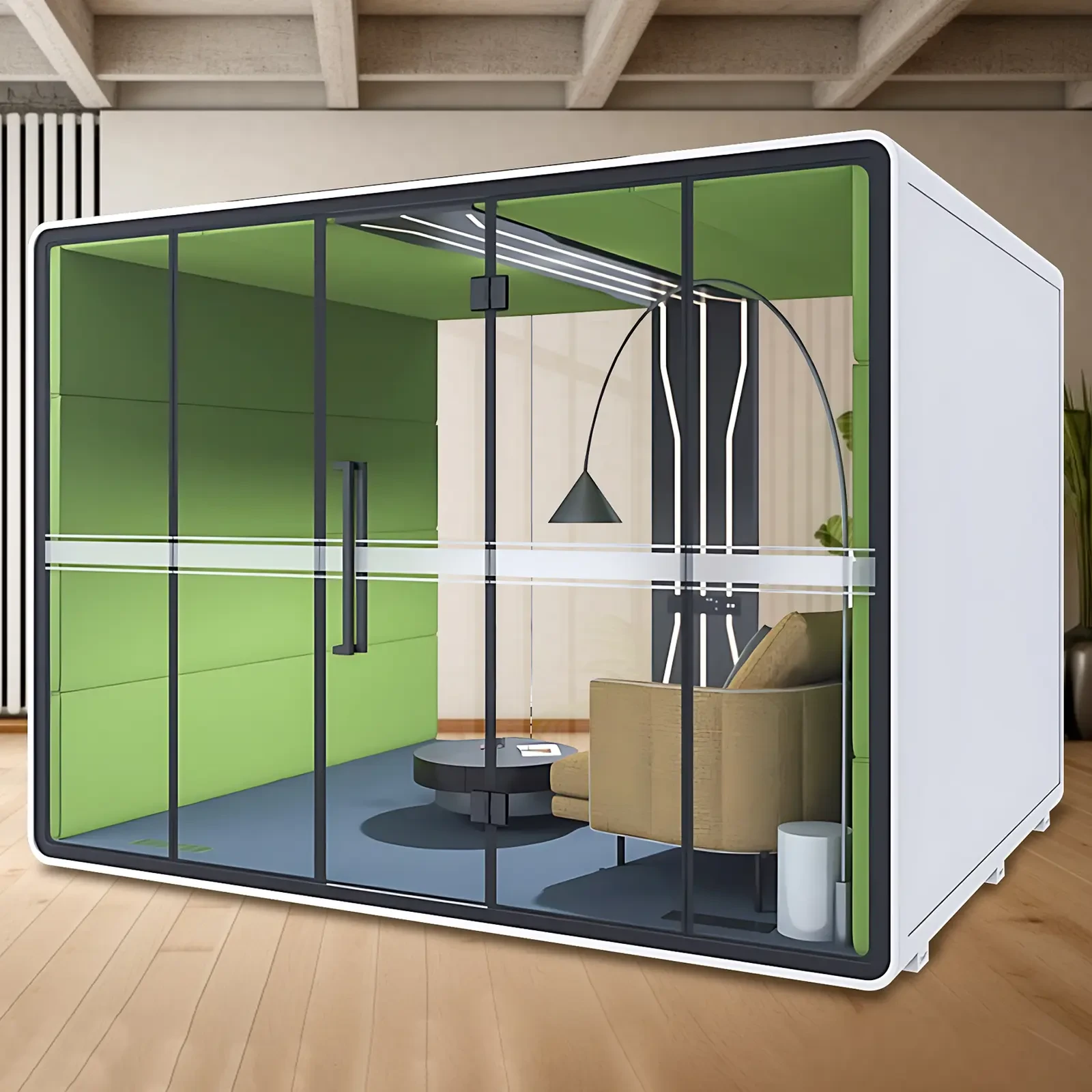
With industrial development, industrial substations have become indispensable production facilities, providing essential power support for our daily lives and industrial production. However, the noise generated by industrial substations also has certain negative impacts on the surrounding environment, such as affecting people's quality of life and disrupting the surrounding ecosystem. Therefore, measures to address the noise problem of industrial substations are necessary. This article will discuss corresponding measures for noise control in industrial substations based on noise source analysis.
The main sources of noise in industrial substations include: generator sets, transformers, reactors, disconnect switches, oil pumps, radiators, etc.
First, there's the generator set, which is the primary noise source in industrial substations. The noise generated by the generator set mainly consists of mechanical vibration and airflow noise. Mechanical vibration is produced by the operation of the generator's internal mechanical components, while airflow noise is generated by the airflow from the generator's fan and exhaust pipe. The following measures can be taken to address the generator set noise problem:
1. Install a soundproof enclosure: Installing a soundproof enclosure can effectively reduce the noise output of the generator set. The outer shell of the soundproof enclosure is made of sound-insulating material, and the internal air is also treated with sound insulation.
2. Improve engine vibration reduction measures: Reduce mechanical vibration by improving engine vibration reduction measures.
3. Improve the engine's intake and exhaust system: Improve the engine's intake and exhaust system to reduce airflow noise.
Secondly, transformers and reactors are also major noise sources in industrial substations. The noise generated in transformers and reactors is primarily due to vibrations and noise caused by electromagnetic forces. The following measures can be taken to address the noise problem from transformers and reactors:
1. Optimize the structural design of transformers and reactors: Reduce vibration and noise generation by optimizing the structural design of transformers and reactors.
2. Use low-noise materials: Use low-noise materials for the insulation and sound insulation of transformers and reactors to reduce vibration and noise.
Secondly, disconnect switches and oil pumps are also major noise sources in industrial substations. The noise generated by disconnect switches and oil pumps is primarily due to the operation of mechanical components. The following measures can be taken to address the noise problem from disconnect switches and oil pumps:
1. Improve vibration reduction measures for mechanical components: Reduce vibration and noise generation by improving vibration reduction measures for mechanical components.
2. Use low-noise materials: Use low-noise materials for the manufacture of mechanical parts to reduce vibration and noise.
Finally, there are the radiators, which are also a noise source in industrial substations. The noise generated by the radiators mainly comes from the breathing noise of the fans and airflow. The following measures can be taken to address the radiator noise problem:
1. Install a soundproof enclosure: Installing a soundproof enclosure can effectively reduce the noise output of the radiator. The outer shell of the soundproof enclosure is made of sound-insulating material, and the internal air is also treated with sound insulation.
2. Increase the heat dissipation area of the radiator: Increasing the heat dissipation area of the radiator can reduce the number of times the fan starts and the running time, thereby reducing the noise output.
In summary, various measures can be taken to address the noise problem in industrial substations. Different measures can be employed depending on the noise source to effectively reduce noise output. Implementing these measures can make industrial substations more environmentally friendly and quieter, bringing greater convenience and comfort to our production and daily lives.