
 USD
USD GBP
GBP
 EUR
EUR
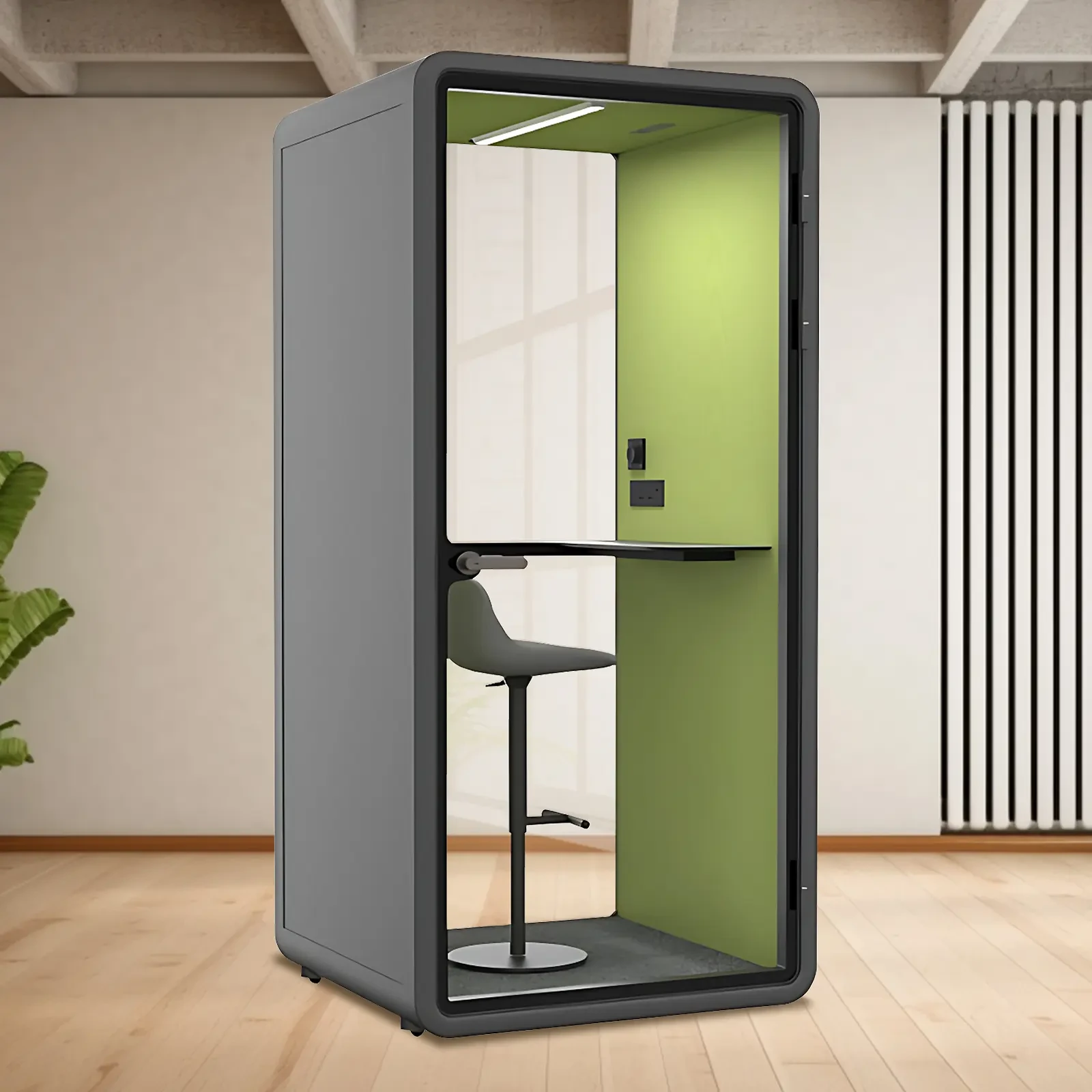
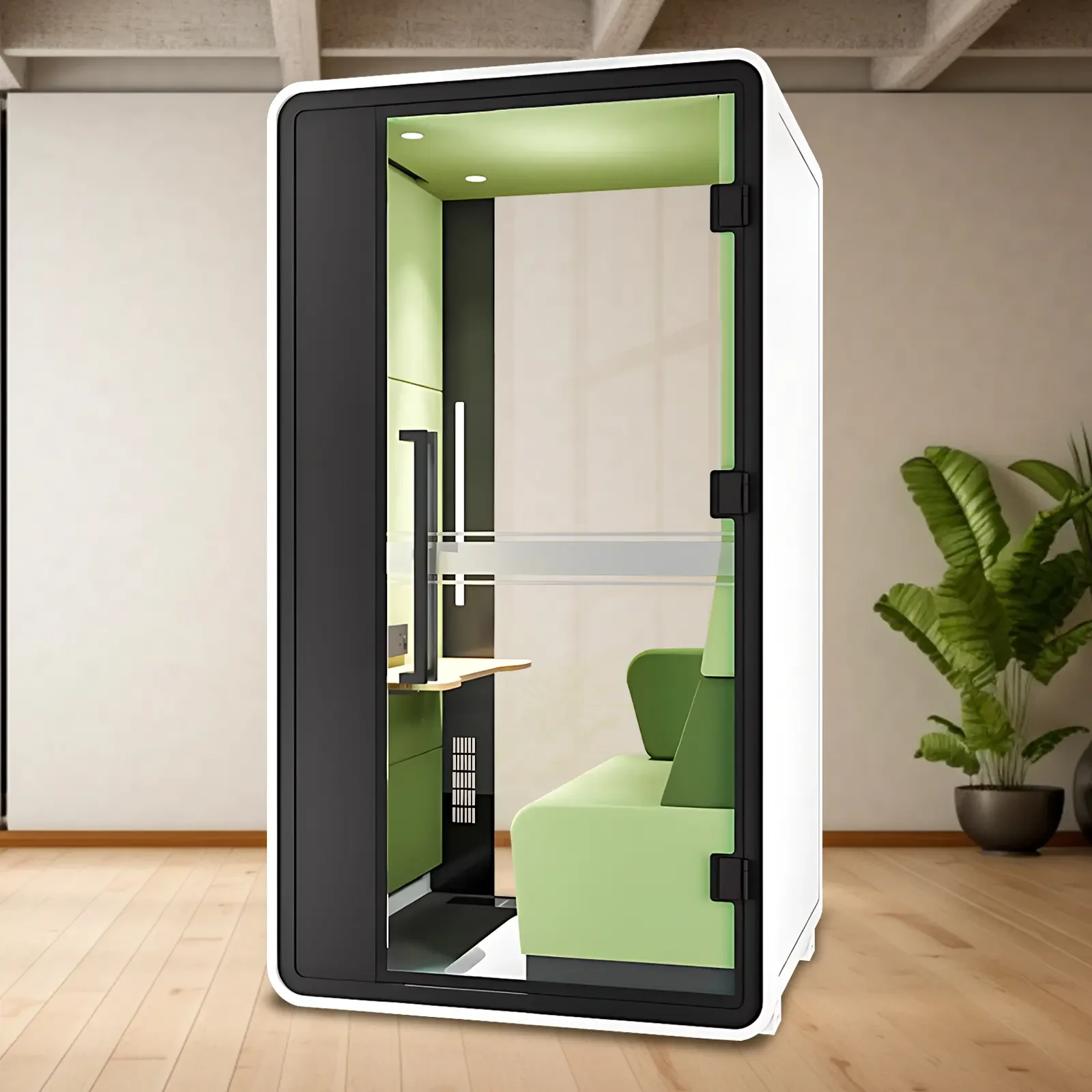

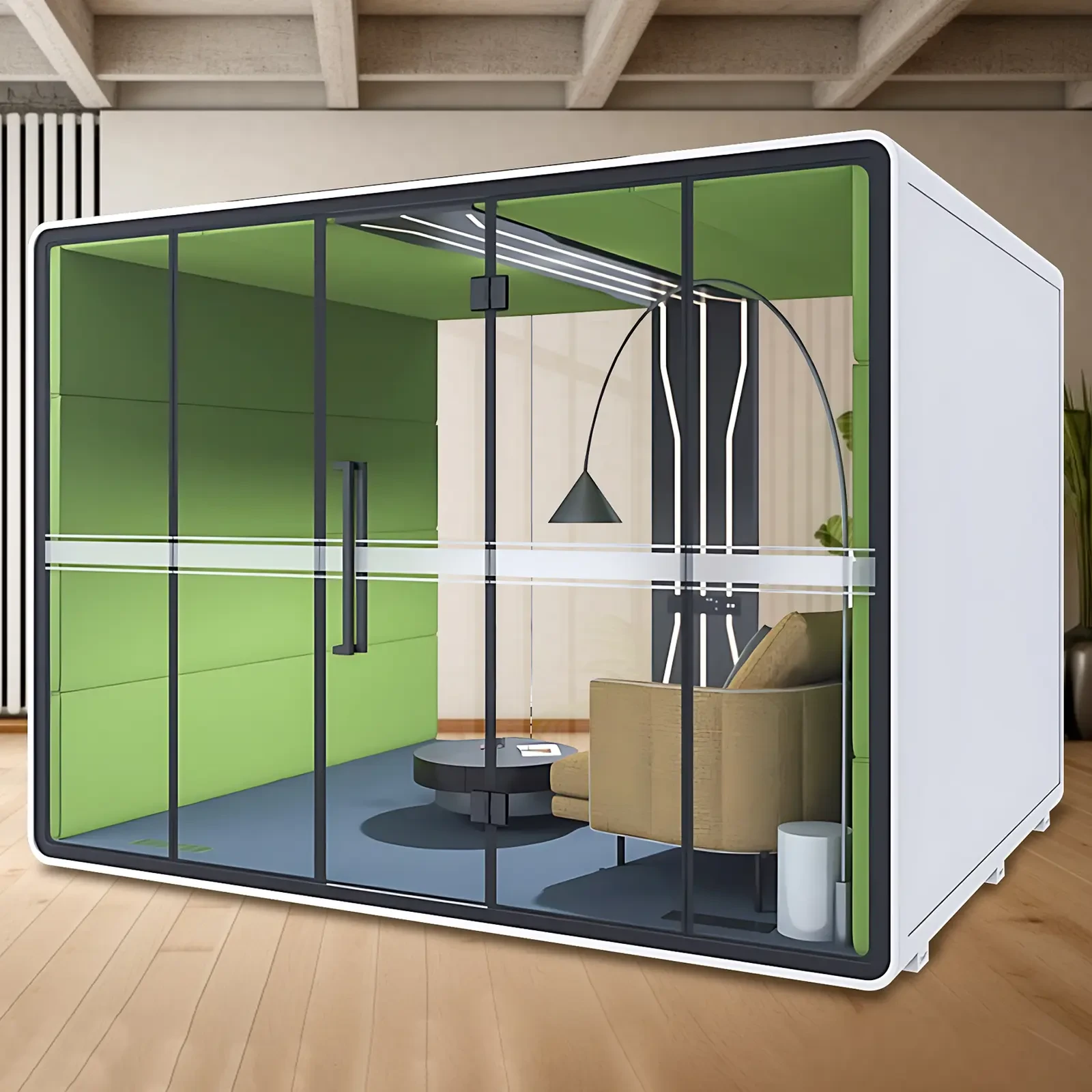
In major cities worldwide, the housing rental market is very active due to high housing prices and frequent population movement. In first-tier cities in China, young people are renting for increasingly longer periods. A survey of over 70,000 renters showed that more than a quarter have been renting for over five years, and over 60% have been renting for more than three years. In recent years, major cities in China have increased the supply of new land for rental housing and introduced various policies to promote the conversion of existing housing stock into rental housing, which has created market opportunities for professional housing rental agencies.
With housing prices soaring and major cities vying for talent through competitive policies, working people often have no choice but to rent to secure a place to live. However, renters frequently face issues such as sharing accommodations, living in noisy areas, or near main roads, leading to various noise disturbances.
The following is a true story from a renter:
The most common noise problems encountered by renters are:
1. Noise caused by the different work and rest schedules of the roommates next door.
People who leave early and return late, and whose normal sleep schedules are directly affected by noise from showering, playing games, talking, and exercising, are constantly exposed to noise.
2. Noise from the nearby road.
The rented room is right next to a major traffic artery, with traffic flowing 24 hours a day. The noise of horns, cars bumping around, and people talking makes it hard to sleep.
These noises are caused by poor sound insulation of windows and walls, but renters are often helpless when faced with poorly soundproofed houses.
Characteristics of rental properties: poor sound insulation, short rental period, and cannot be damaged.
This often leads to many renters having no choice but to endure the noise or move. Prolonged self-suppression and constant moving can easily cause psychological distortion, resulting in a lack of happiness and high stress in life.
So how should we deal with noise in a rented apartment?
1. Destructive method: Replace with soundproof windows.
Method 1: Insulating glass; Method 2: Vacuum glass; Method 3: Laminated glass
Note: There should be thermal break treatment at the joints of the window metal frame to prevent noise from seeping in due to resonance caused by sound waves.
2. Enclosed approach: Seal windows with sound insulation cotton.
But since you're renting, and you mentioned you can't touch the landlord's property, you could look into sound-absorbing cotton. Don't just stick it to the glass, because there will inevitably be gaps in the window, and the resonance of the metal frame is also a reason why noise gets in. The function of sound-absorbing cotton is to intercept sound waves as they travel, converting sound energy into heat so it can't propagate again. When buying it, pay attention to the formaldehyde emission level and the sound absorption coefficient (the coefficient should be between 0 and 1, the closer to 1 the better; for example, marble has a sound absorption coefficient of 0.01, meaning 99% of the sound is reflected).
Completely sealing the windows with sound-absorbing cotton has the downside that your windows may become completely dark, making the room feel stuffy and oppressive.
3. The simplest solution: soundproof curtains.
Another method is to buy soundproof curtains, which can block sound without damaging the homeowner's house, and you can take them with you afterward. However, the problem is that many soundproof curtains don't actually block sound, so you need to pay attention to reviews and the soundproofing methods when buying them. Does it have any additional soundproofing measures or is it just thicker curtain fabric? What is the actual sound insulation level? The noise of traffic outside is around 70 decibels, while the sound level for a peaceful night's sleep is below 40 decibels. Windows should have at least 10 decibels of sound insulation, so curtains with 15-20 decibels of sound insulation will be effective for your house.