
 USD
USD GBP
GBP
 EUR
EUR



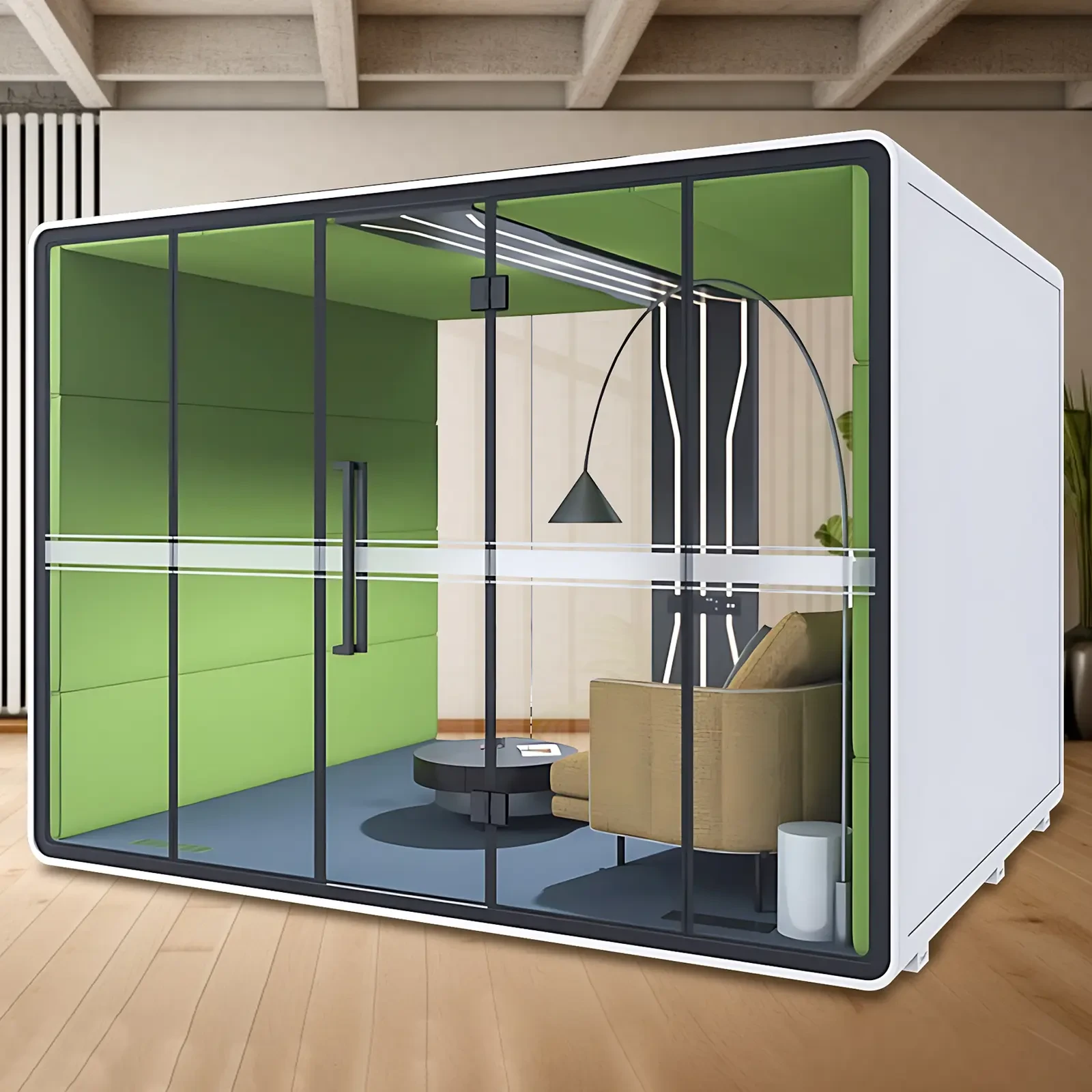
With the acceleration of industrialization, modern industrial production has introduced various high-efficiency machines and equipment. However, these machines often generate significant noise during operation, greatly impacting worker health, the working environment, and surrounding communities. Therefore, noise control and sound insulation measures have become increasingly important. Industrial soundproof doors, as an effective noise control device, play a crucial role. This article will focus on the customization requirements of industrial soundproof doors and their role in noise control.
I. Overview of Industrial Soundproof Doors
Industrial soundproof doors are doors specifically designed to reduce noise transmission during industrial production. They are typically constructed from multiple layers of materials, offering excellent sound insulation, and are commonly used in noisy areas such as workshops, machine rooms, wastewater treatment plants, and environmental protection facilities. Through proper design and installation, soundproof doors can effectively block noise and improve the working environment.
II. Customization Requirements for Industrial Soundproof Doors
Customizing industrial soundproof doors is not a simple process; it requires comprehensive consideration of factors such as the specific usage environment, noise type, and noise level. Here are some key customization requirements:
1. Sound Insulation Requirements: The most important parameter of a soundproof door is its sound insulation effect, usually expressed in dB. When customizing a door, the noise level and type of the location (such as low-frequency noise, high-frequency noise, etc.) must be considered, and a door body that provides sufficient sound insulation should be selected based on actual needs. Generally, industrial soundproof doors should have a sound insulation of at least 30-50 dB.
2. Material Selection: The materials used in soundproof doors directly affect their sound insulation performance and lifespan. Commonly used sound insulation materials include steel plates, solid wood, sound-absorbing cotton, and composite materials. When customizing, materials with fire-resistant, corrosion-resistant, and waterproof functions should be selected according to environmental requirements to ensure the long-term use of the door in harsh environments.
3. Structural Design: The door structure should be designed according to the characteristics of the usage environment. This includes the door's thickness, shape, and opening method (such as sliding, folding, etc.), all of which should be optimized based on the factory's actual needs. In some special locations, special design requirements such as explosion-proof and anti-static properties may also need to be considered.
4. Sealing Performance: The sealing strip is an important component of a soundproof door. Good sealing performance helps prevent sound leakage from gaps. When customizing, high-density, wear-resistant sealing materials should be selected to ensure a good closure when the door is closed.
5. Opening and Closing Mechanism: Select an appropriate opening and closing mechanism based on usage frequency to ensure convenient and quick opening and closing of the door in high-frequency use environments. Furthermore, strength and durability are also important considerations to ensure the door is not easily damaged.
6. Appearance Design: In addition to functionality, the aesthetics of soundproof doors in industrial environments must also be considered. Custom designs can be tailored to the factory's overall style, color scheme, and signage to ensure the soundproof doors blend seamlessly into the environment.
III. The Role of Industrial Soundproof Doors in Noise Control
1. Improved Work Environment Comfort: Industrial soundproof doors effectively reduce noise from equipment and machinery, creating a quieter work environment. A good work environment can improve employee concentration and work efficiency, reduce psychological stress caused by noise, and thus enhance overall employee satisfaction.
2. Protecting Worker Health: Prolonged exposure to high noise levels can lead to hearing loss, cardiovascular disease, and other health problems for workers. Using industrial soundproof doors can significantly reduce noise damage, helping to protect their hearing and overall health.
3. Comply with regulatory requirements: Many countries and regions have clear regulations on industrial noise. Using soundproof doors can reduce noise levels below legal standards, ensuring that businesses comply with environmental regulations and avoid fines or lawsuits for noise pollution.
4. Reduce noise pollution from the surrounding environment: Industrial enterprises are often located near residential or commercial areas. Noise pollution not only affects employees within the enterprise but also impacts the quality of life of surrounding residents. The use of soundproof doors can effectively reduce the outward transmission of noise, maintain good neighborly relations, and enhance the company's image.
5. Improve Production Efficiency: In some industries, noise can interfere with the normal operation of machinery and production efficiency. The use of industrial soundproof doors can avoid noise interference, ensure the normal operation of equipment, and thus improve production efficiency.
6. Extend equipment lifespan: A good sound insulation environment can reduce the load on equipment and reduce vibration and impact caused by noise, thereby extending the service life of machinery and equipment.
Summarize
With the increasing prominence of industrial noise problems, the application of industrial soundproof doors has become particularly important. Through proper customization and design, soundproof doors can not only effectively isolate noise and improve the working environment, but also protect worker health and meet relevant regulatory requirements. When selecting and customizing soundproof doors, enterprises should fully consider the above factors to ensure that they choose products that meet their specific needs, thereby achieving good noise control results and contributing to the sustainable development of the enterprise.