
 USD
USD  GBP
GBP
 EUR
EUR

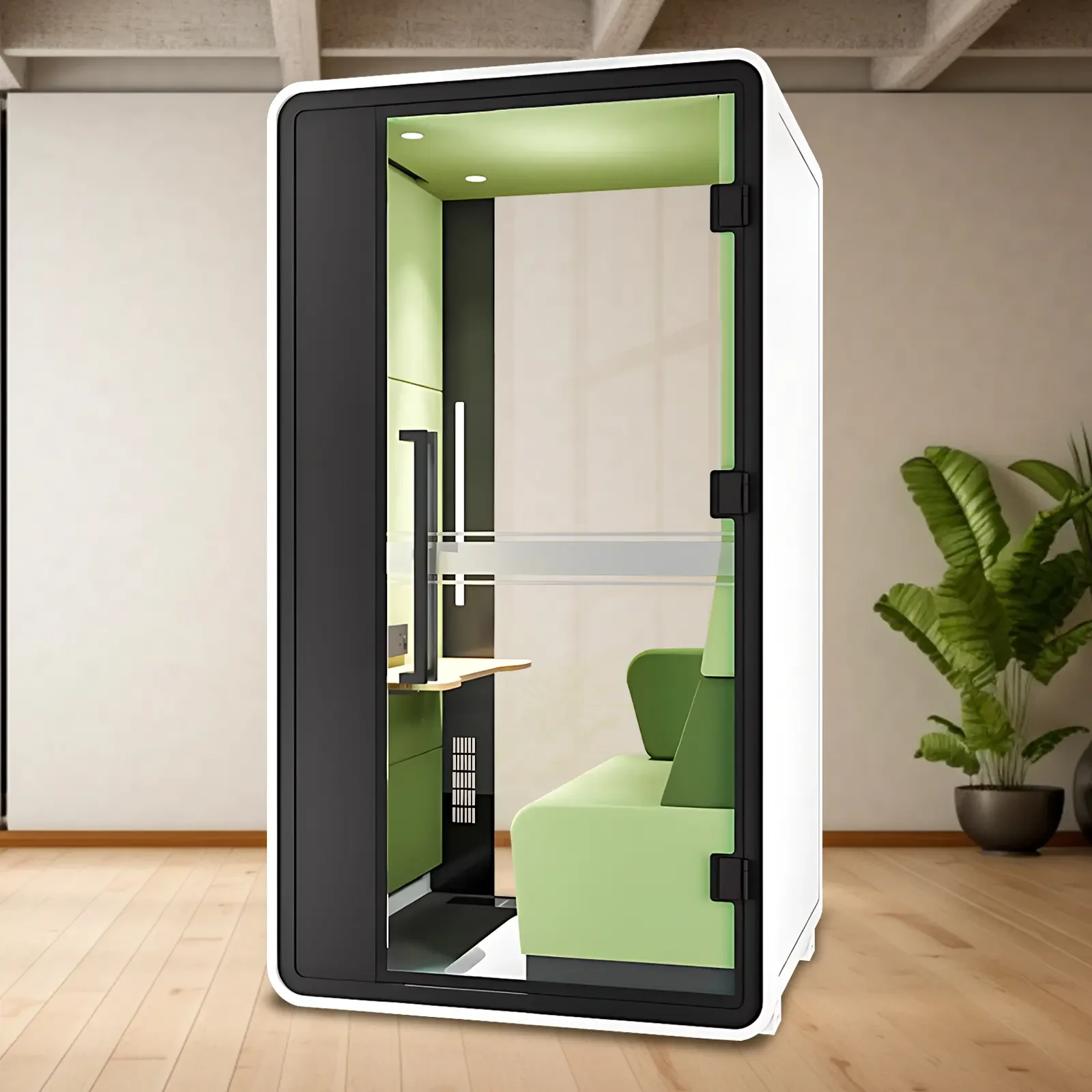


A comprehensive comparison of sound-absorbing cotton and sound-insulating cotton
Sound-absorbing and sound-insulating cotton are common materials in various fields such as architecture, music production, and recording studio design. Although their names are similar and their uses overlap in some areas, their actual applications and functions differ significantly. This article will delve into the differences between sound-absorbing and sound-insulating cotton, as well as their respective characteristics and uses, to help readers make a more informed choice when purchasing them.
I. What is sound-absorbing cotton?
Sound-absorbing cotton is a material used to absorb sound, primarily to reduce indoor echoes and reflections, thus improving the acoustic environment. Its main function is to convert sound energy into heat energy through its internal porous structure, thereby reducing sound wave reflection. Common sound-absorbing materials include polyester fiber, glass wool, and sponge. They are commonly used in concert halls, recording studios, home theaters, and other places requiring good acoustics.
1. The working principle of sound-absorbing cotton
The working principle of sound-absorbing cotton is based on the reflection, refraction, and absorption that occur when sound waves propagate on the surface of a material. When a sound wave strikes the sound-absorbing cotton, the pores inside the material interfere with the propagation of the sound wave, converting some of the sound energy into heat energy, thereby absorbing the sound. The sound absorption effect of sound-absorbing cotton is closely related to its density, thickness, and material type. Generally speaking, the thicker and denser the sound-absorbing cotton, the better its sound absorption effect.
2. Applicable places for sound-absorbing cotton
Sound-absorbing cotton is commonly used in the following places:
- Concert halls and recording studios: To avoid reverberation and echo, sound-absorbing cotton blankets are widely used in the walls, ceilings and other areas of recording studios.
- Home theater: To provide a better viewing experience, sound-absorbing cotton is often added to home theaters to reduce sound reflection and distortion.
- Meeting Rooms: In meeting rooms where good hearing is required, sound-absorbing cotton helps improve the sound system and ensures that attendees can hear the speaker clearly.
II. What is sound insulation cotton?
Sound insulation cotton is a material used to block the transmission of sound, with the aim of reducing external noise interference. Unlike sound-absorbing cotton, which absorbs sound, sound insulation cotton functions to prevent sound waves from propagating through walls, ceilings, or floors. Sound insulation materials are usually made of high-density substances, such as mineral wool, MDF, and polyurethane.
1. The working principle of sound insulation cotton
Sound insulation cotton works based on the physical properties of sound waves. When sound waves encounter materials with higher density during propagation, some of the sound energy is reflected, while the rest is absorbed due to the material's density and thickness. The sound insulation effect of sound insulation cotton is closely related to its thickness, density, and type of material. Generally speaking, heavier and thicker sound insulation cotton tends to have better sound insulation performance.
2. Applicable locations for sound insulation cotton
Sound insulation cotton is mostly used in the following places:
- Residential Buildings: In apartments or villas, sound insulation materials can be used on walls, floors, and other areas to reduce noise disturbance from neighbors. Especially in houses facing the street, sound insulation materials can significantly improve living comfort.
- Commercial Offices: In open-plan office environments, sound insulation materials can be used in partitions and walls to reduce noise interference between employees and improve work efficiency.
- Music and entertainment venues: In music bars, nightclubs and other similar venues, sound insulation cotton can effectively control noise leakage and protect the surrounding environment.
III. Main differences between sound-absorbing cotton and sound-insulating cotton
Although sound-absorbing cotton and sound-insulating cotton may look somewhat similar, they differ significantly in terms of function, material composition, and application.
1. Functional differences
- Sound-absorbing cotton: Its main function is to absorb sound waves, enhance indoor acoustics, and reduce reverberation and echo. Suitable for places where the acoustic environment needs to be optimized.
- Sound insulation cotton: Its main function is to block the propagation of sound waves and reduce external noise interference. It is suitable for places where a quiet environment needs to be maintained.
2. Material Composition
- Sound-absorbing cotton: Usually made of porous materials, such as polyester fiber, sponge, etc. These materials can effectively absorb sound waves and reduce sound wave energy.
- Sound insulation cotton: It is usually made of high-density materials, such as mineral wool and polyurethane, which can effectively reflect and absorb sound waves and reduce the propagation of sound waves.
3. Different applicable locations
- Sound-absorbing cotton: Suitable for concert halls, recording studios, home theaters, and other places where acoustic conditions need to be optimized.
- Sound insulation cotton: Suitable for residential, commercial office, entertainment venues and other places where noise control is required.
IV. Purchase Recommendations
When purchasing sound-absorbing and sound-insulating cotton, consumers should choose the appropriate materials based on their actual needs.
1. Understand your needs: Before choosing sound-absorbing or sound-insulating cotton, you must first clarify its intended use. For example, if you need to improve the sound quality, you should choose sound-absorbing cotton; if you want to block external noise, you should choose sound-insulating cotton.
2. Consider material properties: Different materials have different properties. When purchasing, you should carefully check the product description to understand the material's density, thickness, and sound absorption/insulation index.
3. Professional Consultation: If necessary, it is recommended to consult with professional acoustic designers or material suppliers, who can provide suitable solutions based on the specific characteristics of the venue.
V. Summary
Sound-absorbing cotton and sound-insulating cotton are two indispensable soundproofing materials in acoustic design. Although their names are similar, their functions are quite different. When choosing, consumers should clearly define their own needs, combine this with professional advice, and make reasonable purchases to achieve the ideal acoustic effect. In future decoration and design, we hope everyone can make full use of these two materials to strive for a better living and working environment.
X-comfot, your gateway to an efficient life. We are committed to becoming your most trusted brand of soundproof pod.
E-mail: support@x-comfot.com