
 USD
USD GBP
GBP
 EUR
EUR
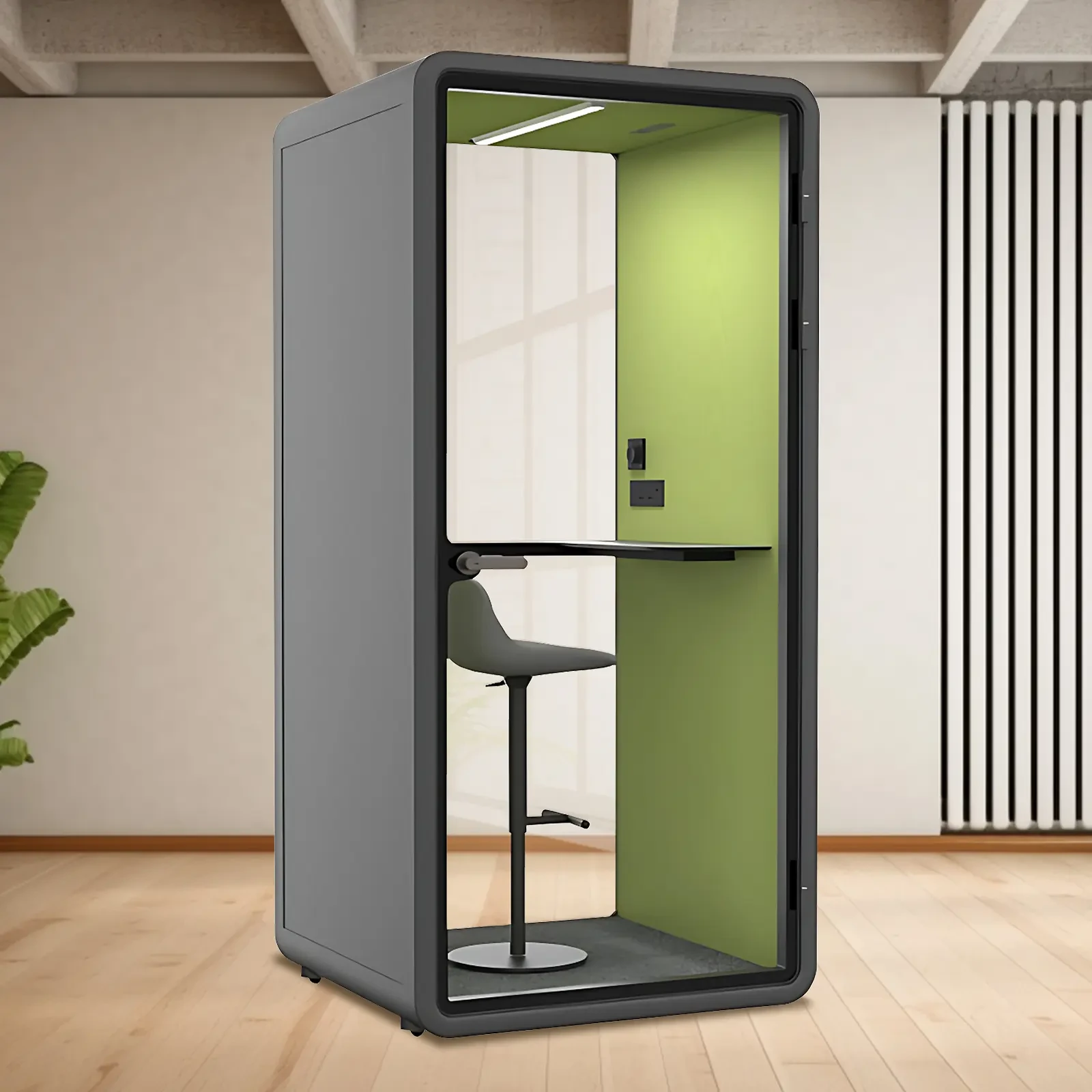
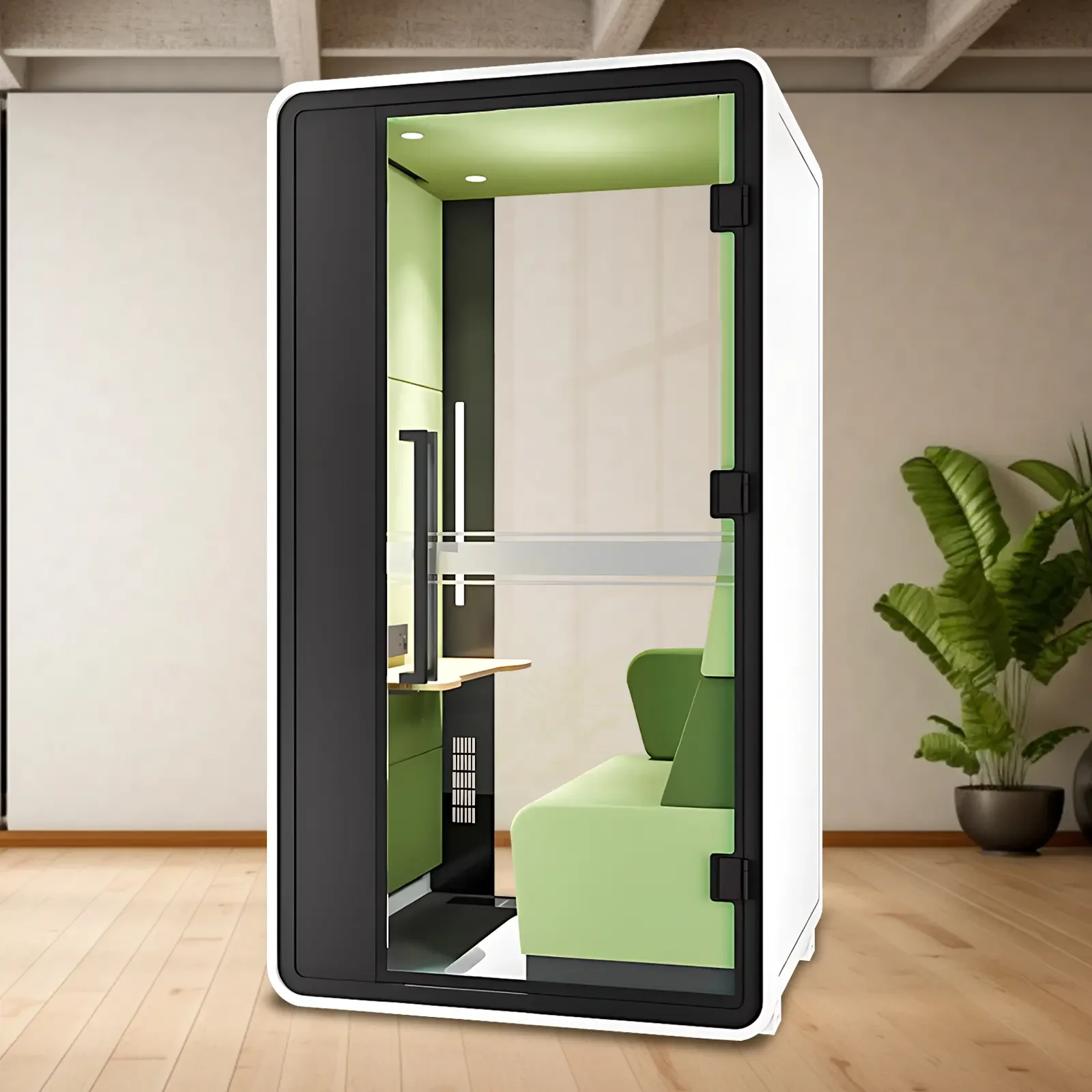
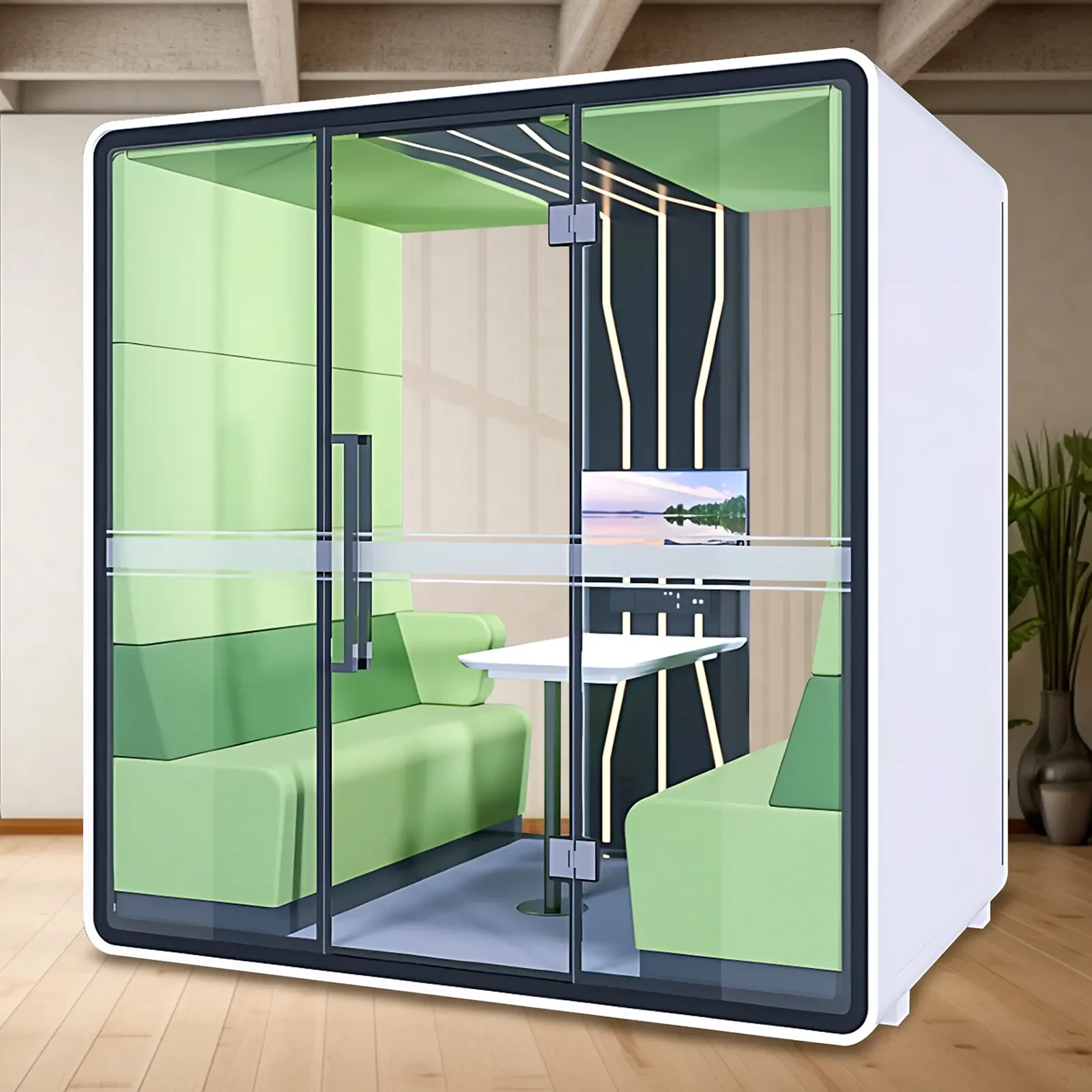
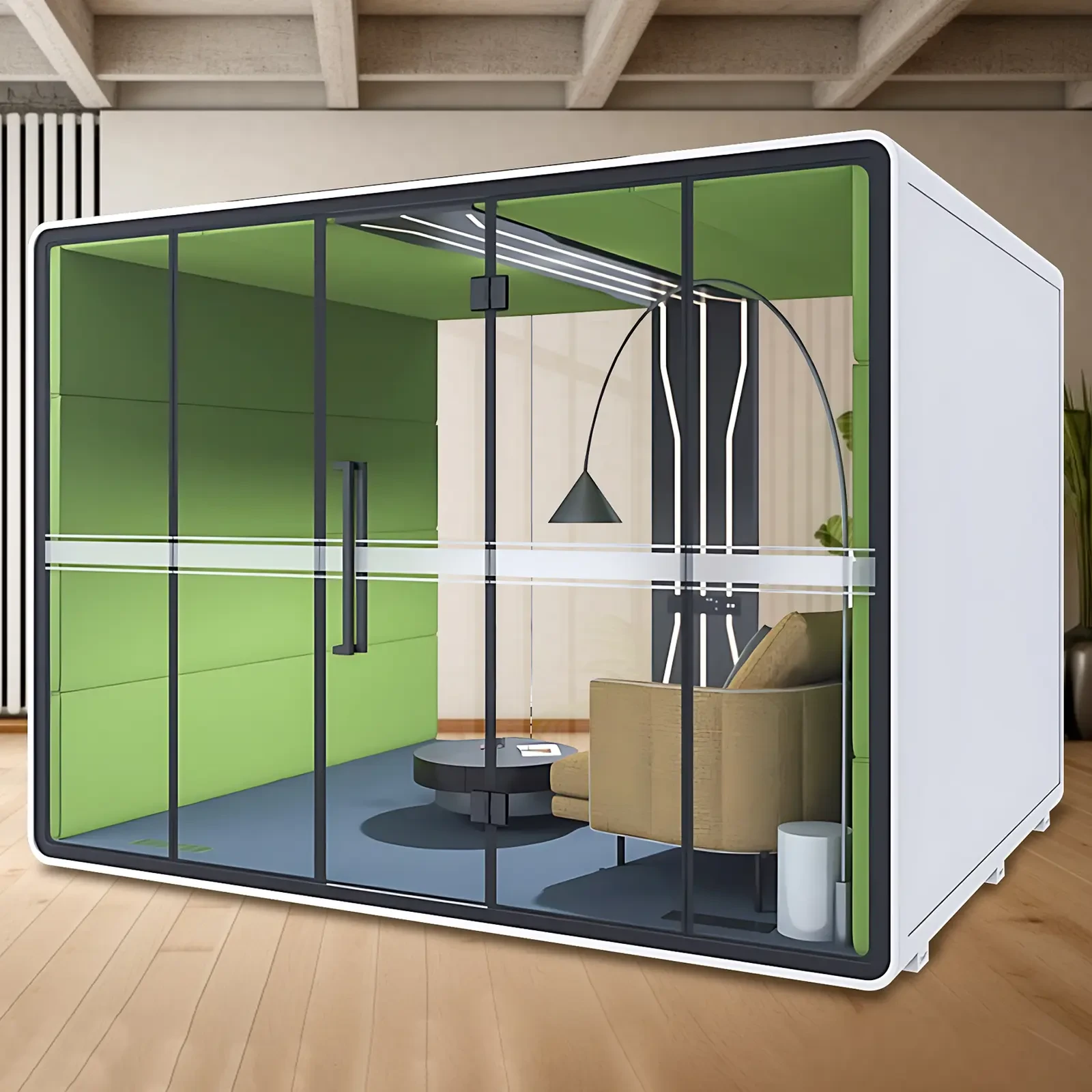
With the acceleration of industrialization, noise problems in factory workshops have become increasingly serious, posing a significant threat to employee health and work efficiency. To address industrial noise pollution, noise levels can be first categorized, and then corresponding control measures can be proposed based on the different noise types.
I. Classification of Industrial Noise
1. Mechanical noise
Source: From the operation of mechanical equipment, such as motors, fans, gears, compressors, etc.
Characteristics: The noise is usually continuous and periodic, the volume may be large, and it will vary with the operating time and usage of the equipment.
2. Aerodynamic noise
Source: Noise caused by changes in airflow or air pressure, such as pneumatic tools, high-pressure gas emissions, etc.
Characteristics: The noise often exhibits a sharp, high-frequency characteristic, which is particularly noticeable under specific operating conditions.
3. Impact noise
Source: Noise caused by mechanical impact or collision, such as hammering, trampling, falling objects, etc.
Characteristics: The noise is high-intensity and instantaneous, with a strong impact, and can easily damage hearing.
4. Wind noise
Source: Noise generated by fans, ventilation systems, etc.
Characteristics: Typically a continuous low-frequency noise accompanied by vibration.
5. Environmental noise
Source: Noise from outside the factory or the surrounding environment, such as traffic noise and construction noise.
Characteristics: The intensity and nature of noise are greatly affected by the external environment.
II. Control Measures for Different Noise Types
1. Measures to control mechanical noise
Equipment Upgrades: Prioritize machinery with low-noise designs, especially when purchasing new equipment, paying close attention to the noise data provided by the manufacturer. Modify existing equipment, such as by adding silencers and vibration damping devices.
Material selection: Use vibration damping and sound insulation materials, such as rubber vibration damping pads and sound-absorbing materials, to reduce equipment vibration and noise transmission.
Regular maintenance: Regularly inspect and maintain the equipment to ensure it operates well, and promptly address any worn or loose parts to reduce noise.
Soundproof room: A soundproof room or portable soundproof enclosure is set up around high-noise equipment to isolate the noise source and reduce its impact on the surrounding environment.
2. Measures to control aerodynamic noise
Multi-stage silencer technology: Installing multi-stage silencers in pneumatic equipment reduces high-frequency noise during exhaust.
Operating procedures: Train operators to reduce the use of unnecessary pneumatic tools, such as avoiding frequent release of high-pressure gas.
Choose low-noise tools: When selecting pneumatic tools, prioritize low-noise, high-efficiency products to reduce noise caused by airflow.
3. Measures to control impact noise
Vibration damping design: During construction and production, vibration damping design is implemented for equipment or processes that may generate impact noise, such as using rubber pads, foam materials, etc.
Soft material laying: Laying soft materials on the ground reduces the impact noise generated when objects fall.
Control improvements: By improving the process flow, high-impact operations are avoided as much as possible, reducing the frequency of impact noise.
4. Measures to control wind noise
Fan noise reduction: Select low-noise fans and optimize fan operating speed to reduce wind noise.
Smooth airflow design: The airflow channel design is smooth to reduce vortex noise caused by airflow at bends.
Soundproof enclosure and padding: The noise source is enclosed with a soundproof enclosure and lined with sound-absorbing material to reduce noise.
5. Measures to control environmental noise
Production schedule arrangement: In processes that generate significant noise, work hours should be arranged reasonably to avoid rest periods and reduce the impact on employees and the surrounding environment.
Factory layout optimization: The factory layout should be rationally planned to keep noise sources away from sensitive areas, such as office and living areas. Additionally, green belts can be added to serve as noise buffer zones.
Noise monitoring and management: Regularly monitor noise levels inside and outside the factory area, assess the impact of noise, establish corresponding management systems, and adjust control measures in a timely manner.
III. Summary
Industrial noise control is a complex and systematic project that requires scientific and effective measures tailored to the type and characteristics of noise. Through proper planning and implementation, companies can not only improve the working environment and quality of life for their employees but also reduce the risk of occupational diseases, increase production efficiency, and achieve a win-win situation for both economic and social benefits. In this process, companies should establish a long-term mechanism, strengthen noise prevention publicity and education, enhance the environmental awareness of all employees, and make noise control a part of the corporate culture.