
 USD
USD GBP
GBP
 EUR
EUR
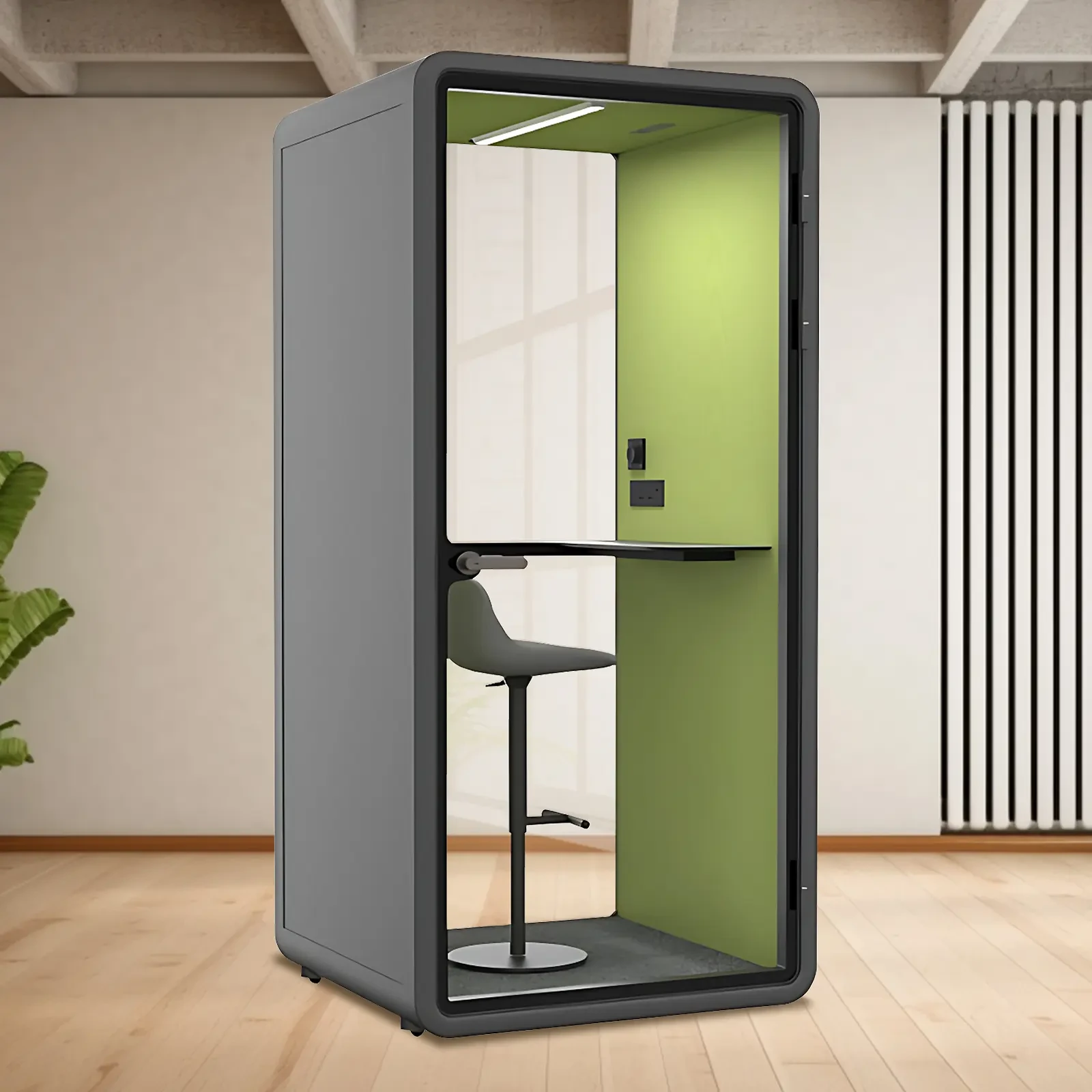
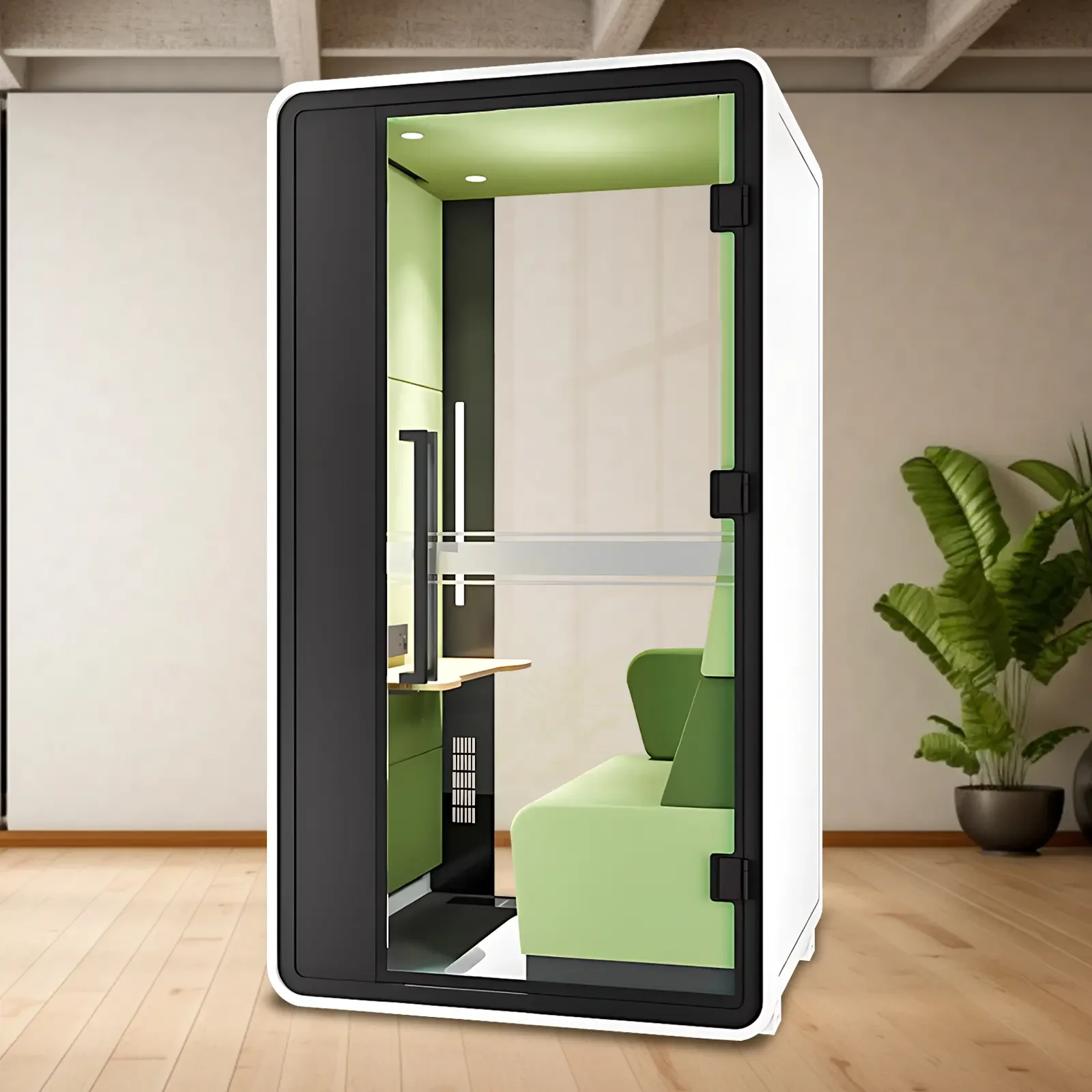
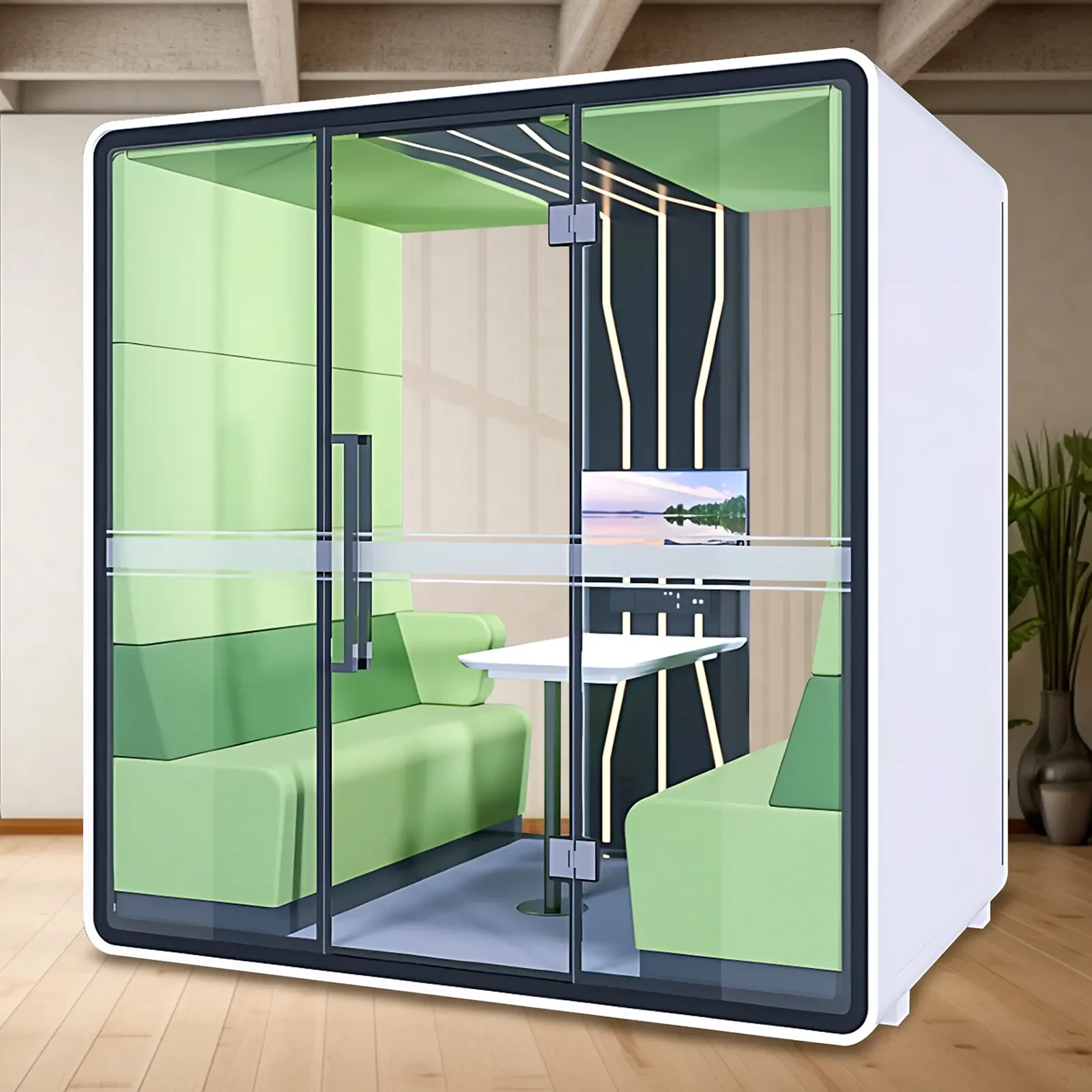
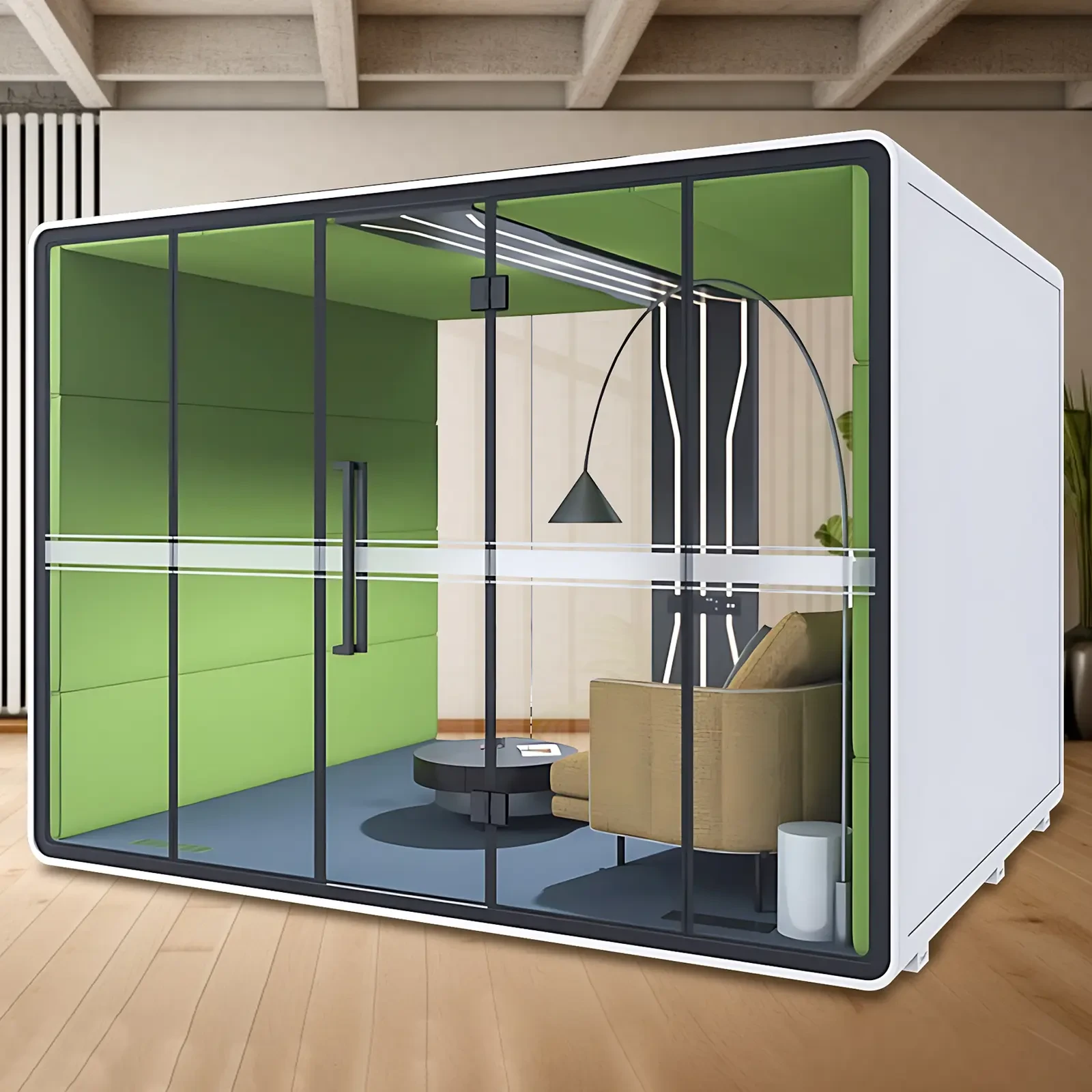
With the acceleration of industrialization, noise pollution from industrial production has become increasingly serious. This not only affects the health and safety of workers but may also impact production efficiency and product quality. To effectively control equipment noise, soundproof enclosures, as an important acoustic protection facility, have been widely used. This article will explore the classification of soundproof enclosures and their positive significance in industrial production.
I. Classification of Soundproof Enclosures
Soundproof enclosures can be mainly classified according to their structure, materials, and application. Here are some common types of soundproof enclosures:
1. Fixed soundproof enclosure
Fixed soundproof enclosures are permanent installations, typically placed near noise sources. These enclosures are commonly used around equipment such as punch presses, machine tools, and fans, effectively shielding against noise transmission. Fixed soundproof enclosures are usually made of robust materials and possess excellent acoustic performance.
2. Portable soundproof enclosure
Mobile soundproof enclosures can be flexibly adjusted as needed, making them suitable for equipment that requires frequent relocation or changes in position. For example, in temporary construction sites or flexible production lines, mobile soundproof enclosures can be set up according to production needs, effectively reducing noise generated by different equipment.
3. Simple soundproof cover
Simple soundproof enclosures are typically made of lightweight materials such as plastic or thin steel sheets, are easy to install and remove, and are suitable for equipment with low noise sources. Their applications are mostly concentrated in small machinery or home workshops.
4. Multi-layer soundproof enclosure
Multi-layered soundproof enclosures, employing a composite structure of different densities and materials, not only enhance sound insulation but also possess excellent sound absorption properties. These enclosures are commonly used in large industrial equipment, such as boilers and compressors, and can significantly reduce noise.
5. Solid and fluid soundproof enclosures
Solid soundproof enclosures are constructed from fixed materials, while fluid soundproof enclosures utilize airflow or liquid for acoustic protection. This design is more effective in certain special environments, such as high-temperature or high-pressure conditions.
II. The function of soundproof enclosures
1. Reduce noise pollution
The primary function of soundproof enclosures is to reduce the propagation of noise. By installing soundproof enclosures between noise sources and the working environment, the propagation of impact noise, vibration noise, and airflow noise can be effectively reduced, improving the acoustic environment of the workshop. This not only protects the health of employees but also complies with relevant noise standards and regulations.
2. Protect employees' hearing
Prolonged exposure to high-noise environments can easily lead to hearing damage and even occupational diseases for employees. Soundproof enclosures, by reducing noise levels, can effectively protect employees' hearing and improve their sense of job security. At the same time, a good acoustic environment contributes to employees' mental health, reduces fatigue, and increases work enthusiasm.
3. Improve production efficiency
Excessive noise can interfere with employee concentration and communication, reducing work efficiency. By installing soundproof enclosures to reduce noise levels in the work environment, employees can concentrate better, improving work quality and efficiency. At the same time, a quiet work environment also promotes employee cooperation and communication, enhancing teamwork.
4. Improve equipment performance
Soundproof enclosures not only reduce noise but also improve equipment performance to some extent. Some equipment resonates due to vibration during operation, which affects its accuracy and lifespan. By properly designing and using soundproof enclosures, equipment vibration can be effectively reduced, extending its service life.
5. Enhance corporate image
As society pays increasing attention to environmental protection and sustainable development, businesses are placing greater emphasis on noise control. Using soundproof enclosures not only demonstrates a company's care for its employees but also showcases its commitment to social responsibility. This positive image helps enhance a company's competitiveness in the market.
6. Reduce environmental impact
The widespread use of soundproof enclosures helps reduce the impact of noise on the surrounding environment, especially for industrial enterprises near residential areas or public places. By controlling noise pollution, businesses can better coexist harmoniously with surrounding communities and achieve sustainable development goals.
7. Complies with regulatory requirements
Many countries and regions have noise control regulations that require industrial enterprises to take corresponding measures to control the noise generated during production. Installing soundproof enclosures can help enterprises better comply with these regulations and avoid fines and legal liabilities caused by exceeding noise limits.
III. Summary
Soundproof enclosures, as effective noise control devices, are widely used in industrial production. They not only effectively reduce equipment noise and improve the working environment and safety of employees, but also promote production efficiency and enhance corporate image. Choosing the appropriate type of soundproof enclosure and rationally implementing sound insulation measures are key to achieving industrial noise control. With continuous technological advancements, the design and application of soundproof enclosures will become more intelligent and efficient in the future, playing a greater role in improving the sustainability and economic benefits of industrial production.