
 USD
USD  GBP
GBP
 EUR
EUR
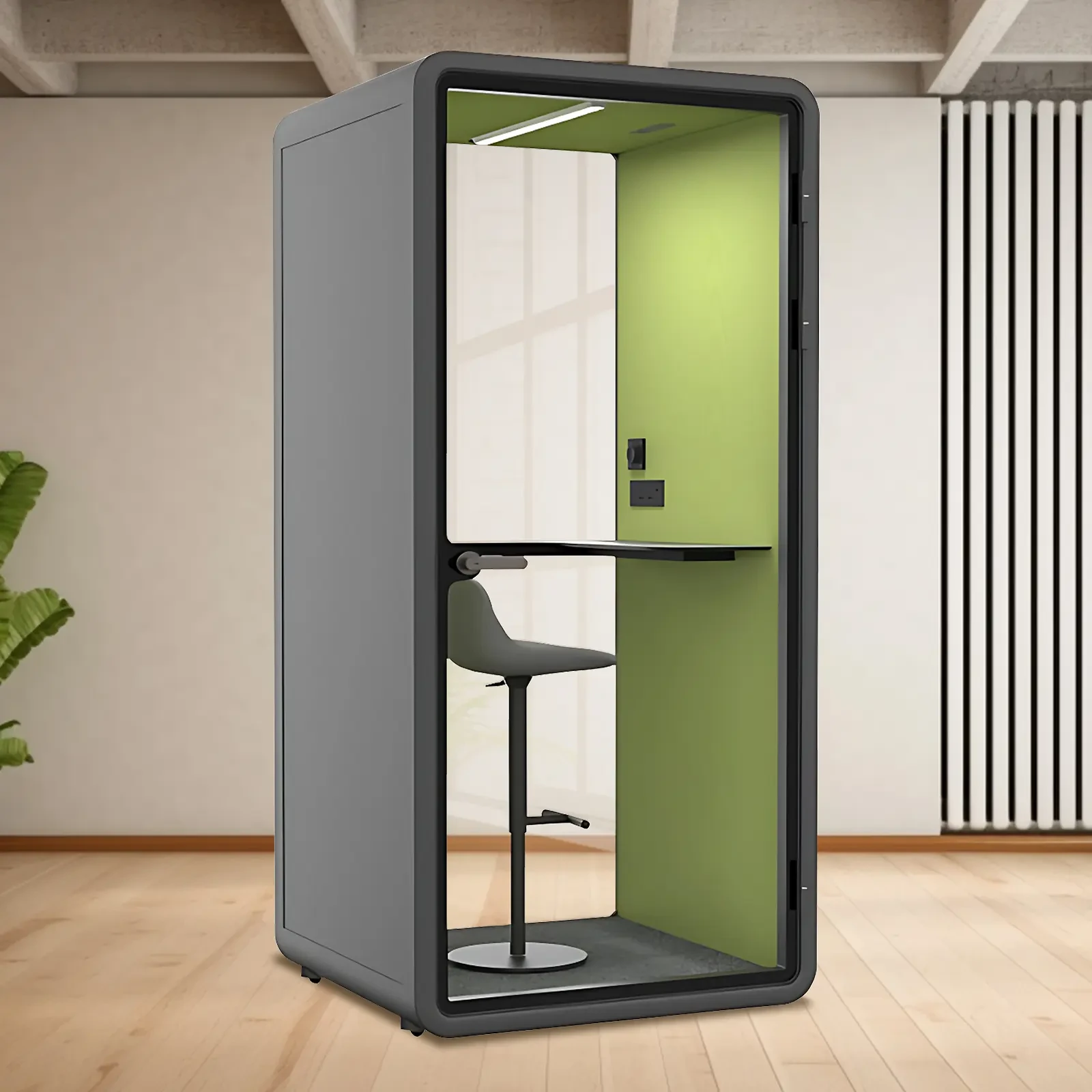
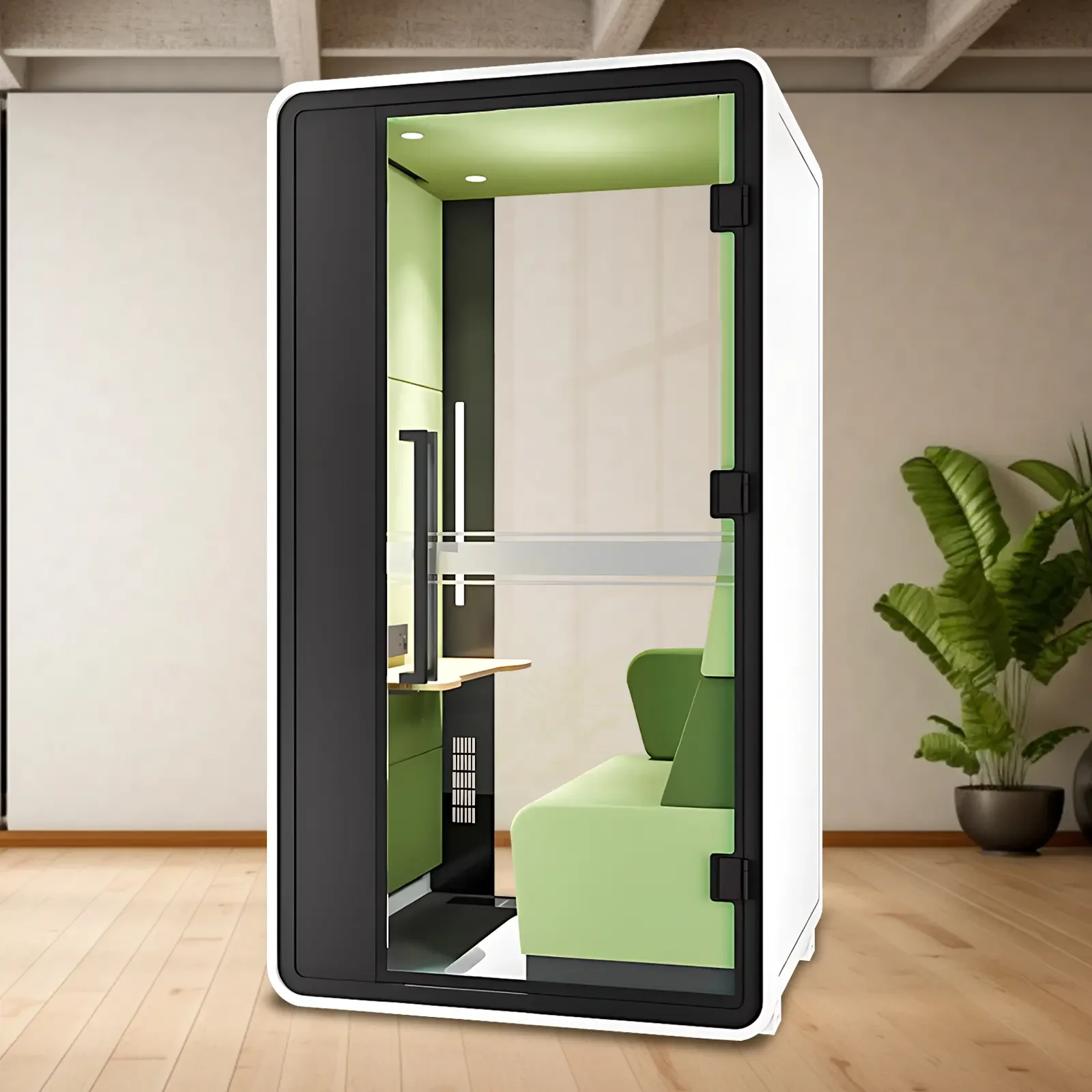
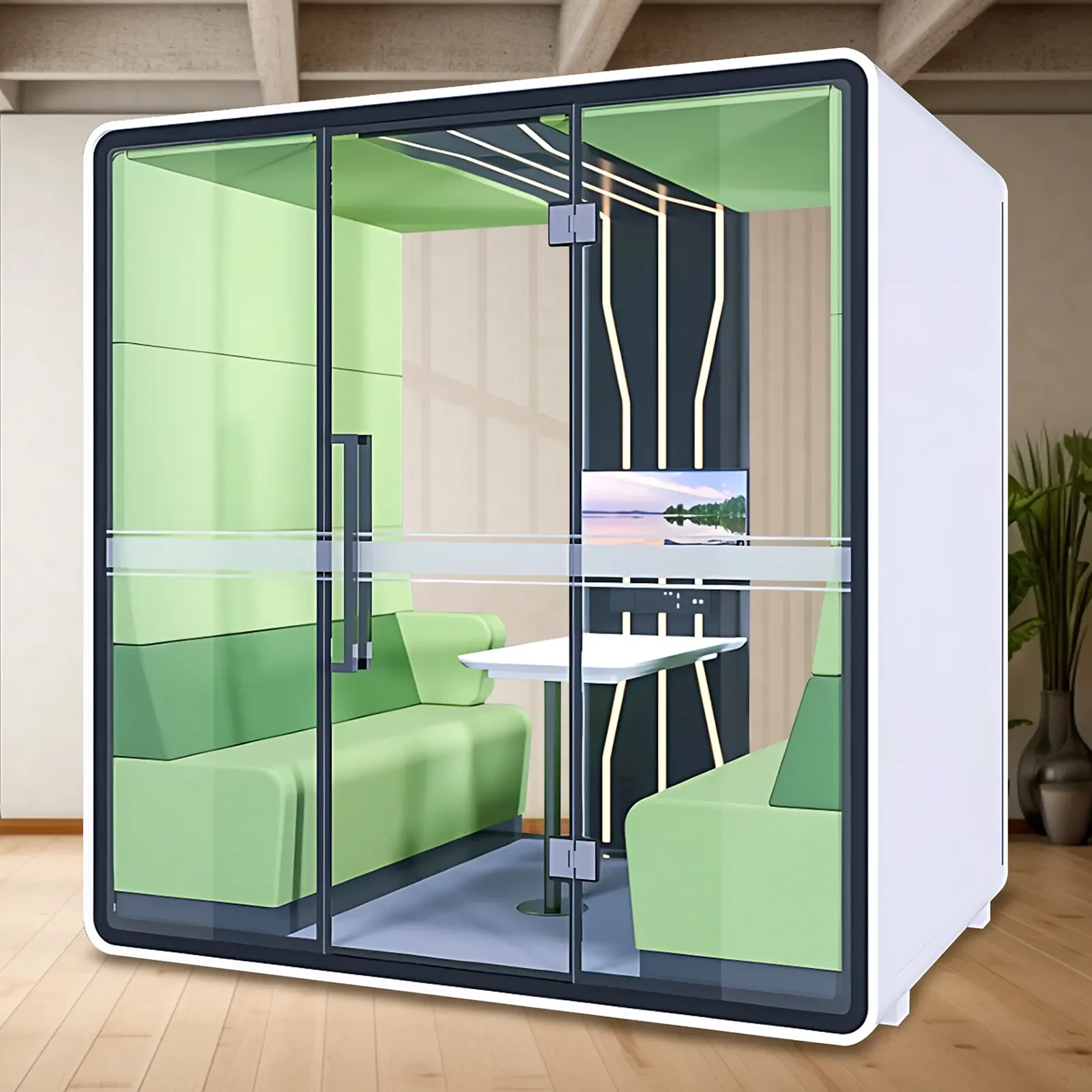
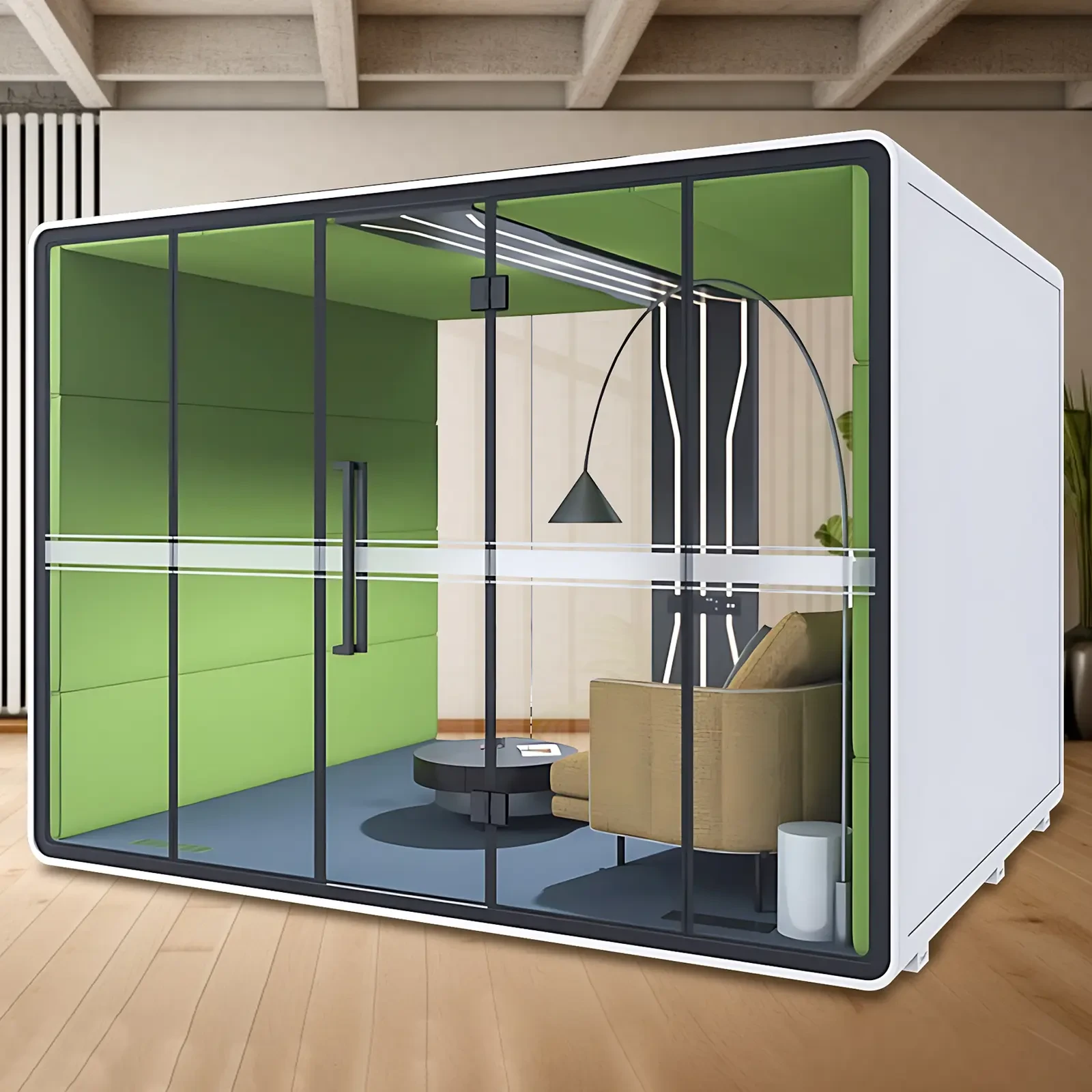
The school's quiet reading room provides a benefit to students.
In today's information-saturated world, students' learning environments face unprecedented challenges. Libraries and reading rooms, as temples of knowledge, should ideally be places for students to study quietly and think deeply. However, with the increasing richness of campus life and the increase in personnel flow, noise pollution has gradually become a major problem affecting the reading experience. In order to create a more focused and efficient reading environment for students, many schools have begun to introduce soundproof booths in their reading rooms. This initiative not only reflects the schools' profound understanding of students' learning needs but is also an important practice for the benefit and growth of students.
Soundproof Cabins: Guardians of Tranquil Spaces
. As the name suggests, soundproof cabins are small, independent spaces that isolate external noise through special materials and designs. In school reading rooms, these small and exquisite spaces act like islands of knowledge, providing students with a haven away from the hustle and bustle to focus on their studies. The interiors of soundproof cabins typically use sound-absorbing materials such as high-density foam and soundproof panels to effectively absorb and isolate external noise, ensuring a quiet environment. At the same time, good ventilation systems and lighting design make the interiors of the soundproof cabins both comfortable and bright, creating an ideal learning environment for students.
Enhanced Focus: A Catalyst for Learning Efficiency.
Inside the soundproof pod, students can focus on their books or learning tasks without distractions. Research shows that a quiet environment helps improve focus and memory, significantly increasing learning efficiency. For students who need in-depth reading, understanding complex concepts, or engaging in intensive thinking exercises, the soundproof pod is undoubtedly a valuable resource. Here, they can immerse themselves in their own learning world, free from external interference, thus absorbing knowledge more efficiently and improving themselves.
Personalized Learning: Respect for Differences.
Every student is a unique individual with different learning habits, preferences, and efficiencies. The introduction of soundproof pods provides students with a learning space that can be tailored to their individual needs. Some students prefer to think alone in a quiet environment, while others require a certain degree of privacy to maintain focus. The soundproof pods , with their flexibility and privacy, meet the diverse learning needs of students, demonstrating the school's respect for and support of students' individual development.
Promoting Exchange: Intellectual Collision in Tranquility
While the soundproof pods emphasize quiet and focus, they can also serve as bridges to foster communication among students. In the external area of the pods , schools can set up discussion areas or rest areas for students to exchange ideas and discuss during short breaks. This design ensures focused learning while providing opportunities for students to exchange thoughts and share insights. In such an environment, students can not only deepen their understanding of knowledge but also cultivate teamwork and critical thinking skills.
Mental Health: Creating a Safe Haven
For some students, the quiet pods in the reading room carry an even more important significance-they are a haven for their souls. Facing challenges such as academic pressure and interpersonal relationships, students sometimes need a space where they can lick their wounds and adjust their emotions alone. The quiet pods provide a relatively closed and private environment, allowing students to self-regulate and manage their emotions undisturbed. This sense of security is of immeasurable value in maintaining students' mental health and promoting their all-round development.
Environmental Protection and Energy Conservation: While pursuing an optimized learning environment, the school also emphasizes environmental protection and energy conservation in its green campus practices . The design of the soundproof cabins often utilizes environmentally friendly materials, reducing environmental impact. Simultaneously, through rational layout and the application of energy-saving technologies, such as LED lighting and intelligent temperature control systems, efficient energy utilization is achieved. This not only reflects the school's commitment to the green campus concept but also sets a good example for students' environmental protection.
Looking to the future:
With the development of technology and the updating of educational philosophies, the soundproof booths in school reading rooms will continue to evolve. In the future, we may see more intelligent soundproof booth designs, such as those that automatically adjust sound insulation through sound recognition technology and provide immersive learning experiences using AR/VR technology. These innovations will further improve students' learning efficiency and comfort, making reading rooms more diverse and personalized learning spaces. In short, the introduction of soundproof booths
in school reading rooms reflects a deep understanding of students' learning needs and is an important measure to benefit and promote students' growth. It not only improves students' learning efficiency and concentration but also promotes communication among students and their mental well-being. With the continuous advancement of technology and the ongoing updating of educational philosophies, we have reason to believe that future reading rooms will be more intelligent and human-centered, becoming a paradise for students to explore knowledge and realize their dreams. In this era full of challenges and opportunities, let us look forward to and strive to build a better learning environment, safeguarding the growth of every student.
X-comfot, your gateway to an efficient life. We are committed to becoming your most trusted brand of soundproof pod.
E-mail: support@x-comfot.com