
 USD
USD GBP
GBP
 EUR
EUR
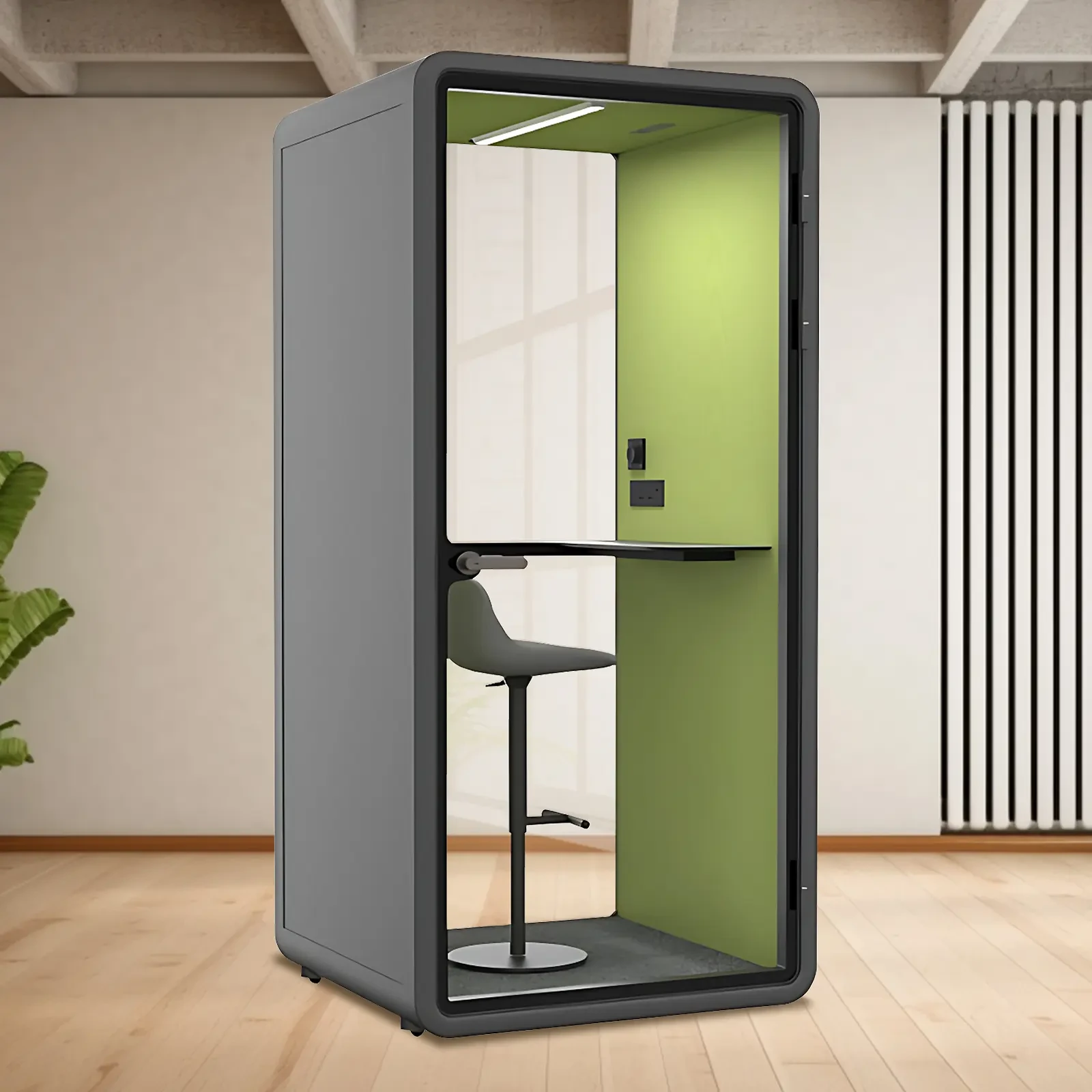
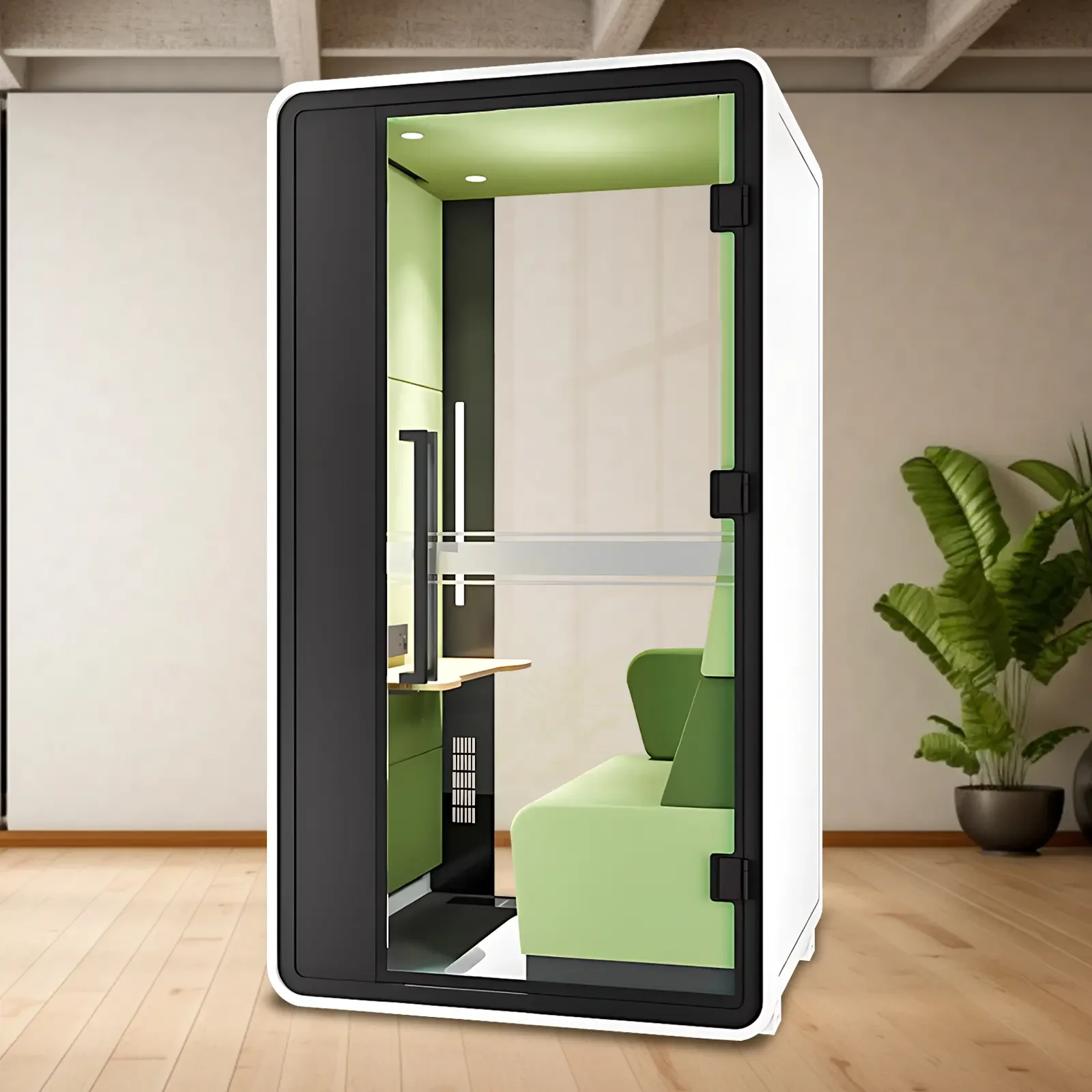
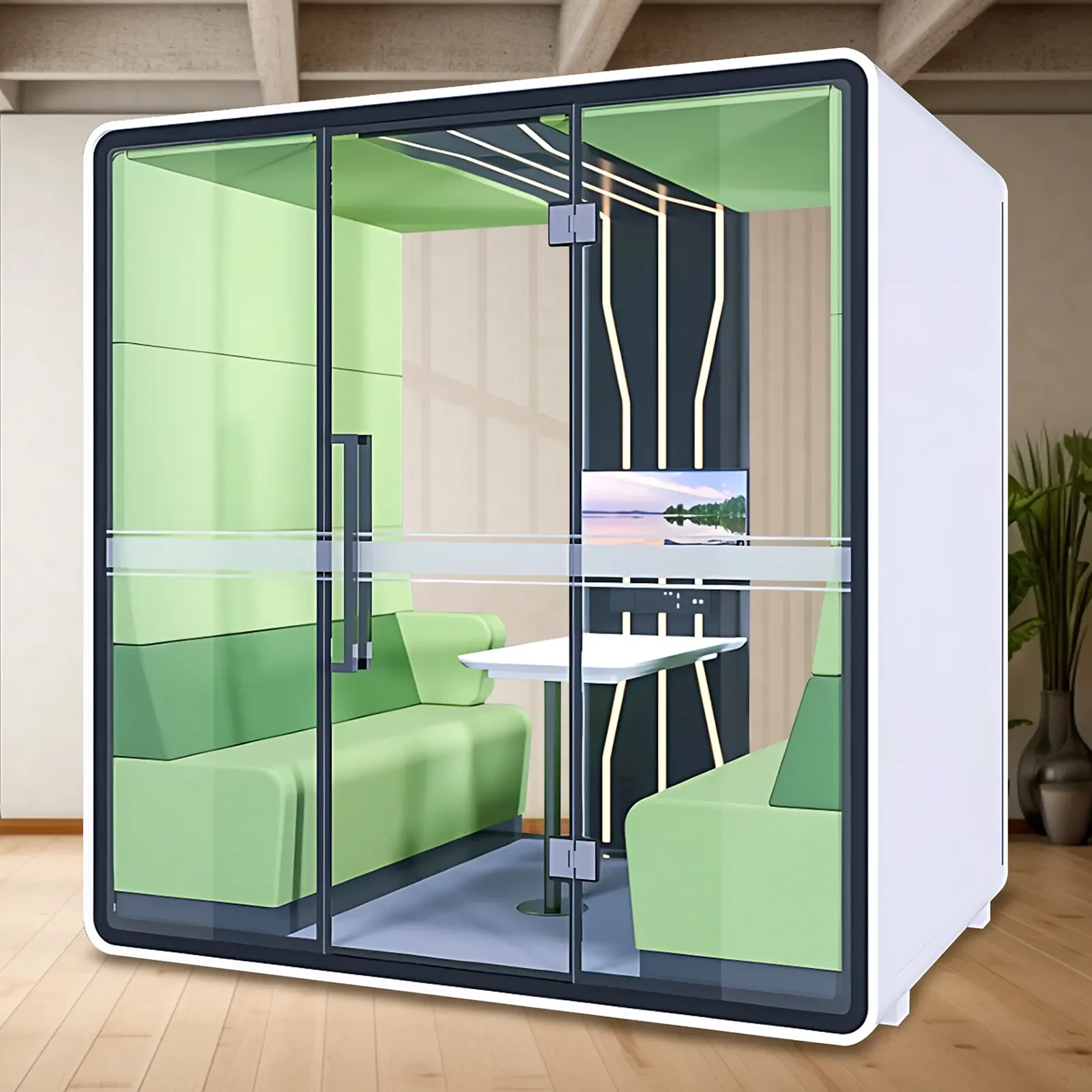
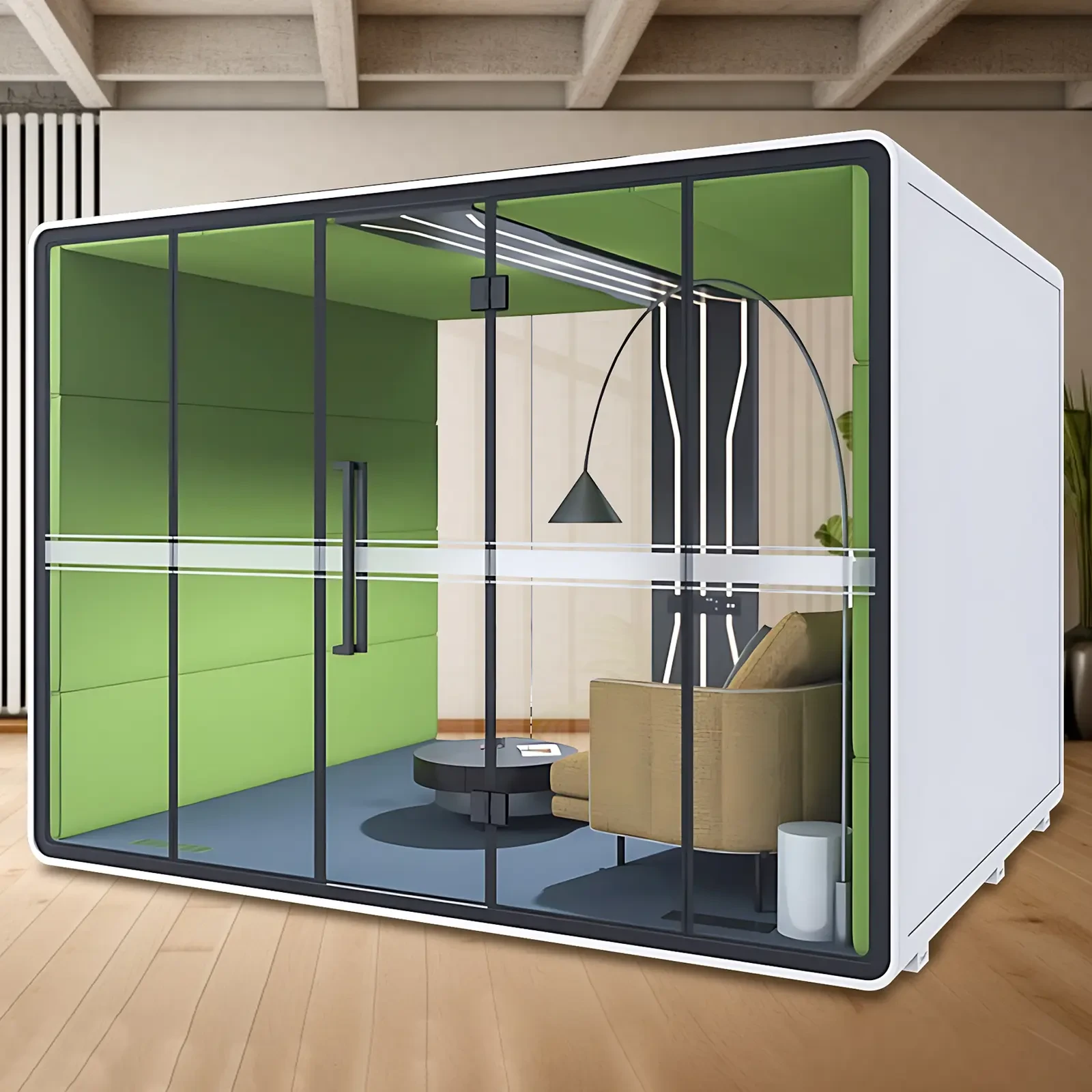
A silencer is a device used to reduce noise and is widely used in various fields. With the acceleration of industrialization and urbanization, noise pollution has become a significant problem in people's daily lives. Silencers not only effectively reduce the impact of noise on people's living and working environments but also protect equipment and improve work efficiency. This article will discuss the application scenarios of silencers and related technical requirements.
I. Application Scenarios of Silencers
1. Automotive Industry
The muffler is a key component of a car's exhaust system. Its main function is to reduce the noise generated by the engine and control the flow of exhaust gases. In car design, the muffler not only needs to effectively reduce noise but also ensure the airflow of the exhaust system to prevent negative impacts on vehicle performance.
2. Industrial equipment
In factories and production lines, various mechanical equipment generates significant noise during operation, impacting worker health and work efficiency. Therefore, silencers are widely used in industrial machinery, compressors, pumps, ventilation equipment, and more. These silencers generally need to possess characteristics such as high-temperature resistance and corrosion resistance to adapt to various harsh working environments.
3. Construction Engineering
Construction sites and urban construction generate significant noise pollution, impacting the lives of nearby residents. To address this issue, silencers are installed on construction equipment (such as excavators and concrete mixers) to effectively reduce noise during operation. Simultaneously, silencers are also used in building ventilation systems to reduce noise generated by airflow, improving the comfort of living or working environments.
4. Aerospace
With the increase in air traffic, aircraft noise has become an increasingly prominent issue. Silencers play a crucial role in aircraft engine exhaust systems, helping to reduce noise generated during takeoff and landing. Furthermore, some spacecraft launch systems also utilize silencers to reduce acoustic vibrations generated during launch.
5. Living Area
Silencers are also widely used in daily life. For example, in home heating, ventilation and air conditioning systems, refrigeration equipment, washing machines, etc., silencers are used to reduce the noise during operation, providing users with a quieter living environment.
II. Technical Requirements for Silencers
The design and manufacture of silencers need to meet a series of technical requirements to ensure their effectiveness and reliability in practical applications.
1. Noise reduction effect
This is one of the most important performance indicators for a silencer, ensuring its effective reduction of noise within a specific frequency range. Different applications have different noise requirements, therefore, thorough acoustic analysis and selection of appropriate materials and structures are essential during the design phase.
2. Temperature and pressure resistance
In high-temperature and high-pressure environments, such as automotive exhaust systems and industrial equipment, mufflers must be able to withstand high temperatures and pressures. When selecting materials, high-temperature resistant metals, such as stainless steel or aluminum alloys, are generally used to ensure that the muffler does not deform or fail under extreme conditions.
3. Hydrodynamic performance
The design of a silencer should take into account fluid flow to avoid affecting the pressure and flow rate of the exhaust system due to noise reduction. Optimized fluid dynamics design helps reduce exhaust resistance, thereby improving the overall performance of the equipment.
4. Structural strength
Mufflers often need to operate in harsh environments for extended periods, therefore their structure requires sufficient strength and corrosion resistance. Common muffler structures include multi-chamber designs and perforated tube designs, which help improve the durability of the muffler.
5. Weight and Volume
In the aerospace and automotive industries, the weight and size of mufflers are important factors affecting overall performance. The design must comprehensively consider both noise reduction effectiveness and product lightweighting, selecting appropriate materials and design forms to minimize the burden on the power system.
6. Ease of installation and maintenance
Mufflers should be easy to install and maintain, and the user experience should be considered during the design process. Mufflers that are easy to replace and repair can reduce maintenance costs and improve efficiency.
7. Environmentally friendly
With increasing environmental awareness, the materials and manufacturing processes of mufflers should also minimize their environmental impact. Recyclable materials and harmless production processes are part of modern muffler design, meeting the requirements of green manufacturing.
in conclusion
Silencers are increasingly widely used in modern society, serving not only to reduce noise but also to protect equipment and improve work efficiency. Analyzing the application scenarios and technical requirements of silencers ensures optimal noise reduction in practical applications. In the future, with continuous technological advancements, the design and manufacturing of silencers will become more sophisticated, helping people create a quieter living and working environment.