
 USD
USD  GBP
GBP
 EUR
EUR
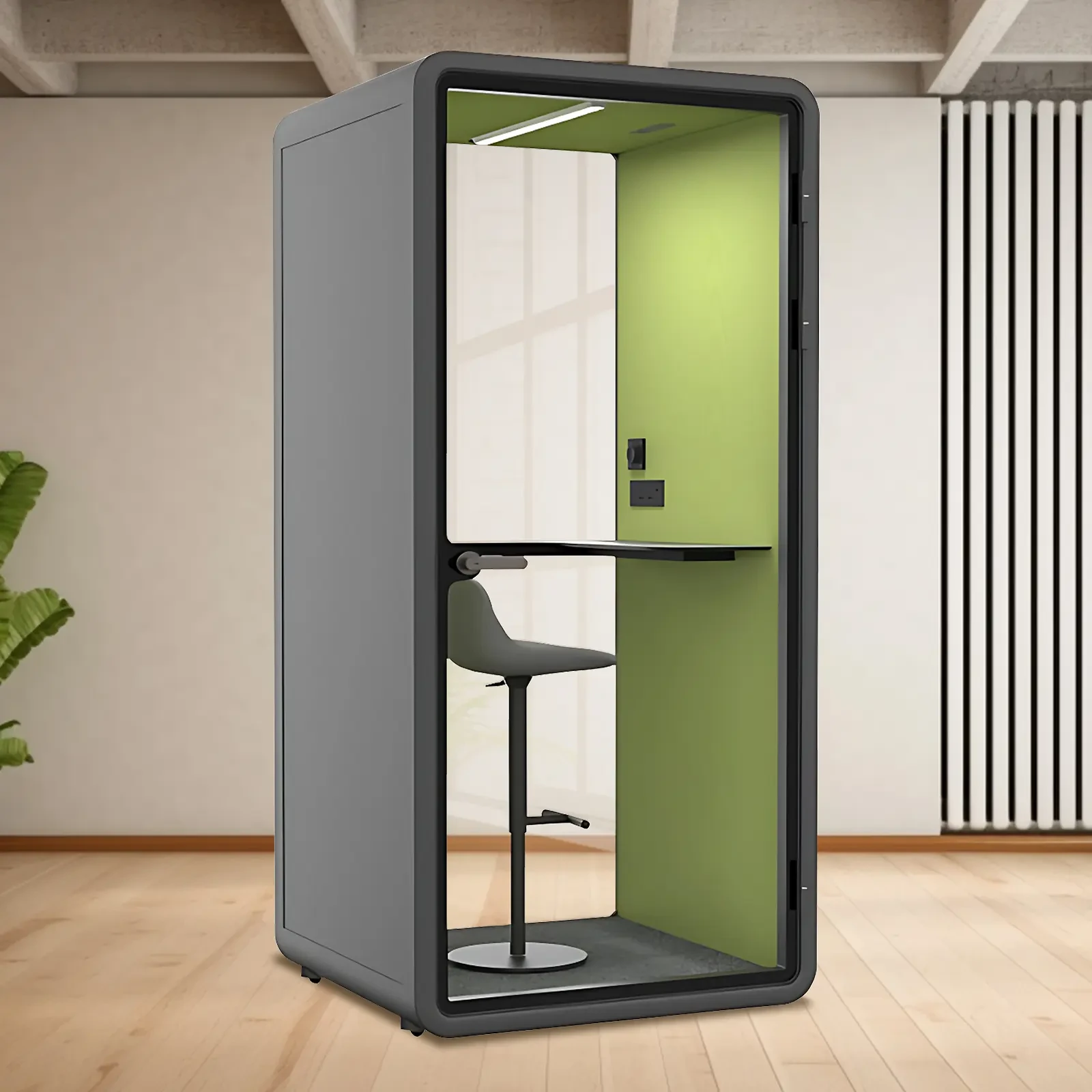
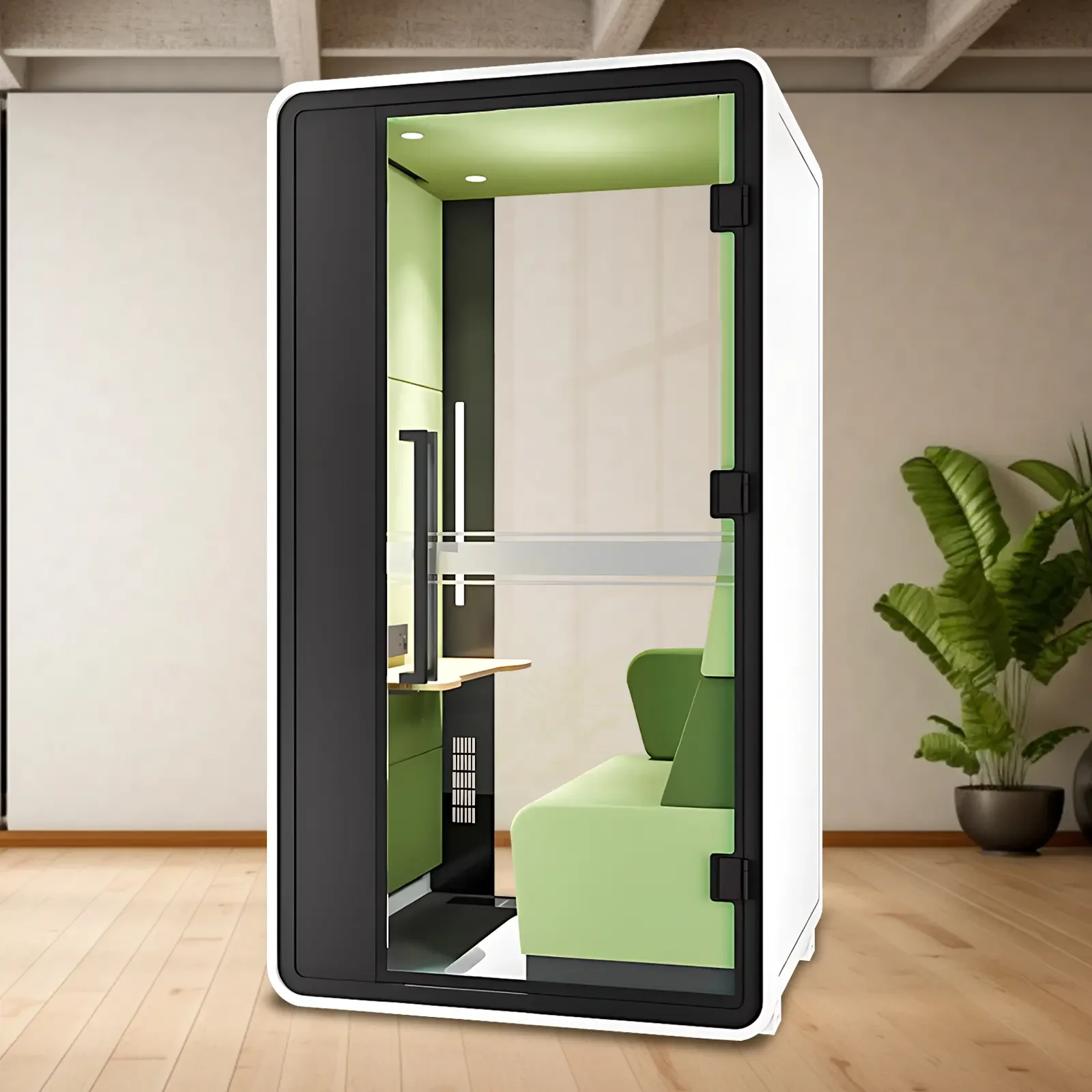
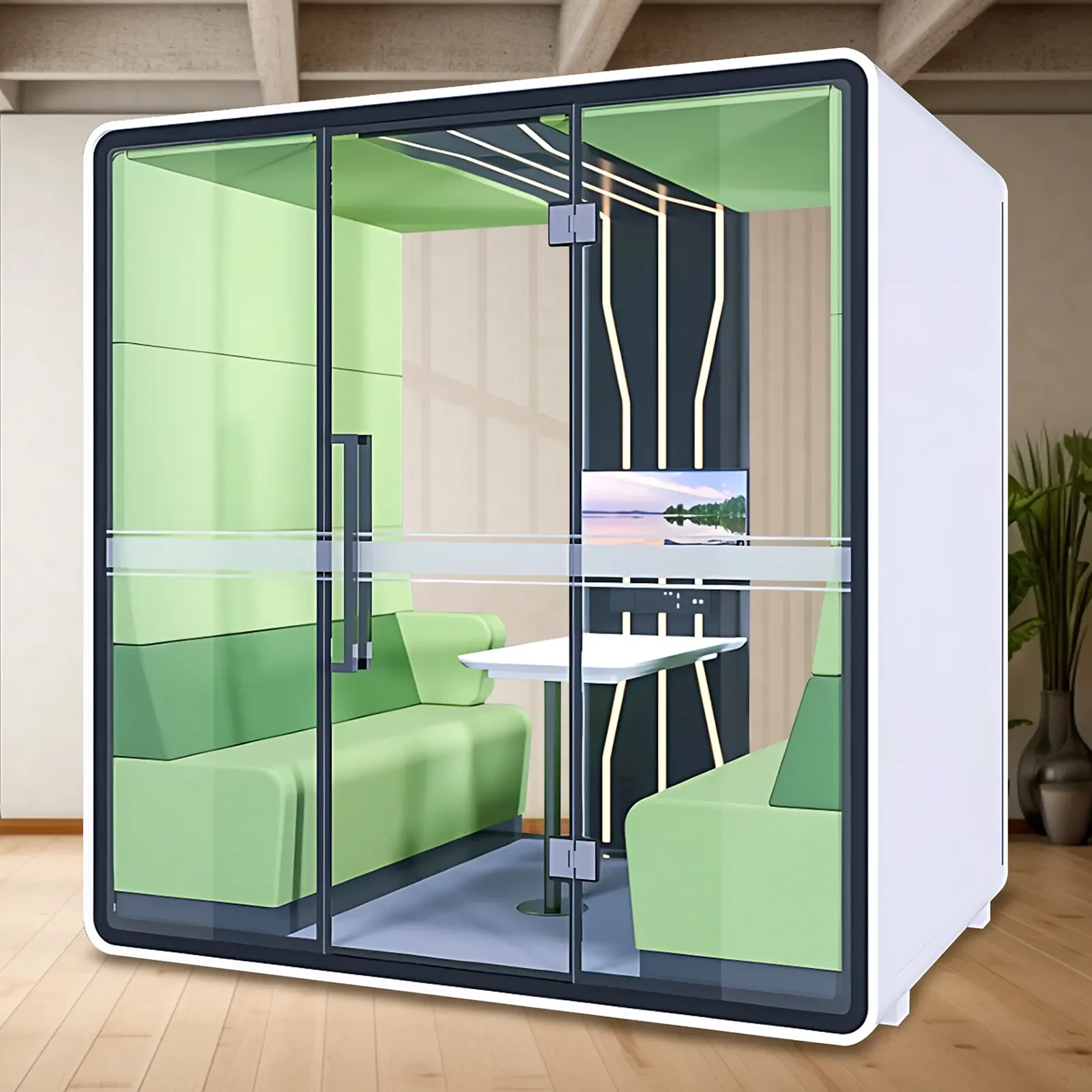
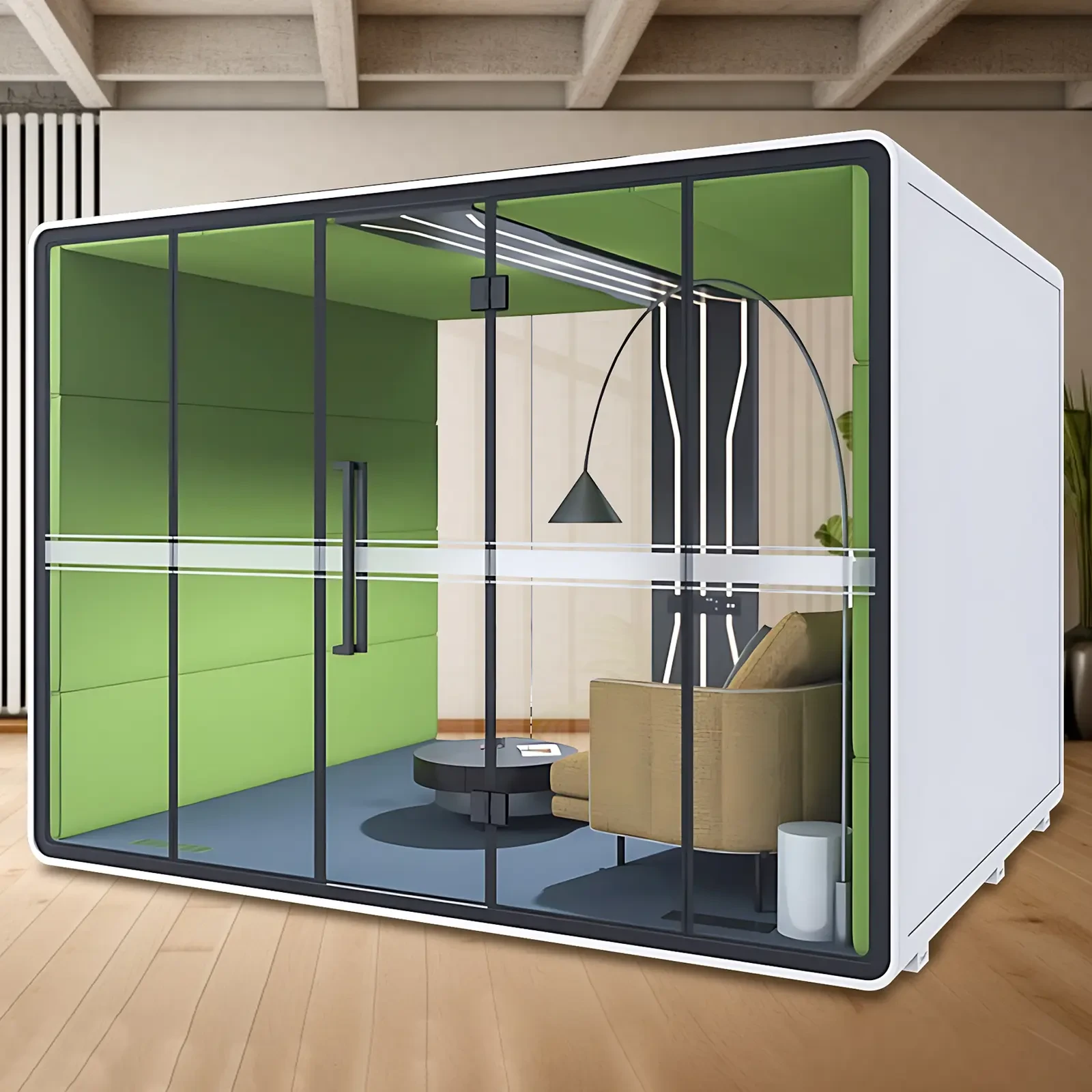
Villa wall sound insulation and suspension vibration reduction solutions
Noise pollution is a frequent source of annoyance in modern life, especially in relatively quiet environments like villas where a peaceful lifestyle is highly desired. Whether it's external traffic noise, neighborly activity, or indoor noise from furniture, effective sound insulation and vibration reduction have become crucial issues. This article will explore effective solutions for noise control in villas, including wall sound insulation, suspended vibration damping, and vibration isolation, to help you create a quiet and comfortable living space.
I. Sources and Impacts of Noise
Understanding the source of noise is the first step in solving the problem. Noise is generally divided into two categories: airborne noise and structure-borne noise. Airborne noise, such as human voices, music, and traffic noise, is generally transmitted through air vibrations, while structure-borne noise is transmitted through building structures, such as the sound of pipes and footsteps. Without exception, these noises affect the quality of life of residents, and long-term noise pollution can also lead to physical and mental health problems, such as insomnia, anxiety, and hearing loss.
As a high-end form of residence, villas are typically integrated with the natural environment, surrounded by lush greenery and birdsong. However, with rapid urbanization, noise pollution in the surrounding environment is becoming increasingly serious. Therefore, soundproofing is particularly important for villas. Effective soundproofing measures not only enhance living comfort but also increase the market value of the property, making it a crucial issue that every villa owner should prioritize.
II. Technical solutions for wall sound insulation
2.1 Use sound insulation materials
For wall soundproofing, the first consideration should be using professional soundproofing materials. Commonly available soundproofing materials include sound insulation cotton, plywood, and soundproof wall systems. When choosing soundproofing materials, their density, sound absorption performance, and fire resistance should be considered.
- Sound insulation cotton: Sound insulation cotton is a material with good sound absorption effect. It is usually made of polyester fiber or glass fiber and can effectively absorb sound waves and reduce echo.
- Plywood: Plywood, with its excellent physical properties and sound effects, adds a certain weight to the wall surface, thereby improving the sound insulation effect.
- Soundproof wall system: When constructing new walls, a double-wall design can be adopted, with a certain space between the walls to be filled with soundproofing material; additionally, beams and D-shaped seals can be added to the wall to significantly improve the soundproofing effect.
2.2 Wall structure modification
To improve the sound insulation of old buildings, the wall structure can be modified.
- Increase thickness: Increasing the thickness of the wall helps improve its sound insulation. You can choose to add a thicker layer of material to the wall and carry out secondary renovation.
- Hollow wall: Hollow wall design can be considered. This design significantly reduces the propagation of sound waves through the isolation of an air layer.
III. Suspension Vibration Damping and Isolation Scheme
In addition to wall sound insulation, the interior design of villas can also adopt floating vibration reduction and vibration isolation solutions to cope with vibrations and noise from other sources.
3.1 Suspended Floor
Suspended flooring is a modern home decoration method. Its principle is to separate the floor from the foundation and reduce direct contact through a suspended design, thus reducing the propagation of sound waves. For example, elastic rubber pads or springs can be used as the suspension medium, making it difficult for external vibrations to be transmitted into the room.
3.2 Suspended Ceiling
Similar to a suspended floor, a suspended ceiling leaves a space between the ceiling and the walls, using this structural design to isolate potential sound waves and vibrations. This design is often used in home theaters or music rooms, significantly improving sound quality.
3.3 Vibration Isolation Equipment
Installing specialized vibration isolation equipment inside villas is also an effective vibration reduction solution. These devices typically include vibration isolation pads and vibration isolation brackets, which can effectively withstand vibrations generated in daily life and prevent them from propagating through the building structure.
IV. Implementation Steps of the Sound Insulation Solution
When implementing noise and vibration control measures for villas, homeowners are advised to choose a suitable soundproofing solution based on their own circumstances and ensure the effective implementation of the measures.
4.1 Detecting Noise Sources
A detailed noise source test is conducted to assess the type and intensity of the noise, and then a corresponding soundproofing solution is developed.
4.2 Selecting suitable materials
Based on the characteristics of the noise source, select appropriate density and type of sound insulation materials and vibration damping equipment, and communicate with a professional construction team to ensure the quality of materials and the professionalism of construction.
4.3 Construction and Effect Verification
During construction, it is essential to ensure construction quality and verify the effects after completion to ensure that the sound insulation and vibration reduction effects meet the expected standards. A sound level meter can be used to quantitatively assess the sound insulation effect, ensuring that each measure is implemented effectively.
V. Conclusion
In summary, sound insulation and vibration damping solutions for villa noise control constitute a systematic project. Through appropriate material selection and professional construction techniques, homeowners can effectively isolate external noise and improve their living comfort. Furthermore, with increasing emphasis on living comfort, well-designed sound insulation and vibration damping solutions add even more value to villas. Through villa noise control, we have every reason to believe that the villa environment will become quieter and more comfortable.
X-comfot, your gateway to an efficient life. We are committed to becoming your most trusted brand of soundproof pod.
E-mail: support@x-comfot.com