
 USD
USD  GBP
GBP
 EUR
EUR
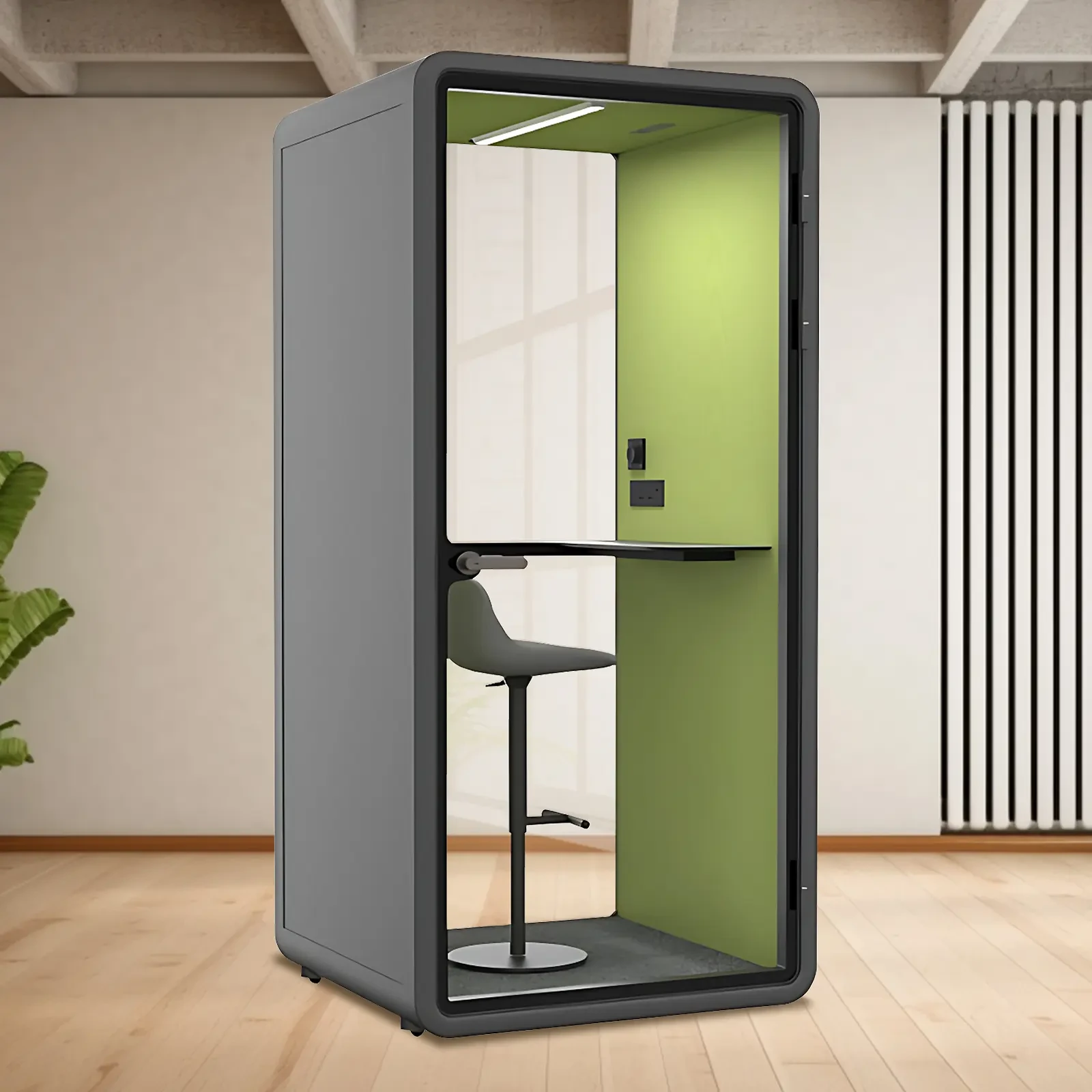
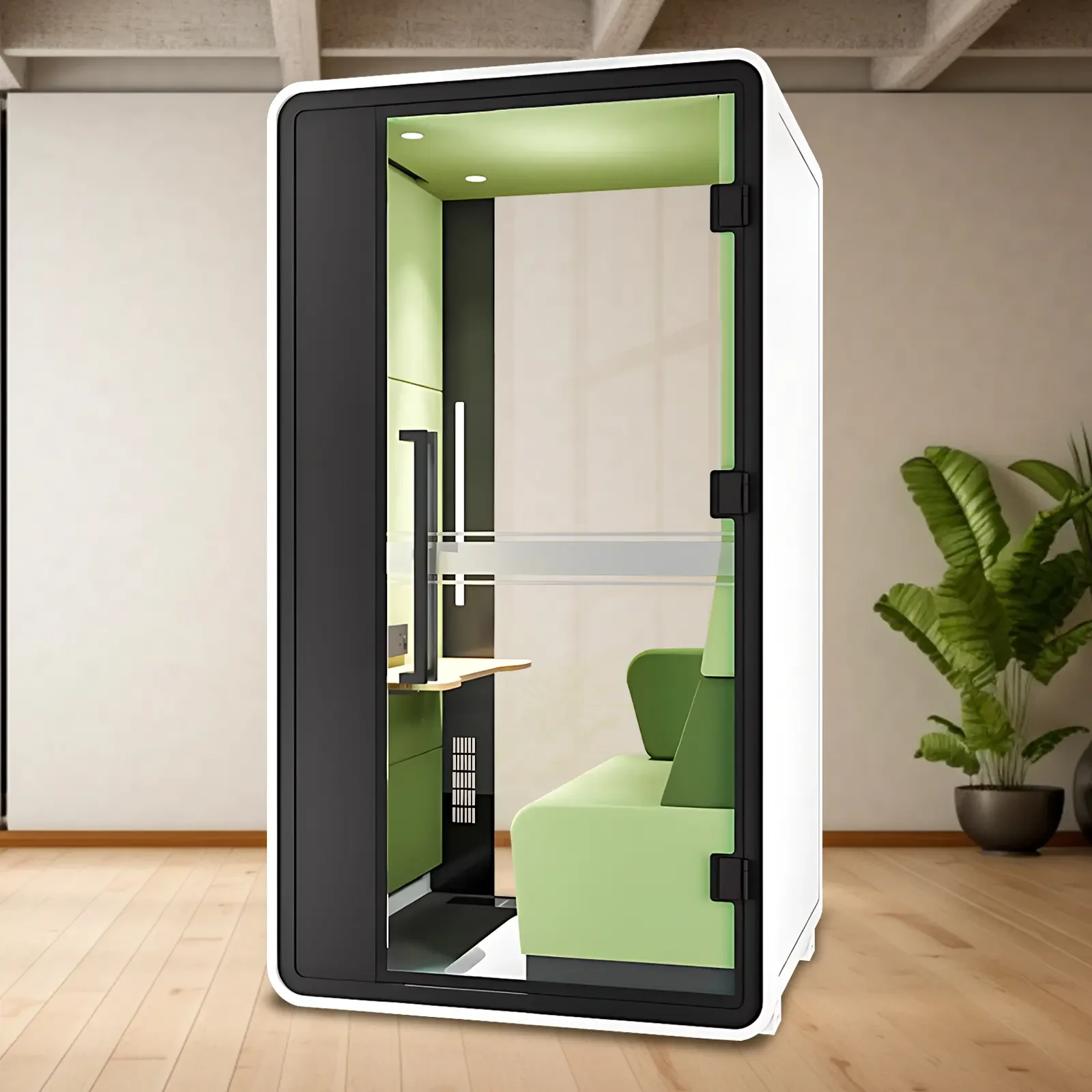
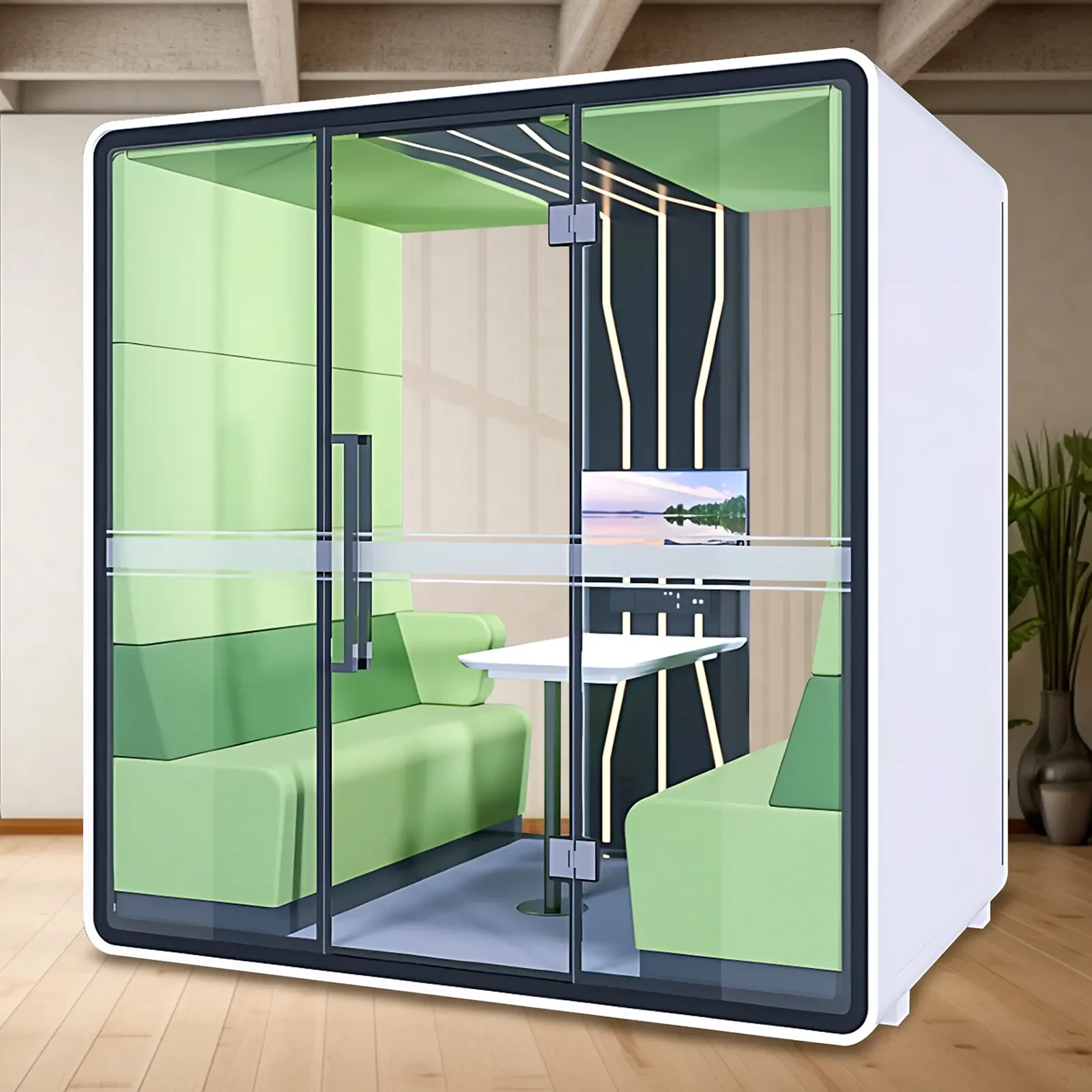
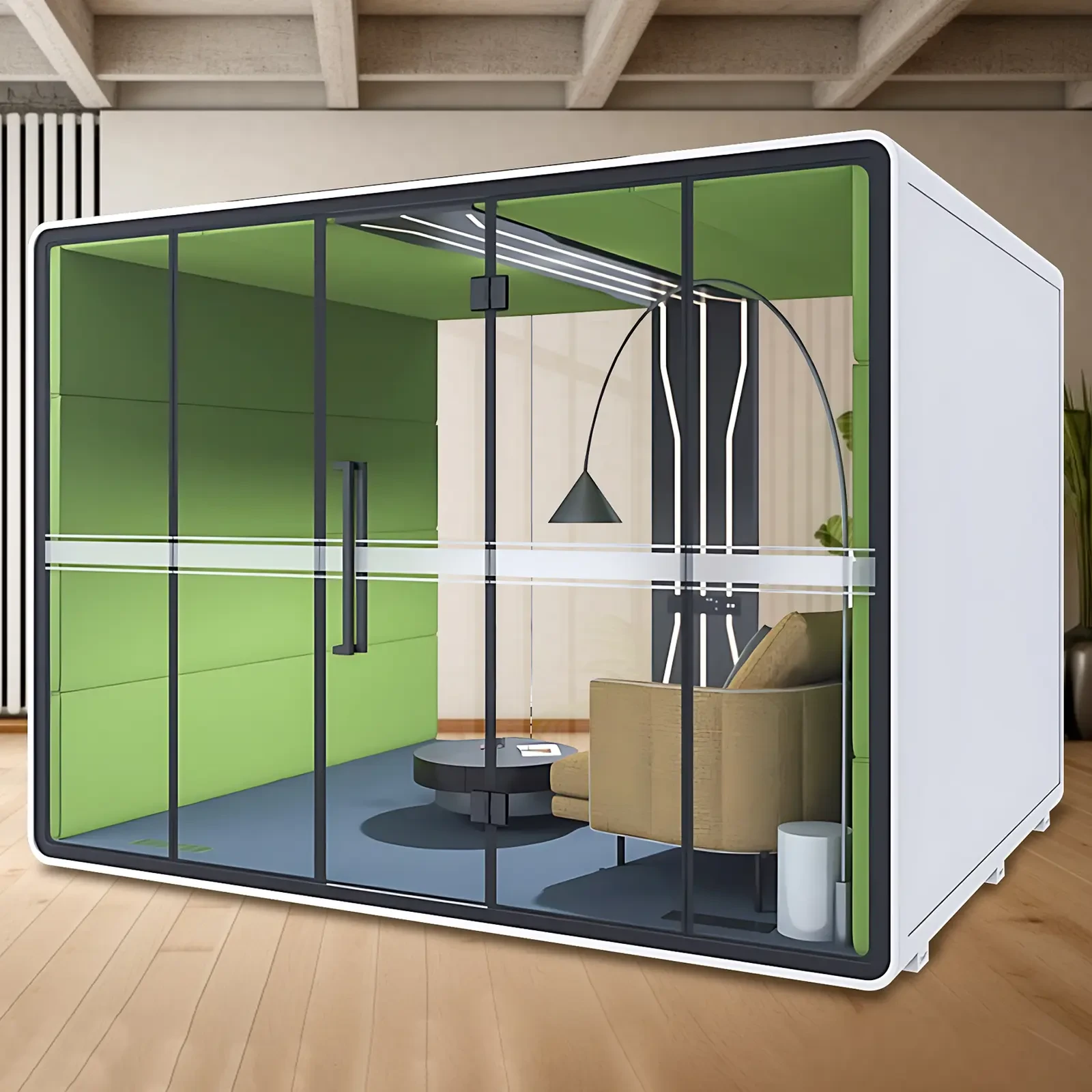
Methods and techniques for soundproofing KTV walls
In modern society, KTVs have become an important place for people's leisure and entertainment. However, good sound insulation is key to creating an ideal KTV environment. How to achieve the best possible sound insulation in KTV wall treatment has become a focus of attention for many people. This article will comprehensively analyze various methods and techniques for KTV wall sound insulation to help you create a noise-free and comfortable music space.
I. Understanding the Principles of Sound Insulation
Before discussing soundproofing for KTV walls, it's essential to understand the basic principles of soundproofing. Soundproofing prevents external sound from entering a room or internal sound from leaking out by reducing the speed at which sound travels through the air. Sound is a wave that travels through structures such as walls, floors, and ceilings. Therefore, the core of soundproofing lies in strengthening the barrier effect of the walls to reduce the speed of sound wave propagation.
1.1 Sound propagation pathways
Sound travels through solids, liquids, and gases, and its speed is generally faster, especially through solid structures. In a KTV environment, walls, ceilings, and floors are the primary pathways for sound propagation. Therefore, soundproofing solutions need to be designed comprehensively from multiple perspectives.
1.2 The difference between sound insulation and sound absorption
Sound insulation primarily prevents sound transmission, while sound absorption uses materials to absorb sound waves and reduce the reverberation of reflected sound. KTV wall treatment must consider both sound insulation and sound absorption to improve overall sound quality.
II. Selection of Sound Insulation Materials for Walls
To achieve good sound insulation, the choice of wall materials is crucial. A variety of materials can be used for soundproofing KTV walls; the following are some common and effective materials:
2.1 Sound-absorbing panels
Sound-absorbing panels are commonly used sound insulation materials, typically made of materials such as fiberglass and polyester fiber. These materials effectively absorb sound waves and reduce indoor echoes. When choosing a panel, the density and thickness of the material should be considered; the greater the thickness, the better the sound absorption effect.
2.2 Sound insulation cotton
Sound insulation cotton is a lightweight sound insulation material widely used in walls, ceilings, and floors. Its main advantages are high friction, significant sound absorption, and good fire resistance.
2.3 Gypsum board
Gypsum board is a traditional choice for soundproof walls, as it is easy to install and cost-effective. By stacking two layers of gypsum board, the sound insulation index of the wall can be effectively improved, achieving both sound insulation and fire resistance.
2.4 Multi-layer composite wall
In KTV wall design, multi-layered composite materials can be used for sound insulation, such as a combination of concrete, brick walls, and sound-absorbing materials. This method effectively blocks the propagation of sound waves and improves the airtightness and sound insulation of the walls.
III. Wall Design and Construction Techniques
The design and construction of the walls also affect the sound insulation effect. In actual construction, the following techniques can be used to improve the sound insulation performance of a KTV:
3.1 The airtightness of the wall
Ensuring the airtightness of the walls is crucial, as every gap in the wall can become a channel for sound leakage. Therefore, during construction, wall seams and corners must be carefully sealed, using sealant to fill gaps to achieve the best sound insulation effect.
3.2 Sloping Plane Design
A straight wall isn't always better; a sloping design helps disperse sound waves, changes their direction of propagation, and suppresses echoes. Therefore, irregular sloping surfaces can be considered in KTV wall design to enhance sound insulation.
3.3 Suspended Ceiling
Using suspended ceilings can effectively enhance sound insulation, as this design reduces the transmission of sound through the ceiling. Because there is a certain gap between the ceiling and the walls, vibration transmission is also reduced.
IV. The Relationship Between Wall Decoration and Sound Effects
The style of wall decoration not only affects the visual appeal of a KTV, but also influences the sound quality to some extent. A combination of a soft decorative style and sound-absorbing materials can reduce echoes, making singing sound more pleasant.
4.1 Color and Material Matching
Choosing soft colors to pair with sound-absorbing materials can improve sound quality while maintaining the aesthetics of the KTV. For example, dark velvet materials paired with dark walls can both absorb sound and add an elegant atmosphere.
4.2 Utilization of Plants
In KTV design, consider placing some sound-absorbing plants, such as a green wall. This not only improves air quality but also absorbs noise and enhances the overall sound effect.
V. Sound Insulation Test and Adjustment
After soundproofing is completed, an effectiveness test should be conducted promptly to ensure that the desired results are achieved. This can be evaluated using simple methods such as sound pressure level testing and echo time testing.
5.1 Sound Pressure Test
We use a professional sound pressure meter to test the sound pressure difference between the inside and outside of the KTV to ensure that internal noise does not affect the external environment. At the same time, we ensure that external noise does not affect the music effect inside the KTV.
5.2 Echo Time Test
The effectiveness of sound absorption can be judged by measuring the echo time of sound reflected from the wall. If the echo time is too long, it indicates that the sound-absorbing material in the wall is insufficient, and the amount of sound-absorbing material needs to be increased accordingly.
VI. Conclusion
Wall soundproofing is a crucial step in creating an ideal KTV environment. By selecting appropriate soundproofing materials, meticulous construction design, and effective sound adjustment, you can create a quiet and comfortable music space for your customers. At the same time, remember to continuously test and adjust the soundproofing effect to ensure your KTV operations remain at their best. If you want to enhance the overall KTV experience, consider starting with wall soundproofing. Combining the above aspects with your KTV wall treatment will undoubtedly bring a qualitative leap to your venue.
X-comfot, your gateway to an efficient life. We are committed to becoming your most trusted brand of soundproof pod.
E-mail: support@x-comfot.com