
 USD
USD  GBP
GBP
 EUR
EUR
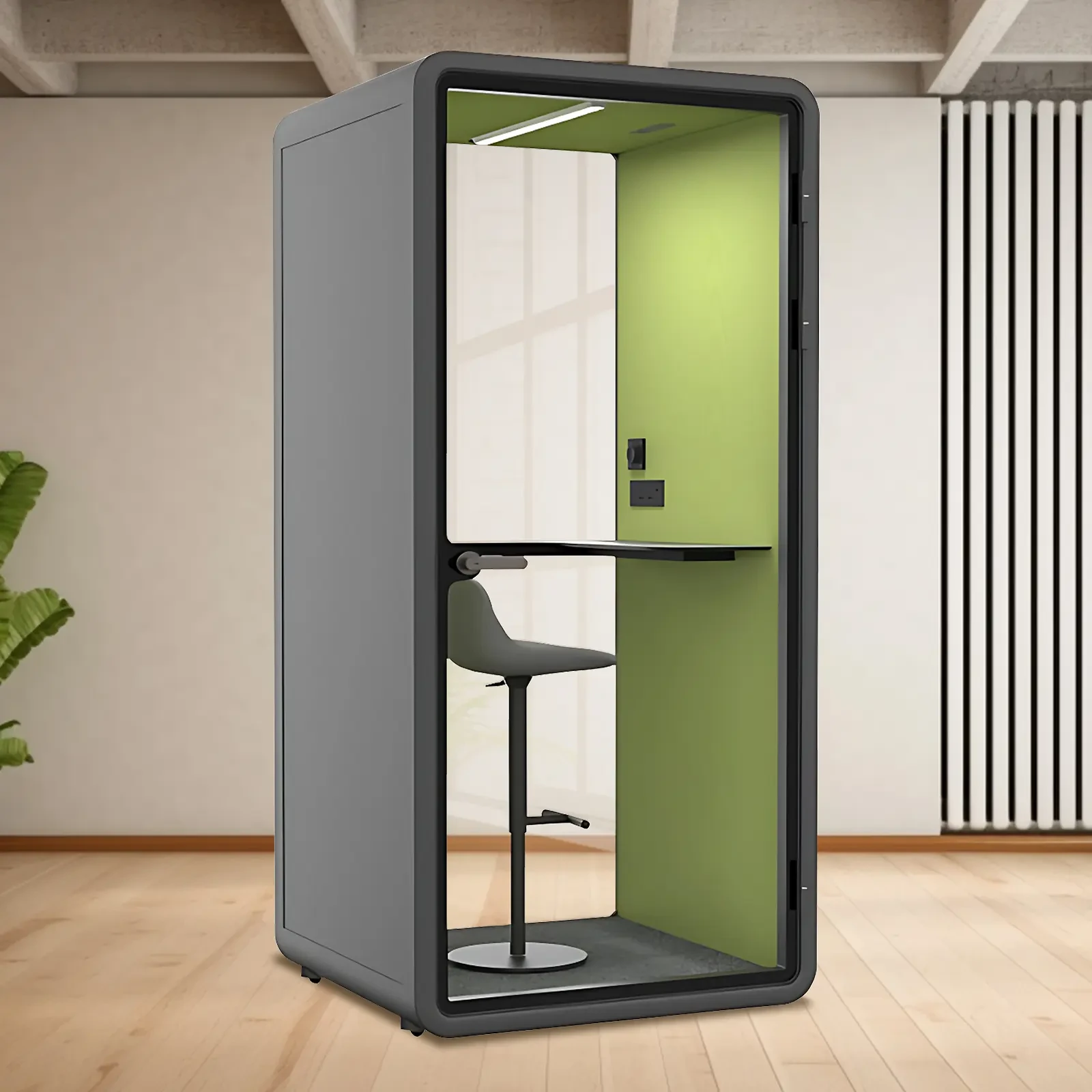
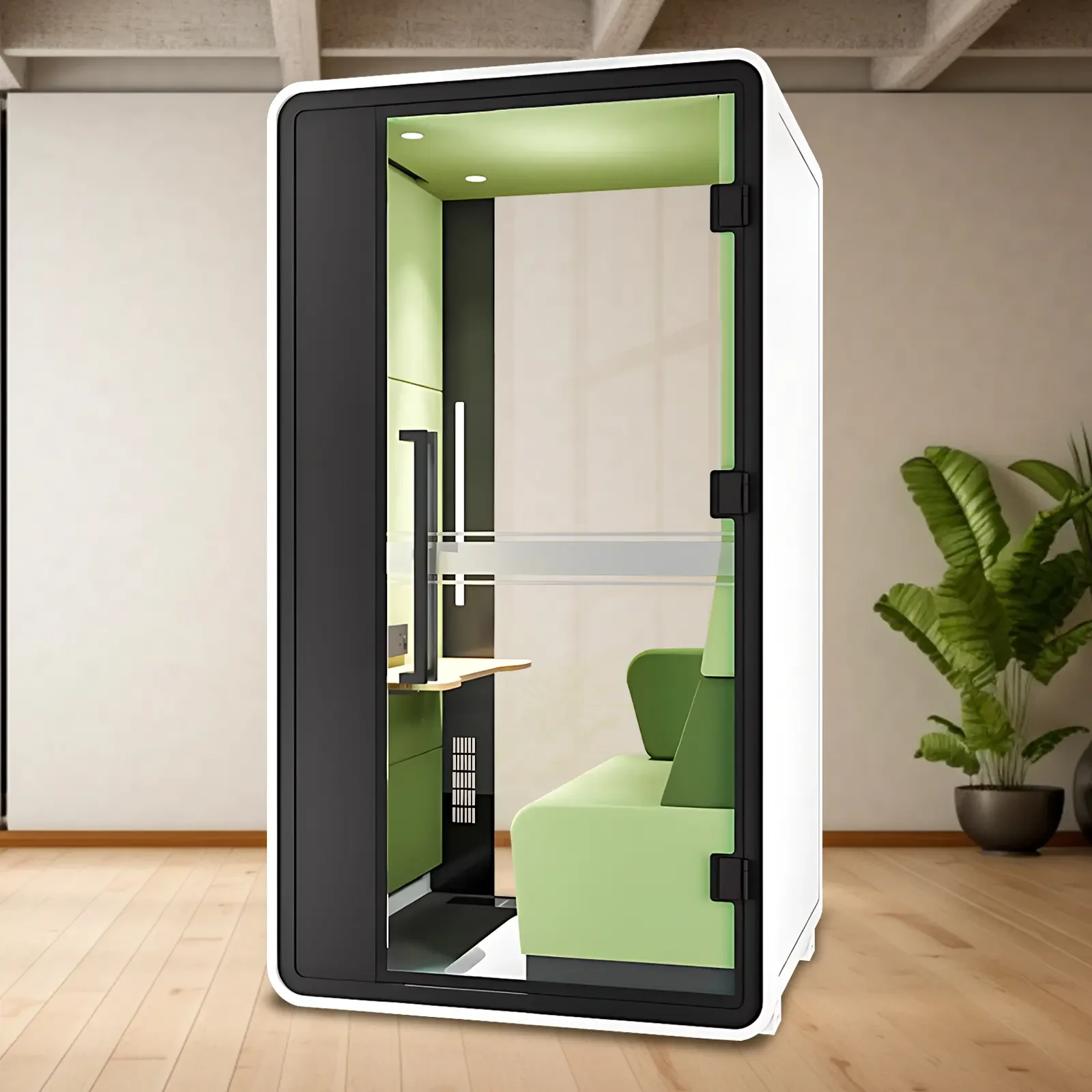
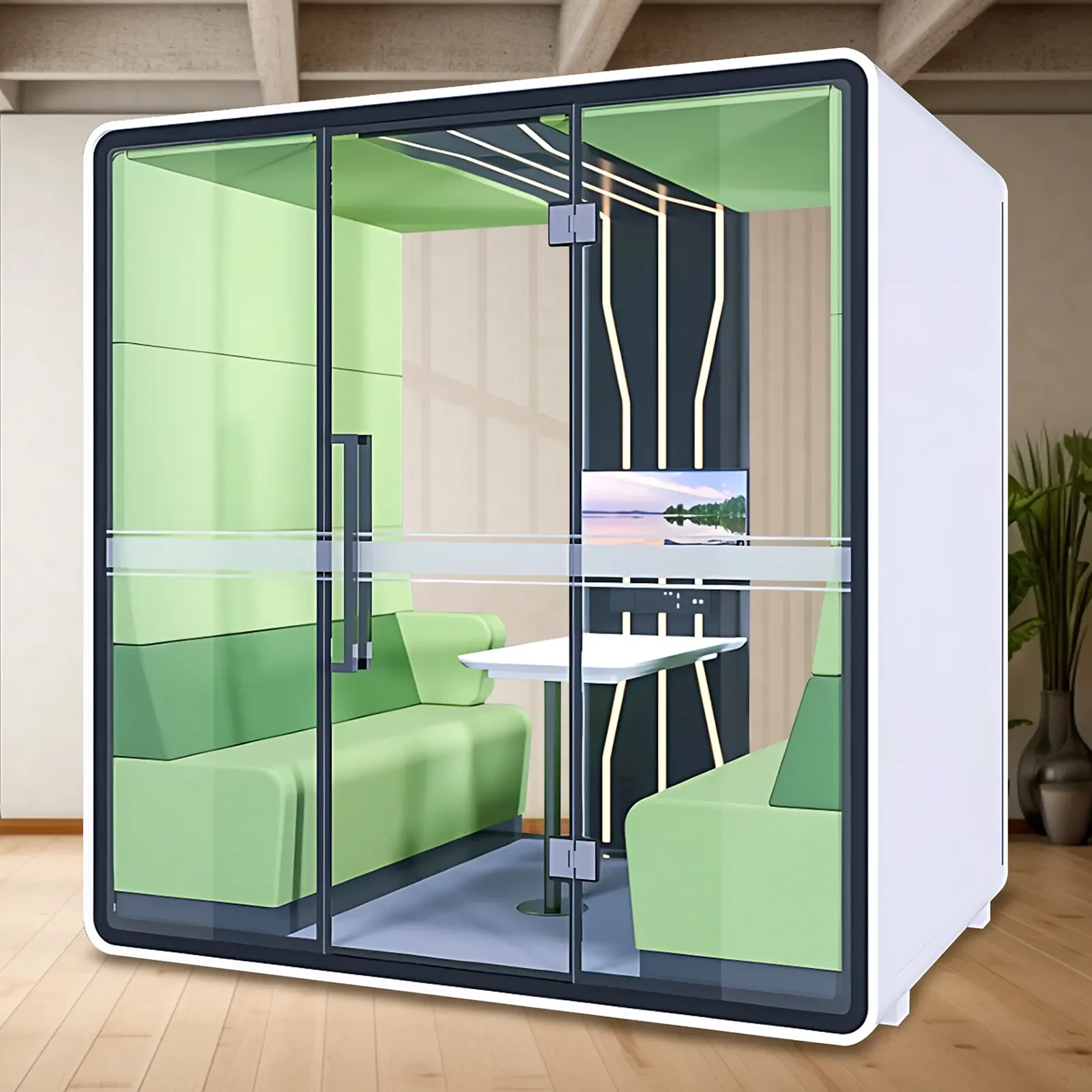
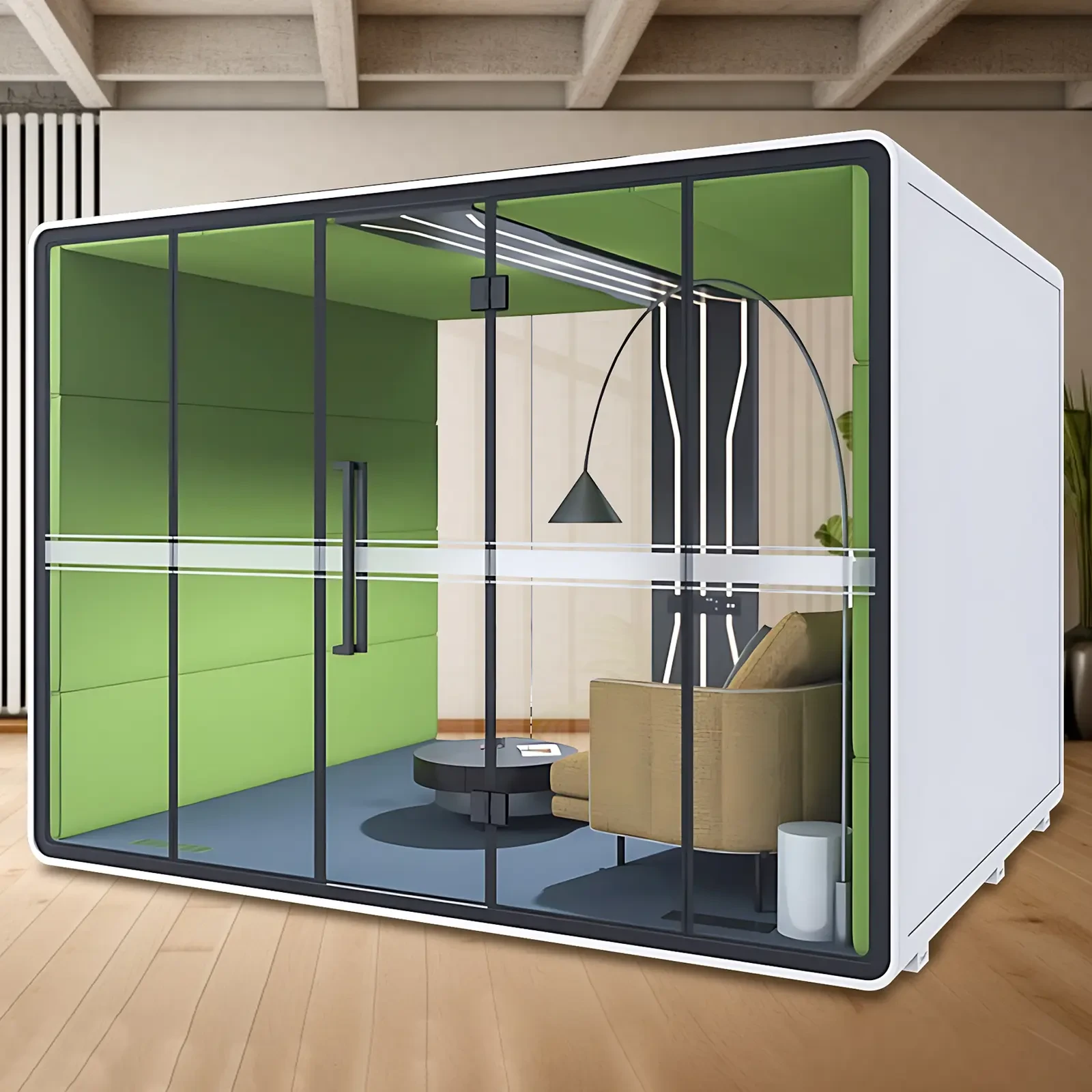
Why did all the residents of the Shanghai building suffer from the effects of a building-shaking device that was turned on for five consecutive years?
A high-profile neighborhood dispute has occurred in a Shanghai residential building. For five years, a resident, dissatisfied with neighborly relations, has repeatedly used a noise-generating device to harass the entire building, causing immense suffering to all residents. Behind this incident lies not only the willfulness and unreasonable behavior of a few individuals, but also prompting deep reflection on neighborly relations, social management, and legal protection. Why has such behavior persisted for so long without any intervention? Let's investigate.
I. The Dangers and Reasons for Using Building Shaking Devices
A vibrating device, also known as a shaking device, was originally a piece of equipment used in construction, road maintenance, and other fields. However, when this device is misused, it becomes a source of disturbance to neighbors. In this Shanghai resident's case, the vibrating device was used to target the neighbors, naturally causing considerable annoyance to everyone in the building.
Vibration devices generate intense noise through low-frequency vibrations that can penetrate walls and disrupt the daily lives of neighboring residents. This noise not only interferes with residents' routines but also poses a potential threat to their health. From headaches and insomnia to psychological stress, prolonged noise pollution undoubtedly harms the physical and mental well-being of residents.
As for why this resident chose to use a vibration device, it seems to conceal complex neighborhood conflicts and emotional tensions. Some netizens analyzed that it might have stemmed from trivial disputes, or differences in values and lifestyles, ultimately escalating into an irreconcilable conflict. This almost retaliatory behavior plunged the entire community into fear and anxiety.
II. The Root Causes of Neighborhood Conflicts
Neighborhood relationships are often built on shared habits and mutual understanding. However, with societal development and a faster pace of life, communication between people is decreasing, and conflicts are increasing. This is especially true in densely populated cities, where neighborhood disputes occur frequently.
In this case, the resident's relationship with their neighbor may not have been harmonious, and the conflict may have stemmed from trivial matters such as noise, parking spaces, and the use of public facilities. Over time, the conflict escalated, ultimately leading to an inexplicable act of revenge.
As psychology reveals, conflicts easily arise when interpersonal relationships lack effective communication. The two sides failed to compromise and coordinate at the outset of the problem, only escalating into confrontation when the conflict intensified.
III. Challenges Facing Social Management
In this context, issues of social management and legal rights protection become particularly prominent. How to effectively handle neighborhood disputes and protect residents' legitimate rights is a pressing problem that needs to be solved. The strength of law enforcement and the effectiveness of community management directly impact residents' quality of life.
First, while the law defines noise pollution, it is often difficult to enforce. In practice, disputes between neighbors often rely on individual complaints and evidence, lacking effective supervision and intervention. Furthermore, it is difficult to determine whether the use of noise-generating devices constitutes a disturbance through direct measurement.
Furthermore, the role of community management organizations cannot be ignored. A positive community atmosphere can effectively reduce neighborhood disputes, while the intervention and mediation of administrators can effectively resolve potential conflicts. However, in practice, some communities do not handle complaints promptly or adequately, and residents' reasonable demands fail to receive timely feedback and solutions, thus exacerbating conflicts.
IV. The Dilemma of Law and Rights Protection
For residents troubled by "vibrating devices," the road to seeking redress is not smooth. Many choose to file complaints through legal means, but due to outdated laws and weak enforcement, the problems remain unresolved.
In some cases, even though victims report the problem to the police or file complaints, they still struggle to receive effective protection. Some residents stated that after multiple complaints, police officers were sent to investigate, but the actual noise from the vibration devices quickly returned, leaving them feeling helpless and anxious. Over time, residents have gradually lost faith in their rights, and many have even chosen to remain silent, allowing this injustice to continue.
V. Suggestions for Improving Neighborhood Relations
In such situations, improving neighborly relations is particularly important. Here are some suggestions for urban residents to consider in their daily lives:
1. Enhance communication: Regularly organize residents' meetings to strengthen communication and understanding among neighbors, especially to conduct in-depth discussions and consultations on some common issues.
2. Establish a neighborhood mutual assistance mechanism: By establishing a neighborhood mutual assistance network, we can enhance connections and interactions within the community, thus creating a more harmonious living environment.
3. Strengthen community management: It is hoped that community managers can establish a timely and effective feedback mechanism to intervene and mediate neighborhood disputes in a timely manner.
4. Legal Education and Protection: Strengthen legal knowledge dissemination among residents to enhance their legal awareness and ability to protect their rights.
VI. Conclusion
Harmonious neighborly relations are crucial to everyone's quality of life, and the aforementioned incident reflects problems in my country's social management and legal rights protection. It is hoped that this attention will raise awareness and call on all sectors of society to work together to improve neighborly relations and create a more harmonious living environment for residents. Only through mutual respect and active communication can we find that long-lost peace and harmony in our urban lives. In the days to come, let us work together to build a better "home"!
X-comfot, your gateway to an efficient life. We are committed to becoming your most trusted brand of soundproof pod.
E-mail: support@x-comfot.com