
 USD
USD  GBP
GBP
 EUR
EUR
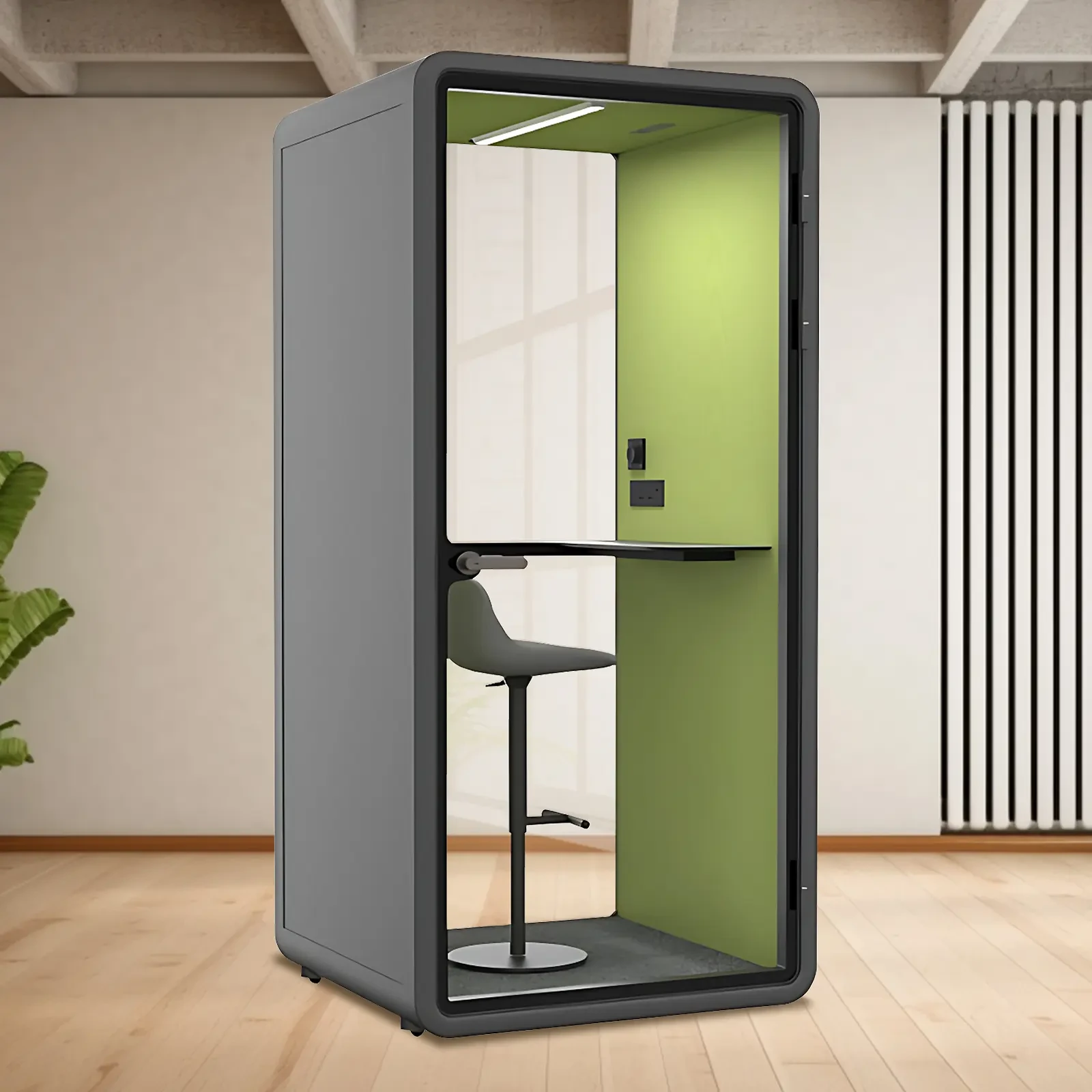
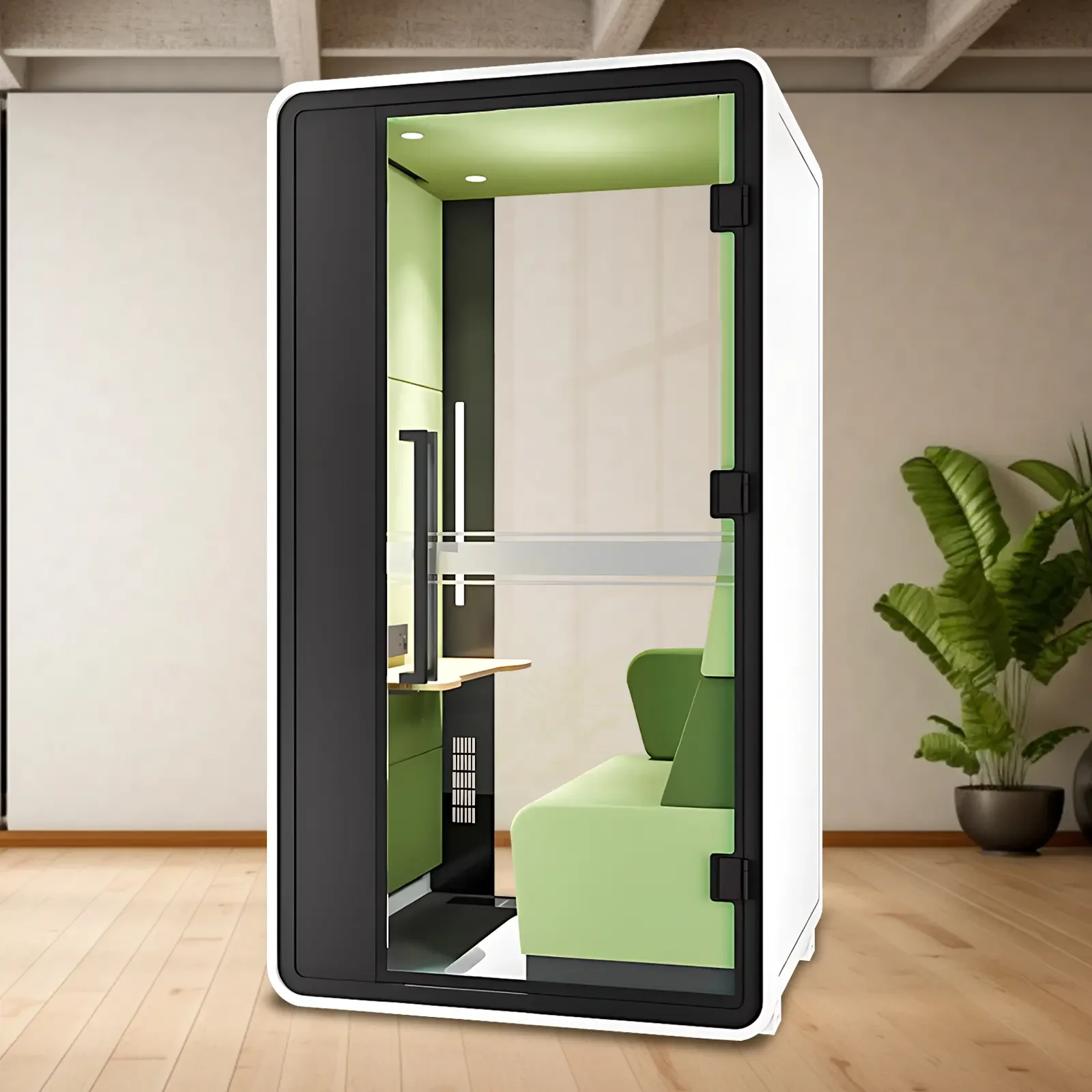
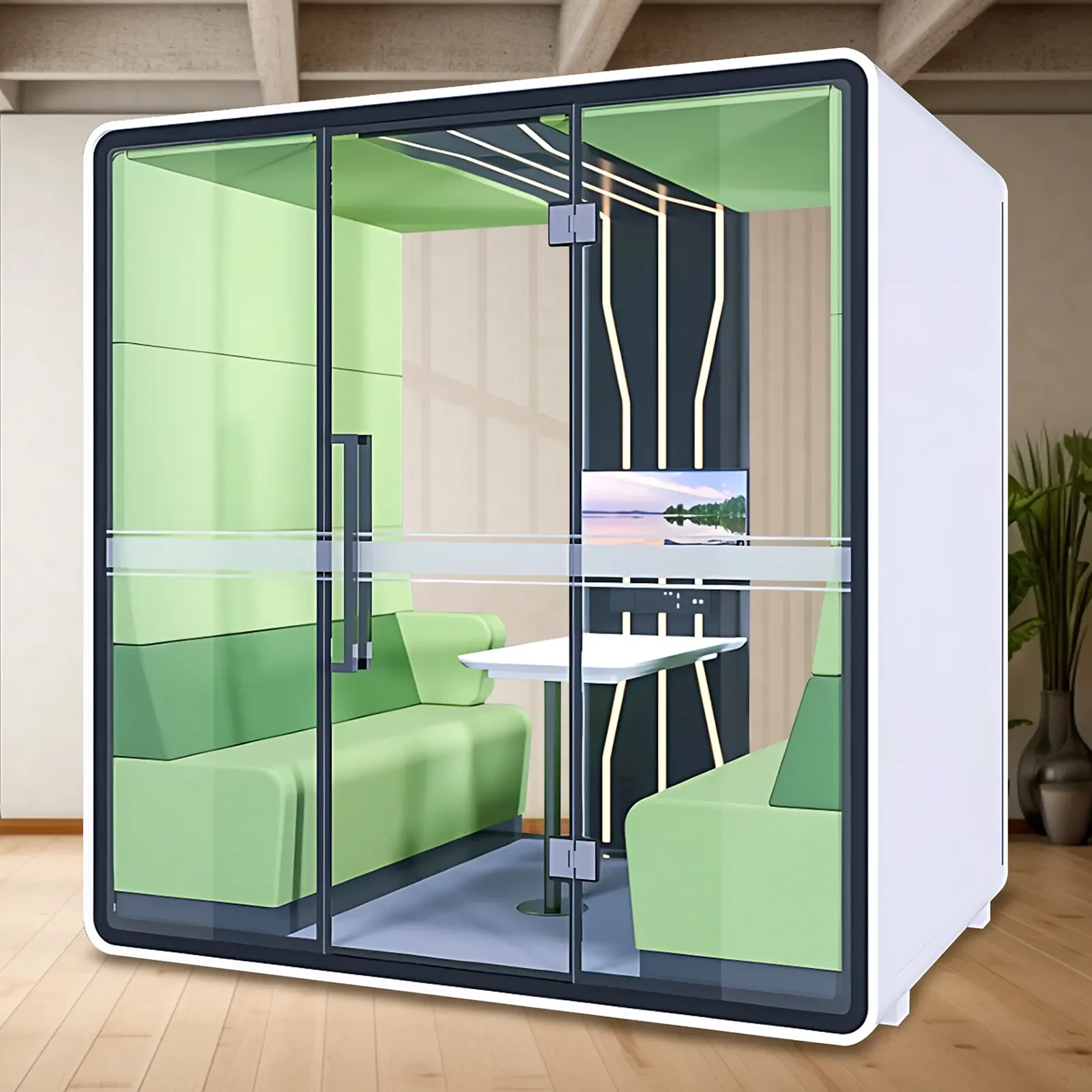
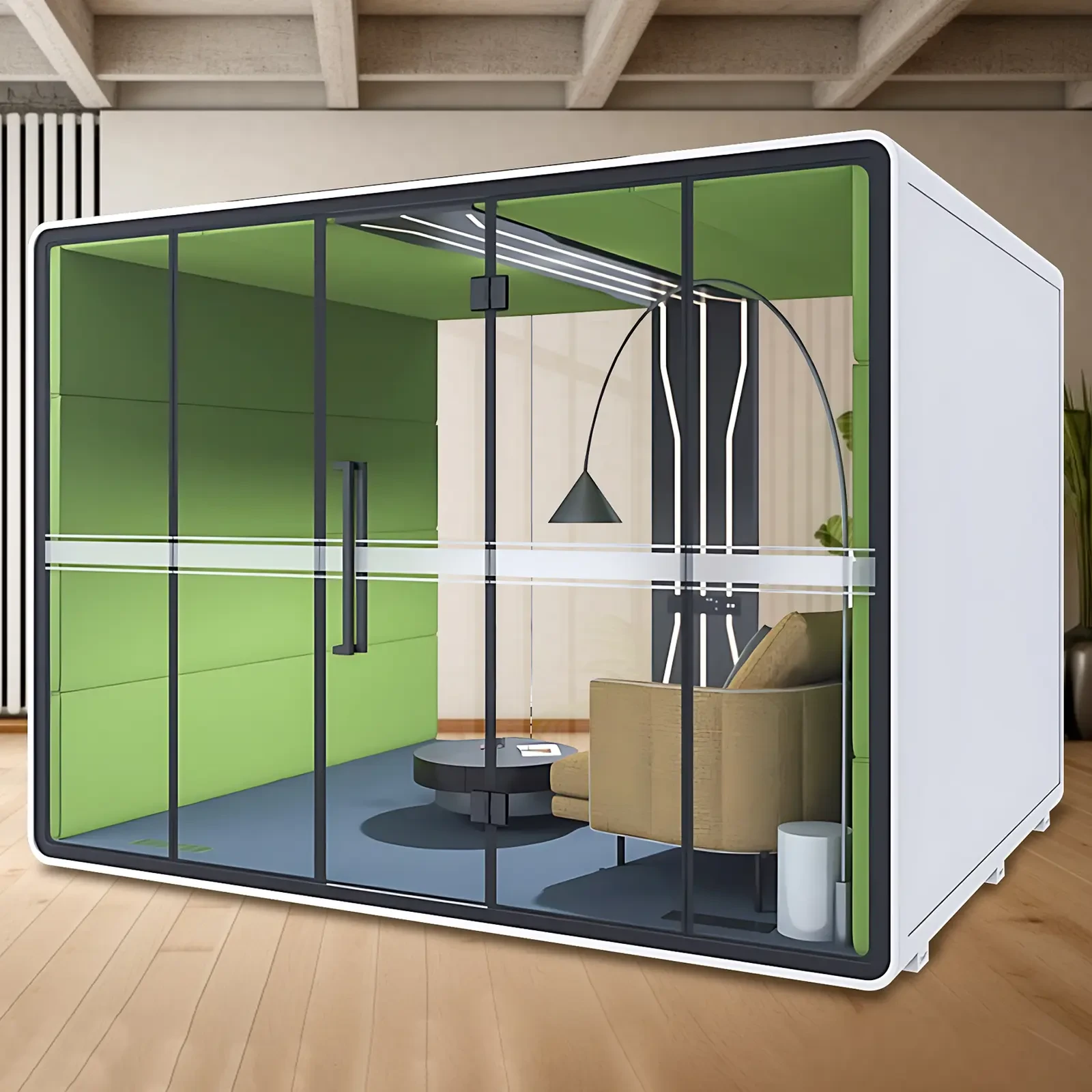
Best solution for soundproofing office walls
Noise pollution has become a pressing issue in modern office environments, especially in open-plan offices. Office wall treatment not only affects aesthetics but also directly impacts employee productivity and mental well-being. Therefore, choosing appropriate soundproofing materials and treatment methods can effectively reduce noise and improve employee comfort and work quality. This article will explore in depth how to soundproof office walls to achieve optimal sound insulation results.
I. Sources of Office Noise
Noise sources in an office are diverse, including colleagues talking, telephones ringing, printers clicking, and external traffic noise. These noises not only interfere with employees' concentration but can also lead to anxiety and stress, thereby affecting work efficiency and teamwork.
Effective noise management begins with identifying the noise sources and their propagation paths. Simply put, noise can be categorized into environmental noise (external sources) and equipment noise (sound emitted by internal equipment). Understanding the nature and propagation path of noise is essential for developing appropriate sound insulation strategies.
II. Basic Principles of Wall Sound Insulation
Wall sound insulation primarily relies on principles of physics, such as mass, density, stiffness, and impedance. Simply put, the greater the mass and density of a wall, the more difficult it is for sound to pass through. To improve sound insulation, we can consider the design of the wall and the materials used.
Here are some common sound insulation principles:
1. Quality principle: Increase the quality of the wall surface, such as by using thick sound insulation boards or double-layer gypsum board, which can effectively reduce sound penetration.
2. Damping principle: Applying damping material to the wall can effectively absorb sound energy, thereby reducing the transmission of sound waves.
3. Air tightness: Ensure the air tightness of the wall to prevent sound waves from propagating through gaps.
III. Common wall sound insulation materials
When choosing wall soundproofing materials, their effectiveness, cost, and ease of installation should be considered. Here are some common soundproofing materials:
1. Grooved Wood Acoustic Panels: These are acoustic decorative materials made from high-quality grooved wood as the base material and processed with advanced special techniques, resulting in excellent sound absorption performance.
2. Mineral wool sound-absorbing panels: This material not only has excellent sound insulation, but also improves the sound quality of the room and reduces echoes.
3. Polyurethane foam: This material is lightweight, easy to install, and has good sound insulation properties, making it suitable for renovation of small wall areas.
4. Polyester fiber sound insulation board: mainly made of refined polyester fiber, which has a fluffy interwoven fiber structure inside. These filaments can capture and attenuate sound wave energy.
5. Noise-blocking membrane: This innovative material can be applied to walls to effectively isolate external noise.
IV. Specific Steps for Wall Sound Insulation Treatment
When performing soundproofing on walls, you can follow these steps:
1. Assess the noise source: First, determine the source of the noise and the area affected. A noise meter can be used to measure the noise level in order to develop a reasonable solution.
2. Material selection: Choose appropriate sound insulation materials based on your budget and actual needs. If a stronger sound insulation effect is required, it is recommended to choose composite materials.
3. Increase wall thickness: If conditions permit, increase the overall thickness of the wall, or add a sound insulation layer to the existing wall, such as double-layer gypsum board.
4. Fill gaps: Ensure that the gaps in the wall are sealed, as these are the main pathways for noise penetration. These can be treated with grout or sealant.
5. Combining with decoration: On the basis of sound insulation, choose aesthetically pleasing decorative materials, such as combining wallpaper and paint with sound insulation materials to enhance the aesthetics of the interior.
V. Other sound insulation measures
Besides wall treatment, the overall sound insulation of the office environment can also be improved through other measures, such as:
1. Floor soundproofing: Consider using thick carpets or noise-absorbing flooring to block noise from downstairs.
2. Furniture layout: Arrange furniture reasonably, and use bookshelves and tall plants to block the path of noise transmission.
3. Window sound insulation: If there is a lot of external noise, consider replacing the windows with double or triple glazing to improve their sound insulation performance.
4. Acoustic ceiling: If conditions permit, an acoustic ceiling can be installed to absorb echoes and noise.
VI. Conclusion
Soundproofing office walls is not only a necessary measure to improve the working environment, but also an important demonstration of a company's commitment to employee welfare and well-being. Implementing soundproofing measures requires comprehensive consideration of materials, design, and budget, and continuous optimization through practice. Through scientific soundproofing, employees can focus on their work in a quieter environment, effectively improving work efficiency and the company's overall competitiveness.
With advancements in technology, more and more new soundproofing materials and technologies are emerging. It is believed that in the future, there will be even more innovative solutions for office soundproofing, contributing to a more comfortable working environment. For every business owner, strengthening office soundproofing will be a win-win investment in both employees and work performance.
X-comfot, your gateway to an efficient life. We are committed to becoming your most trusted brand of soundproof pod.
E-mail: support@x-comfot.com