
 USD
USD  GBP
GBP
 EUR
EUR
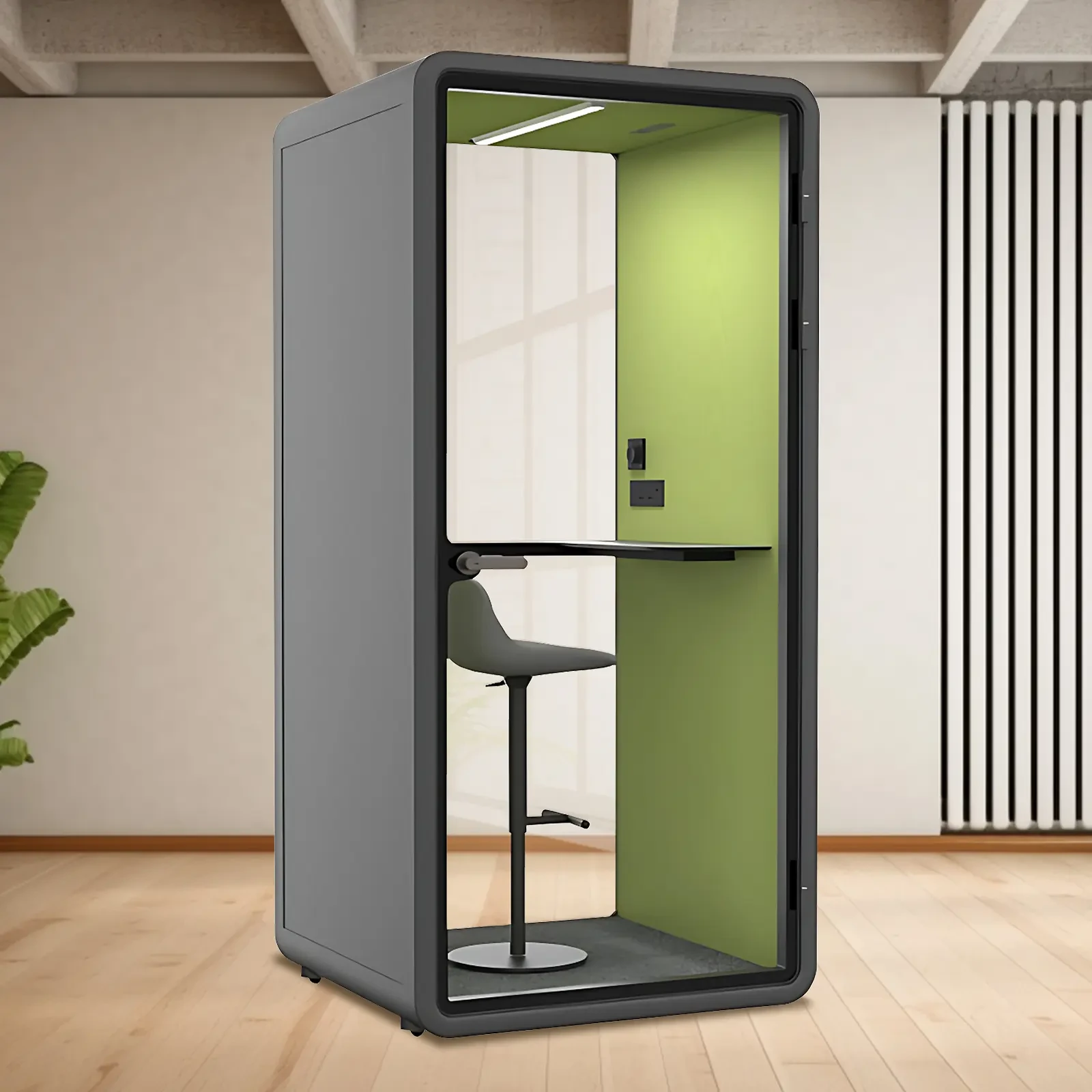
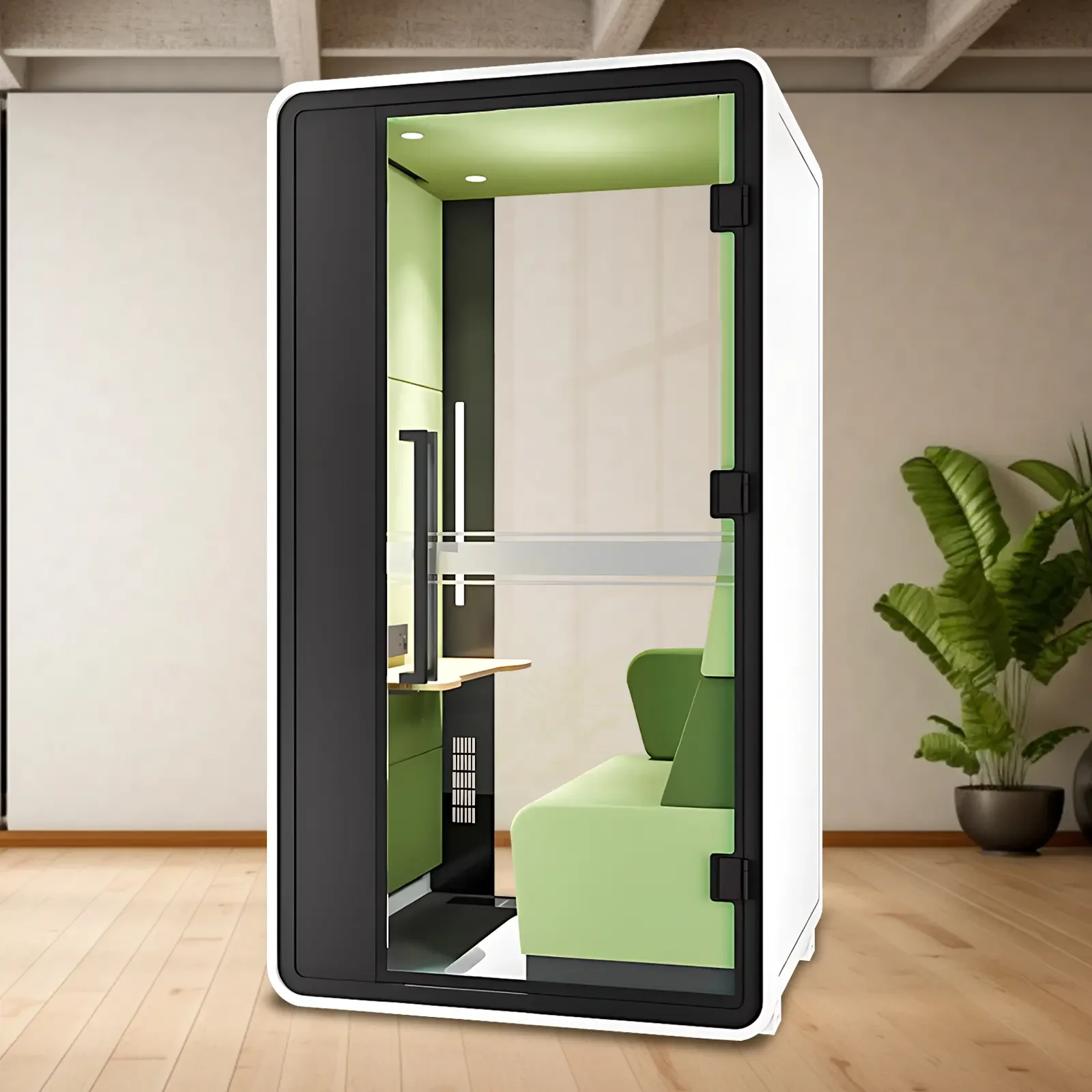
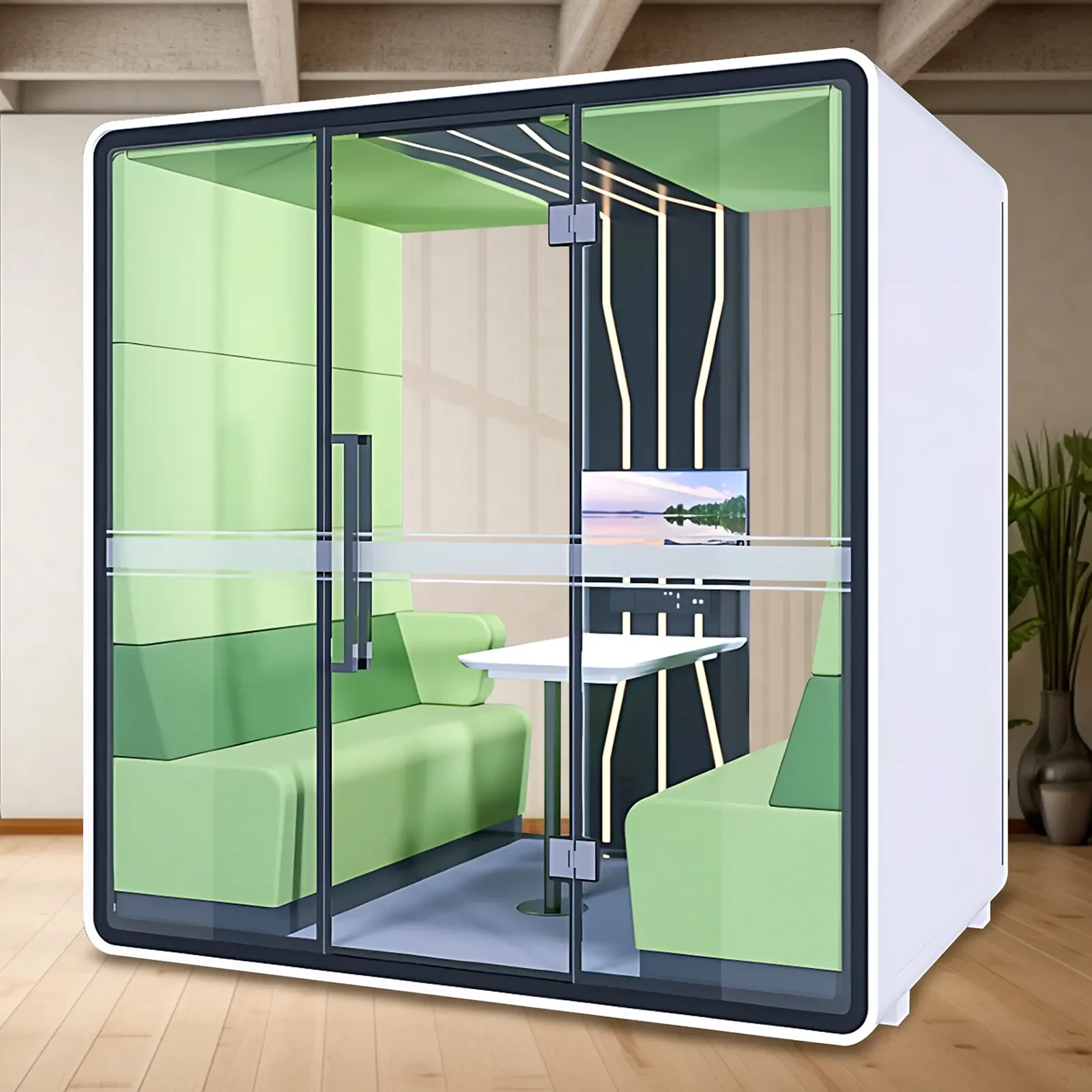
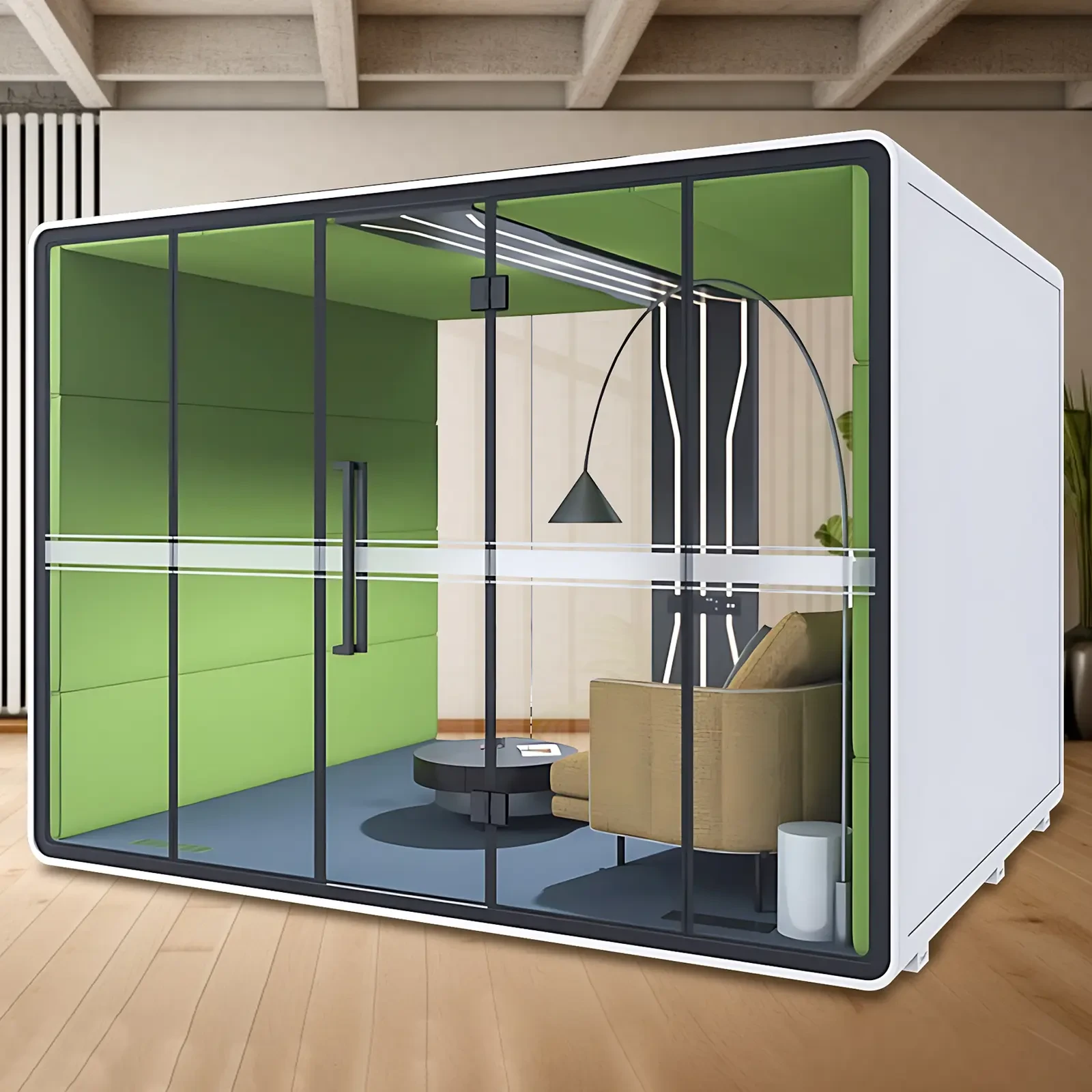
The difference and function of sound-absorbing panels and sound-insulating panels
In modern architecture and interior design, sound management has become increasingly important. Whether in homes, offices, or commercial spaces, reducing noise and improving the acoustic environment are common concerns. Sound-absorbing panels and sound-insulating panels are two common solutions in this regard. However, many people are not entirely clear about the differences and functions between them. This article will delve into the differences and functions of sound-absorbing and sound-insulating panels, as well as their specific application scenarios, to help you better understand and choose the right product for your needs.
I. Definition and Function of Sound Absorbing Panels
Acoustic panels are made of sound-absorbing materials (such as polyester fiber, mineral wool, and wood), primarily used to absorb sound waves, reduce echoes and acoustic resonance, and improve the indoor acoustic environment. Acoustic panels are typically designed in a variety of shapes and colors, effectively reducing noise while also enhancing the aesthetics of the space.
1. Working principle
Sound-absorbing panels function by the incident and reflection of sound waves. When a sound wave strikes the surface of the sound-absorbing panel, some of the energy is converted into heat, reducing the reflection of the sound wave in space and thus lowering the noise level.
2. Application Scenarios
Acoustic panels are widely used in conference rooms, concert halls, cinemas, recording studios, classrooms, and other places to improve acoustics. For example, in a concert hall, a good acoustic environment ensures clear and detailed sound quality, allowing the audience to experience higher-quality sound effects.
3. Common materials and their characteristics
- Polyester fiber: Lightweight and easy to install, suitable for home and commercial settings.
- Mineral wool: It has a significant sound absorption effect and is relatively inexpensive, but may require better moisture protection.
- Wood: It can blend in with interior design styles and has good sound absorption, but it is more expensive.
II. Definition and Function of Sound Insulation Panels
Soundproofing panels are primarily used to block the propagation of sound waves, reduce the infiltration of external noise, and minimize the leakage of internal noise. Soundproofing panels typically use high-density materials (such as gypsum board, concrete, and foam) to limit the transmission of sound waves through physical isolation.
1. Working principle
The effectiveness of sound insulation panels depends primarily on the density and thickness of their materials. For example, thick gypsum board is better at absorbing and attenuating sound waves, and is therefore commonly used for walls and ceilings.
2. Application Scenarios
Soundproofing panels are suitable for use in situations requiring privacy or noise reduction, such as bedrooms, recording studios, and home theaters. With proper soundproofing design, the comfort of living and working environments can be effectively improved.
3. Common materials and their characteristics
- Drywall: Commonly used in construction, inexpensive and effective, but requires waterproofing.
- Concrete: Excellent sound insulation, but difficult and costly to construct.
- Foam material: lightweight and has good sound insulation properties, suitable for use in small spaces.
III. The Difference Between Sound Absorbing Panels and Sound Insulation Panels
1. Different functions
- Sound-absorbing panels are primarily designed for indoor acoustic environments. They reduce echoes and noise by absorbing sound waves, making them suitable for locations where sound quality optimization is required.
- Soundproofing panels focus on blocking sound waves, reducing the infiltration of external noise and the leakage of internal noise, making them suitable for places that require a quiet environment.
2. Material properties
Sound-absorbing panels typically use porous materials that can absorb sound wave energy; while sound-insulating panels are mainly made of high-density materials, relying on physical barriers to effectively reduce the propagation of sound waves.
3. Different applicable scenarios
Sound-absorbing panels are more suitable for spaces that require good acoustics, such as those used for music and video; soundproofing panels are suitable for private spaces that need to be isolated from external noise.
4. Cost and Installation
While both may be similar in price, the choice of materials and the complexity of installation will affect the overall cost. Sound-absorbing panels are generally easier to install, especially when used on walls or ceilings; while sound-insulating panels usually require more professional installation to ensure effective sound wave isolation.
IV. Purchase Recommendations
When choosing sound-absorbing panels or sound-insulating panels, the decision should be made based on actual needs and usage scenarios.
1. Consider the intended use
If you are looking for solutions to reduce indoor echoes and improve sound quality, you should choose sound-absorbing panels; if you need to ensure privacy or reduce external noise, you will need soundproofing panels.
2. Material Selection
Choose suitable materials based on your budget and aesthetic preferences. Also, consider the durability and maintenance requirements of the materials.
3. Seek professional advice
For complex architectural and design needs, it is recommended to consult a professional acoustic engineer or interior designer, who can provide professional solutions based on the specific spatial layout and usage requirements.
V. Conclusion
In summary, sound-absorbing panels and sound-insulating panels differ significantly in function and applicable scenarios. Understanding their respective roles can help us make appropriate choices for optimizing the acoustic environment. Whether it's to enhance the music experience or to enjoy a quiet home environment, choosing suitable sound-absorbing or sound-insulating materials is crucial. In practical applications, combining professional advice with a budget plan and using sound-absorbing and sound-insulating panels in a reasonable manner can bring a more comfortable environment and a more pleasant experience.
Through this detailed analysis, we hope readers will gain a deeper understanding of sound-absorbing panels and sound-insulating panels, enabling them to create an ideal acoustic environment for themselves. Whatever your needs, a suitable sound management solution can bring unexpected comfort and tranquility to your life and work.
You May Also Like
X-comfot, your gateway to an efficient life. We are committed to becoming your most trusted brand of soundproof pod.
E-mail: support@x-comfot.com