
 USD
USD  GBP
GBP
 EUR
EUR
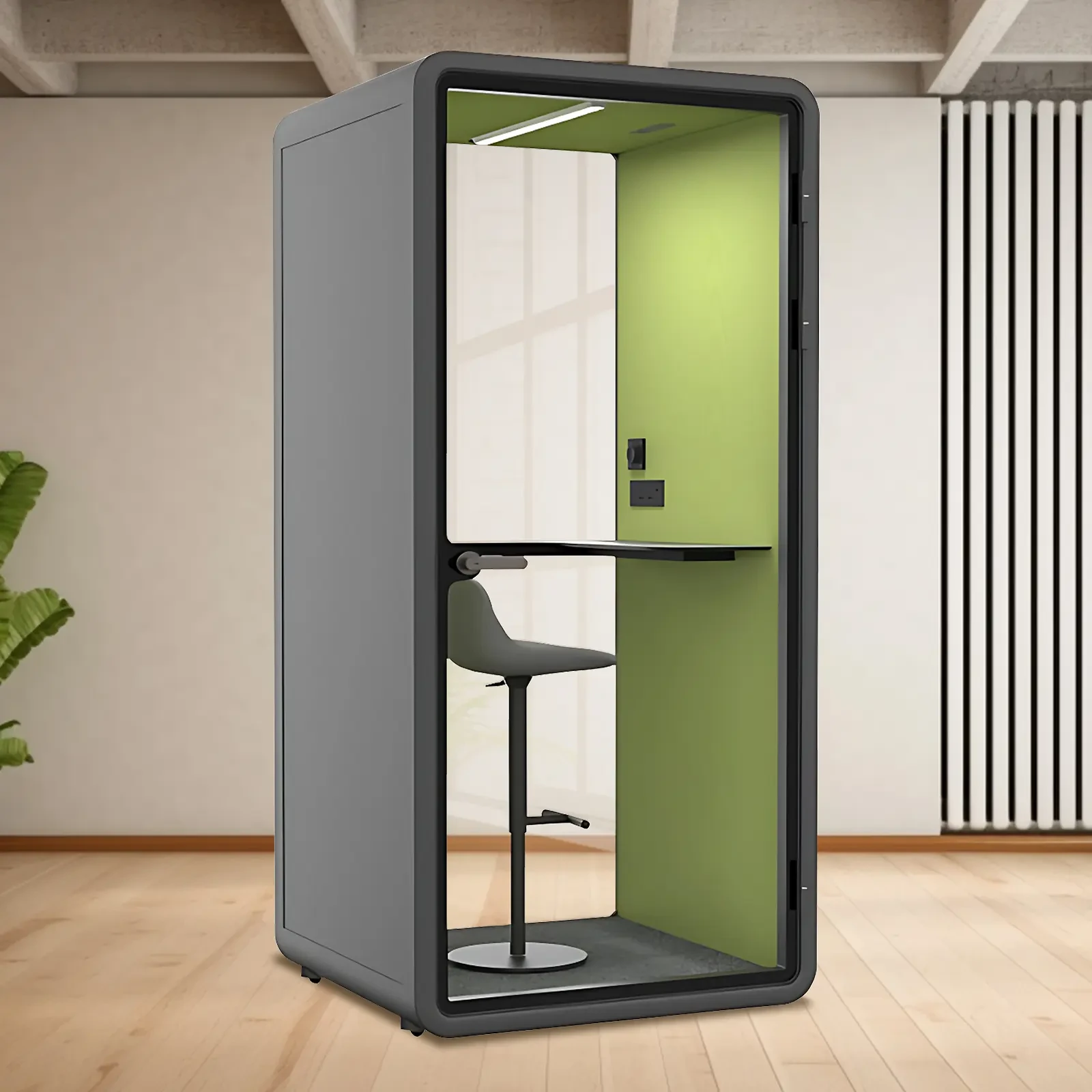
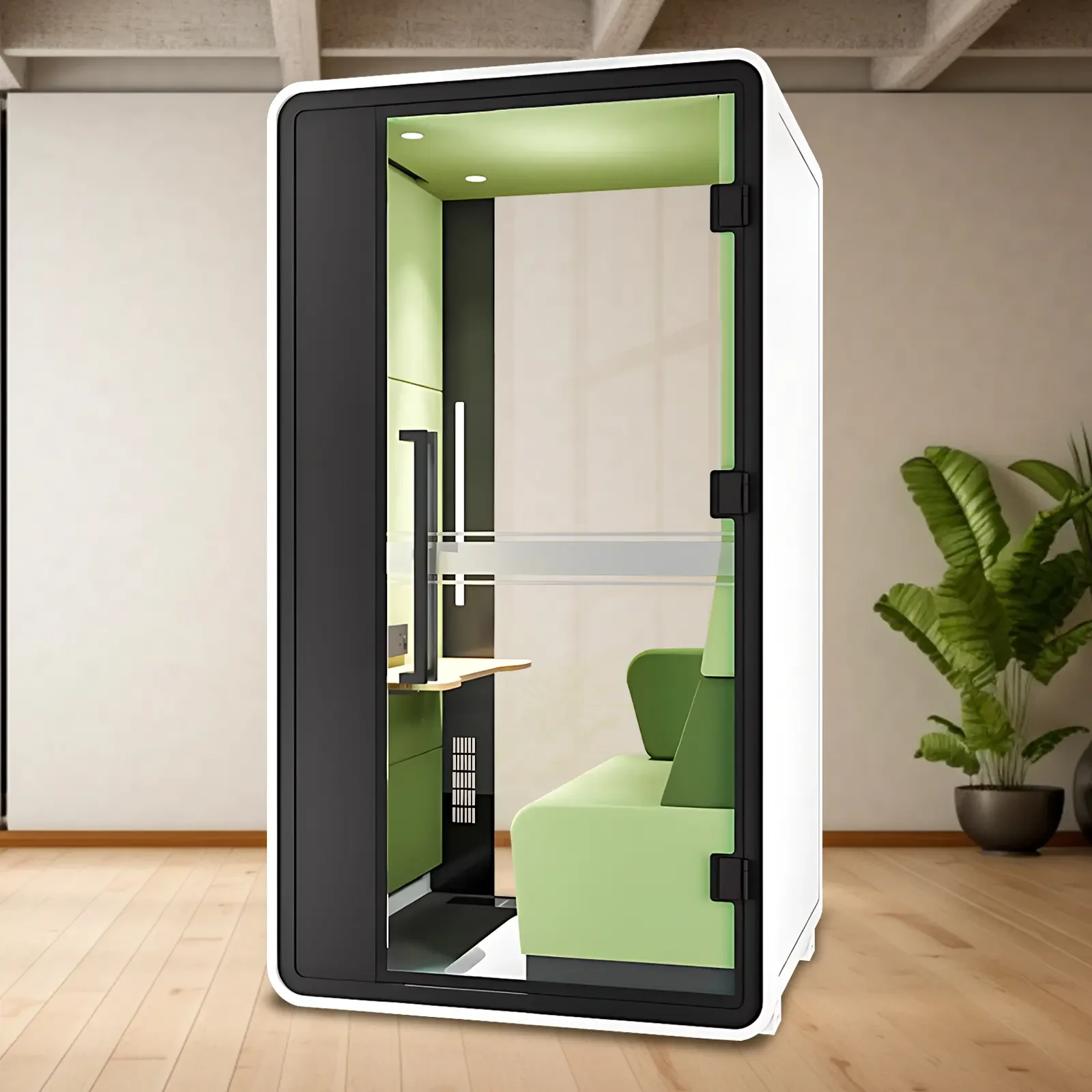
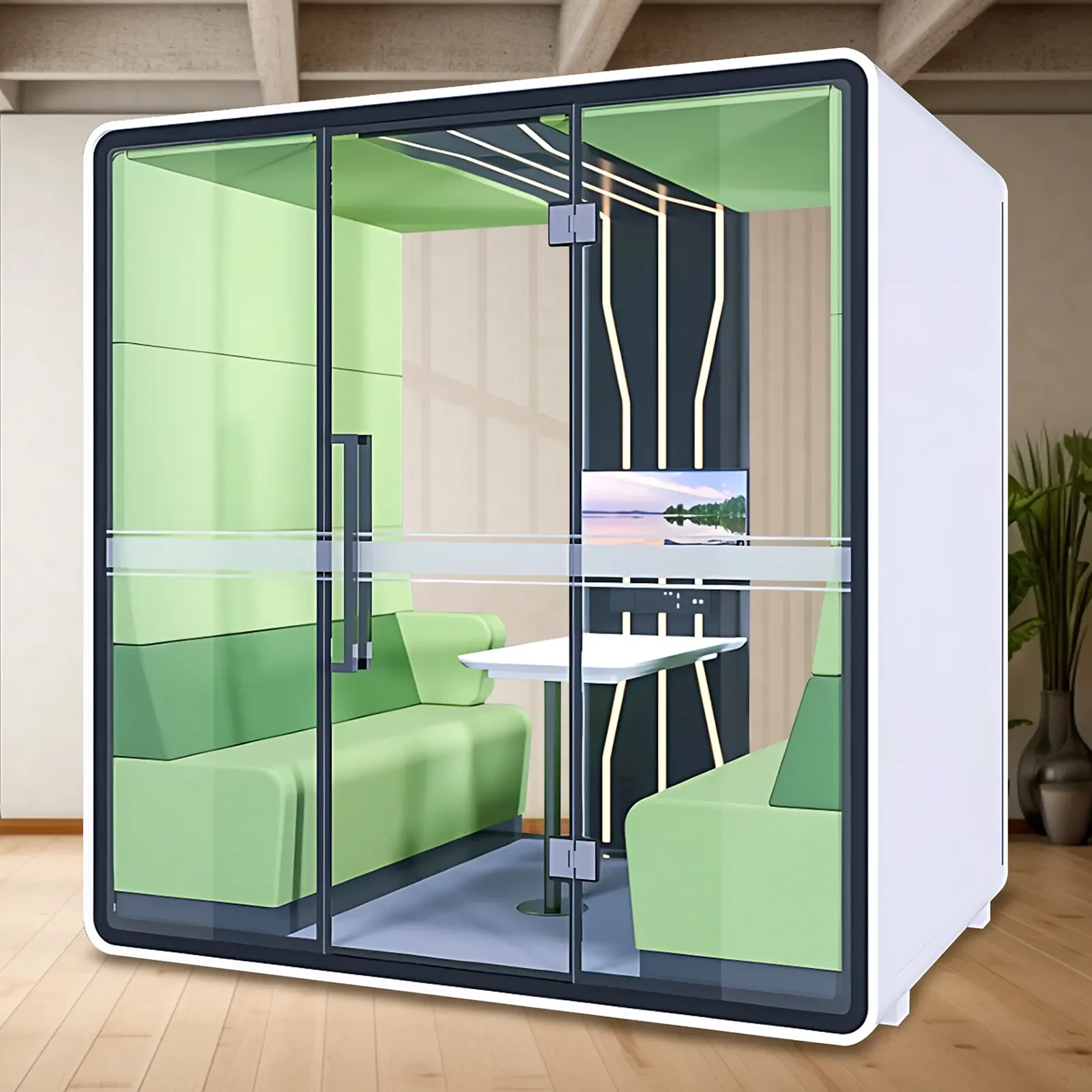
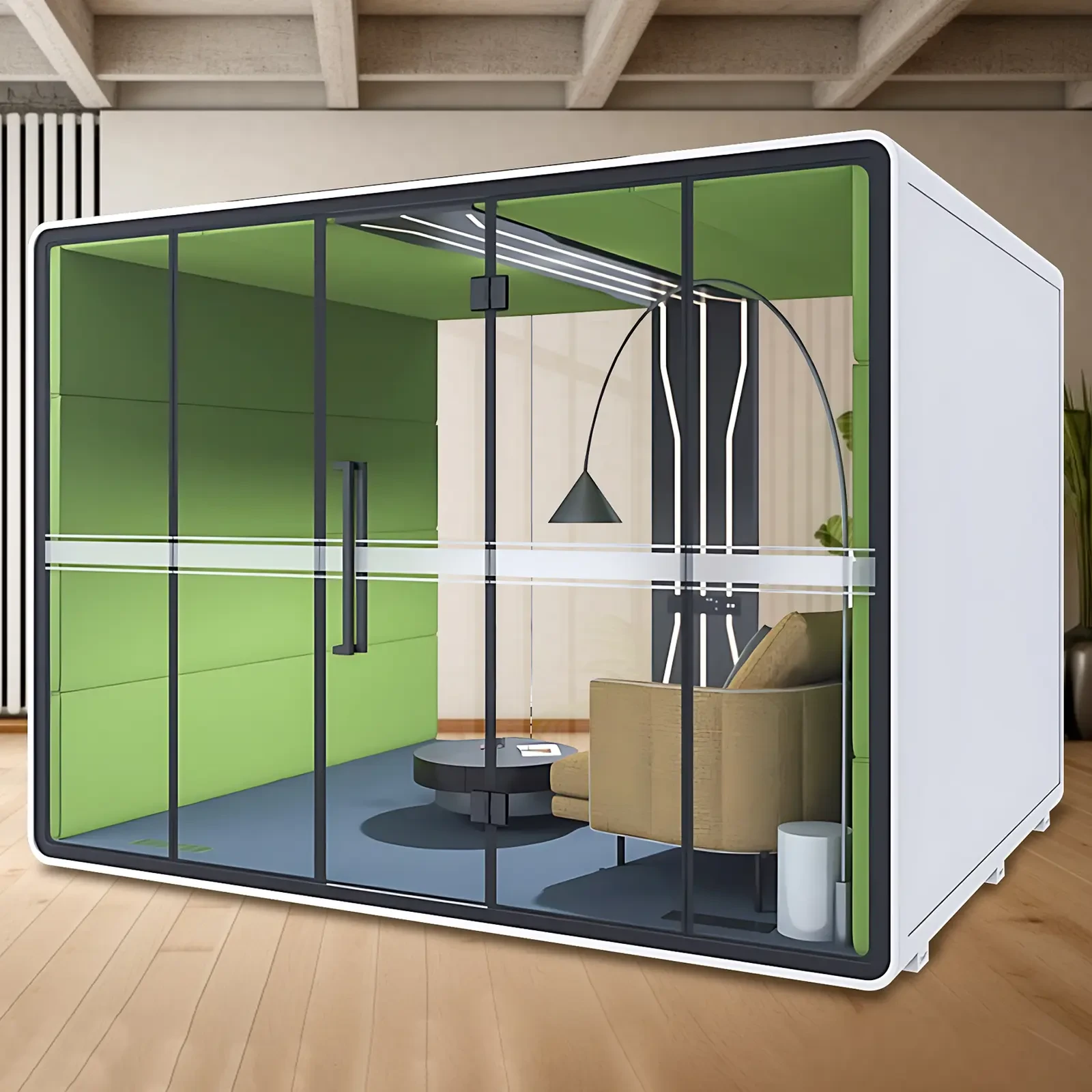
Fiberglass insulation is the ideal choice for a quieter life.
In modern society, noise pollution has become an unavoidable problem, especially with the rapid pace of urbanization, where ambient noise significantly impacts residents' quality of life. To address this, many people are seeking effective sound insulation and absorption materials. Fiberglass wool, due to its excellent performance, has become widely popular. This article will comprehensively discuss the effects of fiberglass wool in sound insulation, sound absorption, and noise reduction to help consumers interested in this material fully understand its advantages, disadvantages, and application scenarios.
I. Basic Concepts of Glass Fiber Cotton
Fiberglass wool, also known as glass wool, is a sound insulation material made of inorganic glass fibers. Its basic principle is to block the propagation of sound waves through the flow of air. The manufacturing process of fiberglass wool involves heating and melting raw glass materials, then breaking them down into fine fibers using a high-speed airflow, and finally processing them into a cotton-like material through precise techniques. This structure gives fiberglass wool excellent acoustic properties and physical characteristics.
II. Sound Insulation and Absorption Effects of Fiberglass Wool
1. Sound insulation performance analysis
Sound insulation refers to the process of reducing the transmission capacity of sound waves by blocking them with materials. Fiberglass wool, as a sound insulation material, primarily achieves sound wave attenuation through its interwoven fiber structure and gaps. Compared to traditional sound insulation materials such as gypsum board and concrete, fiberglass wool is lightweight, easy to install, and a highly cost-effective sound insulation option. Research shows that fiberglass wool can effectively reduce sound wave propagation; a single layer of 50mm thick fiberglass wool can achieve a sound insulation effect of 20-30 decibels, making it suitable for various settings such as homes, offices, and cinemas.
2. Sound Absorption Performance Analysis
Sound absorption refers to a material's ability to absorb sound waves. Unlike sound insulation, sound absorption emphasizes the absorption of sound waves rather than their blocking. Typically, using fiberglass insulation in a room can effectively reduce reverberation time, improving the clarity and aesthetics of sound. This effect is particularly important in music rooms, conference rooms, and recording studios. For example, in a typical conference room, adding fiberglass insulation significantly reduces the reverberation time, allowing participants to communicate more clearly.
3. Summary of Noise Reduction Effect
Noise reduction refers to reducing the impact of noise on the environment through various measures and materials. Fiberglass insulation excels in noise reduction, effectively filtering out sharp, high-frequency sounds and creating a relatively quiet environment. Furthermore, fiberglass insulation can be combined with other sound insulation materials to further enhance noise reduction and form a more comprehensive acoustic barrier. It is particularly suitable for effective noise control in areas such as air conditioning rooms and around machinery.
III. Application Areas of Glass Fiber Cotton
Fiberglass wool, as a multifunctional sound insulation and sound absorption material, is widely used in many fields.
1. Construction Engineering
In the construction industry, fiberglass insulation is commonly used for sound insulation and absorption in walls, ceilings, and floors, improving the acoustic environment inside buildings. Especially in multi-story residential buildings, commercial buildings, and hotels, using fiberglass insulation for soundproofing can effectively reduce noise interference between neighbors and improve the quality of life for residents.
2. Home renovation
In home renovation, an increasing number of consumers are choosing to use fiberglass insulation in bedrooms, studies, and home theaters to improve sound quality and sound insulation. Its lightweight nature makes installation simple and efficient, making it an indispensable part of the renovation process.
3. Industry and Machinery
In industrial environments, machinery and equipment often generate significant noise, which can negatively impact the health of workers. Using fiberglass insulation for machine rooms and ventilation ducts can effectively reduce noise pollution, improve the working environment, and increase work efficiency.
4. Music studios and cinemas
For music studios and cinemas, a good acoustic environment is crucial. Fiberglass insulation helps designers effectively control the sound field, reducing unwanted reflections and reverberation, thereby improving sound quality and delivering a better listening experience.
IV. Advantages and disadvantages of glass fiber wool
1. Advantages
- Environmentally friendly: Fiberglass wool is made of inorganic materials, which can be recycled and reused, meeting the requirements of sustainable development.
- Fire resistance: It has excellent fire resistance, meets relevant national standards, and is highly safe.
- Easy installation: Compared to other materials, fiberglass wool is easier to cut and install, saving time.
- Excellent thermal insulation performance: It also has excellent thermal insulation performance, which can reduce energy consumption.
2. Defects
- Moisture effects: If fiberglass wool is exposed to a humid environment for a long time, its sound absorption effect may decrease. Therefore, when used in places with high humidity, additional protective measures are required.
- May cause skin irritation: During installation and construction, the fine fibers of the fiberglass may irritate the skin. Protective equipment should be worn during construction.
- Timeliness issue: The sound absorption performance of the material may decrease over time, so it needs to be checked and replaced regularly.
V. Conclusion
In summary, fiberglass wool, as an excellent sound insulation and absorption material, has been widely used in various fields such as construction, home decoration, industry, and music due to its outstanding performance. Although it also has some drawbacks, its effectiveness can be significantly improved through proper use and maintenance. Whether in harsh urban environments or comfortable home spaces, choosing the right sound insulation material will undoubtedly bring more peace and comfort to our lives. In the future, with continuous technological advancements, the performance of fiberglass wool will become even better, helping us create a quieter and healthier living environment.
X-comfot, your gateway to an efficient life. We are committed to becoming your most trusted brand of soundproof pod.
E-mail: support@x-comfot.com