
 USD
USD  GBP
GBP
 EUR
EUR

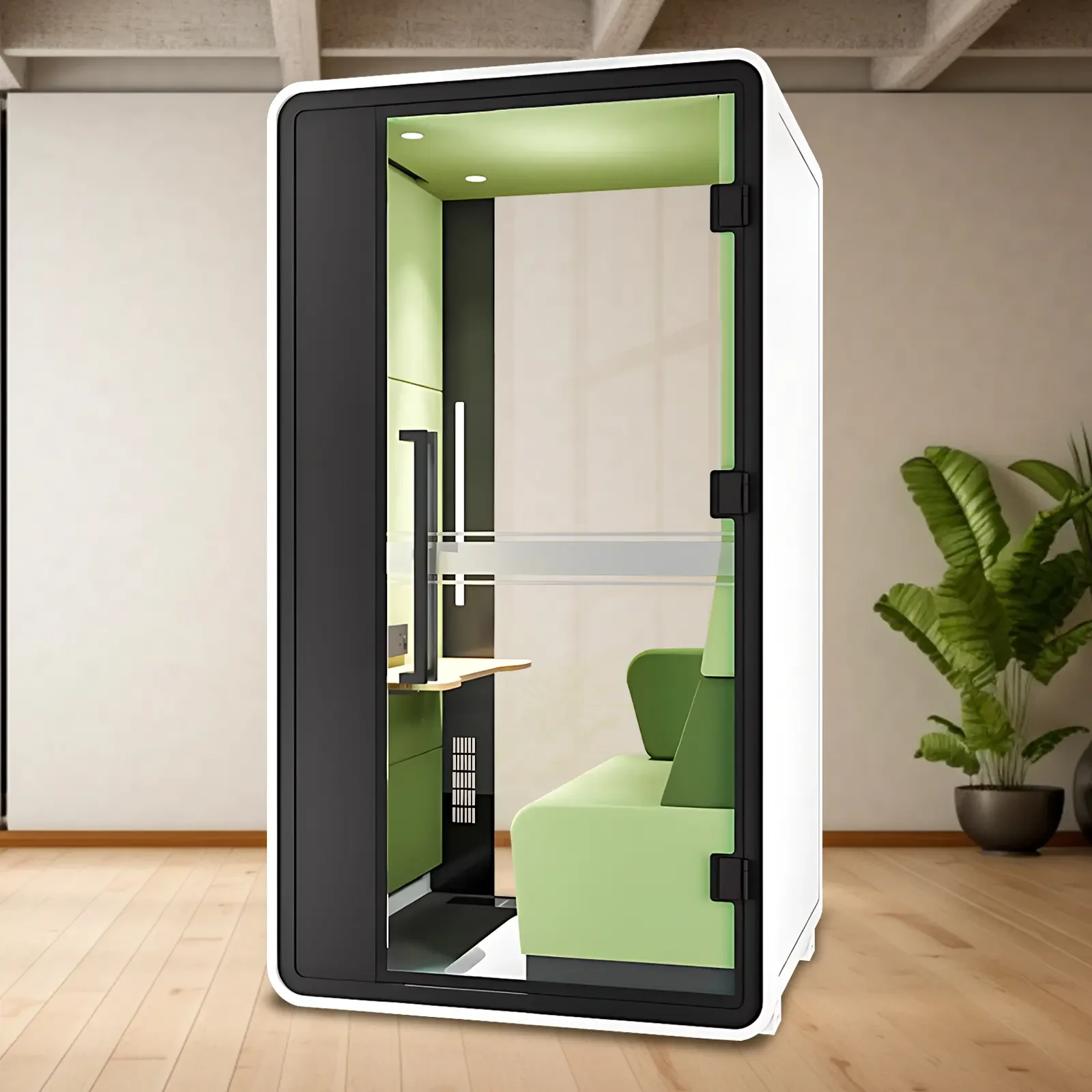

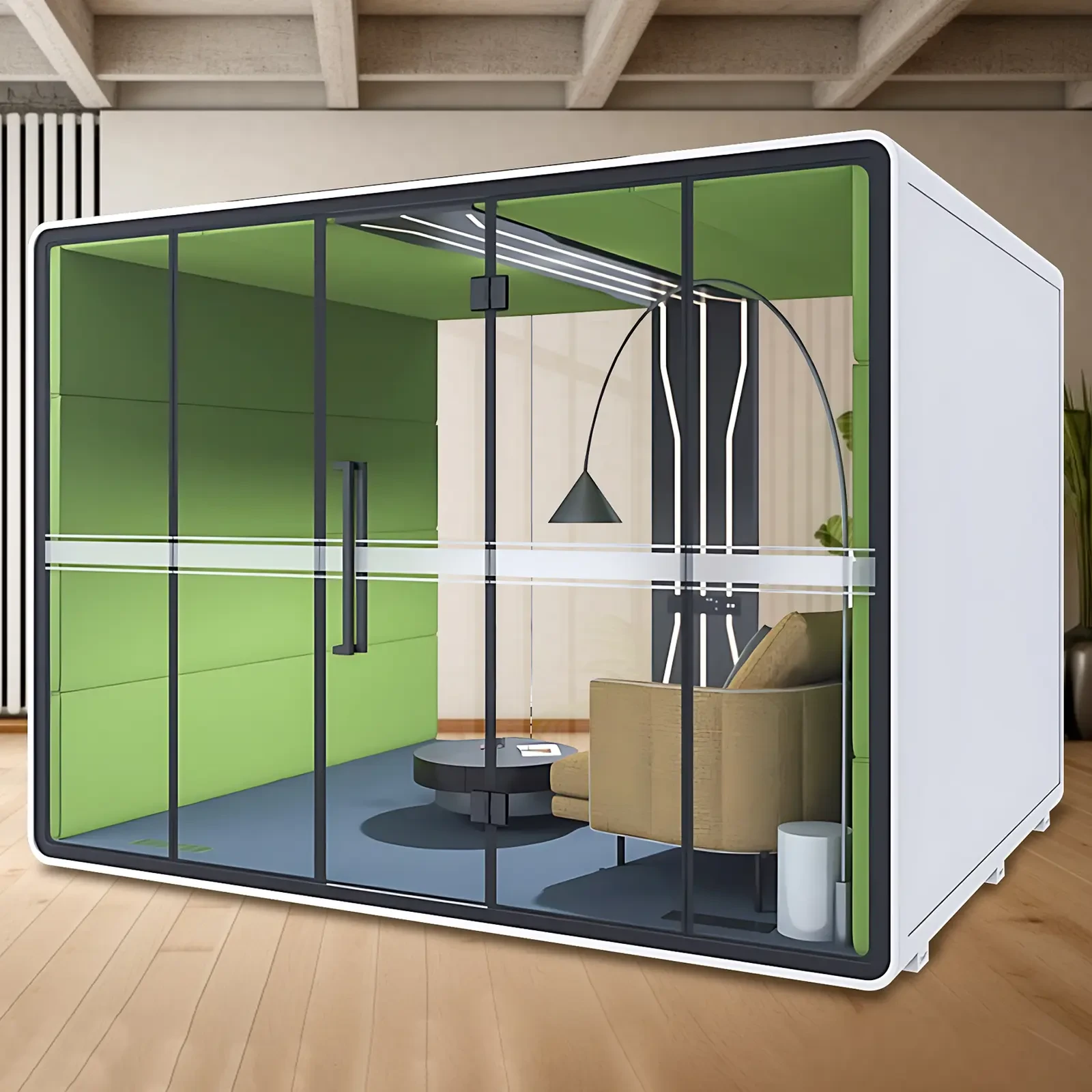
A comprehensive comparison between fiberglass sound insulation cotton and polyester fiber sound insulation cotton.
In modern architecture and interior design, optimizing the acoustic environment is receiving increasing attention. In particular, controlling indoor noise has become a crucial factor in improving the quality of living and working. Among the many acoustic materials available, fiberglass and polyester fiber sound insulation materials are the two most common. While both offer excellent sound insulation performance, they differ significantly in composition, application, and performance. This article will explore the differences between these two sound insulation materials from multiple perspectives to help consumers make more informed choices.
I. Material Composition and Structure
First, fiberglass sound insulation cotton is made of inorganic glass fibers, which are melted and spun at high temperatures. Its superior thermal insulation and fire resistance are among its key advantages. The porous structure of glass fibers allows them to effectively absorb sound waves, reducing echoes and noise transmission. Fiberglass sound insulation cotton is typically available in rolls or sheets, making it easy to cut and process.
In contrast, polyester fiber sound insulation cotton is made of polyester material, typically manufactured from recycled plastic bottles and other materials, making it a renewable resource. This material is not only environmentally friendly but also possesses good elasticity and durability. The porous structure of polyester fibers effectively absorbs sound, reducing indoor noise, making it especially beneficial for families with children and the elderly.
II. Sound insulation performance
In terms of sound insulation performance, fiberglass sound insulation cotton has a higher sound insulation effect. Because of its relatively high density, it can effectively block low-frequency noise, such as mechanical or traffic noise. At the same time, it has good sound wave absorption above 1000Hz, significantly reducing mid-to-high frequency noise.
While polyester fiber sound insulation cotton is slightly inferior in sound absorption performance, it is quite effective at absorbing high-frequency sound waves, making it particularly suitable for reducing indoor echoes and the propagation of human voices. Therefore, for environments sensitive to mid-to-high frequency noise, polyester fiber sound insulation cotton is also a good choice. Furthermore, the lower density of polyester fiber gives it advantages in terms of weight and ease of installation.
III. Environmental friendliness and safety
Modern consumers are increasingly concerned about the environmental friendliness and safety of materials. The raw materials used in the production of fiberglass sound insulation may release tiny particles of silica dust, which can have adverse effects on human health. Therefore, protective measures should be taken during construction and installation to avoid prolonged exposure to the generated dust.
Polyester fiber sound insulation cotton places great emphasis on environmental protection, as its main components are derived from recyclable materials. This not only reduces resource consumption during the production process but also aligns with the concept of sustainable development. Furthermore, polyester fiber has fire-resistant properties, meeting relevant national fire safety standards and ensuring the safety of the living environment.
IV. Application Scenarios
Depending on the environment and needs, the application scenarios for fiberglass sound insulation and polyester fiber sound insulation also differ. Fiberglass sound insulation is mostly used in industrial sites and buildings, especially in rooms requiring strong sound insulation, such as music rooms, theaters, or recording studios. Its high-density characteristics enable it to effectively improve acoustics in these locations.
Polyester fiber sound insulation cotton is increasingly used in home and office environments. For example, in home theaters, bedroom walls, or office ceilings, it effectively reduces noise interference, creating a more comfortable environment. Polyester fiber is also suitable for children's rooms and kindergartens, as its safety and environmentally friendly properties are particularly favored by parents.
V. Cost and Cost-Effectiveness
In terms of cost, fiberglass sound insulation is generally more expensive than polyester fiber. This is because the production process of fiberglass is more complex and costly. Polyester fiber, on the other hand, is relatively affordable and offers better value for money due to its good elasticity and durability.
Nevertheless, when choosing acoustic materials, simply focusing on price does not represent the ultimate economic benefit; performance, maintenance costs, and lifespan should all be taken into consideration. Therefore, consumers should comprehensively consider the balance between cost and performance based on specific applications and needs.
VI. Installation and Maintenance
The two types of sound insulation materials also differ in terms of ease of installation. Fiberglass sound insulation materials, due to their higher density, may require more manpower and time to install, while polyester fiber sound insulation materials, due to their lighter weight, are relatively simple and quick to install.
In terms of maintenance, fiberglass sound insulation is prone to mold growth in humid environments, so ventilation and moisture prevention are important in damp areas. Polyester fiber sound insulation, on the other hand, has better moisture resistance and is relatively easy to clean and maintain; usually, wiping with a damp cloth is sufficient, making it suitable for the daily needs of modern families.
VII. Conclusion
In summary, fiberglass sound insulation cotton and polyester fiber sound insulation cotton differ significantly in material composition, sound insulation performance, environmental friendliness, application scenarios, cost, and installation and maintenance. Consumers should consider their own needs, environmental conditions, and budget when choosing, selecting the most suitable material. We hope this detailed comparison and analysis will provide valuable reference for your selection.
You May Also Like
X-comfot, your gateway to an efficient life. We are committed to becoming your most trusted brand of soundproof pod.
E-mail: support@x-comfot.com