
 USD
USD  GBP
GBP
 EUR
EUR
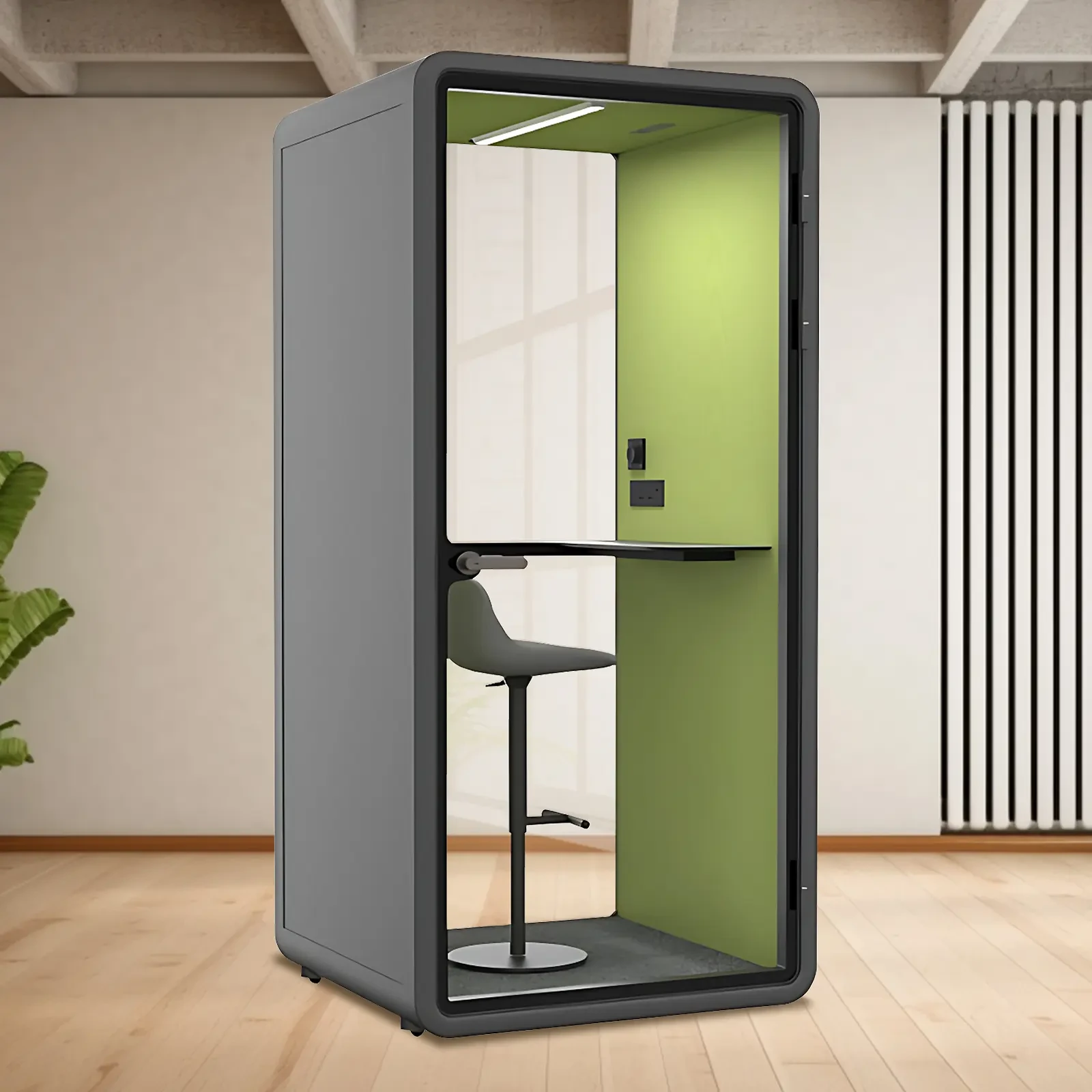
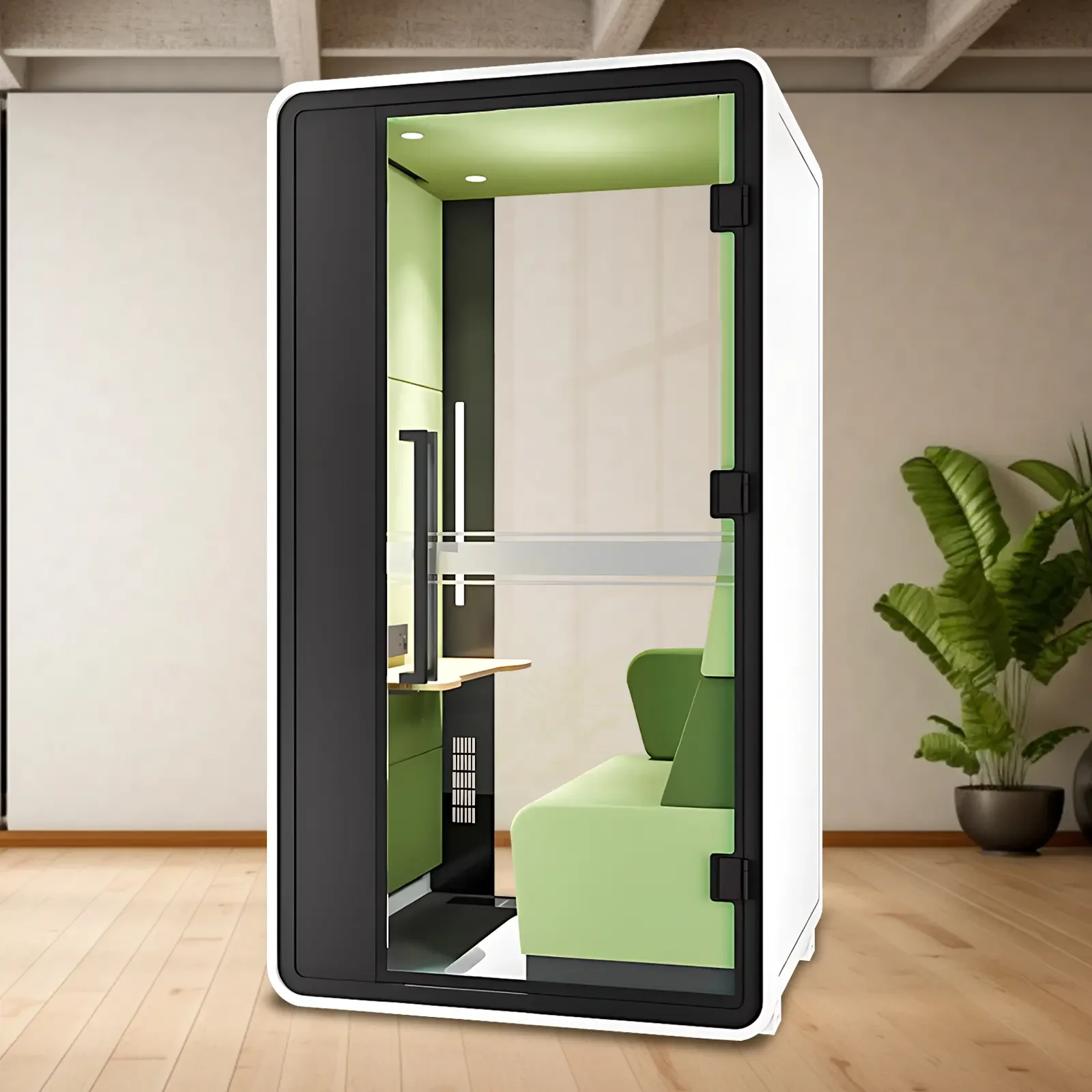
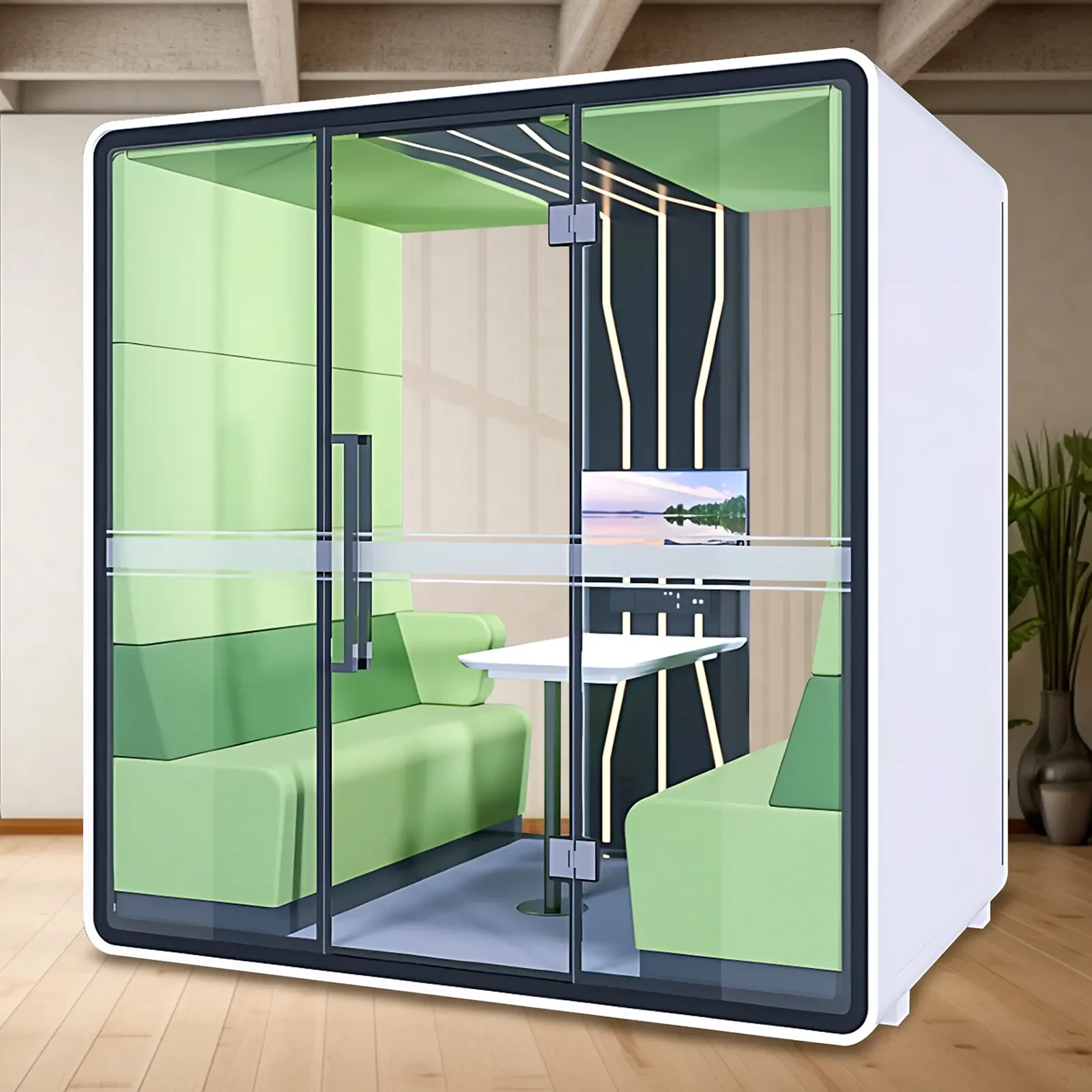
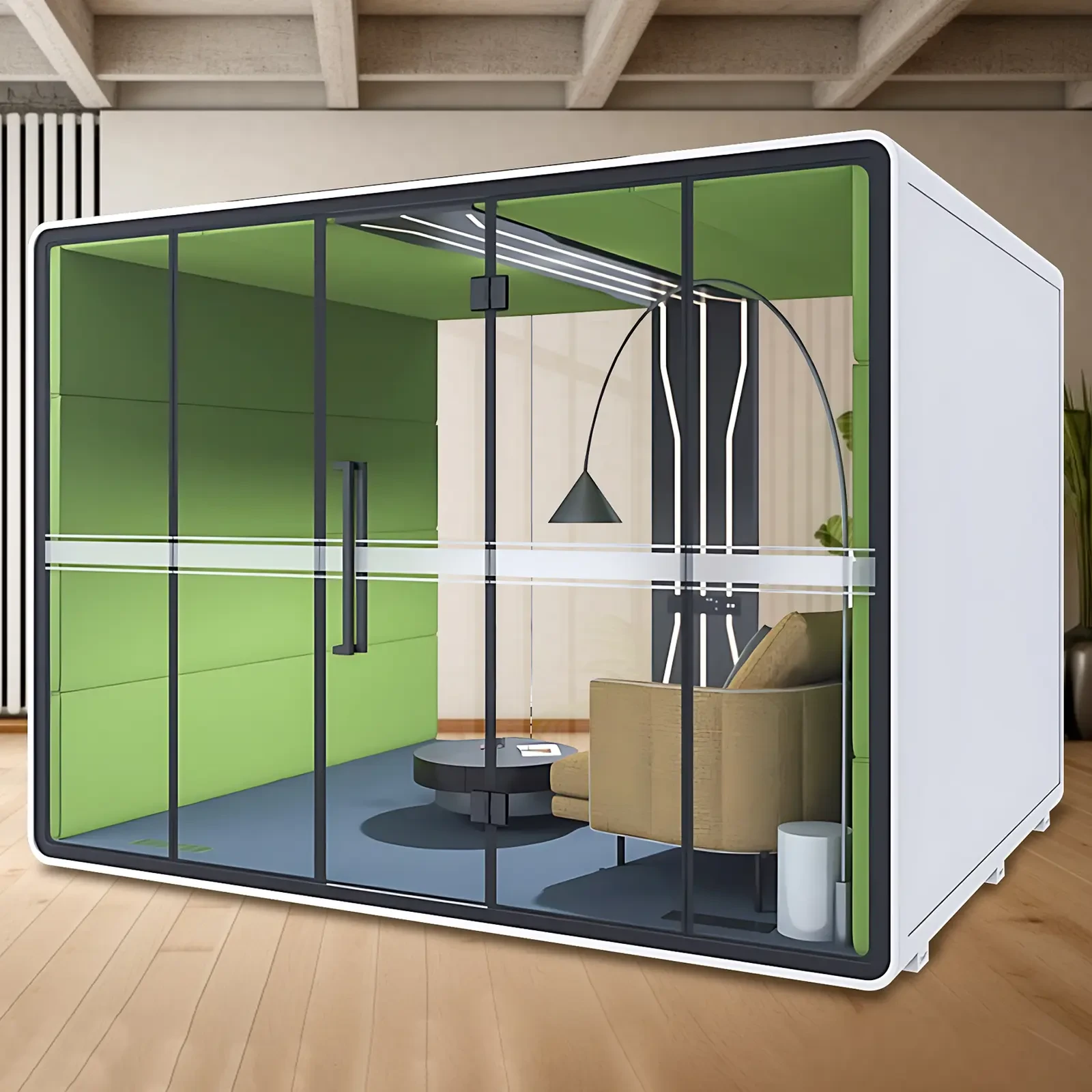
How to choose the best sound-absorbing panels to improve the sound quality of your space?
In modern society, sound quality has become an indispensable element in home and commercial space design. For those who want to improve the acoustics of their rooms, choosing the right sound-absorbing panels is crucial. This article will delve into how to correctly select sound-absorbing panels to improve the sound quality of your space, ensuring you make an informed decision when purchasing.
I. Understanding the basic concepts of sound-absorbing panels
Acoustic panels, as the name suggests, are primarily used to absorb sound. They effectively reduce echoes, lower noise, and improve indoor sound quality, making the sound clearer and more natural. Acoustic panels are commonly used in recording studios, concert halls, home theaters, and offices-places requiring good acoustics.
1.1 Materials of Sound Absorbing Panels
Sound-absorbing panels come in a variety of materials, the most common being:
- Polyester fiber: This material is lightweight and environmentally friendly, with good sound absorption properties, making it suitable for various occasions.
- Mineral wool: Commonly used in commercial spaces, it has excellent sound absorption properties and can effectively reduce noise.
- Wood materials: These materials not only have good sound absorption properties, but also add a warm texture to the space.
- Sound-absorbing foam: This material is commonly used in home theaters or music recording studios and offers good value for money.
When choosing sound-absorbing panels, you should fully consider the required sound absorption effect, the intended use of the space, and your personal aesthetic preferences.
II. Functions and Performance of Sound Absorbing Panels
2.1 Sound Absorption Coefficient
The sound absorption coefficient is an important indicator for judging the performance of sound-absorbing panels. It reflects the material's ability to absorb sound energy at a specific frequency. It is typically a value between 0 and 1, with higher values indicating stronger sound absorption. Choosing an appropriate sound absorption coefficient depends on the room's purpose and the type of noise.
2.2 Frequency Response
Different sound-absorbing materials have different absorption rates for different sound frequencies. Generally, low-frequency noise requires thicker sound-absorbing materials, while high-frequency noise is more easily absorbed by thinner materials. Therefore, understanding the sound frequencies you need to address can help you choose the most suitable sound-absorbing panels.
III. Selecting Sound-Absorbing Panels Based on Space Requirements
3.1 Home Theater
In a home theater, you need to ensure balanced sound and minimize echo. Thick polyester and mineral wool acoustic panels are good choices for this. These materials have high sound absorption coefficients, effectively handling low-frequency sounds and making the movie's sound quality more immersive.
3.2 Recording Studio
Recording studios have extremely stringent requirements for sound quality, typically demanding precise control over every detail of the sound. Using high-density sound-absorbing foam and specially designed acoustic panels, combined with a well-planned layout, can significantly improve recording clarity. It is particularly important that the sound-absorbing panels in different locations are optimized based on the sound source and monitoring position.
3.3 Office
In open-plan offices, reducing environmental noise and improving work efficiency are common concerns. Using lightweight and aesthetically pleasing sound-absorbing panels can not only improve indoor sound quality but also coordinate with the overall decor, creating a comfortable and quiet working environment.
IV. Installation and Maintenance of Sound Absorbing Panels
4.1 Installation Method
There are various ways to install sound-absorbing panels, the most common being:
- Adhesive installation: Suitable for lightweight sound-absorbing materials, easy and time-saving installation.
- Suspended installation: Suitable for heavier sound-absorbing panels, requires professional installation tools.
- Structural installation: Used in applications requiring load-bearing capacity to ensure sound absorption and safety.
Different installation methods need to be selected based on the actual situation. It is recommended to consult a professional before installation.
4.2 Regular maintenance
Sound-absorbing panels may accumulate dust during use, so regular cleaning is essential. Depending on the material, they can be gently wiped with a dry or damp cloth. Avoid using harsh cleaning agents to ensure their performance is not affected.
V. Case Sharing
5.1 A Case Study of Home Theater Renovation
A movie enthusiast, aiming to improve the sound quality of his home theater, opted for thick polyester fiber sound-absorbing panels, covering both the walls and ceiling. He installed the panels at key sound source locations and, after several experiments, finally found the optimal arrangement. The result was a significantly enhanced viewing experience, as if he were in a movie theater.
5.2 Office Environment Improvement
A company decided to renovate its open-plan office because noise pollution was affecting employee productivity. They opted for innovatively designed sound-absorbing panels, which not only effectively reduced noise but also enhanced aesthetics. After the renovation, employee satisfaction significantly improved, and the overall work environment became more harmonious.
VI. Summary and Recommendations
Choosing the right acoustic panels can not only improve sound quality but also enhance the comfort and aesthetics of the entire space. When purchasing, you should consider the material's function, the actual needs of the space, and your personal preferences. Whether it's a home theater, recording studio, or office, having suitable acoustic panels can bring you tangible benefits and enjoyment. Finally, we hope that this article has helped you better understand how to correctly choose acoustic panels to make your space quieter and more comfortable as you desire.
X-comfot, your gateway to an efficient life. We are committed to becoming your most trusted brand of soundproof pod.
E-mail: support@x-comfot.com