
 USD
USD  GBP
GBP
 EUR
EUR
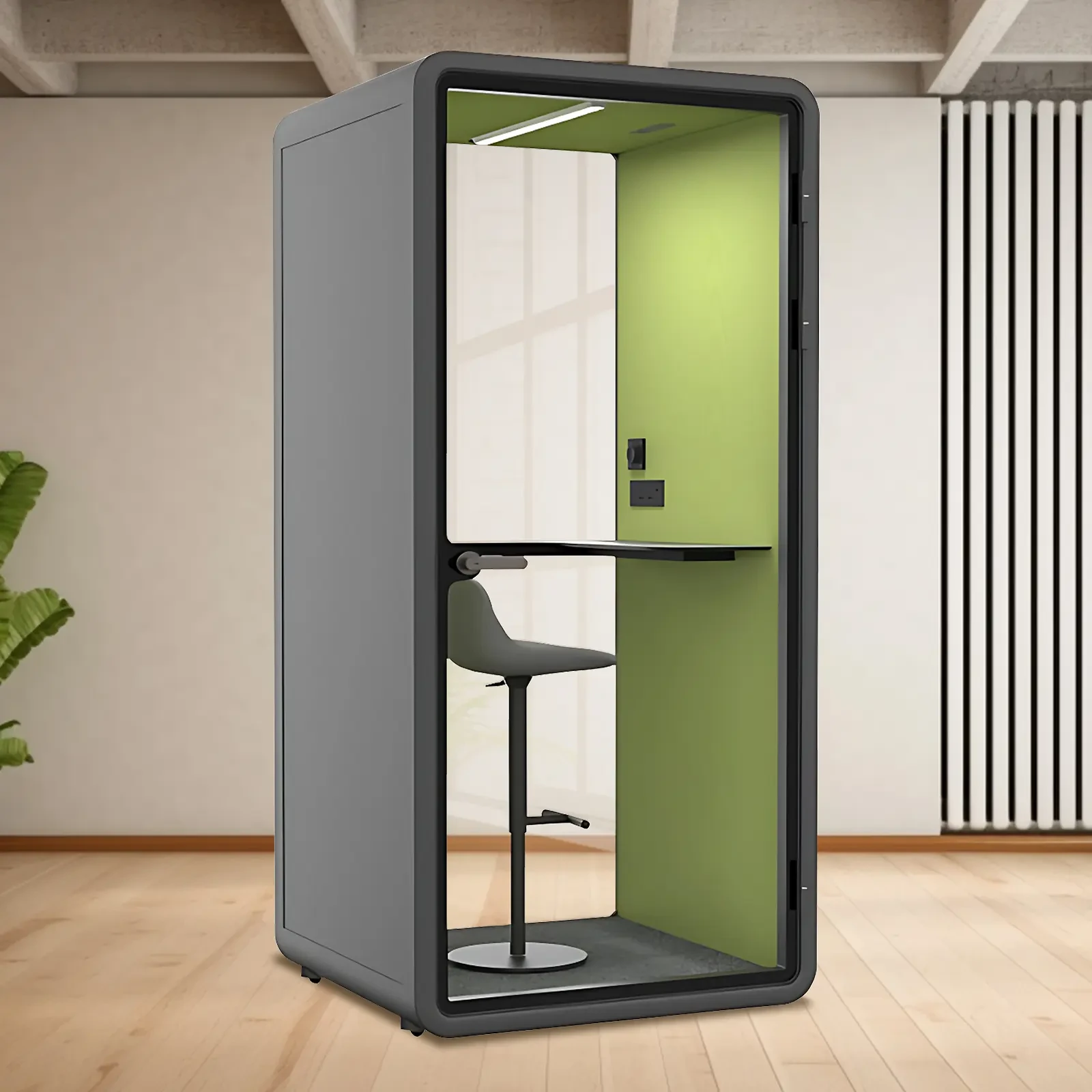
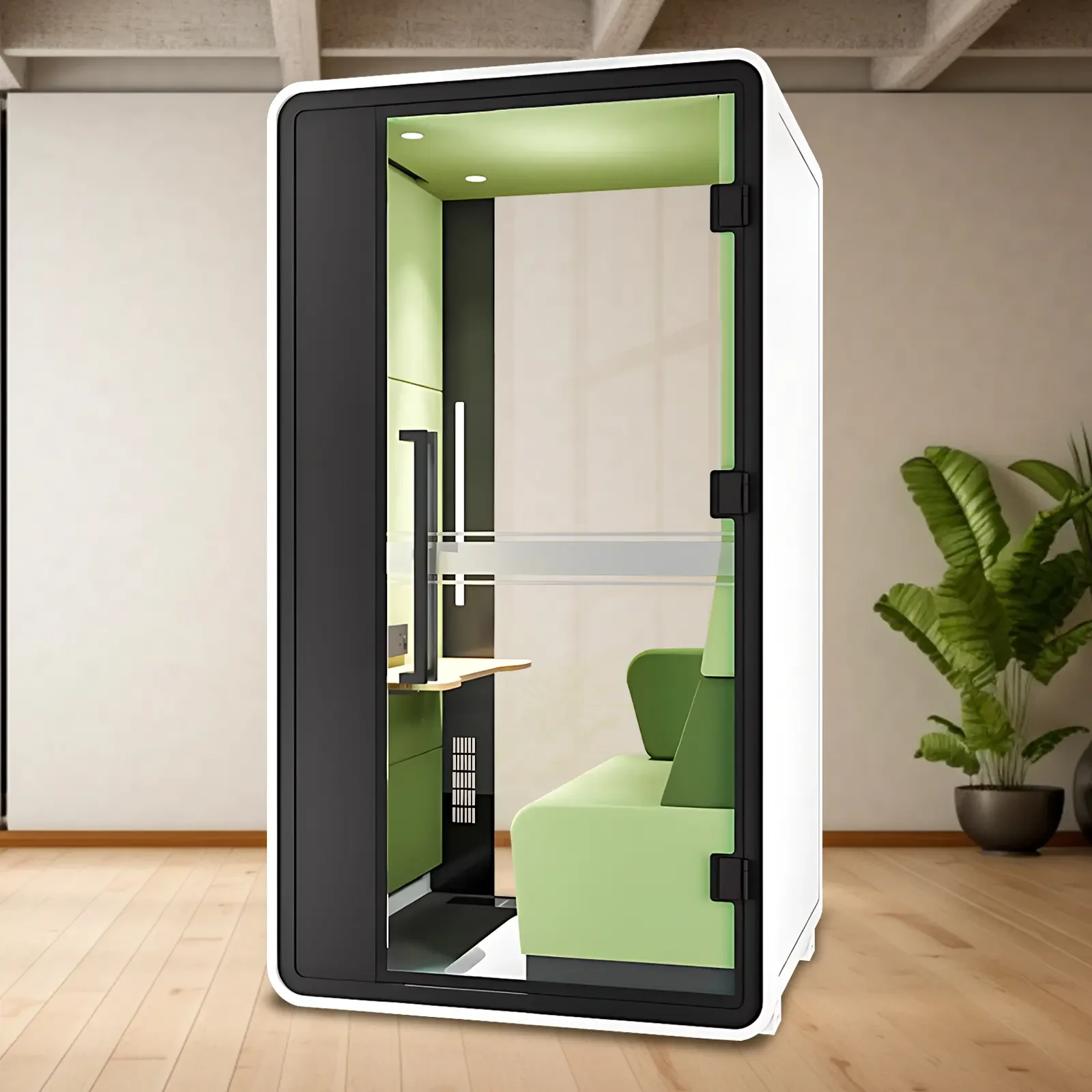
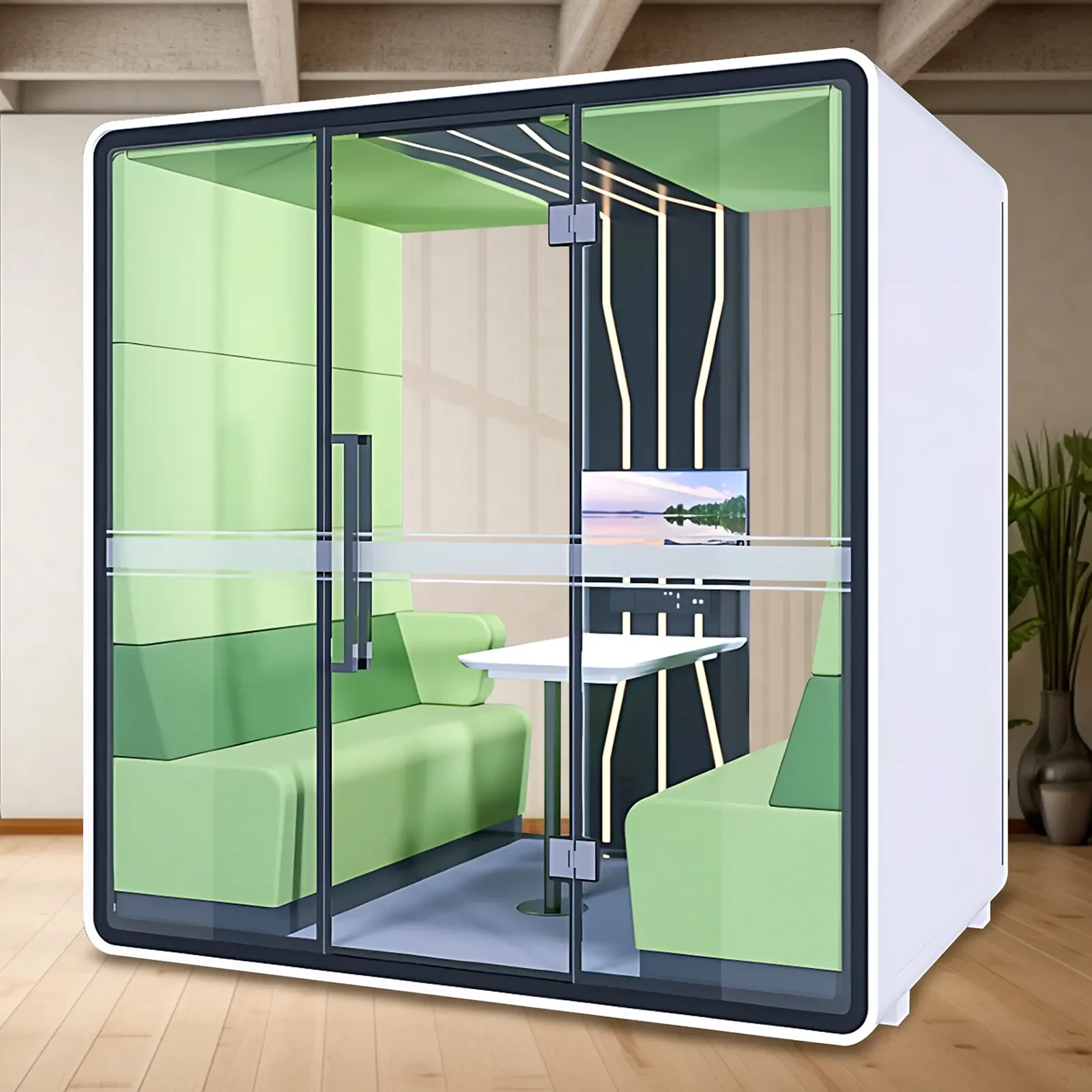
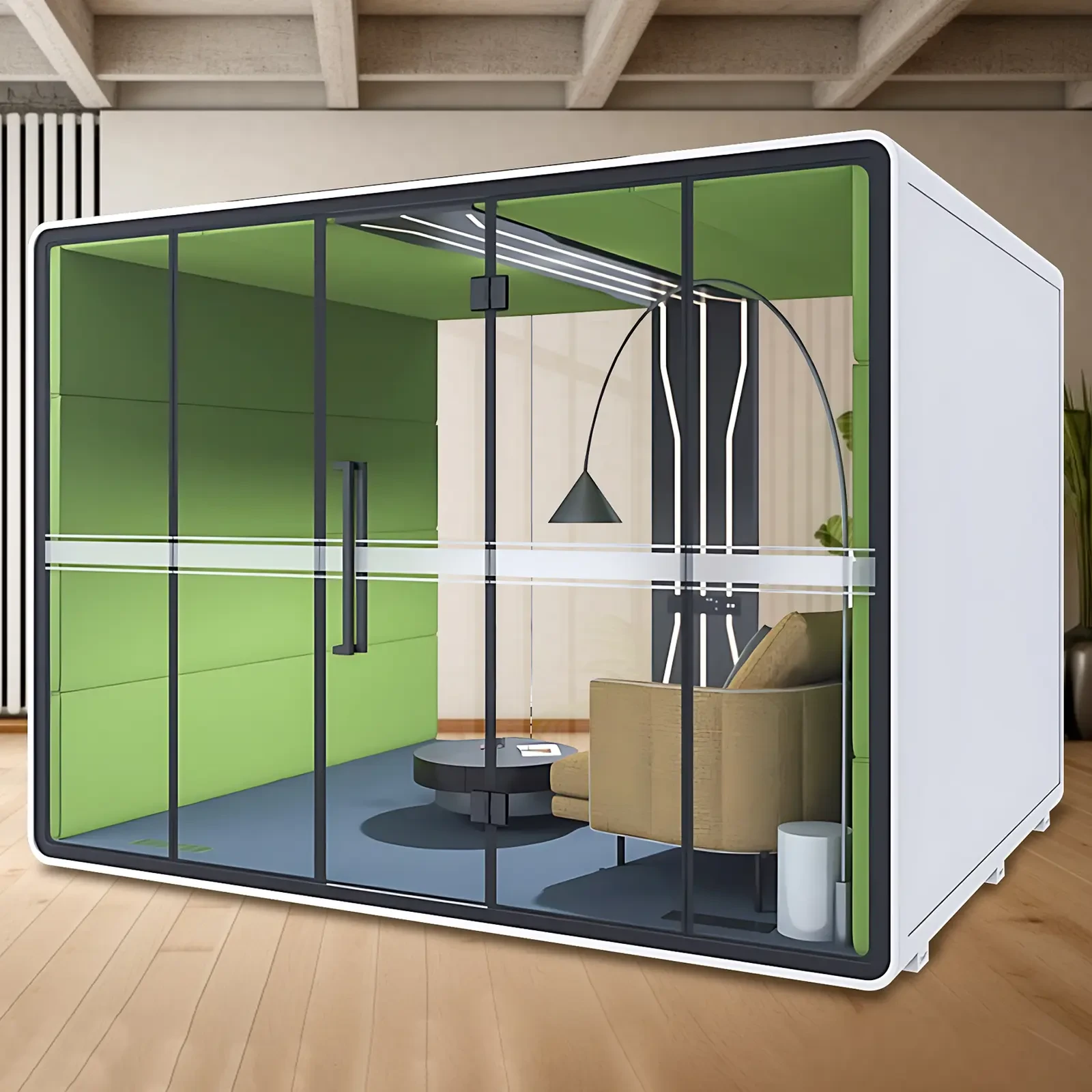
How to efficiently install polyester fiber sound-absorbing panels? A detailed guide!
In modern homes and commercial spaces, good acoustics are increasingly valued. Polyester fiber acoustic panels are widely used to improve the acoustic quality of a space due to their excellent sound absorption and environmentally friendly properties. However, many people are not clear about the installation process of polyester fiber acoustic panels. This article will provide a detailed installation guide to help you easily complete this process.
I. Characteristics of Polyester Fiber Sound Absorbing Panels
Polyester fiber acoustic panels are a type of sound-absorbing material made from polyester fibers through high-temperature pressing. This material not only has excellent sound absorption properties but also boasts advantages such as being lightweight, fire-resistant, and environmentally friendly. Its surface can be finished in various colors and patterns, making it both aesthetically pleasing and practical.
II. Preparatory Work
1. Material Preparation
Before installation, the following materials need to be prepared:
- Polyester fiber sound-absorbing panels: Calculate the required sound-absorbing area and confirm the required quantity and size.
- Cutting tools: If you need to cut the sound-absorbing panels, you can prepare a cutting knife or a handsaw.
- Adhesives or glues: Commonly used ones include super glue, double-sided tape, etc.
- Installation accessories: such as hooks, hammers, wooden strips with steel nails, etc.
2. Tool Preparation
Prepare the necessary tools for installation to ensure a smooth process. Commonly used tools include:
- Measuring tape: Used to measure the dimensions of a wall.
- Level: Ensure the installed sound-absorbing panels are level and avoid tilting.
- Gloves: Protect your hands from cuts or scratches.
- Dust mask: Protects the respiratory tract when cutting sound-absorbing panels.
III. Surveying and Planning
1. Measure the wall surface
Use a measuring tape to measure the wall where the sound-absorbing panels will be installed, and record the height and width. Remember to consider surrounding power outlets, switches, and air conditioning vents to avoid affecting aesthetics and usability.
2. Planning and Layout
Based on the measurement results, determine the layout of the sound-absorbing panels. The boundaries of the panels can be marked on the wall with a pencil beforehand to ensure accuracy during installation. It is generally recommended to distribute the panels evenly, covering every corner, to improve the acoustics of the space.
IV. Cutting the sound-absorbing panels
If the purchased sound-absorbing panels are not the right size, they can be cut to the required dimensions. Use a cutting tool to cut the polyester fiber sound-absorbing panels to the appropriate size. Handle with care during cutting to avoid wasting material and causing damage.
V. Install sound-absorbing panels
1. Clean the walls
Before installing the sound-absorbing panels, the wall surface should be cleaned to ensure it is free of dust and oil, which will enhance the adhesion of the panels. You can wipe the wall surface with a damp cloth and allow it to dry before installation.
2. Begin installation
Install the prepared sound-absorbing panels onto the wall one by one. Depending on the type of adhesive used, the following steps may be taken:
- Strong adhesive: Apply strong adhesive evenly to the back of the sound-absorbing panel, press it onto the wall, and maintain a certain pressure to ensure adhesion.
- Double-sided tape: Apply double-sided tape around the perimeter and center of the sound-absorbing panel, then stick it directly to the wall and press it in place.
- Hook installation: If you choose to install with hooks, pre-drill holes in the wall, fix the hooks in place, and then hang the sound-absorbing panels on them.
If necessary, a level can be used to ensure the sound-absorbing panels are level and vertical to avoid visual discomfort later.
VI. Post-processing
After installation, allow the adhesive to fully cure. During this time, avoid impacts and pressure on the sound-absorbing panels to ensure they are securely installed.
1. Check the results
After installation, a sound test or actual effect can be performed to check whether the sound absorption effect of the sound-absorbing panels meets the expected standard. The layout can be adjusted as needed based on the results.
2. Cleaning and Maintenance
Polyester fiber acoustic panels are inevitably subject to dust and dirt during use. Regularly clean the panels with a dry cloth or vacuum cleaner to maintain their appearance and function. It is not recommended to use water or chemical cleaners during cleaning, as these may damage the material.
VII. Conclusion
Installing polyester fiber sound-absorbing panels is not a complicated task. With proper measurement, planning, and meticulous installation steps, anyone can easily do it at home or in the workplace. These sound-absorbing panels not only effectively reduce noise but also enhance the aesthetics and comfort of the space.
By following the steps above, you have now mastered the installation method for polyester fiber sound-absorbing panels. Hopefully, this detailed installation guide will help you make your space more peaceful and beautiful! If you have any further questions, please consult a professional for further guidance.
X-comfot, your gateway to an efficient life. We are committed to becoming your most trusted brand of soundproof pod.
E-mail: support@x-comfot.com