
 USD
USD  GBP
GBP
 EUR
EUR
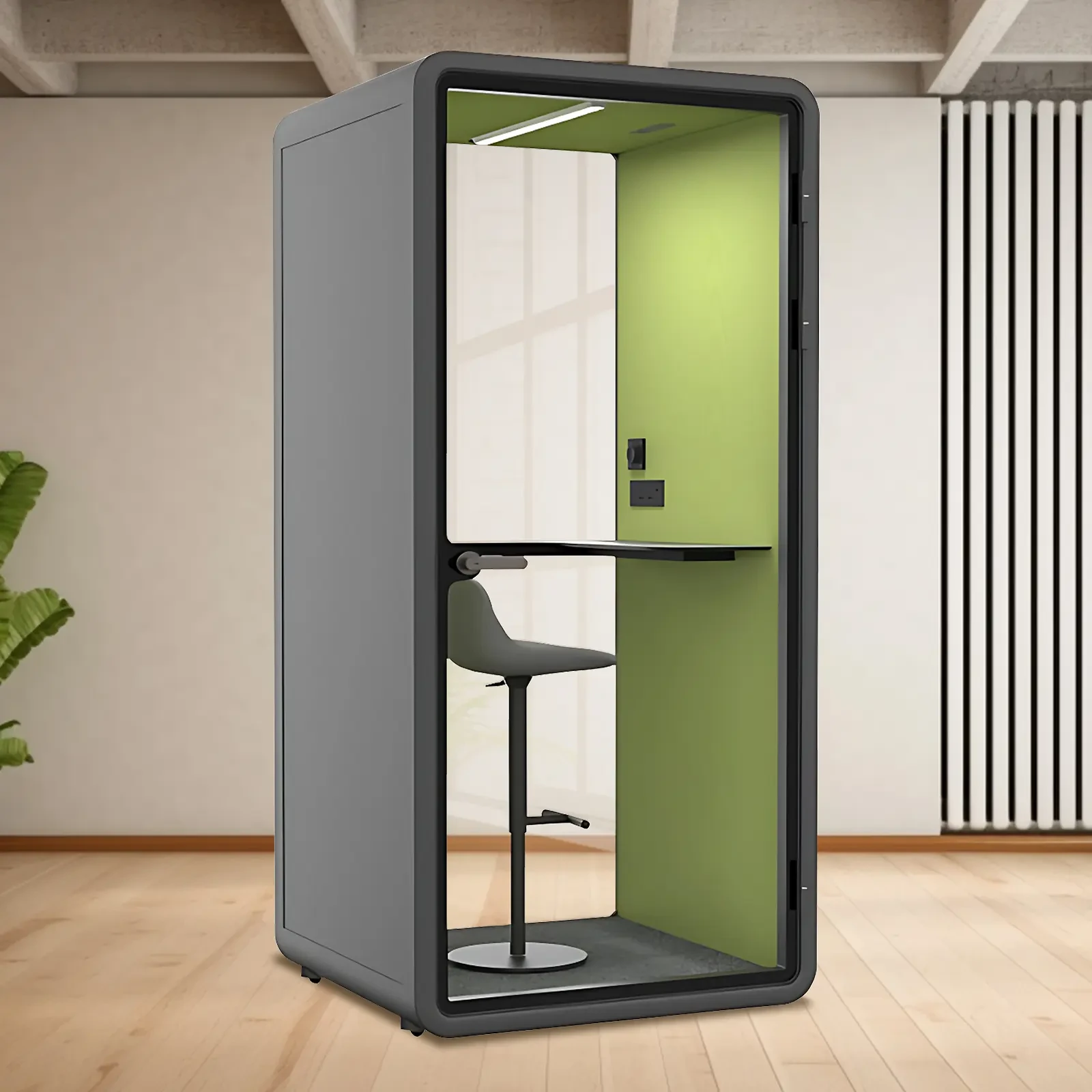
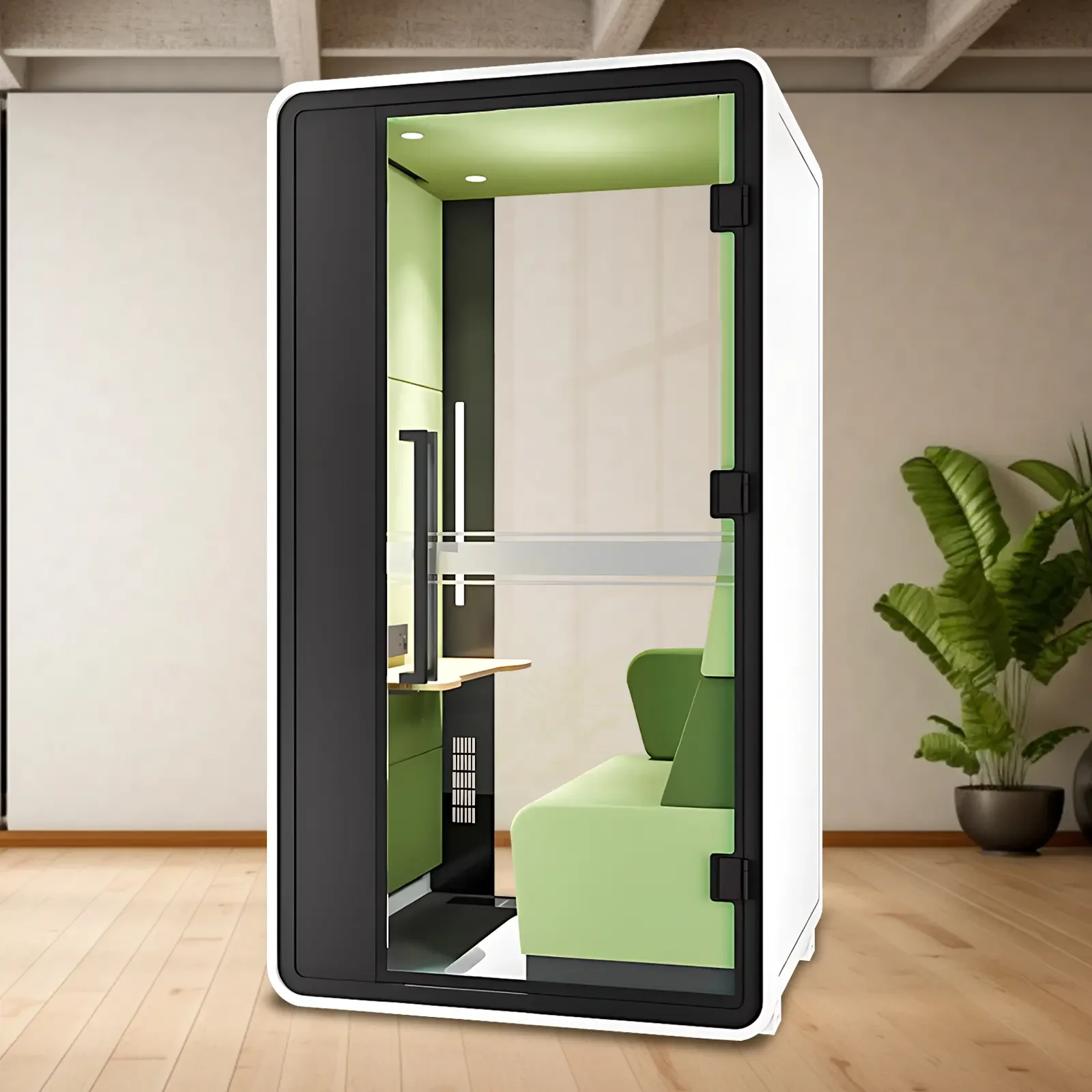
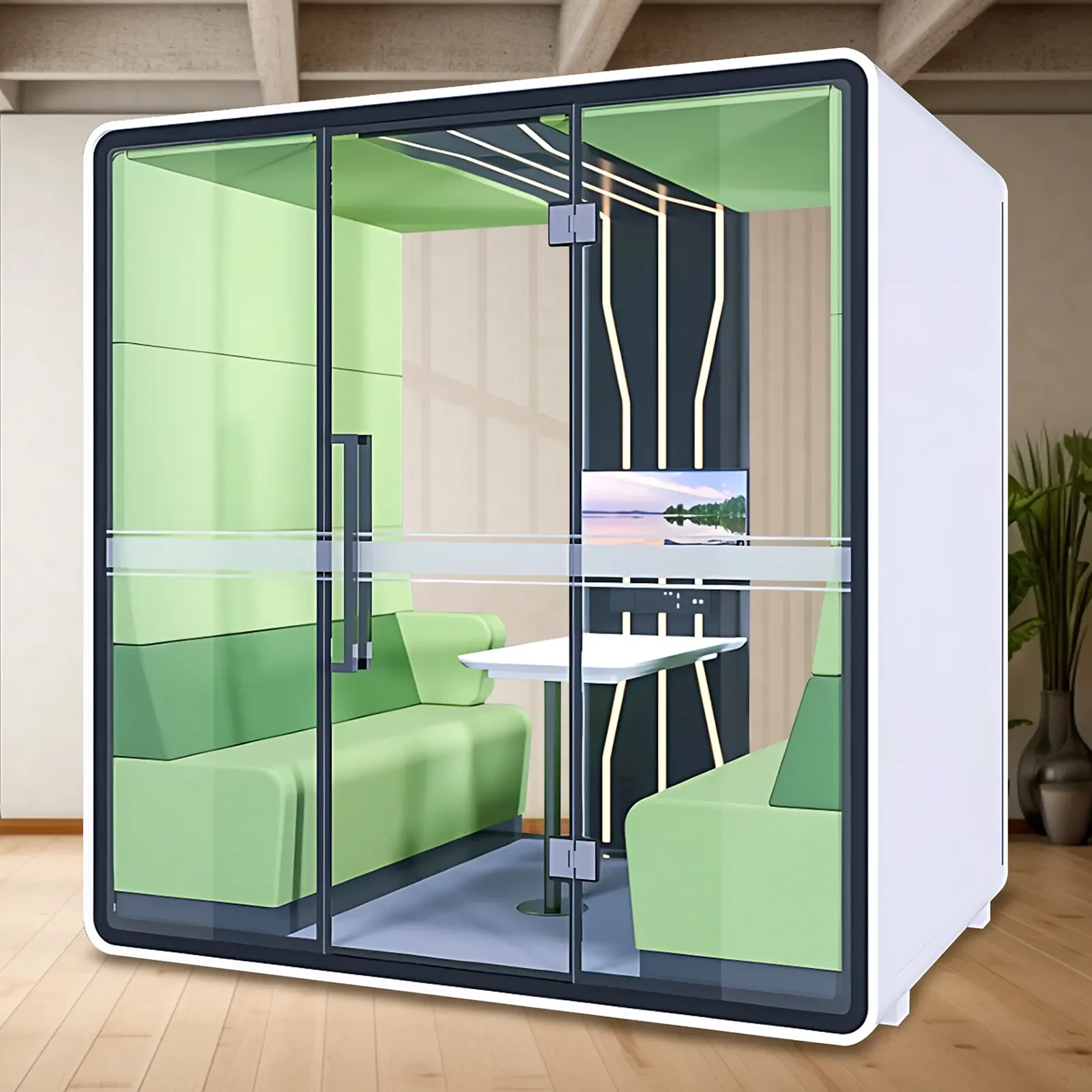
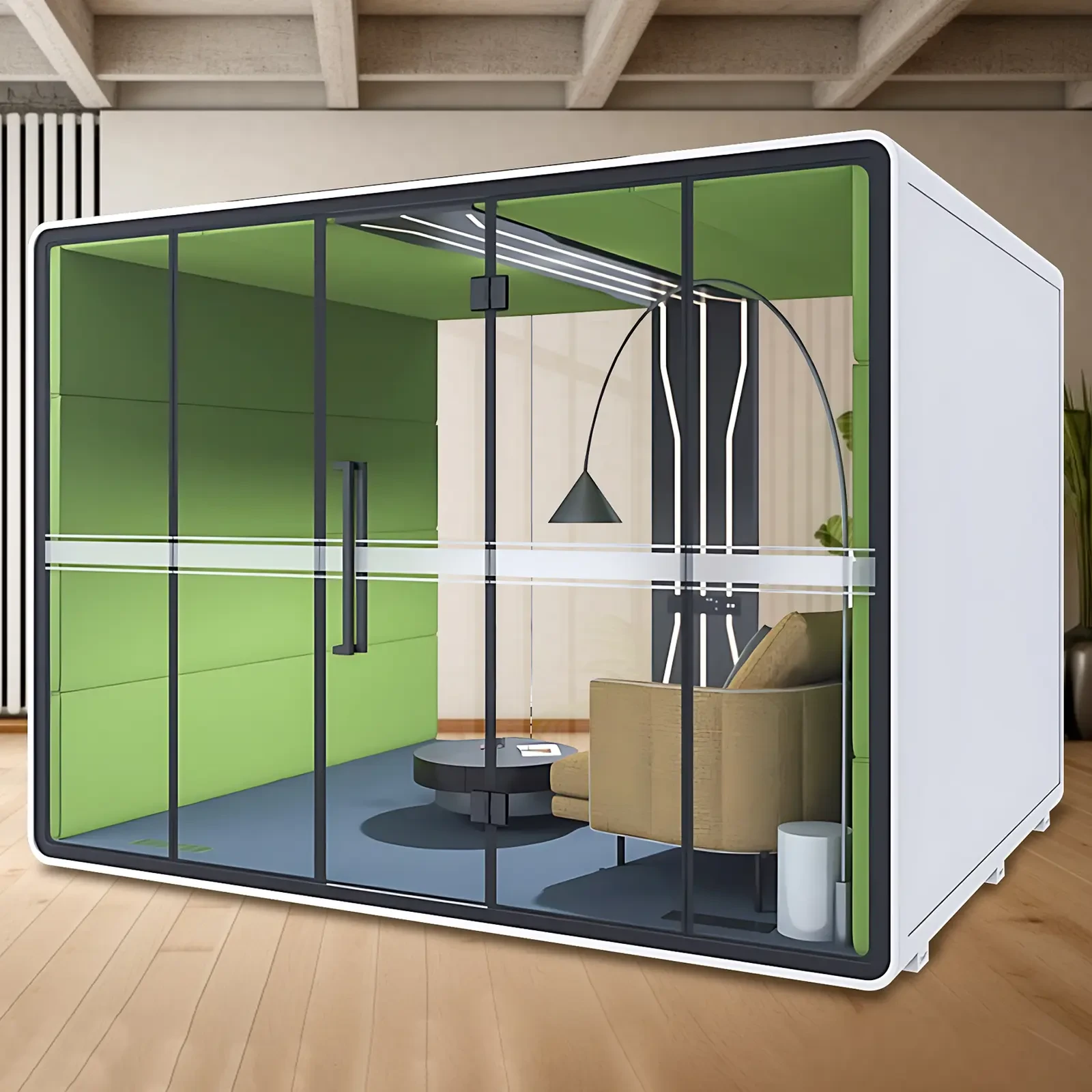
Bar soundproofing installation guide: an essential guide to creating a tranquil atmosphere.
As a popular entertainment venue, bars often need to create a pleasant atmosphere to ensure customers have a enjoyable social experience while enjoying food and drinks. However, a noisy environment and surrounding noise can often negatively impact the overall ambiance of a bar, significantly diminishing the customer experience. To effectively address these issues, many bar owners choose to use soundproofing materials, especially soundproofing panels. This article will provide a comprehensive introduction to how to install soundproofing panels in a bar, helping you create a quiet and comfortable entertainment space.
I. Understanding Bar Soundproofing Panels
Before discussing installation, let's understand some basic knowledge about soundproofing panels. Soundproofing panels are primarily used to reduce sound transmission and are typically made of sound-absorbing materials such as polyester fiber, wood fiber, and foam. They not only effectively block external noise but also reduce the reflection of internal sound waves, thereby improving sound quality and privacy. Suitable soundproofing panels can make a bar's acoustics even better, allowing customers to enjoy a superior audio experience.
II. Types of Soundproofing Panels for Bars
Depending on the materials and uses, sound insulation panels come in various types, the most common being:
1. Polyester fiber sound insulation board: Environmentally friendly and with good sound absorption properties, suitable for most bars.
2. Wooden soundproofing panels: They are aesthetically pleasing and suitable for creating a high-end bar environment, but are relatively expensive.
3. Foam sound insulation board: lightweight and easy to install, its sound insulation effect may be slightly weaker compared to other types, but it is suitable for small bars.
4. Special sound insulation panels: such as fireproof sound insulation panels, suitable for bars with special needs.
III. Material Preparation for Installing Bar Sound Insulation Panels
Before you begin installing the soundproofing panels, you will need to prepare some materials and tools:
- Soundproofing panels: Select appropriate soundproofing panels based on Henkow's drawings or design style.
- Glue or fixing nails: used to fix the soundproofing panels to the wall or ceiling.
- Knives: such as cutting knives or utility knives, to facilitate cutting the sound insulation panels.
- Measuring tape: Used to measure length and ensure accurate installation.
- Level: Ensures the installation is level.
- Protective equipment: such as gloves, masks, etc., to ensure personal safety.
IV. Installation Steps
Below are the specific installation steps for bar soundproofing panels:
1. Surveying and Planning
Before installation begins, the bar space must be carefully measured. Determine the area of the walls or ceiling that need soundproofing and ensure that the number of soundproofing panels purchased is sufficient. You can use a pencil to mark the walls to plan the installation locations of the soundproofing panels.
2. Clean the surface
Ensure the surface where the soundproofing panels will be installed is clean and dust-free, as this will help increase the adhesion strength. If there is peeling paint or other impurities on the wall, it is recommended to clean or repair them.
3. Cut the sound insulation board.
Cut the soundproofing panels to size using a cutting tool. It is recommended to double-check the dimensions with a measuring tape before cutting to avoid unnecessary waste.
4. Fix the sound insulation board
Choose the appropriate fixing method based on the weight and type of the soundproofing panels. For lighter panels, glue can be used; for heavier panels, it is recommended to use fixing nails for reinforcement. Apply glue to the edges and center of each panel to ensure a firm fit.
5. Inspection and Correction
After installation, use a spirit level to check if the soundproofing panels are installed flat. If unevenness is found, some soundproofing panels can be fine-tuned to ensure the overall visual effect.
V. Post-maintenance
After the soundproofing panels are installed, routine maintenance is also crucial. During daily operations, regularly check the panels for loosening or damage, and repair or replace them promptly. Maintain good ventilation to prevent moisture from affecting the materials.
VI. Conclusion
While installing soundproofing panels in a bar may seem simple, it's a crucial step in enhancing the bar experience. Through proper measurement, selection, and installation, you can effectively isolate noise and improve overall customer satisfaction. In future operations, combining soundproofing design with excellent service will surely attract more customers to your bar.
Hopefully, this article will provide you with a practical guide to soundproofing installation, helping you create a comfortable and quiet bar environment. Whether you're opening a new bar or renovating an existing space, prioritizing soundproofing will create a relaxing social atmosphere for your customers.
X-comfot, your gateway to an efficient life. We are committed to becoming your most trusted brand of soundproof pod.
E-mail: support@x-comfot.com