
 USD
USD  GBP
GBP
 EUR
EUR
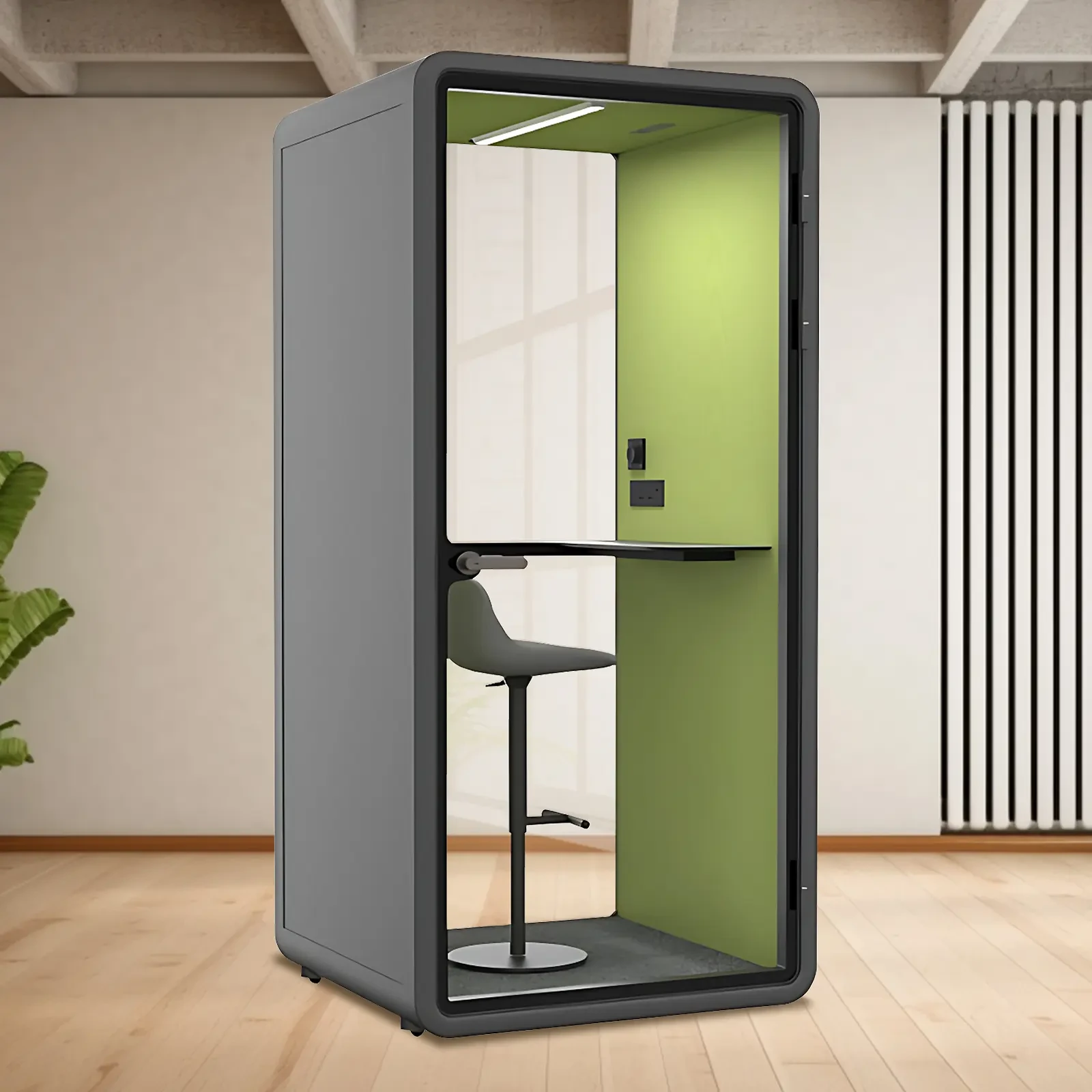
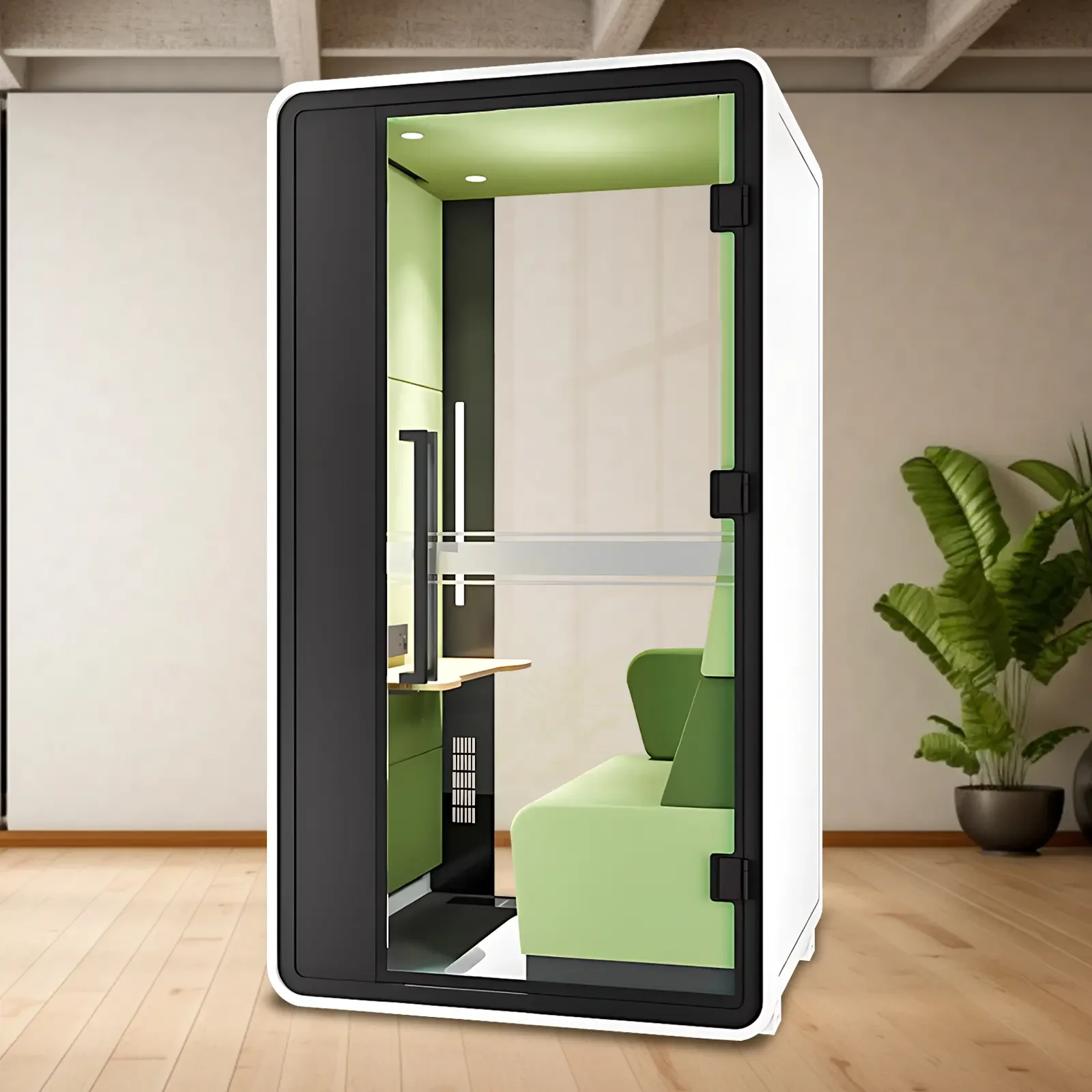

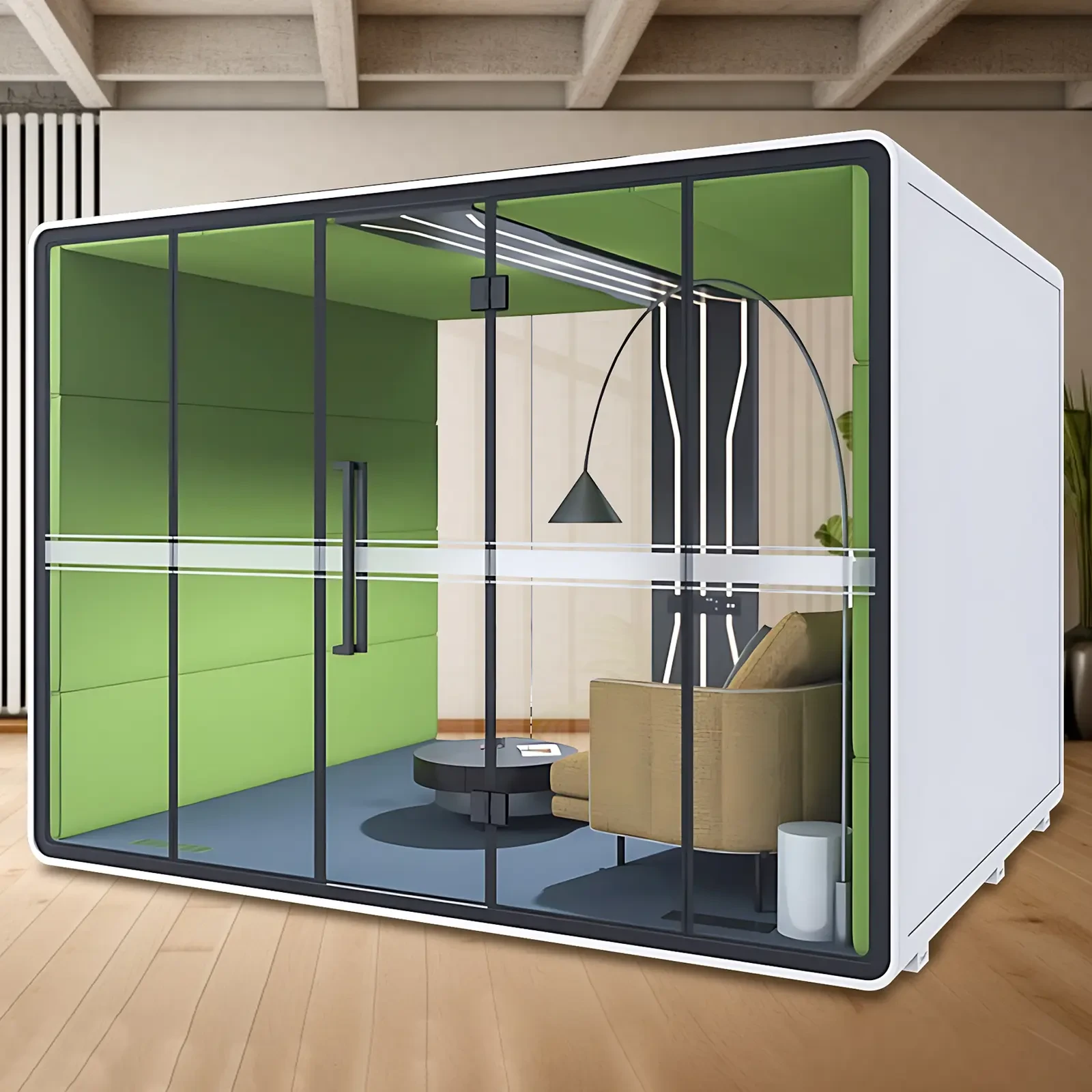
How to solve the noise problem from upstairs? In-depth analysis of soundproof ceiling solutions.
In our daily lives, the comfort of our living environment is affected by a variety of factors, and noise is one of the most common and annoying disturbances. This annoyance is amplified when annoying noises from upstairs neighbors, such as footsteps, television broadcasts, etc., are constantly coming in. At this point, many people consider installing soundproof ceilings to solve the problem. But do soundproof ceilings really work? In this article, we will comprehensively discuss the principles, effects, material selection, and installation suggestions of soundproof ceilings to help you make an informed decision.
The principle of soundproof ceiling
Soundproof ceilings reduce noise by physically blocking sound transmission. Sound travels through vibrations in the air; therefore, sound blocking can be achieved through various aspects, including material selection and structural design. A soundproof ceiling typically consists of the following parts:
1. Ceiling frame: Made of high-strength materials such as aluminum alloy and light steel to provide stable support.
2. Sound insulation materials: Commonly used sound insulation materials include mineral wool, polyester fiber, gypsum board, etc. These materials have good sound absorption properties and can effectively reduce the propagation of sound.
3. Gap sealing: Use sealant and sound insulation strips to seal the gaps where the ceiling meets the walls, light fixtures, etc., to prevent sound from spreading through the gaps.
The effect of soundproof ceiling
1. Noise reduction
Firstly, the main purpose of soundproof ceilings is to reduce noise. According to relevant research, installing soundproof ceilings can reduce upstairs noise by 10 to 30 decibels, which can significantly improve living comfort. The soundproofing effect is particularly noticeable in rooms requiring a quiet environment, such as home theaters, music rooms, and studies.
2. Sound absorption effect
In addition to reducing noise, soundproof ceilings also have excellent sound absorption properties. Echoes and resonances are common problems in home environments, and good sound-absorbing materials can effectively suppress these phenomena, making the indoor environment more comfortable. Especially in environments with many people, such as conference rooms, recreation rooms, or restaurants, sound absorption can greatly improve communication.
3. Aesthetics
Modern soundproof ceilings are not only highly functional, but also offer a wide variety of designs to match various interior design styles. Whether it's a minimalist, modern, or retro style, the right ceiling materials and design can enhance the aesthetics of the entire space.
Selection of sound insulation materials
When considering soundproof ceilings, the choice of soundproofing materials is crucial. Common soundproofing materials include:
1. Gypsum board
Gypsum board is a common ceiling material, known for its simple structure and ease of use. Due to its high density, it offers good sound insulation, making it suitable for both residential and commercial ceilings. Choosing thicker gypsum board will result in even better sound insulation.
2. Sound-absorbing cotton
Sound-absorbing cotton is typically made of mineral wool or polyester fiber and has strong sound-absorbing properties. When used in combination with other sound insulation materials, it can significantly improve sound insulation. It is lightweight, easy to install, and suitable for ceiling installations in various spaces.
3. EVA sound insulation board
EVA (ethylene-vinyl acetate copolymer) sound insulation board is a new type of sound insulation material. Its excellent elasticity enables it to effectively absorb and reduce vibrations, making it suitable for environments that require high-intensity sound insulation, such as music rooms and entertainment venues.
Recommendations for installing soundproof ceiling
1. Design Considerations
Before installing a soundproof ceiling, the overall layout of the ceiling needs to be designed first. A reasonable design can ensure that the acoustic effect of each area is maximized. Depending on the room's usage needs, a full-coverage or partial-coverage design can be chosen.
2. Size planning
When purchasing materials, it is necessary to measure the dimensions of the suspended ceiling to avoid wasting materials. Generally, the ceiling height should be in harmony with the overall proportions of the room to achieve sound insulation without affecting the sense of space.
3. Consult a professional.
Although the installation process for soundproof ceilings may seem simple, it is recommended to hire a professional installation team to ensure optimal results. They can provide a more scientific installation plan based on the actual conditions of the house, ensuring that the soundproof ceiling performs at its best.
4. Maintenance and Care
The lifespan of a soundproof ceiling is closely related to its quality, therefore regular maintenance and upkeep are essential. In daily use, avoid direct impacts from heavy objects onto the ceiling and keep its surface clean and intact to effectively extend its lifespan.
in conclusion
In summary, soundproof ceilings are an effective solution to noise problems from upstairs neighbors. With proper design and high-quality materials, excellent sound insulation can be achieved, improving living comfort. Furthermore, the aesthetic appeal and versatility of soundproof ceilings offer more options for home and commercial environments. If you are troubled by noise issues, consider installing a soundproof ceiling; it will undoubtedly be a wise choice.
This article aims to help you gain a more comprehensive understanding of soundproof ceilings and their applications. Whether it's noise control or improving your living environment, soundproof ceilings are an ideal solution.
X-comfot, your gateway to an efficient life. We are committed to becoming your most trusted brand of soundproof pod.
E-mail: support@x-comfot.com