
 USD
USD  GBP
GBP
 EUR
EUR
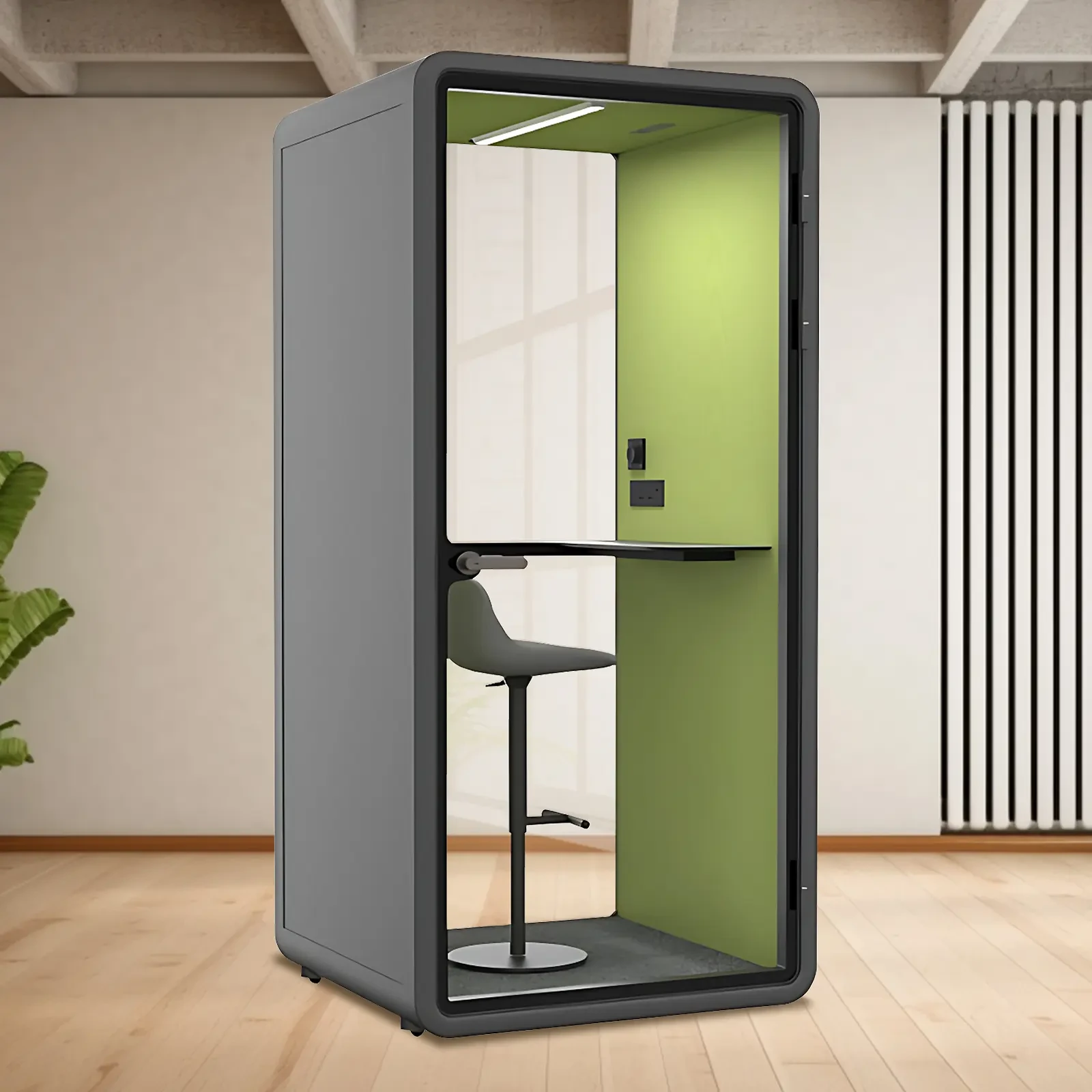



How to Choose High-Quality Drain Pipe Sound Insulation Material? Comprehensive Analysis and Recommendations
Noise pollution has become a significant issue in modern family life. Especially in compact urban environments, noise from drain pipes often disrupts our daily rest and quality of life. Therefore, installing drain pipe sound insulation material has become an effective solution. This article will explore which type of drain pipe sound insulation material is best, helping you make an informed choice.
1. Causes of drainpipe noise
Before understanding sound insulation materials, we first need to understand the causes of drain pipe noise. Drain pipe noise is mainly caused by the following factors:
- Running water noise: Water will produce some noise when it flows through the pipe, especially when the water flow speed is relatively fast.
- Solid particles: such as hair, food scraps, etc., can make a screeching sound when they rub against each other in the pipe.
- Bubble bursting: The generation and bursting of bubbles in the water flow can also increase noise.
Therefore, when choosing sound insulation cotton, you should focus on its ability to block multi-frequency noise.
2. Types of sound insulation cotton for drain pipes
There are many types of sound insulation cotton for drain pipes on the market, mainly including the following:
2.1 Polyester fiber sound insulation cotton
- Material characteristics: Polyester fiber sound insulation cotton is made of high-density polyester fiber, which is lightweight and has good elasticity.
- Sound insulation effect: It has a good absorption effect on mid-to-high frequency noise, but its ability to isolate low frequency sound waves is relatively insufficient.
- Easy to install: Polyester fiber sound insulation cotton is usually in rolls, which can be cut as needed during installation, making it very convenient.
2.2 Rubber sound insulation cotton
- Material characteristics: Rubber sound insulation cotton has high density and elasticity, which can effectively resist strong impact sound and vibration sound.
- Sound insulation effect: It has a good ability to isolate both low-frequency and high-frequency sound waves, and is especially effective against low-frequency noise generated by the operation of mechanical equipment.
- Durability: Rubber materials are resistant to aging and water, and have a long service life.
2.3 Mineral wool sound insulation cotton
- Material characteristics: Mineral wool sound insulation cotton is mainly made from natural mineral materials and has fireproof and moisture-proof properties.
- Sound insulation effect: It has a significant effect on isolating mid-to-low frequency noise and has a good effect on reducing echo.
- Environmentally friendly: Mineral wool materials contain no harmful substances and meet environmental protection standards.
3. Standards for selecting sound insulation cotton for drain pipes
When selecting sound insulation cotton for drain pipes, you can refer to the following standards:
3.1 Thickness and Density
Thickness and density are crucial for sound insulation performance. Generally, thicker and denser sound insulation cotton has better sound absorption. It is recommended to choose sound insulation materials that are at least 5cm thick to ensure that the sound insulation effect meets the standards.
3.2 Water resistance
Since drain pipes are frequently exposed to water, choosing sound insulation cotton with good waterproof performance is crucial. This not only improves sound insulation but also extends the product's lifespan.
3.3 Sound insulation rate and sound absorption coefficient
Different materials have different sound insulation and sound absorption coefficients. It is recommended to obtain the material performance data from professional sellers and choose products with excellent acoustic performance.
4. Steps for installing sound insulation cotton for drain pipes
To ensure effective sound insulation, the steps for installing sound insulation cotton on drain pipes are as follows:
4.1 Preparation of tools
- Sound insulation cotton
- Scissors or blade
- Tape or nails
4.2 Measurement and Cutting
Measure the required sound insulation cotton size according to the circumference and length of the drain pipe, and cut it to the appropriate size with scissors to ensure it fits the pipe perfectly.
4.3 Installation and Fixing
Apply the cut sound insulation cotton tightly to the surface of the drain pipe and secure it with tape or nails, ensuring there are no gaps.
4.4 Inspection Results
After installation, it is recommended to conduct a test to check the sound insulation effect. Also, check if the sound insulation material is securely fastened to ensure stability during long-term use.
5. Why choose high-quality drain pipe sound insulation cotton?
Choosing high-quality drain pipe sound insulation cotton can not only effectively reduce noise, but also create a more comfortable environment for your home. High-quality sound insulation cotton has the following advantages:
- Durable: High-quality materials perform better in terms of moisture resistance, mildew resistance and aging resistance, and are more suitable for long-term use.
- Environmentally friendly and harmless: Sound insulation materials that meet environmental standards will not release harmful substances during use, ensuring family health.
- Enhance living quality: Effective sound insulation improves the comfort of the living environment, making home a warmer haven.
6. Conclusion
Choosing the right sound insulation material for your drain pipes is an important household investment, affecting not only comfort but also the health of family members. The analysis and suggestions above aim to help you select the most suitable sound insulation material for your drain pipes, bringing tranquility and comfort to your living environment. When purchasing, it's advisable to compare several products, comprehensively evaluating them in terms of brand, materials, and performance to find the most suitable soundproofing solution for your family.
X-comfot, your gateway to an efficient life. We are committed to becoming your most trusted brand of soundproof pod.
E-mail: support@x-comfot.com