
 USD
USD GBP
GBP
 EUR
EUR

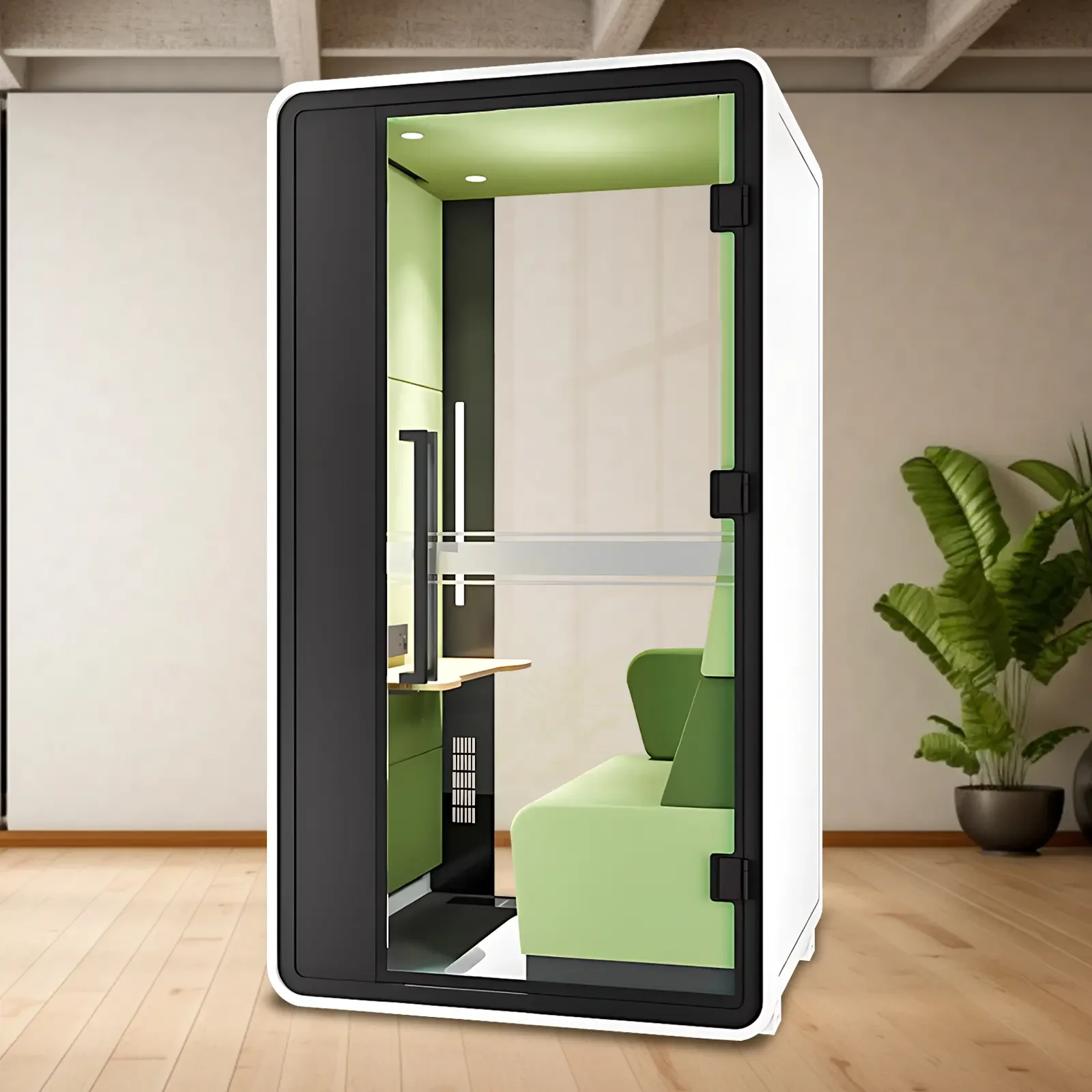
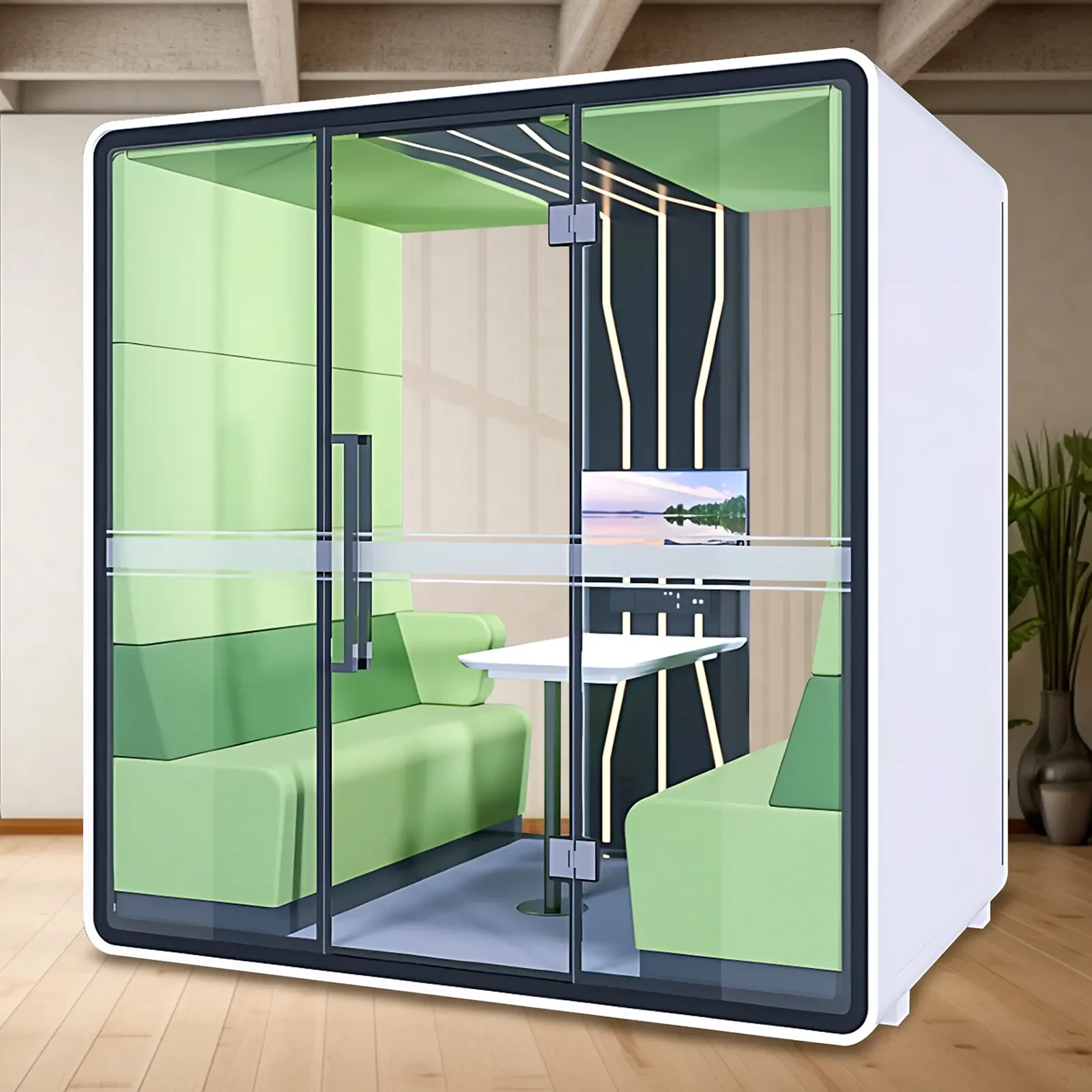
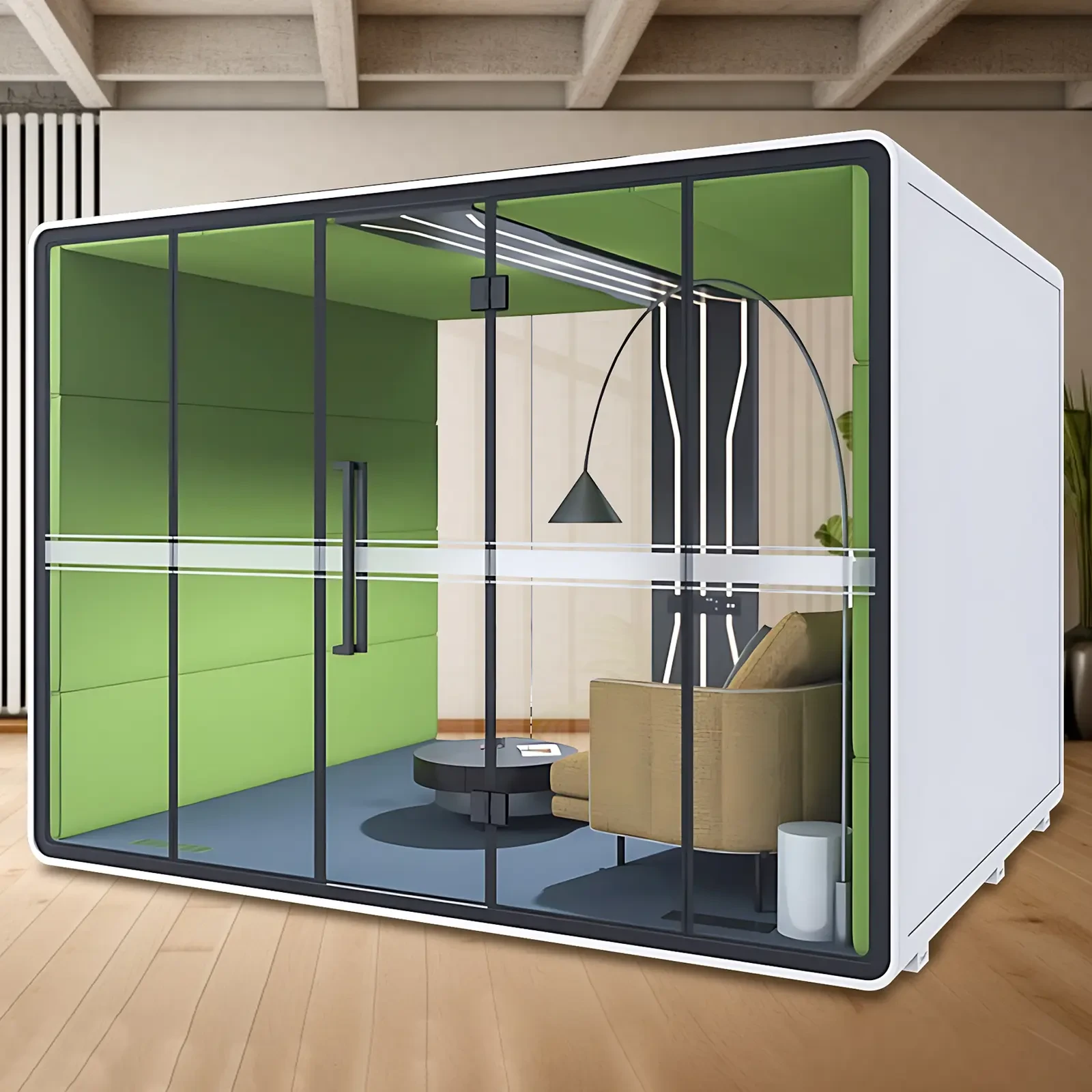
The common problem of noise from upstairs neighbors raises an interesting question: "Noise can travel through air, solids, and liquids, so why can leaving gaps block its transmission?" Noise not only disrupts daily life but can also lead to health problems such as sleep disorders and difficulty concentrating. This article will analyze the principles of noise transmission, scientific mechanisms, and practical applications to help readers understand the key pathways to noise control.
Basic principles of noise propagation
Airborne propagation: Energy transfer from molecular vibrations
Sound is essentially the propagation of vibrations in a medium. In air, it manifests as the mechanical longitudinal wave transmission between molecules, with a propagation speed of approximately 340 m/s. This energy transfer exhibits a logarithmic property-for every tenfold increase in sound intensity, the sound level perceived by the human ear only increases by 10 dB. Everyday conversations noticeably weaken at a distance of 10 meters, demonstrating the gradual dissipation of energy during airborne propagation.
Solid-borne propagation: The "sound bridge" effect of building structures
The core of solid-borne sound transmission is the "sound bridge" effect, which refers to the sound transmission path formed by rigid connections in a building structure. Current buildings commonly suffer from insufficient floor slab thickness and similar acoustic impedance of materials, resulting in minimal energy loss during solid-borne sound propagation. This makes noise such as footsteps from upstairs primarily transmitted through these structures, becoming the main transmission route for neighborhood noise.
Propagation in Liquids: The Synergistic Effect of Density and Speed of Sound
The speed of sound propagation in liquids is between that in solids and gases, while the acoustic impedance is much higher in liquids than in air but lower in solids. This huge difference in acoustic impedance results in extremely low sound wave transmittance at the liquid-air interface (only 0.1%). Sound transmission through liquids is rare in daily life, and is commonly seen in limited situations such as the sound of flowing water in pipes.
The scientific mechanism of noise blocking by gaps
Sudden Changes in Acoustic Impedance: From "Full Transmission" to "Strong Reflection"
The difference in acoustic impedance determines the intensity of sound wave reflection-the smaller the difference, the stronger the transmission; the larger the difference, the stronger the reflection. Take the interface between steel and air as an example: the acoustic impedance of steel is approximately 39 × 10⁶ kg/m²·s, while that of air is only 410 kg/m²·s, a difference of nearly 10,000 times. At this point, the sound wave reflectivity is over 99%, with very little energy able to transmit. This characteristic is widely used in sound insulation design; for example, double-glazed windows create a sudden change in impedance between the glass and the air layer, significantly enhancing sound wave reflection and reducing noise transmission.
Energy dissipation in gaps: damping and resonance control
The air layer in double-glazed windows dissipates energy through the reflection of sound waves between the two layers and the vibration and friction of air molecules. The sound wave energy gradually attenuates through the process of "vibration-friction-heat generation". Compared to an empty cavity, filling it with porous materials such as rock wool and glass wool can increase the sound wave scattering path and efficiently convert sound energy into heat energy through a "mass-spring-mass" composite structure.
Cavity design in engineering: thickness and material coordination
In engineering, cavity design requires controlling the thickness (5-10cm is optimal), filling with porous sound-absorbing materials, and avoiding structural asymmetry (to prevent resonance). Taking suspended ceilings as an example, they achieve vibration reduction through a composite structure of sound insulation felt and glass wool, demonstrating the synergistic effect of materials and cavity parameters in engineering.
Building Sound Insulation Standards and Engineering Practices
Partition walls and floors: Key to blocking solid-borne sound transmission
The partition wall can use a structure of "double-layer gypsum board + 75mm cavity + rock wool filling", utilizing the heavy material properties and the air layer in the cavity to block sound waves; the floor slab should avoid the "sound bridge" formed by rigid connection, and the sound insulation effect can be improved through details such as light steel keel vibration damping pads and acoustic sealant for gaps. In engineering practice, the combination scheme of double-layer 9.5mm gypsum board sandwiching 2.6mm sound insulation felt has performed outstandingly, with a sound insulation of over 29 decibels.
Exterior windows and doors: weak points in airborne sound insulation
As exterior windows are a weak point in sound insulation, the sound insulation effect varies significantly depending on the glass structure. It is recommended to choose ventilated and soundproof windows that simultaneously meet the requirements of ventilation, sound insulation, and smog removal . In particular, it is advisable to choose soundproof windows with customizable sound insulation values to meet the requirements of the "Residential Building Code" GB55038-2025. The sum of the weighted sound insulation value and the traffic noise spectrum correction value (Rw+Ctr) of the exterior doors and windows of bedrooms on the side facing the main traffic artery in residential buildings facing the street should not be less than 35dB; the sum of the weighted sound insulation value and the traffic noise spectrum correction value (Rw+Ctr) of other exterior doors and windows should not be less than 30dB.
Practical solutions for home soundproofing
Home soundproofing can be optimized according to different scenarios: use a suspended ceiling (13cm thick, soundproofing felt + glass wool) for the ceiling; for the walls, we recommend "double-layer gypsum board + 75mm rock wool cavity" (sound insulation improvement of 15-20dB); for the floor, you can do 5mm wood flooring soundproofing renovation; for details, prioritize door and window gaps (sealing glue) and door and window upgrades (professional soundproof doors and windows).
Recommended priority : address door and window gaps and upgrade sound insulation first, then proceed with wall and ceiling renovations in sequence. Floor renovations should be coordinated with the upstairs neighbors.
Regarding the question of "void sound insulation", the core mechanism can be summarized as "impedance barrier + energy trap": reflection is achieved through the huge acoustic impedance difference at the solid-air interface, combined with energy dissipation by filling the cavity with porous materials. The scientific design is more engineering feasible than the vacuum solution.