
 USD
USD GBP
GBP
 EUR
EUR
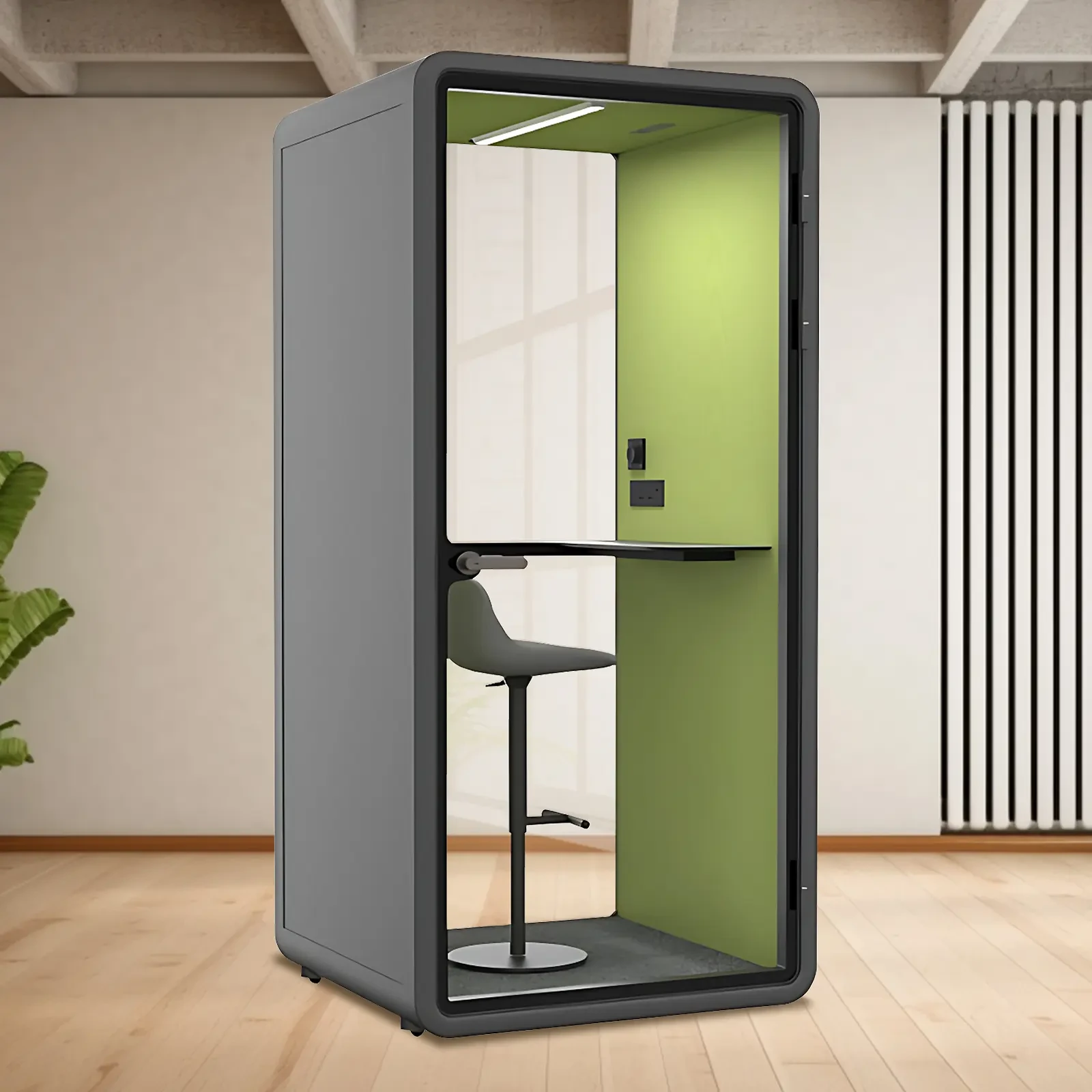
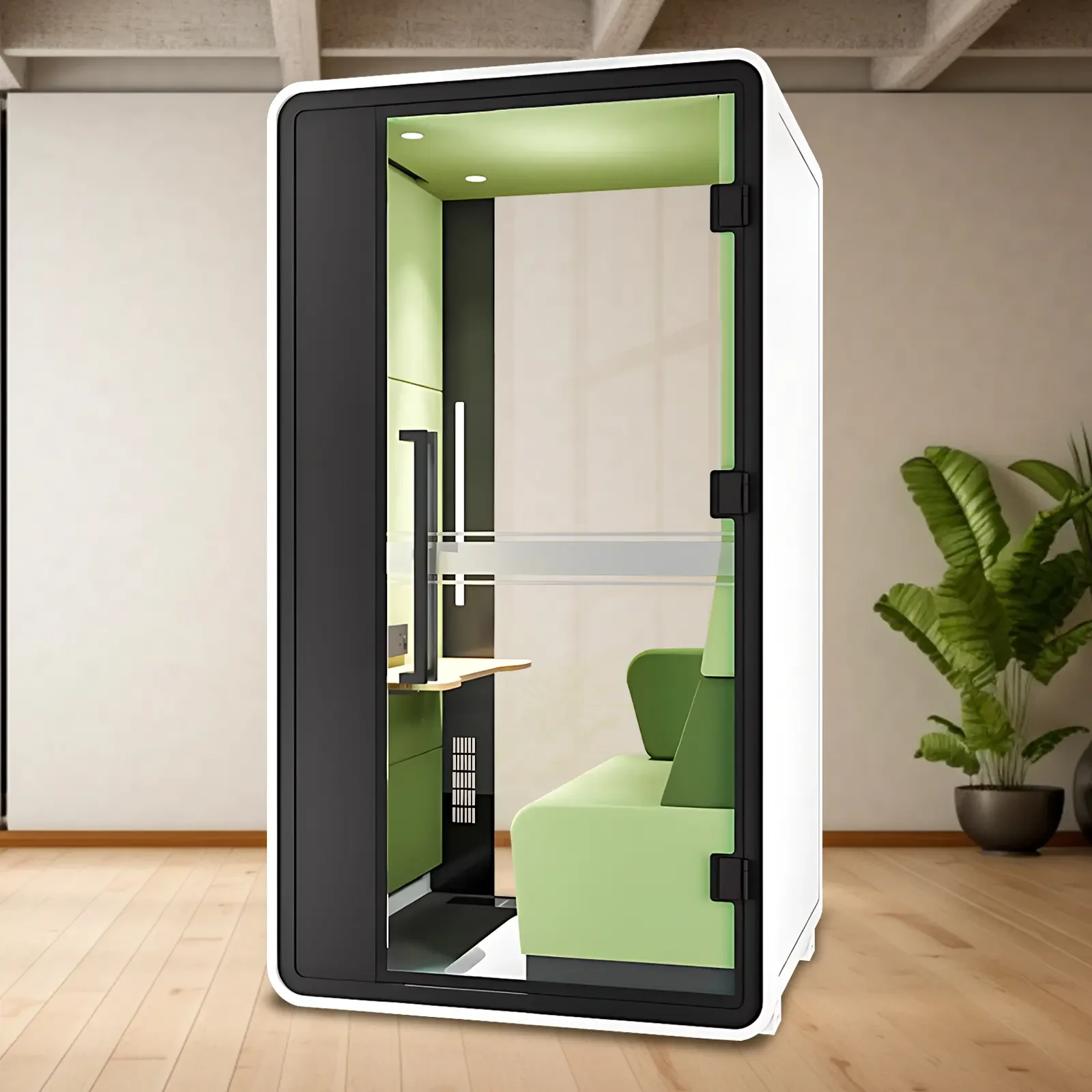
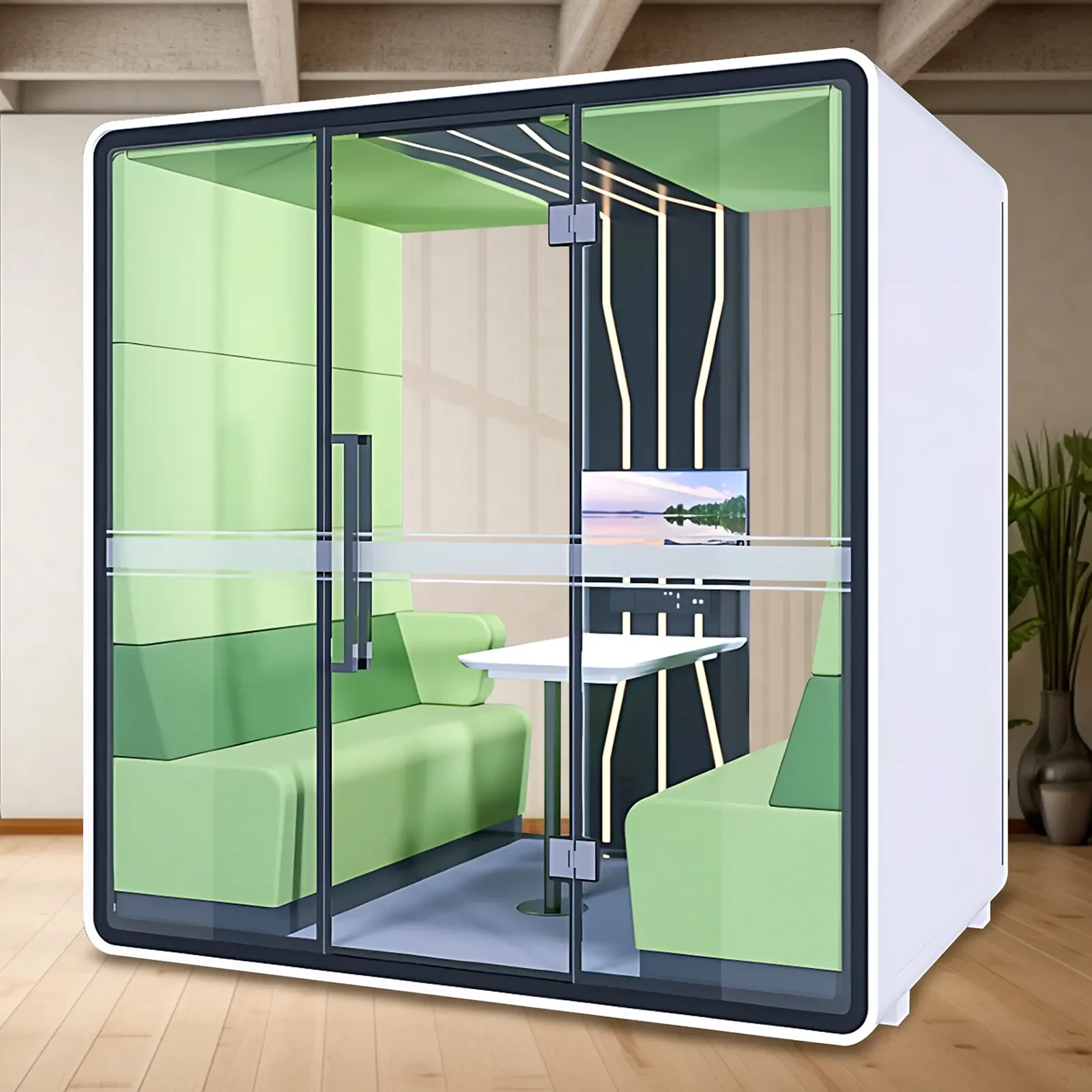
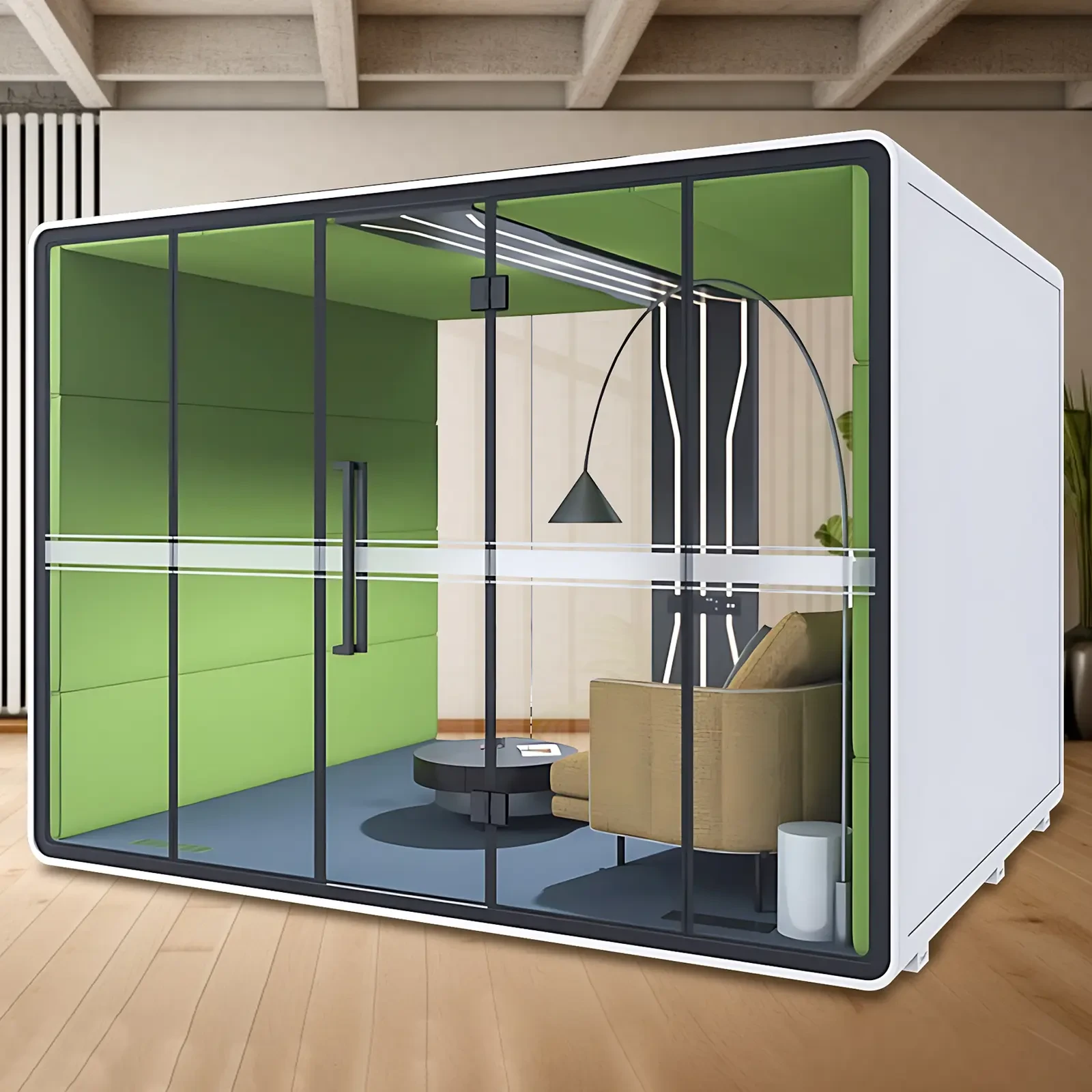
A 1-decibel increase in bedroom noise levels at night may mean a 3% increase in the risk of cardiovascular disease; persistent footsteps from upstairs can lead to a 10% depreciation in property value... This “invisible killer” of noise pollution is being incorporated into the national mandatory governance framework. The newly released “Residential Project Specifications” in March 2025 elevates the “right to quiet” to a legal level for the first time as a “mandatory standard,” setting quantitative requirements for residential noise control. This article, based on authoritative data, analyzes how this policy achieves the dual value of “protecting health and promoting harmony.”
PART 01
Key points of the new regulations
Noise control has been upgraded from "recommendation" to "bottom line".
Noise limits are set at "red lines" (Data source: 2025 "Residential Project Specification" Articles 6.1.1-6.1.4)
1. Equipment noise: Low-frequency noise from elevators, water pumps, etc., transmitted to the bedroom is ≤35dB (close to the sound of a refrigerator running).
2. Sound insulation performance: The sound insulation of the partition wall is ≥50dB (ordinary 240mm brick wall is only 30-35dB);
3. Drainage noise: When the upstairs unit flushes water, the equivalent sound level in the downstairs bedroom is ≤33dB (if it exceeds this, pipe soundproofing modification is required).
4. Sound insulation of exterior windows: The sound insulation of bedroom doors and windows facing the street is ≥35dB (ordinary aluminum alloy windows are only 25dB).
PART 02
Liguo
Noise control is included in the list of high-quality development.
1. Reduce public health costs
WHO data: Long-term exposure to noise levels above 55 dB increases the risk of heart disease by 17% and the rate of insomnia by 30%.
A study by the Beijing Center for Disease Control and Prevention found that for every 10 dB reduction in residential noise, community healthcare expenditures decreased by 8.2%.
2. Alleviate social governance pressure
In 2023, there were 5.706 million noise complaints nationwide, an increase of 1.203 million compared to 2022, showing a significant increase (data source: China Noise Pollution Prevention and Control Report (2024)).
A class-action lawsuit erupted in a Shanghai residential community over elevator noise, with settlement costs exceeding 2 million yuan. The new regulations are expected to reduce similar disputes by 40% after their implementation.
3. Promote the upgrading of green buildings
The Ministry of Housing and Urban-Rural Development estimates that 850 million square meters of residential buildings nationwide need to be renovated for sound insulation that does not meet standards, which will drive a market of over 300 billion yuan for energy-saving building materials and intelligent monitoring equipment.
The new regulations align with the "dual carbon" goals: high-performance soundproof windows can reduce air conditioning energy consumption by 15% and reduce carbon emissions by 1.2 tons per household per year.
PART 03
Benefit the people
Let "quiet" become a standard feature of the right to housing.
1. Improved sleep quality
Experiments at Tsinghua University have shown that reducing bedroom noise from 45dB to 35dB increases deep sleep time by 1.2 hours per night.
Sanyuan Soundproof Windows Case Study: Soundproofing renovations in a Shenzhen residential community resulted in a 26% decrease in residents' anxiety-related medical visits. (Case details attached: Government-Enterprise Collaboration | Jointly Solving Traffic Noise Pollution Issues)
2. Property value protection
According to data from Beike Research Institute, homes that meet sound insulation standards command a premium of 5%-12% compared to ordinary homes in the same area.
After soundproof windows were installed in a residential community in Guangzhou, the transaction cycle for second-hand homes was shortened by 30 days, and rents increased by 8%.
3. Achieving intergenerational equity
Children's hearing sensitivity is three times that of adults, and the new regulations specifically require stricter sound environment standards to be implemented in residential areas around kindergartens and schools;
In the renovation of old residential communities, sound insulation projects have been given top priority (Ministry of Housing and Urban-Rural Development survey in 2023).
From "norms" to "habits": Building a peaceful China
The mandatory implementation of the noise clauses in the "Residential Project Code" marks a leap from quantity to quality in my country's efforts to improve the living environment. For the nation, this is a solid step towards the Healthy China strategy; for the people, it is a key guarantee for improving their quality of life; and for the industry, it is a historic opportunity for transformation and upgrading. When every wall and every window can block out noise, and when the "right to quiet" transforms from legal provisions into daily life, we will be one step closer to our dream of "poetic living."
Let regulations safeguard peace and tranquility, and let technology empower serenity-this is the promise that the new era has given to everyone, and it is also the mission and responsibility of Sanyuan Environment to practice green development through acoustic treatment technology.
Sanyuan ventilation and soundproof windows, customizing your ideal home! For details, please contact: 028-85007086