
 USD
USD GBP
GBP
 EUR
EUR
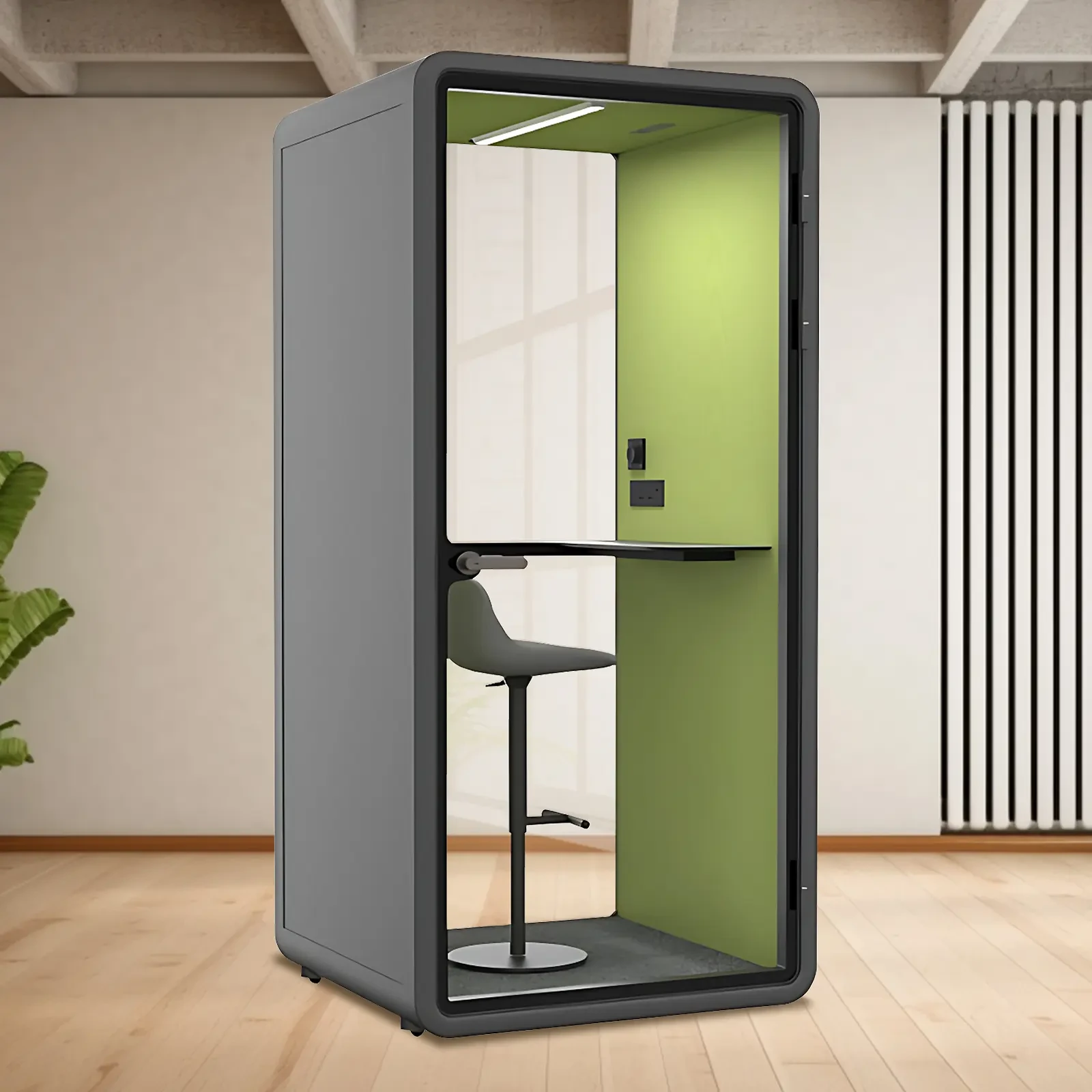
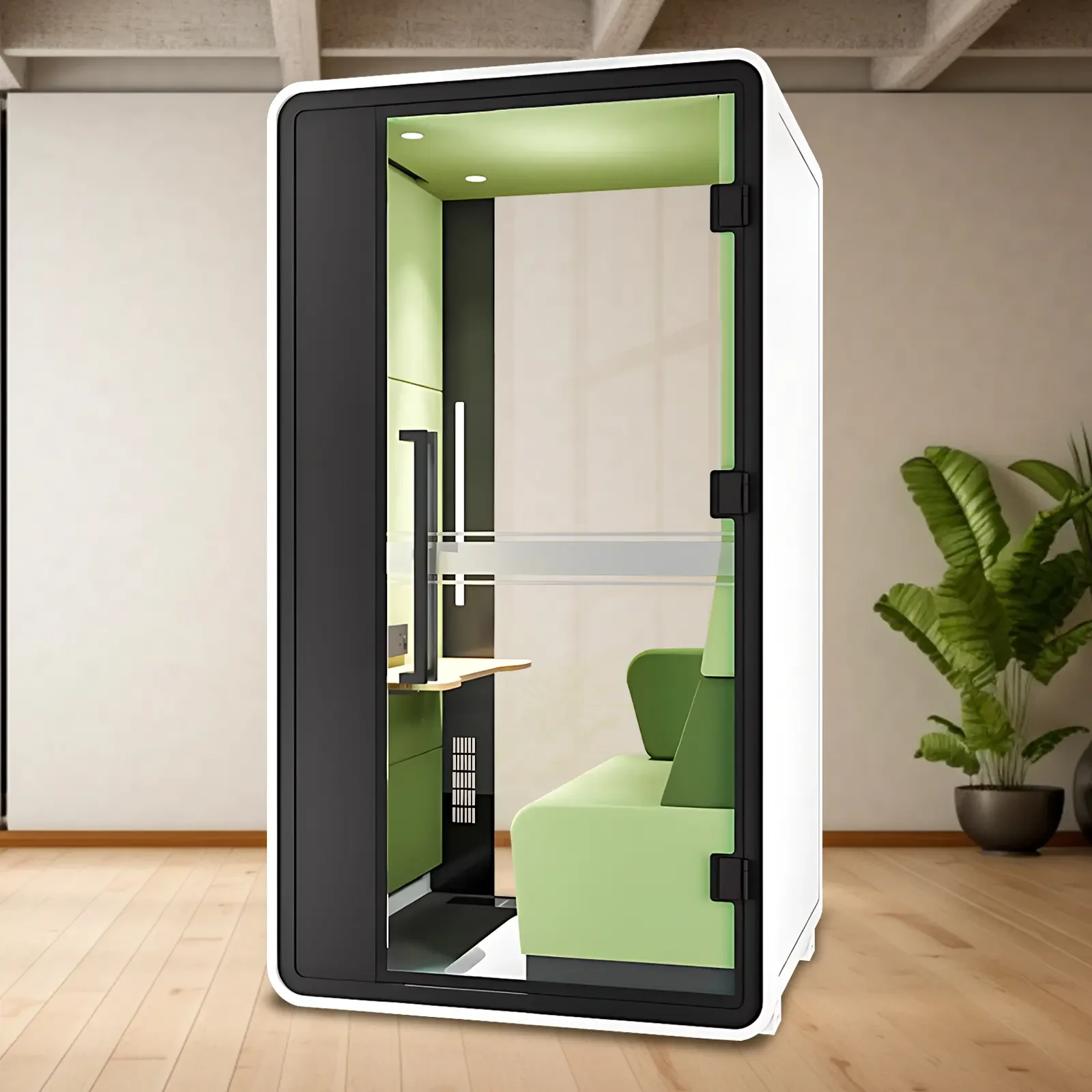
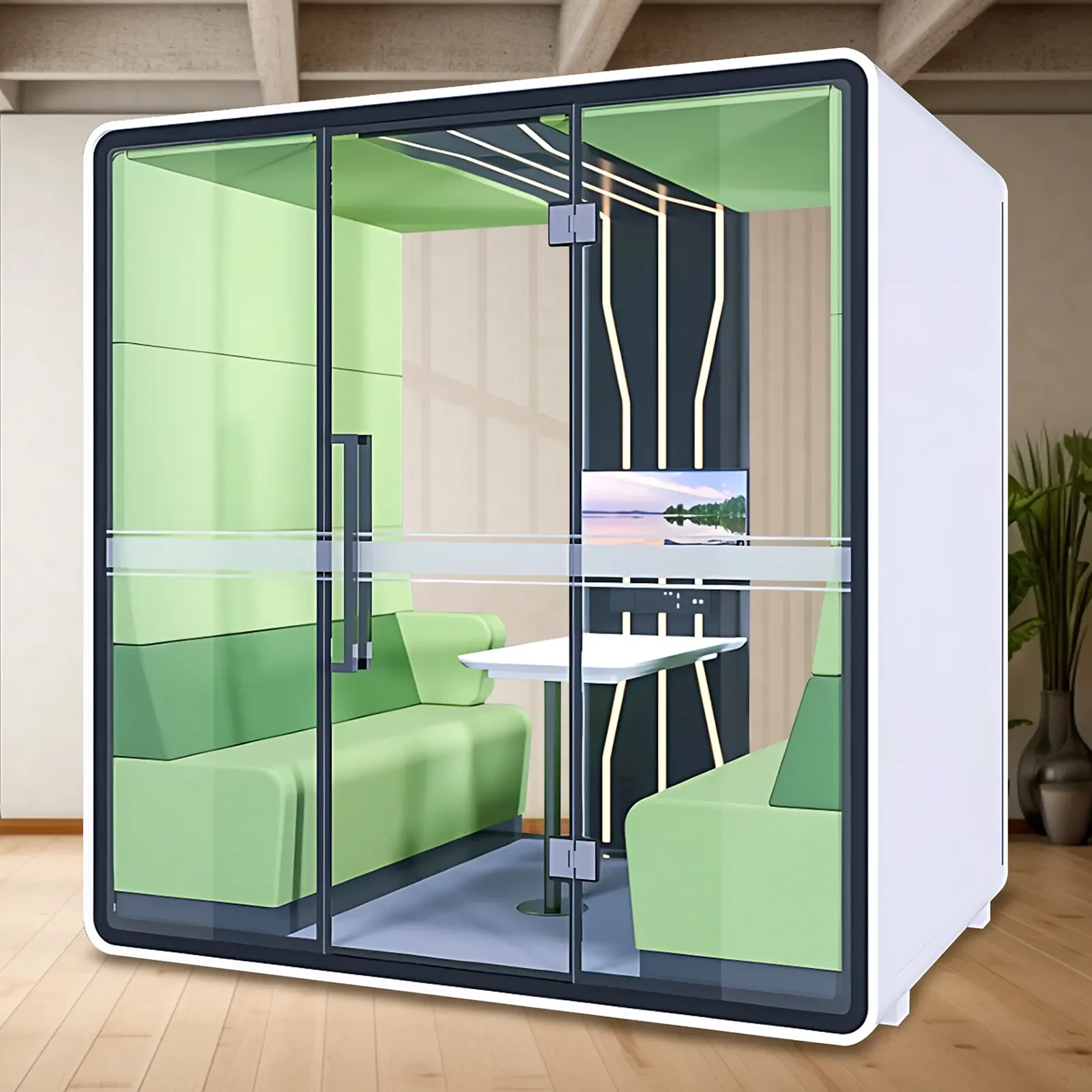
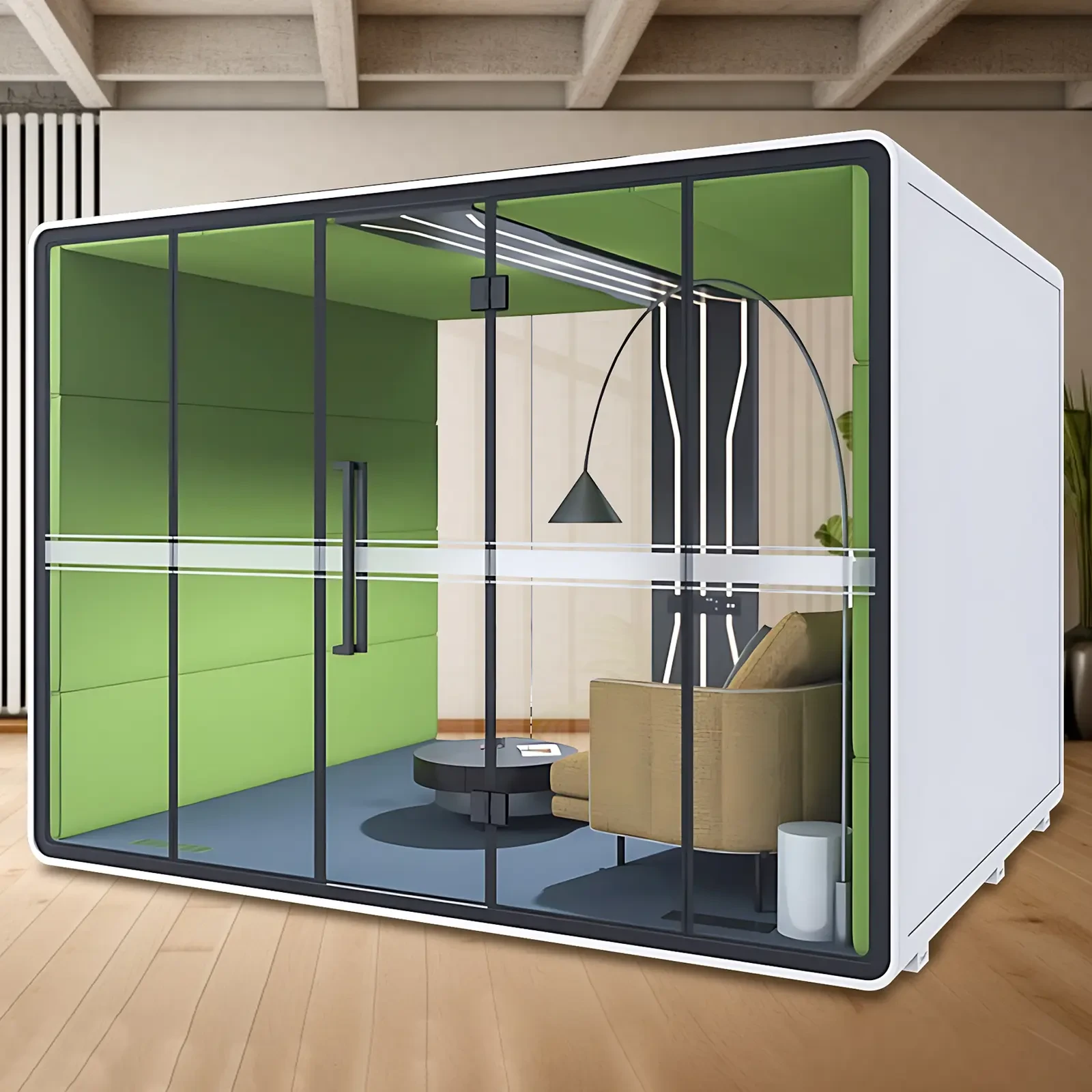
The new regulations on residential noise mainly refer to the "Noise Pollution Prevention and Control Law of the People's Republic of China" (hereinafter referred to as the "New Law"), which officially came into effect on June 5, 2022.
This is undoubtedly a landmark innovation in China's noise pollution control field. The new law provides comprehensive, systematic, and rigorous regulations for residential noise issues, primarily addressing improvements to the living environment in the following aspects:
I. Core Contents of the New Regulations (Focusing on Residential Housing)
1. Define noise pollution clearly (a fundamental breakthrough)
The new law defines "noise pollution" as noise that exceeds noise emission standards or is generated without taking legally required prevention and control measures, thereby interfering with the normal life, work, and study of others.
Significance: For the first time, behaviors that "failed to take preventive measures" and cause disturbances are included in the scope of pollution (such as jumping rope upstairs or renovations at night without soundproofing mats), and accountability can be pursued even if the noise level does not exceed the standard.
2. Focusing on four main types of residential noise, precise management is implemented:
Indoor activity noise (neighborhood noise):
It is explicitly prohibited to generate noise that disturbs the normal lives of others when engaging in family entertainment, renovation, fitness, or other activities in completed and occupied residential buildings.
Key control measures: Noisy renovation work is prohibited at night (22:00 to 6:00 the next day) and all day on statutory rest days and holidays (except for special circumstances such as emergency rescue).
Noise from facilities and equipment:
The installation locations and noise reduction measures for shared facilities and equipment such as elevators, water pumps, transformers, central air conditioning, and ventilation systems must comply with regulations, and developers/property management companies are required to maintain them regularly.
New residential buildings: The acoustic environment and sound insulation design must be disclosed before the sale and included in the sales contract.
Noise in outdoor public places:
Regulations stipulate that entertainment and gathering activities organized in public places such as streets, squares, and parks must comply with area volume limits and the use of loudspeakers is prohibited. The use of directional speakers is encouraged to control noise diffusion from activities such as square dancing.
Construction noise:
Nighttime construction work is strictly restricted (except for special processes requiring continuous operation), and construction companies are required to notify nearby residents. Key areas for monitoring: Projects located around residential areas.
3. Strengthen the responsible entities and management mechanisms:
Clarify the responsibilities of each party:
Individuals/families: Limit the noise from your own activities and use household appliances, musical instruments, etc. reasonably.
Property service providers: New statutory responsibilities: to formulate noise management agreements, promptly dissuade and mediate noise disputes among neighbors, and report those who refuse to comply to law enforcement agencies.
Developers: Ensure that the building's sound insulation design meets standards and disclose sound environment information.
Public place managers are responsible for monitoring noise levels from activities within the area.
Construction unit: Implement noise reduction measures and restrict nighttime construction.
Establish a "categorized management + key period supervision" model:
Specific provisions were formulated for different noise sources (industrial, traffic, construction, and social life), with emphasis on supervision at night and on rest days.
4. Reduce the cost of rights protection and increase the severity of penalties:
Optimized burden of proof: Complainants only need to provide preliminary evidence (such as audio and video recordings, property records), and law enforcement agencies or courts can require the noise-generating party to prove that the noise level is not exceeded/has not interfered.
Severe penalties:
Individuals who violate the regulations (such as late-night renovations or noise disturbances to neighbors) may be fined up to 1,000 yuan (those who refuse to correct the violation will be punished continuously on a daily basis).
Businesses that violate regulations (such as property management companies failing to fulfill their duties or businesses playing loud music outside their premises) may be fined up to 200,000 yuan, and in serious cases, may be ordered to cease operations.
Noise violation will be included in social credit records.
Support for public interest litigation: Allowing the procuratorate to file public interest lawsuits against noise pollution.
II. Main types of noise to be improved
1. Noise from upstairs and downstairs neighbors:
Moving furniture late at night, running and jumping, practicing musical instruments, and having a home karaoke session.
Key issues to address: Drilling and wall-breaking noises during renovations at night and on weekends.
2. Low-frequency noise from public facilities:
The elevator vibrates, the water pump makes a humming sound, and the transformer resonates.
3. Noise in community public spaces:
Loudspeaker music for square dancing, open-air commercial performances, and noisy nighttime barbecue stalls.
4. Construction noise around residential areas:
Noise from dump trucks, concrete pouring, and pile drivers at night.
5. Noise from living facilities:
Vibration of the outdoor unit of the air conditioner and noise from the duct of the range hood (proper installation is required).
III. Substantial assistance to people's lives
1. The "right to quiet" becomes a legal right:
For the first time, the new law incorporates "maintaining public tranquility" into its legislative purpose, affirming citizens' right to a peaceful living environment from a legal perspective and providing a fundamental basis for safeguarding their rights.
2. Solving the dilemma of "no way to complain":
Clearly define the law enforcement agencies: the public security organs are responsible for noise in social life (such as neighbors' and pets' barking), the ecological environment departments are responsible for industrial construction noise, and the urban management departments are responsible for noise in public places, thus ending the phenomenon of shirking responsibility.
Legalizing the responsibilities of property management companies: Property management companies are transformed from "peacemakers" into binding managers, and can directly report to law enforcement if mediation fails.
3. Lower the threshold for rights protection:
Mobile phone recordings and videos can serve as preliminary evidence without the need for expensive professional testing; the "reversal of the burden of proof" allows those who disturb others to prove their innocence, solving the problem of "difficulty in obtaining evidence".
4. Prevent residential noise at its source:
Shifting developer responsibility forward: Requiring developers to disclose sound insulation designs to force improvements in building quality (such as thicker floor slabs and soundproof windows).
Noise control for facilities: Reduce long-term problems caused by design flaws in elevators and water pumps.
5. Strong support during peak periods:
Strict restrictions will be placed on nighttime construction and renovation to ensure that residents' core rest time (especially the elderly, infants, and patients) is not disturbed.
6. Jointly building a civilized community:
By regulating the volume of square dancing and standardizing activities in public places, we can balance recreational needs with residential tranquility and reduce neighborhood conflicts.
Summary: The core value of the new regulations
The revision of the Noise Pollution Prevention and Control Law represents a shift from addressing the symptoms to addressing the root causes, achieved through:
✅ Source control (building sound insulation design)
✅ Strict process management (time-based and category-based control)
✅ Responsibility assigned to specific individuals (covering both individuals and organizations).
✅ Empowering Rights Protection (Optimized Evidence Collection + Enhanced Penalties)
The system systematically safeguards the people's need for a "peaceful and livable" environment, and effectively enhances their sense of well-being and health.
Especially in densely populated urban communities, the new regulations provide a legal weapon to resolve "noise disputes" and promote the formation of a civilized living environment of "proactive noise reduction and legal rights protection".