
 USD
USD  GBP
GBP
 EUR
EUR

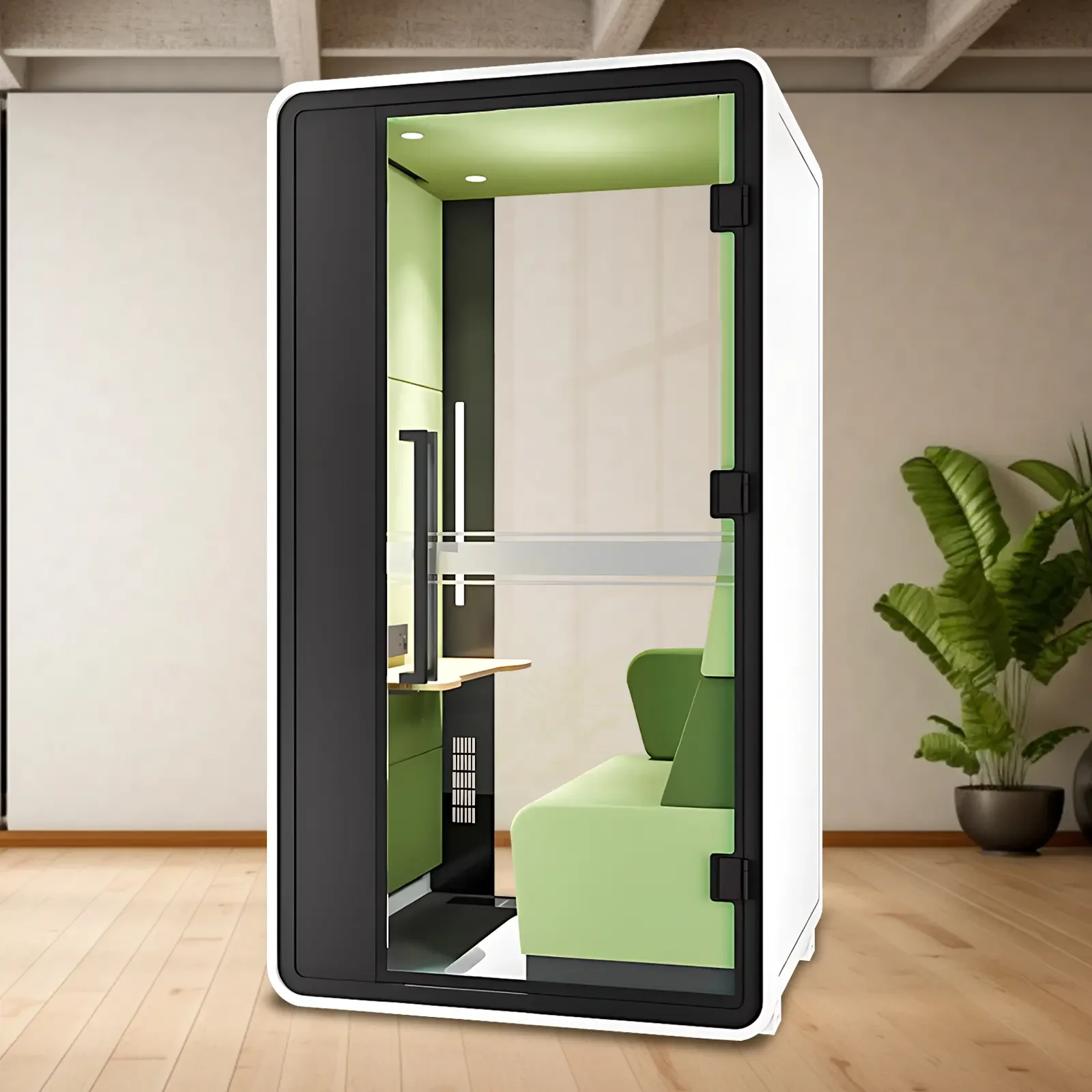


Recommended soundproofing materials for bedrooms that are both soundproof and harmless
In modern society, good sleep quality is closely related to the living environment, especially in cities where noise pollution is becoming increasingly serious. Therefore, many people seek to provide a quieter living environment through renovations, and sound insulation cotton is a common choice. However, among the many sound insulation materials available, how do you choose one that offers excellent sound insulation performance while being harmless to the human body? This article will introduce several sound insulation cotton materials suitable for bedrooms, helping you create a quiet and comfortable ideal space in your home.
What is sound insulation cotton?
Sound insulation cotton is a sound-absorbing material that effectively reduces noise transmission and is commonly used for soundproofing walls, ceilings, and floors. Using sound insulation cotton in bedrooms can significantly improve the privacy and quietness of the room, enhancing living comfort. The effectiveness of sound insulation cotton mainly stems from its internal micro-bubble structure, which dissipates the energy of sound waves, thereby achieving sound absorption and insulation.
Common types of sound insulation cotton materials
Several materials are available for sound insulation in the market, including polyester fiber, glass wool, rock wool, and rubber-plastic foam. Below is a detailed analysis of these sound insulation materials:
1. Polyester fiber sound insulation cotton
- Features: Polyester fiber is an environmentally friendly material with excellent sound absorption and insulation properties. Its capillary structure provides a large space for sound energy dissipation, effectively reducing noise propagation.
- Health benefits: Polyester fiber does not contain harmful substances, effectively prevents the growth of mold and bacteria, and is harmless to the human body, making it very suitable for home decoration.
- Application scenarios: Polyester fiber materials are widely used in spaces such as bedrooms, music rooms, and home theaters where echo and noise reduction is required.
2. Glass wool
- Features: Glass wool is made of inorganic glass fiber, possessing excellent thermal insulation and acoustic properties, and outstanding sound absorption. Due to its special structure, it can effectively absorb sound waves of different frequencies.
- Health: Although glass wool has excellent sound insulation properties, it may release tiny glass fibers during construction. Therefore, care should be taken to avoid direct skin contact when using it.
- Application scenarios: Glass wool is suitable for sound insulation of large buildings, especially in places such as offices and studios that require sound insulation.
3. Rock wool
- Features: Rock wool, also known as mineral wool, is made from minerals and has certain thermal insulation properties and good acoustic performance. Its structure is similar to glass wool, but it is relatively stronger and more durable.
- Health: Rock wool is an inorganic material, which is relatively safe and has little impact on human health. However, protective measures still need to be taken during construction.
- Application scenarios: Rock wool blankets are widely used in public places, industrial plants and other places where sound requirements are high.
4. Rubber and plastic sound insulation cotton
- Features: Rubber and plastic sound insulation cotton has a good sound absorption effect, and its softness can effectively reduce the reverberation of mid-to-high frequency sound waves.
- Health: High-quality rubber and plastic materials are non-toxic and do not contain harmful chemical components, making them suitable for home environments such as bedrooms.
- Application scenarios: Rubber and plastic are suitable for sound insulation treatment of various furniture, such as cushions, curtains and other attachments.
Precautions for choosing sound insulation cotton
There are several key factors to consider when choosing sound insulation cotton:
1. Sound insulation performance
When choosing sound insulation materials, you should first check their sound insulation indicators, such as the Sound Level Drop (STC). Generally, the higher the STC value, the better the sound insulation effect.
2. Security
The safety of sound insulation cotton is extremely important. Choose natural or environmentally friendly materials as much as possible, and ensure that the materials do not release harmful gases or particles.
3. Ease of installation
The installation process of sound insulation cotton can sometimes be quite complicated, so choosing materials that are easy to install can save time and money.
4. Cost-effectiveness
When considering the budget, different materials have significantly different prices, so choose products with a high cost-performance ratio based on your own needs.
5. Post-construction cleaning and maintenance
In addition to the initial installation, if the sound insulation cotton requires subsequent cleaning and maintenance, its durability and ease of cleaning should also be considered.
Installation and maintenance of sound insulation cotton
The installation and maintenance of sound insulation materials are crucial for ensuring their effectiveness. During installation, it is recommended to follow these steps:
1. Understand the wall structure
Before installation, understand the structure of the walls or room to determine the type and quantity of sound insulation material to be used.
2. Prepare tools and materials
Prepare the necessary installation tools, such as electric drills, measuring tapes, and grooving tools, to ensure smooth construction.
3. Precise measurement
We take precise measurements based on the room's dimensions to ensure that the sound insulation material effectively covers every corner.
4. Regular inspection and maintenance
Sound insulation cotton may also be affected by environmental factors such as humidity and temperature changes during use, and its condition needs to be checked regularly to ensure that it maintains good sound insulation performance.
Summarize
Installing soundproofing materials in the bedroom can effectively block external noise and improve the comfort of the living environment. The choice of soundproofing material should be based on individual needs and budget. Polyester fiber, as a high-quality and environmentally friendly material, is undoubtedly an ideal choice. Hopefully, this article will provide valuable information for your soundproofing material selection, allowing you to enjoy better sleep in a quiet environment.
You May Also Like
X-comfot, your gateway to an efficient life. We are committed to becoming your most trusted brand of soundproof pod.
E-mail: support@x-comfot.com