
 USD
USD  GBP
GBP
 EUR
EUR
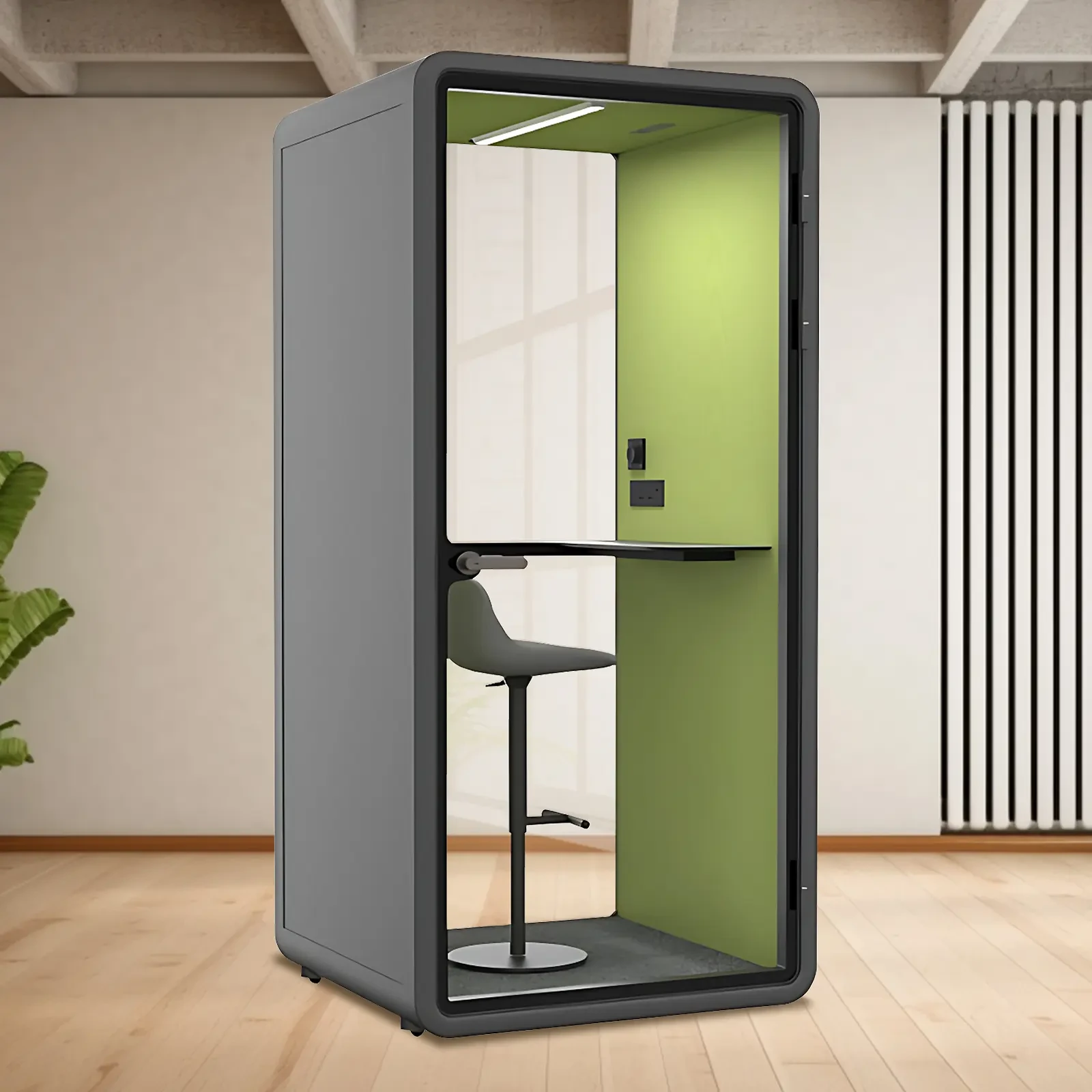
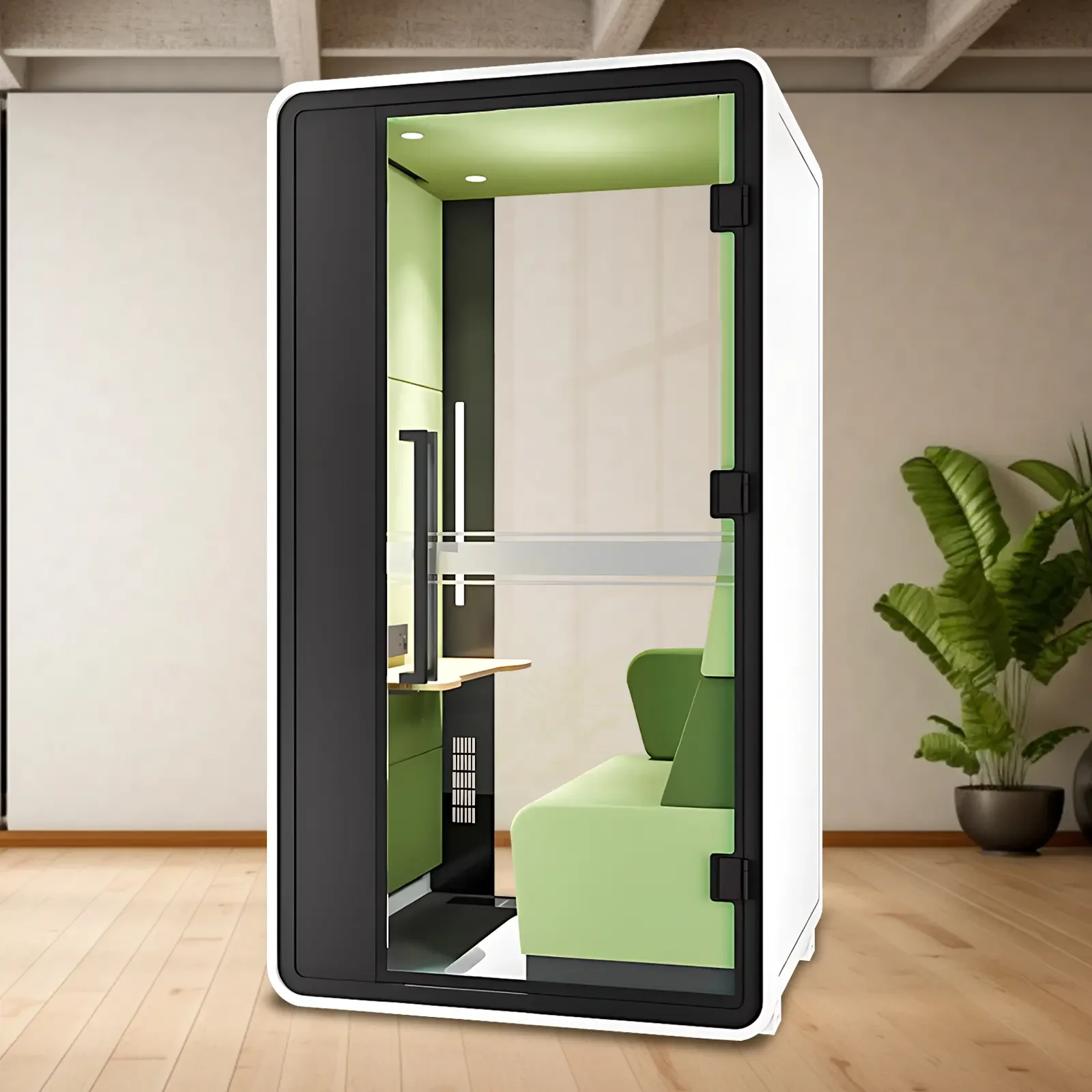
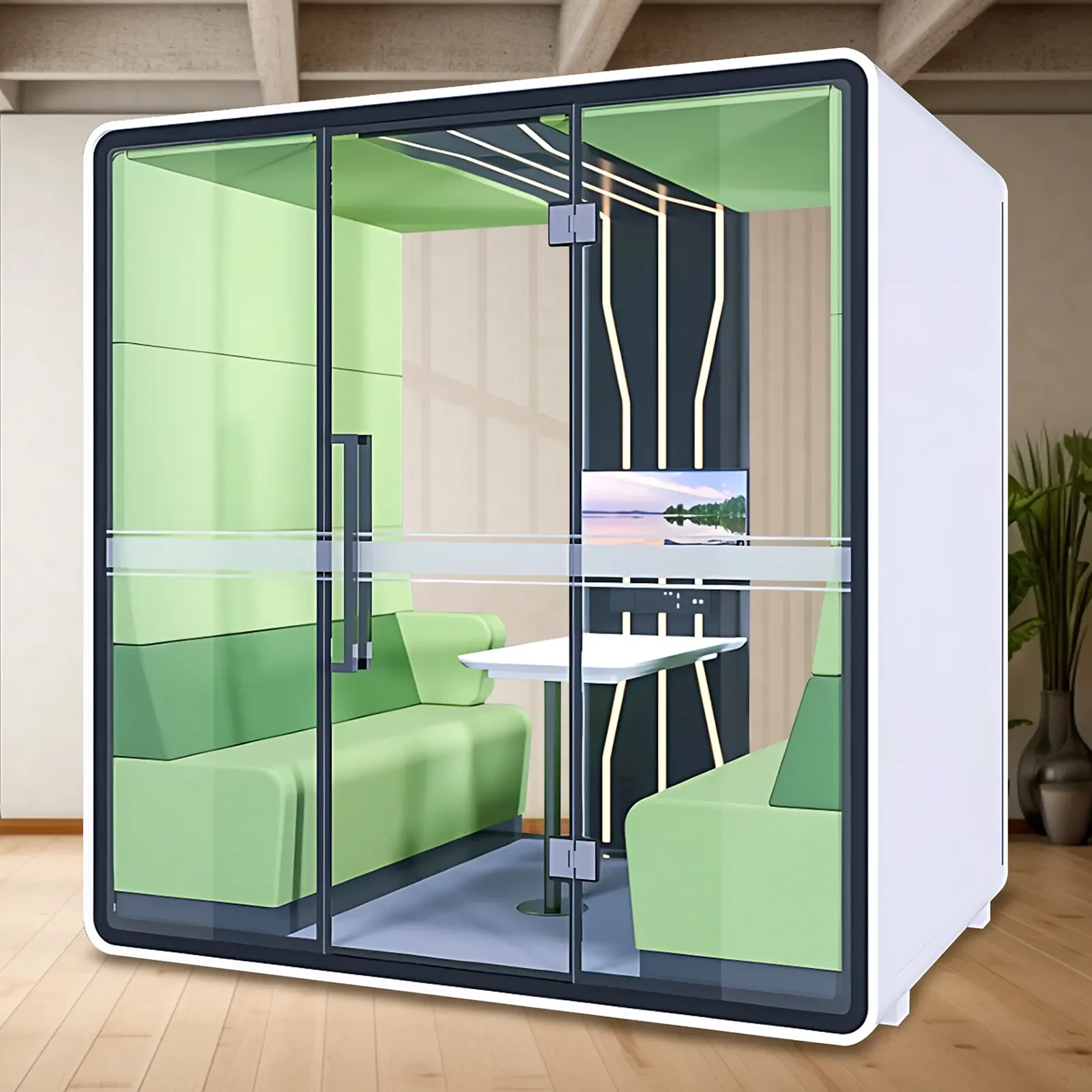
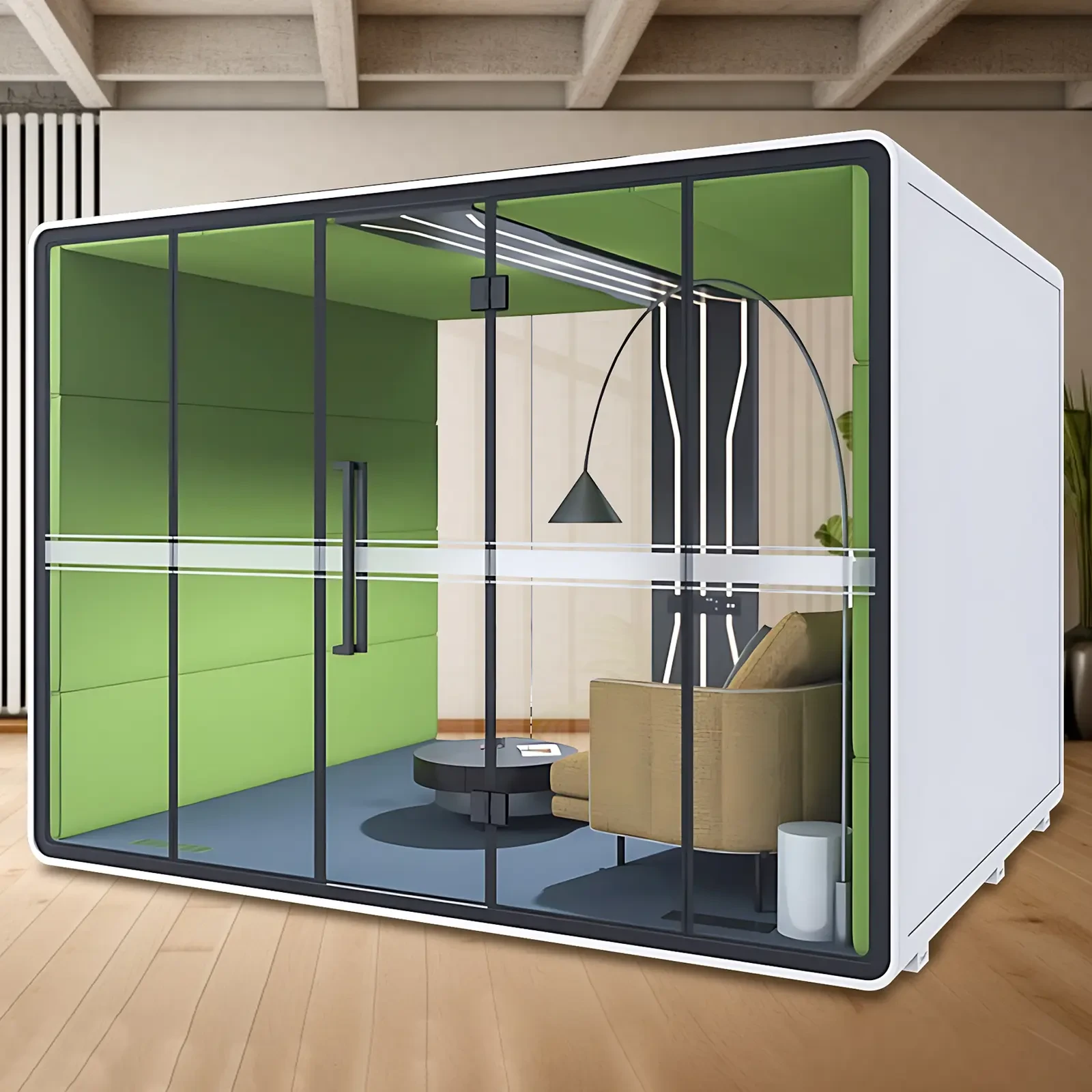
Does a soundproof cabin eliminate noise or reduce noise?
In modern urban life, with the increasing number of sound sources, noise pollution has become a more serious problem, significantly interfering with people's lives and work. Soundproof booths, as a professional soundproofing device, have attracted much attention due to their unique soundproofing effects. However, people often have questions about the function of soundproof booths: do they eliminate noise or simply reduce it?
The basic principle of a soundproof cabin lies in reducing the propagation path and speed of sound waves through the use of special materials and structural design, thereby achieving a soundproofing effect. This soundproofing effect does not completely eliminate sound, but rather reduces noise levels through multiple means to achieve a relatively quiet state. Therefore, strictly speaking, a soundproof cabin reduces noise, rather than eliminates it entirely.
The sound insulation effect of a soundproof cabin is closely related to the performance of the sound insulation materials. Common sound insulation materials include sound-absorbing cotton, sound-absorbing felt, and sound-absorbing panels. These materials have high density and high sound absorption performance, effectively absorbing and dissipating sound energy, thereby reducing noise levels. For example, sound-absorbing cotton is a porous material that can convert sound wave energy into heat energy or other forms of energy, thereby reducing sound reflection and propagation. Sound-absorbing panels, through their special internal structure, reflect and dissipate sound waves multiple times during propagation, thus reducing noise propagation efficiency. When selecting sound insulation materials, factors such as their sound insulation performance, environmental friendliness, fire resistance, and service life need to be considered to ensure the overall effectiveness of the soundproof cabin.
Besides the choice of soundproofing materials, the design of the cabin structure is also a key factor in the soundproofing effect of a soundproof cabin. A reasonable structural design can effectively reduce the propagation path of sound waves and lower their speed. The outer shell of a soundproof cabin is usually designed with a multi-layered structure, with each layer serving a different soundproofing function. For example, the inner layer may be a sound-absorbing material layer to absorb sound waves; the middle layer is a sound-insulating layer to block sound wave transmission; and the outer layer may be a fire-resistant and moisture-proof composite material layer to enhance the durability and safety of the cabin. This multi-layered structural design can more effectively block and attenuate the propagation of noise, ensuring a quiet environment inside the cabin.
To ensure the overall soundproofing effect of the cabin, the doors, windows, and ventilation openings of the soundproof cabin utilize materials and designs with excellent sealing performance, such as sealing strips and soundproof doors and windows, to reduce noise entering the cabin through gaps. This sealing design not only helps reduce external noise interference but also prevents internal noise leakage, providing a relatively enclosed and quiet environment inside the cabin.
Soundproof cabins have a wide range of applications, including recording studios, film and television production facilities, conference rooms, and rest areas. In recording studios, soundproof cabins provide a low-noise environment to ensure recording quality; in film and television production, soundproof cabins can be used to film scenes requiring silence; in conference rooms and rest areas, soundproof cabins provide a quiet and comfortable environment for communication. These applications fully demonstrate the superior noise reduction performance of soundproof cabins.
However, it's important to note that soundproof booths cannot achieve a completely noise-free environment in all situations. Due to the complexity of sound propagation and the limitations of soundproofing materials, soundproof booths may not completely eliminate noise in certain extreme cases. For example, when external noise sources are very strong, the soundproof booth may not be able to completely isolate noise interference; or when the equipment inside the booth generates high-frequency noise, the soundproofing effect may also be affected. Therefore, when using soundproof booths, it is necessary to select and combine them appropriately according to the actual situation to achieve the best soundproofing effect.
In conclusion, soundproof cabins are not noiseless devices, but rather reduce noise levels and provide a relatively quiet environment through the use of special materials and structural designs. In practical applications, it is necessary to make reasonable selections and combinations based on the design principles, material choices, application scenarios, and actual effects of the soundproof cabin to achieve the best sound insulation results. At the same time, it is also essential to pay attention to the maintenance and upkeep of the soundproof cabin to ensure that it maintains its good sound insulation performance over the long term.
You May Also Like
X-comfot, your gateway to an efficient life. We are committed to becoming your most trusted brand of soundproof pod.
E-mail: support@x-comfot.com