
 USD
USD GBP
GBP
 EUR
EUR
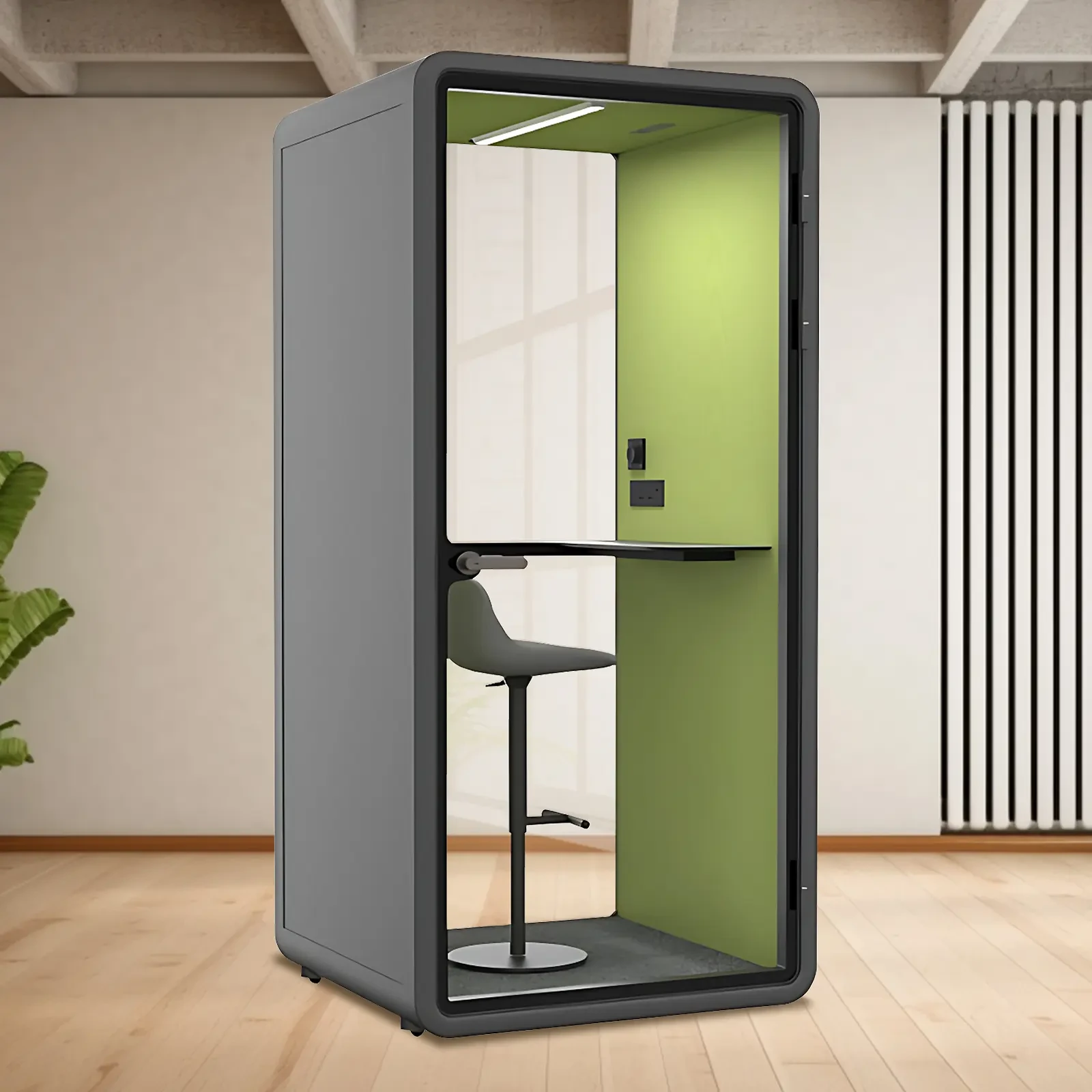
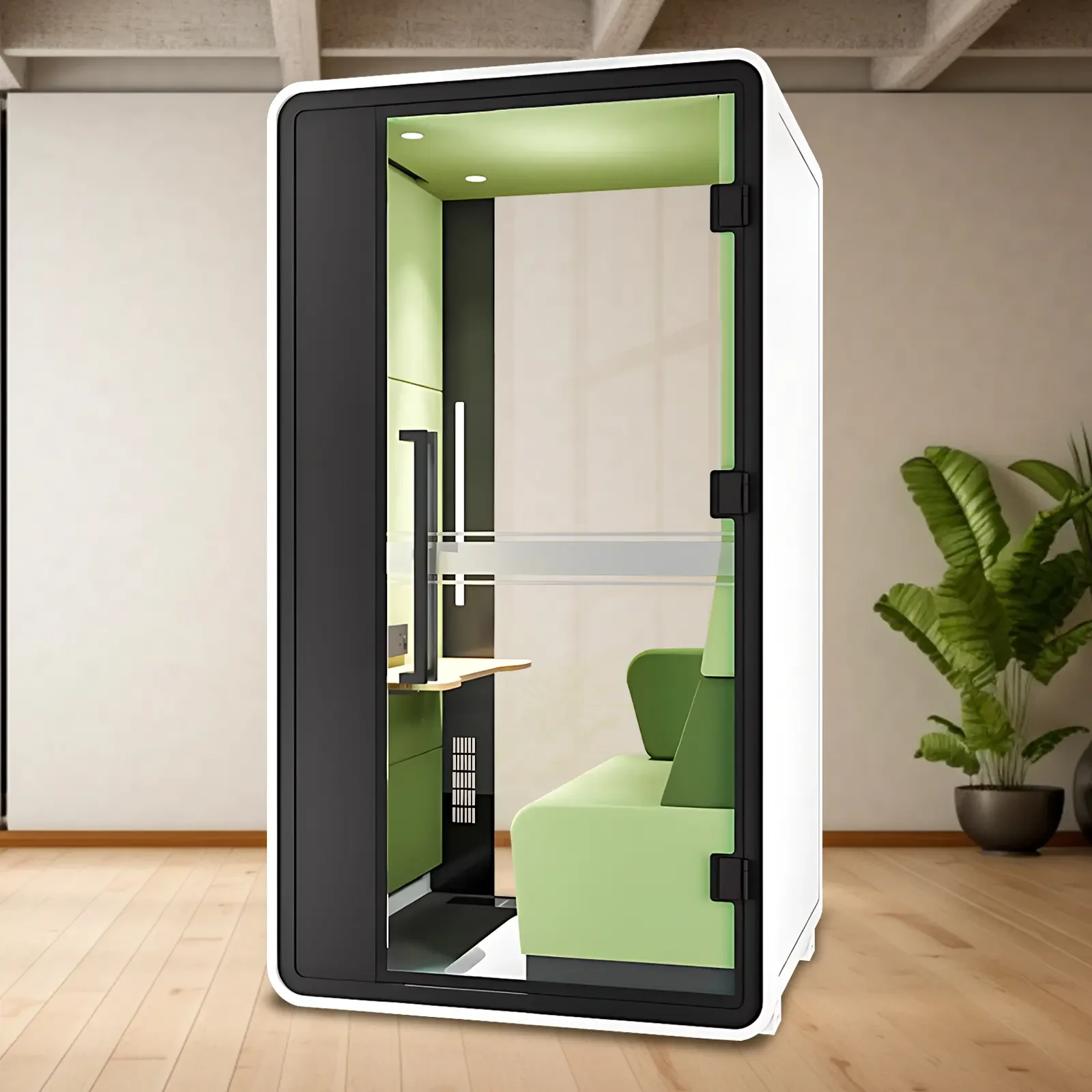
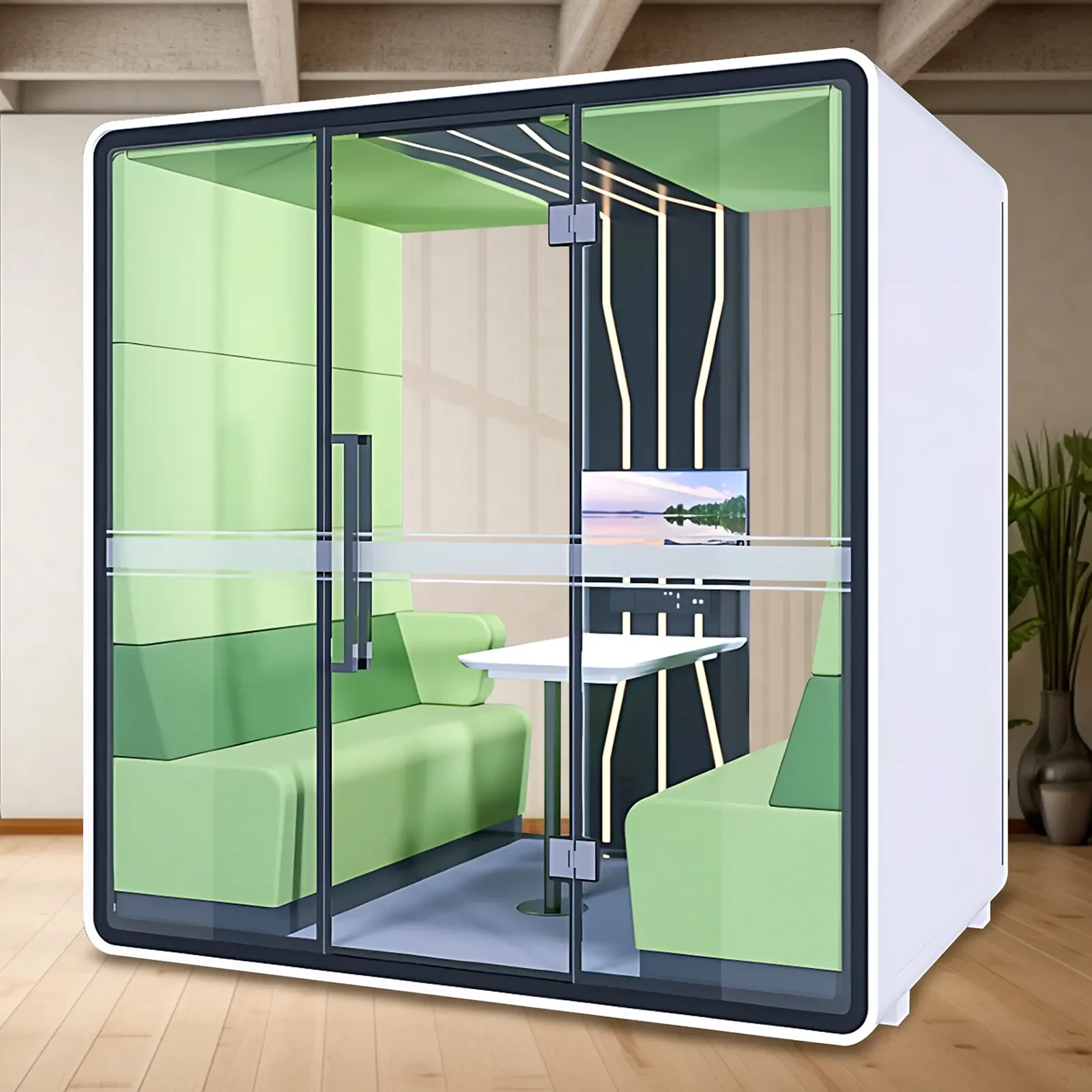
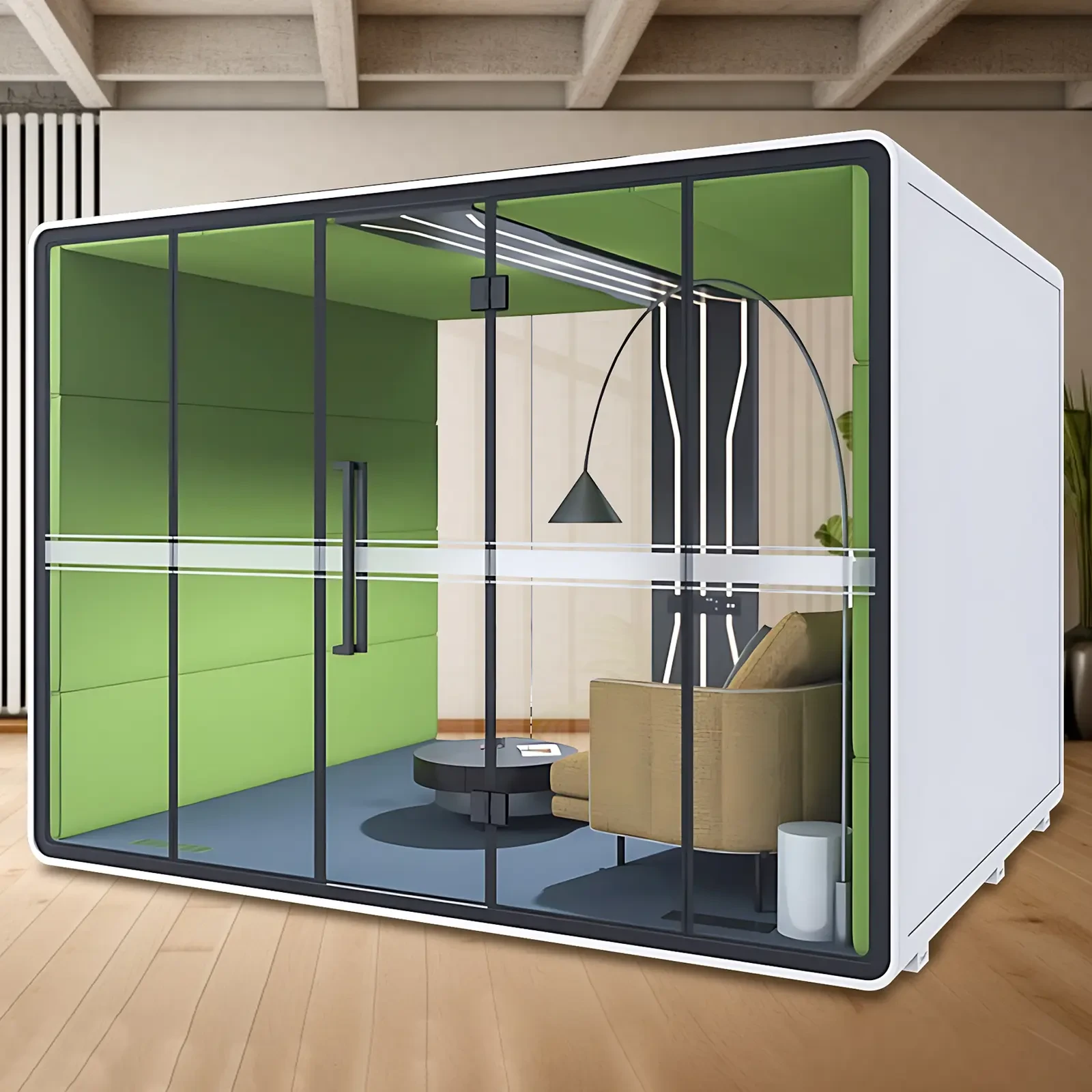
With the acceleration of urbanization and the increase in population density, modern buildings face more and more challenges while providing safe and comfortable living environments. Noise pollution and living comfort have become significant factors affecting people's quality of life. To address these issues, the Ministry of Housing and Urban-Rural Development has recently introduced several policies emphasizing the consideration of environmental factors in building design to create standards for "good houses." Ventilated and soundproof windows are one of the key technologies for achieving this goal.
I. Definition and Function of Ventilation and Soundproof Windows
A ventilated and soundproof window is a specially designed window that effectively blocks outside noise while maintaining good ventilation. Its structure typically uses multiple layers of glass, sealing materials, and specific air gaps to enhance sound insulation. Specific functions include:
1. Noise Insulation: Ventilated and soundproof windows can effectively reduce external noise and create a quiet indoor environment. This is especially important for people living near busy traffic or industrial areas.
2. Natural ventilation: This type of window is designed to retain good ventilation performance, allowing fresh air to circulate freely without affecting living comfort due to noise interference.
3. Energy saving effect: High-quality ventilation and soundproof windows can effectively reduce the energy consumption of air conditioning and heating, reduce household energy costs, and conform to the concept of sustainable development.
4. Moisture and mildew prevention: Good sealing performance can not only isolate noise, but also prevent humid air from entering the room, thereby reducing the risk of indoor mold growth.
II. Policy Background of the Ministry of Housing and Urban-Rural Development Regarding "Good Housing"
The Ministry of Housing and Urban-Rural Development recently proposed a "good housing" standard aimed at improving residents' quality of life, particularly in areas such as ecology, green building, safety, and intelligence. The policy emphasizes the suitability and comfort of buildings, requiring that the actual needs of residents be considered during the design and construction process.
Based on this policy, the application of ventilation and soundproof windows becomes particularly important, mainly in the following aspects:
1. Improve the suitability of the living environment: The use of ventilated and soundproof windows can effectively block noise while achieving indoor ventilation, improving indoor air quality and making the living environment more suitable.
2. Meeting Green Building Standards: In green building assessments, sound insulation and ventilation are key considerations. Ventilated and soundproof windows perform exceptionally well under these dual requirements, helping buildings achieve higher environmental standards.
3. Enhance the market competitiveness of buildings: As people's requirements for quality of life continue to improve, houses with good sound insulation and ventilation performance will be more popular in the market, and ventilated and soundproof windows can enhance the market competitiveness of buildings.
III. Application Examples of Ventilation and Soundproof Windows
In practical applications, ventilated and soundproof windows have been widely adopted in residential projects in many cities. For example:
1. High-density cities: In densely populated cities like Beijing and Shanghai, well-ventilated and soundproof windows have become standard features in high-end residential buildings. These residences not only effectively isolate external traffic noise but also maintain good ventilation through well-designed window structures.
2. Eco-friendly Housing Projects: In recent years, many developers have been using ventilated and soundproof windows in their newly constructed eco-friendly housing projects. These residences not only adhere to green building standards in their structure but also achieve the dual goals of low energy consumption and high comfort through excellent window design.
3. Public Buildings: Ventilated and soundproof windows are also a commonly used feature in public buildings such as office buildings and schools. This not only provides a quiet learning and working environment for office workers and students, but also ensures good air circulation.
IV. Future Development Trends
With continuous technological advancements, the design and manufacturing standards of ventilated and soundproof windows are constantly improving. In the future, we can foresee the following development trends:
1. Intelligent Development: Future ventilation and soundproof windows may integrate intelligent control systems, automatically adjusting their opening and closing states according to the external environment to achieve optimal ventilation and sound insulation effects.
2. Material Innovation: The development of new sound insulation materials will further improve the sound insulation effect of ventilated soundproof windows, while also significantly enhancing their energy-saving performance.
3. Customized Design: The increasing market demand for personalization will drive the rise of customized ventilation and soundproof window designs, with manufacturers providing more flexible solutions based on different architectural styles and customer needs.
in conclusion
Ventilated and soundproof windows, as an innovative building technology, are of great significance for improving the comfort and suitability of living environments. In line with the Ministry of Housing and Urban-Rural Development's policy requirements for "good housing," ventilated and soundproof windows not only effectively isolate noise and improve air quality but also meet green building standards, providing strong support for creating humane and sustainable living spaces. With continuous technological advancements, ventilated and soundproof windows will play an even more important role in future architectural design, contributing to the achievement of the goal of "good housing."