
 USD
USD  GBP
GBP
 EUR
EUR
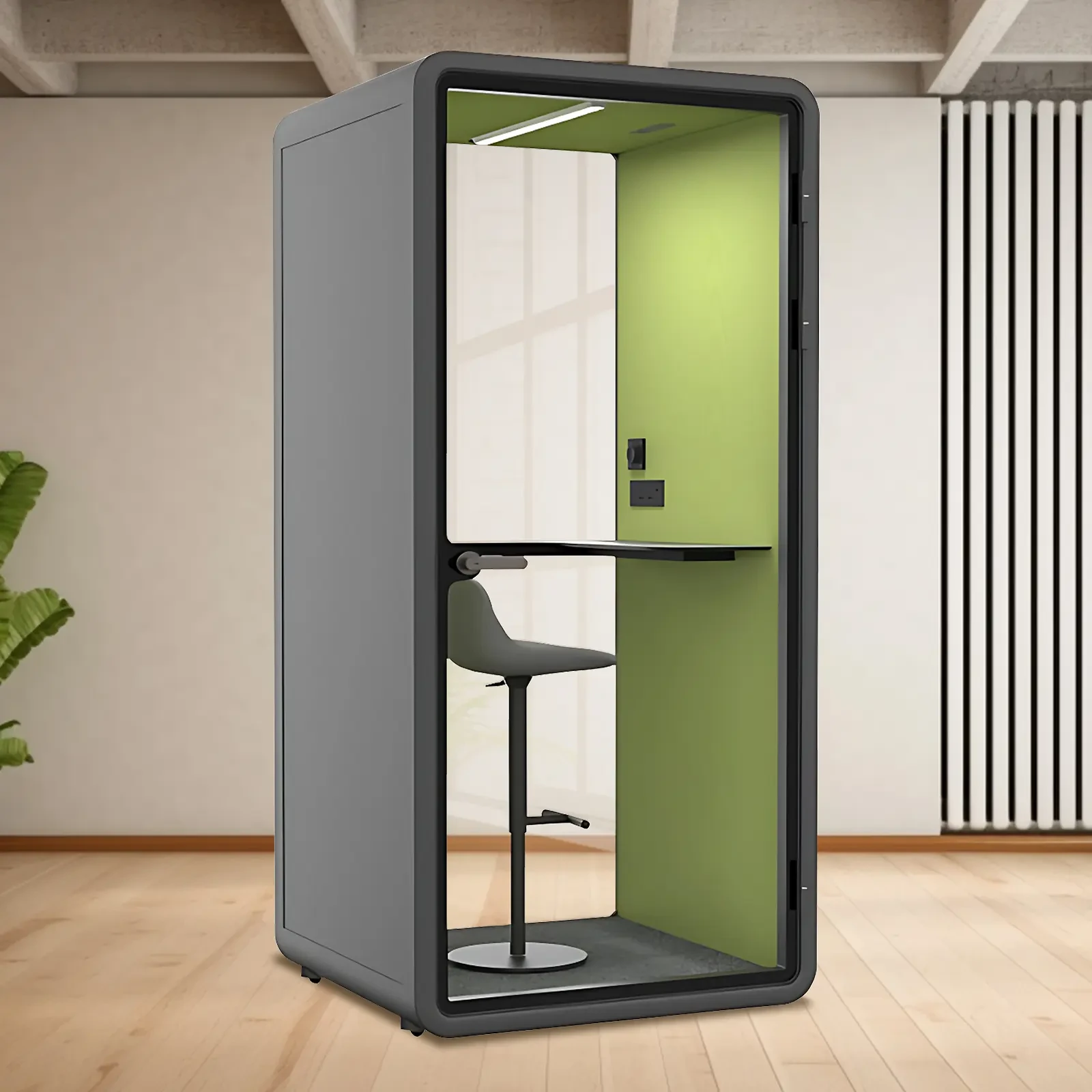
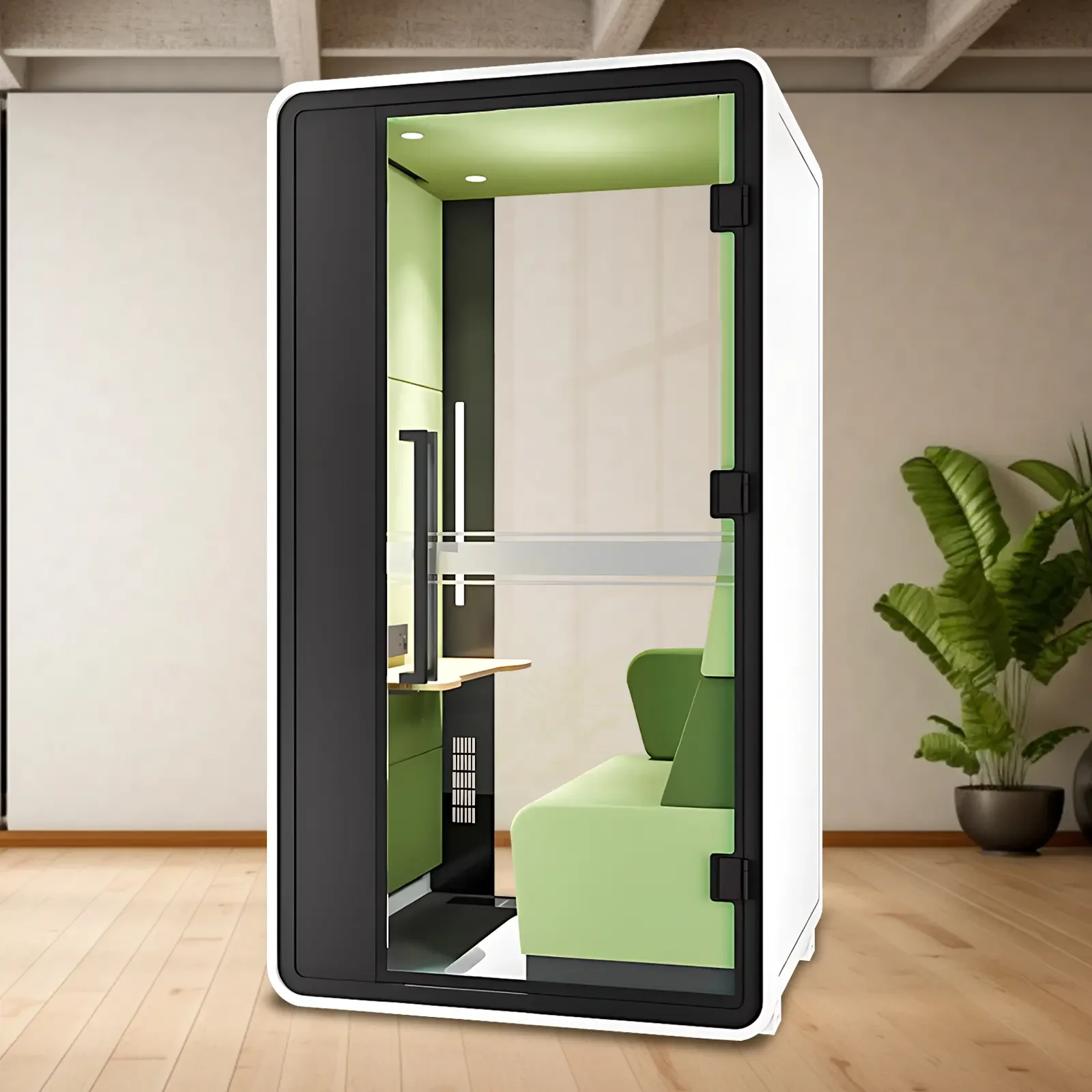
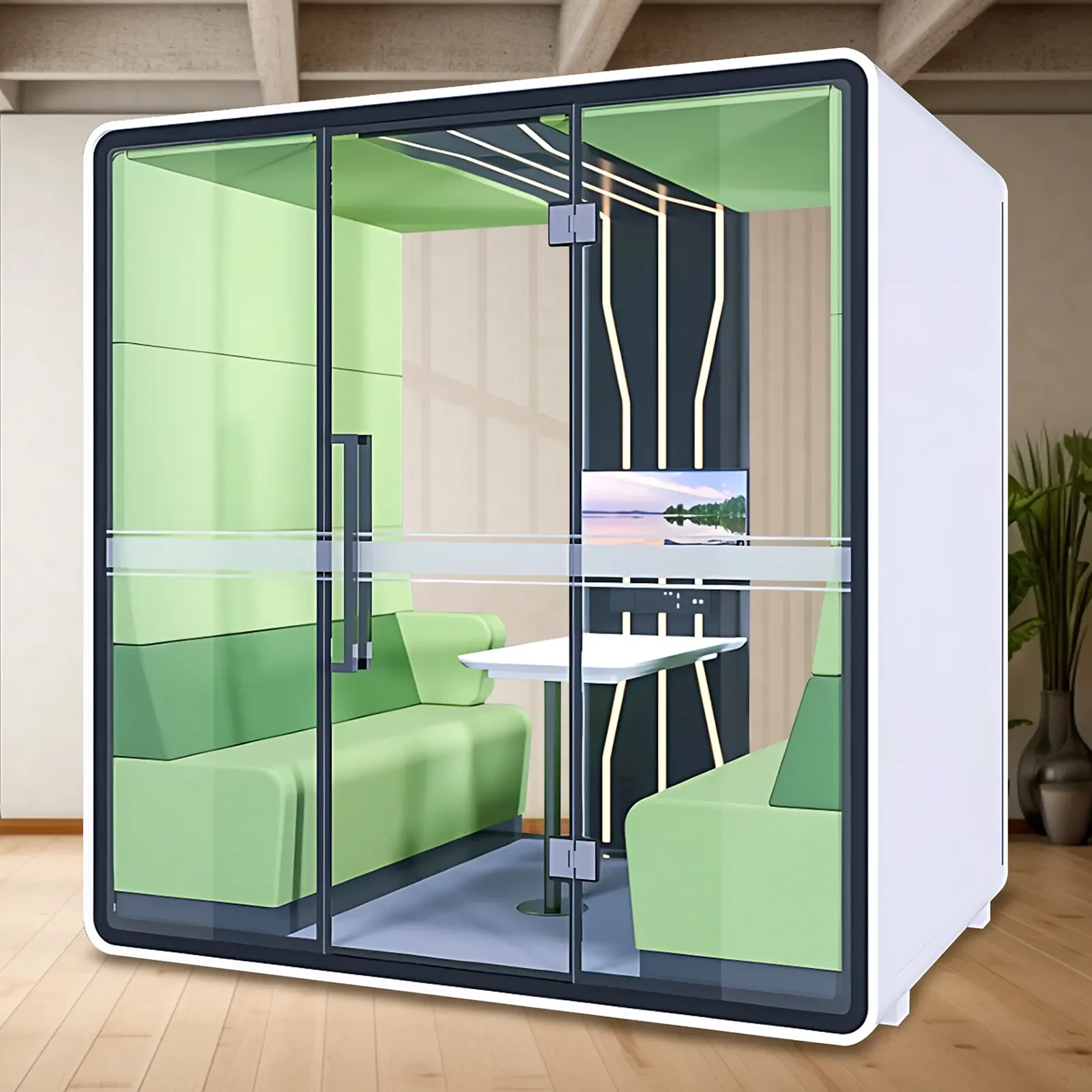
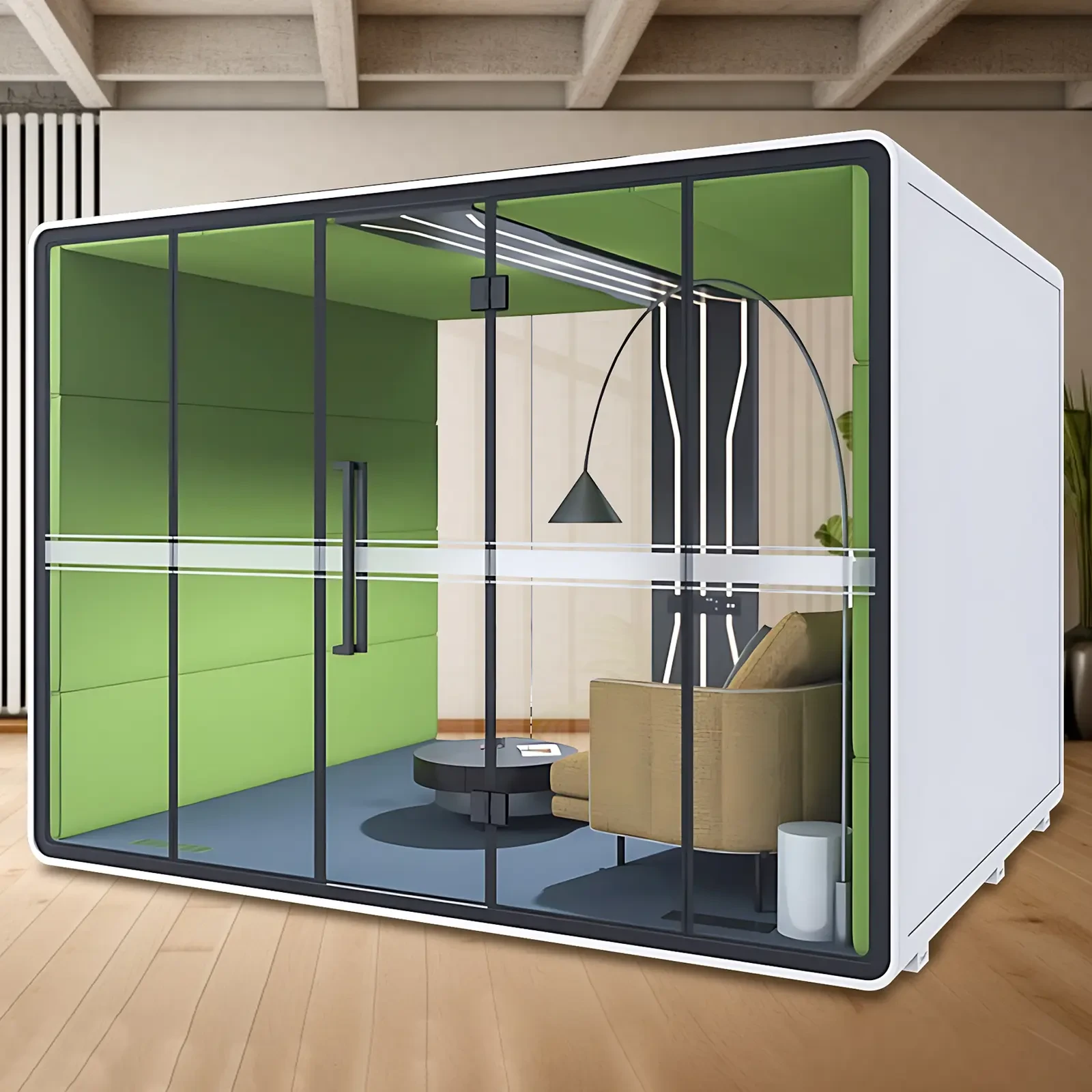
Soundproof and Silent Warehouse Furniture Design Requirements
In today's society, more and more people are paying attention to their quality of life and home environment. To meet this demand, the design of silent storage furniture has emerged. This article will elaborate on the requirements for silent storage furniture design from aspects such as design requirements, material selection, structural design, and noise reduction performance evaluation.
I. Design Requirements
1. Functionality and Comfort :
Silent storage furniture must possess both comfort and functionality . The design must fully consider factors such as posture, height, body type, and usage scenarios to ensure sufficient comfort and ease of use.
2. Simplicity and Practicality:
Silent storage furniture should emphasize a simple and practical design philosophy to adapt to various home environments and different user needs. It should be as simple and streamlined as possible, avoiding excessive decoration to reduce noise generation. Furthermore, the furniture's practicality must be considered to ensure it meets people's storage needs and activity space requirements.
3. Materials and Colors:
The selection of materials and colors is crucial for the design of silent storage furniture. In terms of materials, materials with sound-absorbing and noise-reducing functions should be selected , considering the overall style coordination and unity, as well as the psychological impact on users.
4. Ergonomics and Aesthetics:
The design of soundproof cabin furniture should adhere to ergonomic principles, fully considering the physiological and psychological characteristics of users to ensure optimal comfort and convenience during use. Simultaneously, aesthetic principles must be incorporated, integrating the furniture's appearance with the overall home environment to create comfortable, aesthetically pleasing, and harmonious sound-absorbing living space . To reduce noise, soundproof cabin furniture should be made from materials with sound-absorbing properties.
II . Material Selection
Commonly used sound-absorbing materials include sponge, foam, compressed felt, and fiberglass, which can effectively absorb and block noise.
Where furniture contacts the ground, highly elastic materials such as rubber and cork should be chosen to reduce vibration and noise.
Silent storage furniture requires high-quality hardware, such as hinges and handles. These hardware components not only increase the furniture's durability but also effectively reduce noise generated by opening and closing doors or moving furniture.
III. Structural Design
1. Vibration Damping Structure The structural design of furniture should emphasize the use of vibration damping structures. Adding vibration damping devices or dampers to the structure can effectively reduce vibration and noise generated
during use . 2. Activity Space
To meet the needs of different users, silent storage furniture should not only have a reasonable and sufficient storage layout and function, but also take into account the user's activity space and comfort, so as to ensure that the furniture and the user coexist harmoniously.
IV . Noise Reduction Performance Evaluation
To objectively evaluate the noise reduction performance of soundproof storage furniture, professional testing methods can be used. Commonly used testing methods include sound level metering, loudness measurement, and impulse response methods. These methods can be selected and tested according to different testing scenarios and purposes .
To ensure the accuracy of test results, corresponding testing standards need to be established. When developing standards, various influencing factors, such as environmental noise, testing distance, and measuring instruments, should be fully considered. Furthermore, relevant domestic and international standards and specifications should be incorporated to develop testing standards that conform to actual conditions. In
conclusion, as an indispensable part of modern home life, the design requirements of soundproof storage furniture need to fully consider functionality and comfort, simplicity and practicality, materials and colors, ergonomics and aesthetics, and other aspects. At the same time, the selection of materials, structural design, and noise reduction performance evaluation also need to follow corresponding requirements and standards to create a more comfortable, quiet, and harmonious home environment.
You May Also Like
X-comfot, your gateway to an efficient life. We are committed to becoming your most trusted brand of soundproof pod.
E-mail: support@x-comfot.com