
 USD
USD  GBP
GBP
 EUR
EUR
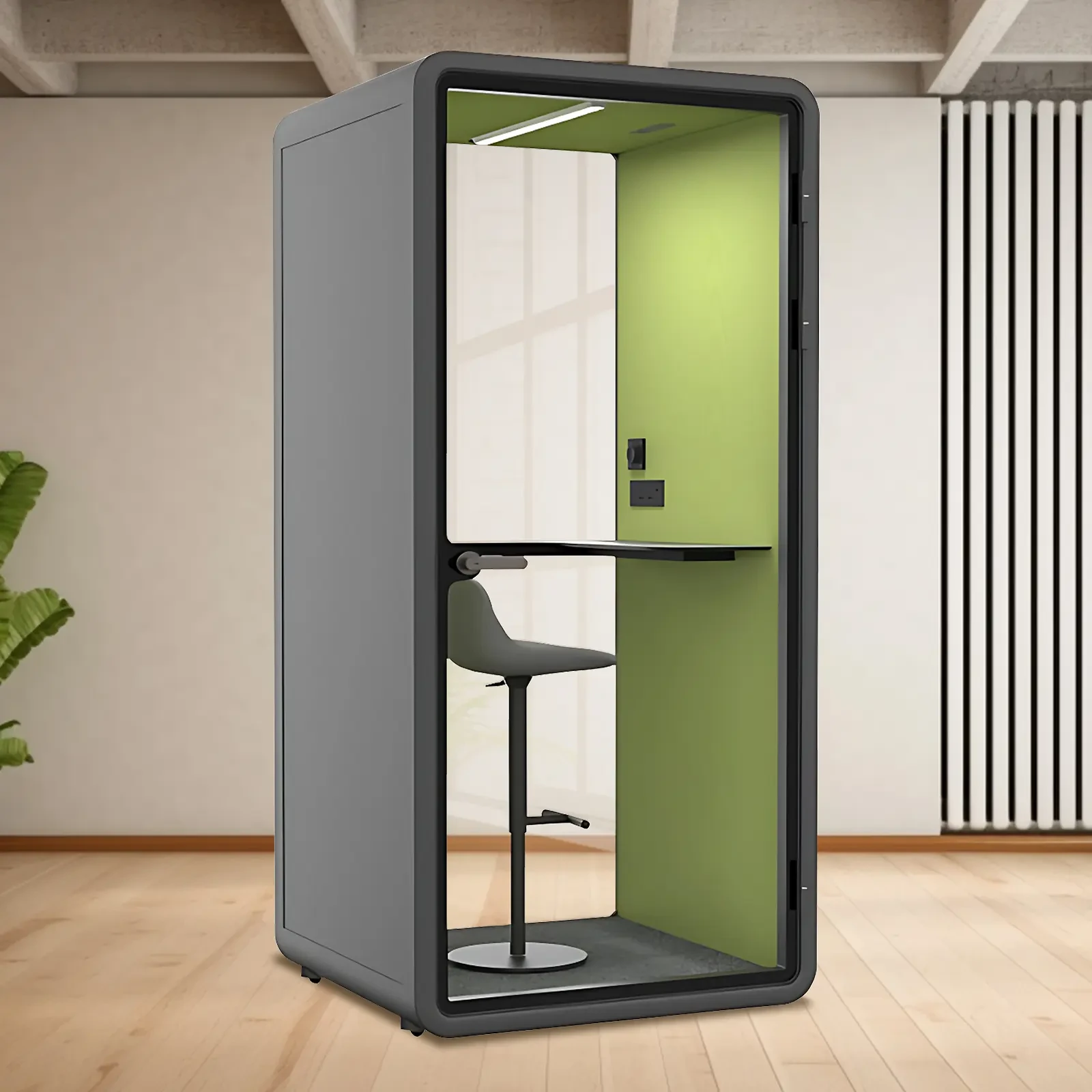
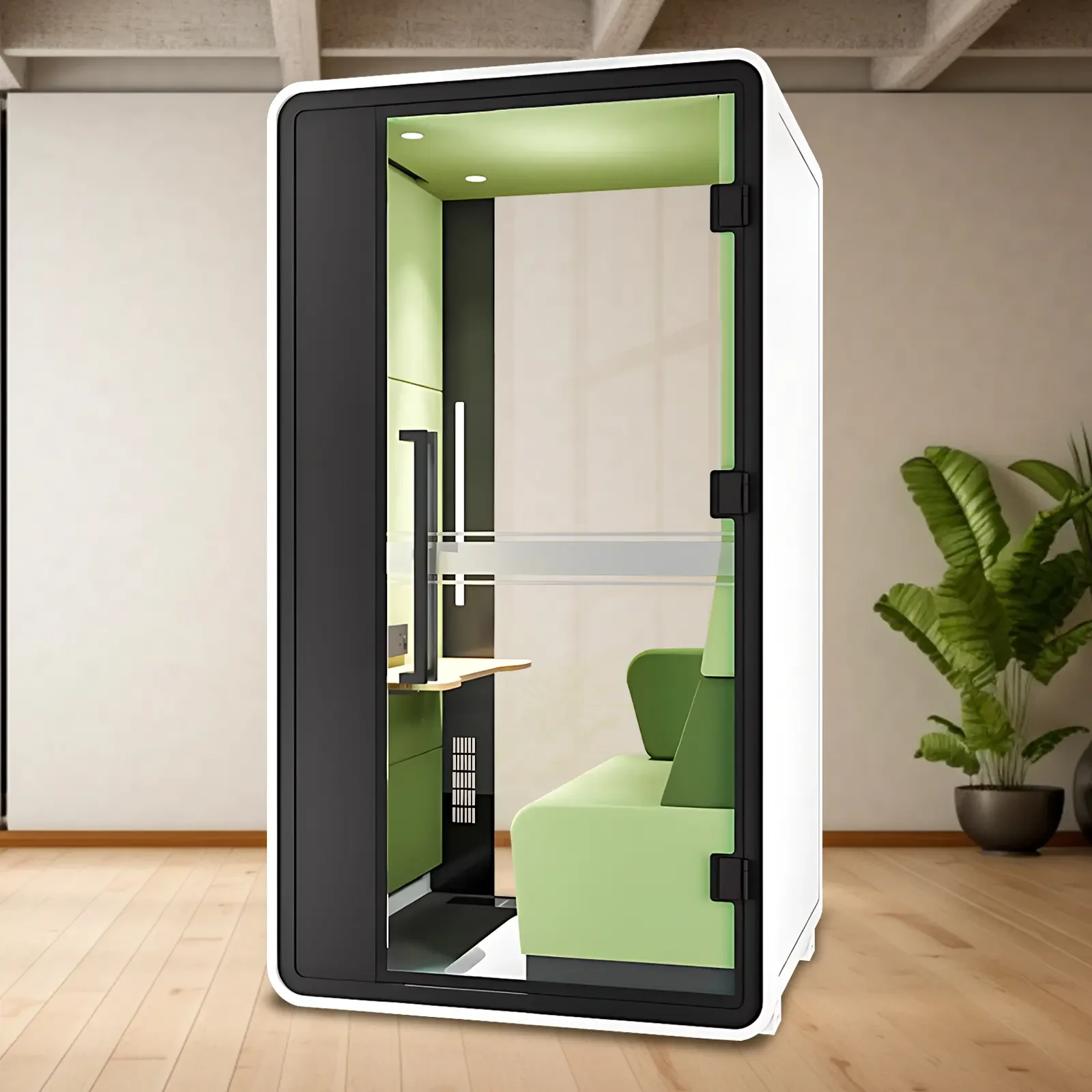
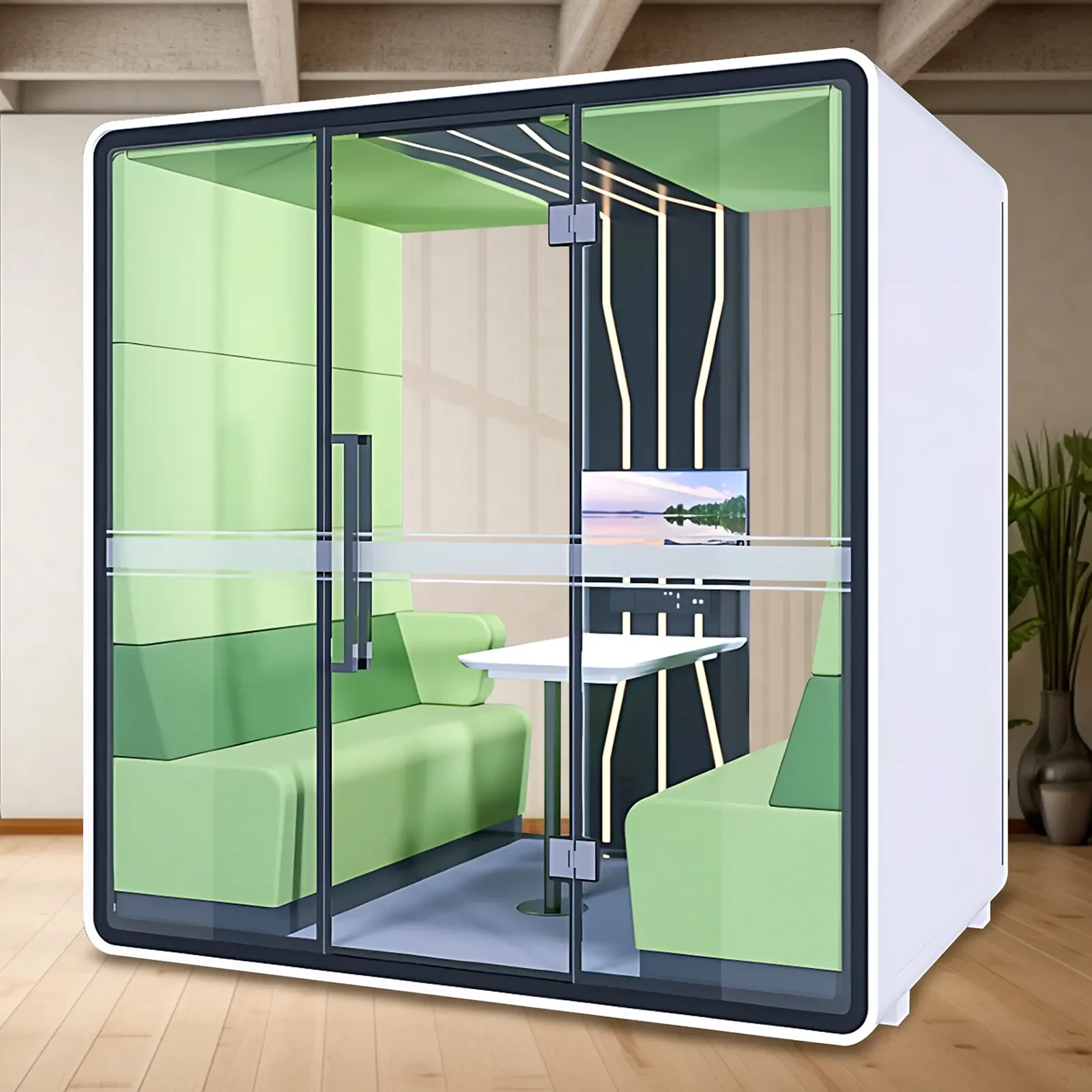
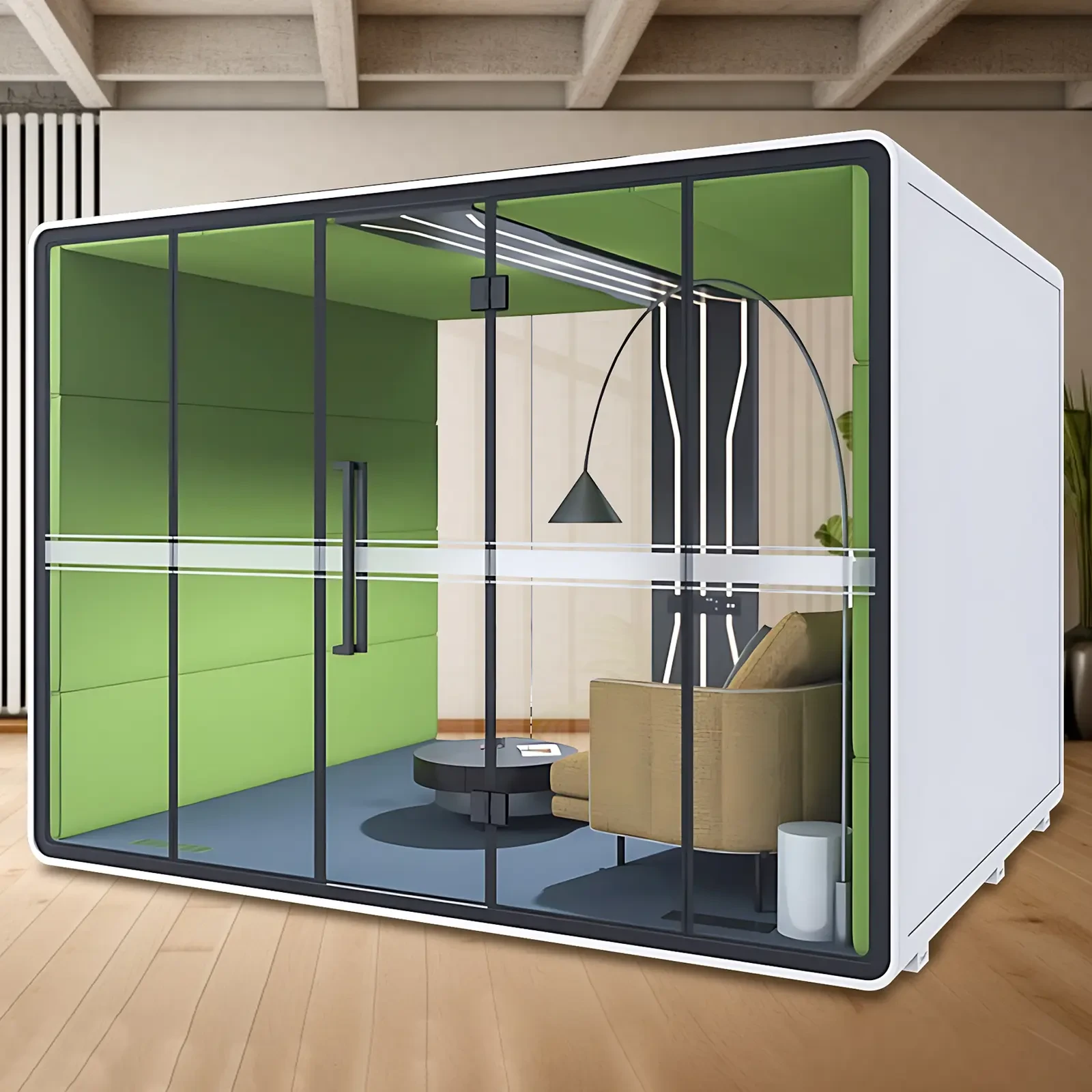
Fire-resistant and environmentally friendly polyester fiber sound-absorbing panels enhance your spatial comfort and sound experience.
Noise pollution has become a significant challenge in modern homes and offices. To address this issue, many people are seeking effective sound-absorbing materials. Fire-retardant and environmentally friendly polyester fiber sound-absorbing panels are gaining popularity due to their excellent performance and eco-friendly characteristics. This article will delve into the features, sound absorption principles, and applications of fire-retardant and environmentally friendly polyester fiber sound-absorbing panels to help you gain a more comprehensive understanding of this material.
I. What are fire-resistant and environmentally friendly polyester fiber sound-absorbing panels?
Fire-resistant and environmentally friendly polyester fiber sound-absorbing panels are sound-absorbing materials made from polyester fibers. Polyester fiber is a synthetic fiber processed from petrochemical raw materials, possessing excellent physical and chemical properties. Through specific processing techniques, polyester fibers can be made into sound-absorbing panels for optimizing the acoustic environment of buildings.
One of the most significant features of this type of sound-absorbing panel is its fire resistance. According to relevant national standards, fire-resistant and environmentally friendly polyester fiber sound-absorbing panels are typically classified as Class A or Class B1 fire-resistant materials, effectively preventing the spread of flames and ensuring the safety of people in the premises. Furthermore, its environmentally friendly characteristics mean it contains no harmful substances, making it suitable for use in various residential environments.
II. Main Features of Polyester Fiber Sound Absorbing Panels
1. Excellent sound absorption performance
The porous structure of polyester fibers effectively absorbs sound waves. When sound waves come into contact with the sound-absorbing panel, they can penetrate its pores, leading to the dissipation of sound wave energy and thus reducing reflected sound. Furthermore, the density and thickness of the polyester fibers also affect its sound absorption effect. In practical applications, different sound absorption effects can be achieved by selecting sound-absorbing panels of different materials and thicknesses.
2. Lightweight and durable
Polyester fibers have a relatively low density, giving sound-absorbing panels made from them a significant weight advantage. Compared to traditional sound-absorbing materials such as gypsum board or concrete, polyester fiber sound-absorbing panels are easier to install on walls, ceilings, and other surfaces. Furthermore, polyester fibers offer good weather resistance and pressure resistance, resulting in a longer service life.
3. Excellent fire resistance
As mentioned earlier, fire-resistant and environmentally friendly polyester fiber sound-absorbing panels undergo special treatment to effectively block the spread of flames. The use of fire-resistant building materials is particularly important in public places and high-rise buildings, as it can effectively reduce the risk of fire.
4. Excellent environmental protection properties
Polyester fiber sound-absorbing panels meet the environmental protection requirements of modern buildings, emitting no harmful gases and being recyclable. Furthermore, many manufacturers adhere to sustainable development principles in their production processes, reducing resource waste, which further justifies their promotion.
5. Diverse design and color options
Fire-resistant and environmentally friendly polyester fiber sound-absorbing panels are available in a wide variety of textures and colors to meet the needs of different venues and styles. Whether in homes, offices, or commercial spaces, sound-absorbing panels can enhance the overall visual appeal through their decorative effect.
III. Detailed Explanation of Sound Absorption Principles
1. Basic Principles of Sound-Absorbing Materials
Sound travels through the air and is a wave-like phenomenon. When sound waves encounter objects (such as walls, ceilings, etc.), they are reflected, refracted, and absorbed. The function of sound-absorbing materials is to absorb sound waves and reduce their reflection, thereby improving the acoustic environment.
2. Sound absorption mechanism of polyester fiber
Polyester fibers are composed of numerous small pores, which effectively absorb sound waves. When sound waves enter the material, their energy is converted into heat, resulting in sound wave attenuation. This porous structure provides the basis for the sound absorption properties of polyester fibers.
3. Sound absorption coefficient
Different polyester fiber sound-absorbing panels exhibit varying sound wave absorption effects across different frequency ranges, typically expressed as the sound absorption coefficient. The sound absorption coefficient ranges from 0 to 1, where 0 indicates no sound absorption and 1 indicates complete sound absorption. High-frequency sounds (such as human voices) are generally more easily absorbed, but low-frequency sounds (such as bass frequencies) may be reflected due to material properties. When selecting a suitable sound-absorbing panel, the desired noise frequency needs to be considered.
IV. Application Scenarios of Fireproof and Environmentally Friendly Polyester Fiber Sound Absorbing Panels
1. Family environment
In home decoration, especially in small apartments, fire-resistant and environmentally friendly polyester fiber sound-absorbing panels can effectively reduce noise interference and improve the living experience. This material can be used in spaces such as dining rooms, studies, and home theaters to ensure a comfortable environment.
2. Office space
In modern office spaces, open-plan work areas often lead to noise interference between colleagues. Using polyester fiber sound-absorbing panels on the walls and ceilings can effectively absorb conversations between colleagues and noise from other office equipment, improving work efficiency.
3. Public places
In public places such as educational institutions, hospitals, shopping malls, and restaurants, the application of sound-absorbing panels not only reduces noise but also enhances the overall aesthetics of the space. A good acoustic environment makes customers feel more comfortable, thereby improving their consumer experience.
4. Music and video recording studio
For music or video recording spaces, acoustic design is crucial. By using fire-retardant and environmentally friendly polyester fiber sound-absorbing panels, echoes can be effectively controlled, ensuring the clarity of the recording quality.
V. Selection and Installation Precautions
1. Select the appropriate specifications based on usage requirements.
When selecting polyester fiber sound-absorbing panels, it is necessary to consider the specific needs of the space and choose the appropriate thickness and density to ensure that the expected sound absorption effect can be achieved.
2. Consider the installation method
Because polyester fiber sound-absorbing panels are lightweight, they can be installed by pasting or hanging, depending on actual needs. It is important to ensure that the gaps between the panels are minimized during installation to improve sound absorption.
3. Maintenance and Cleaning
Polyester fiber sound-absorbing panels are generally stain-resistant and easy to clean. Regular dusting and cleaning can effectively extend their service life.
Conclusion
Fire-resistant and environmentally friendly polyester fiber sound-absorbing panels have gradually become an important choice for acoustic treatment due to their superior performance, environmental characteristics, and aesthetically pleasing design. Whether in homes, offices, or public spaces, their powerful sound absorption function is an effective means of improving comfort and creating a better environment. Proper use and installation of polyester fiber sound-absorbing panels will bring you a higher quality of life.
X-comfot, your gateway to an efficient life. We are committed to becoming your most trusted brand of soundproof pod.
E-mail: support@x-comfot.com