
 USD
USD  GBP
GBP
 EUR
EUR
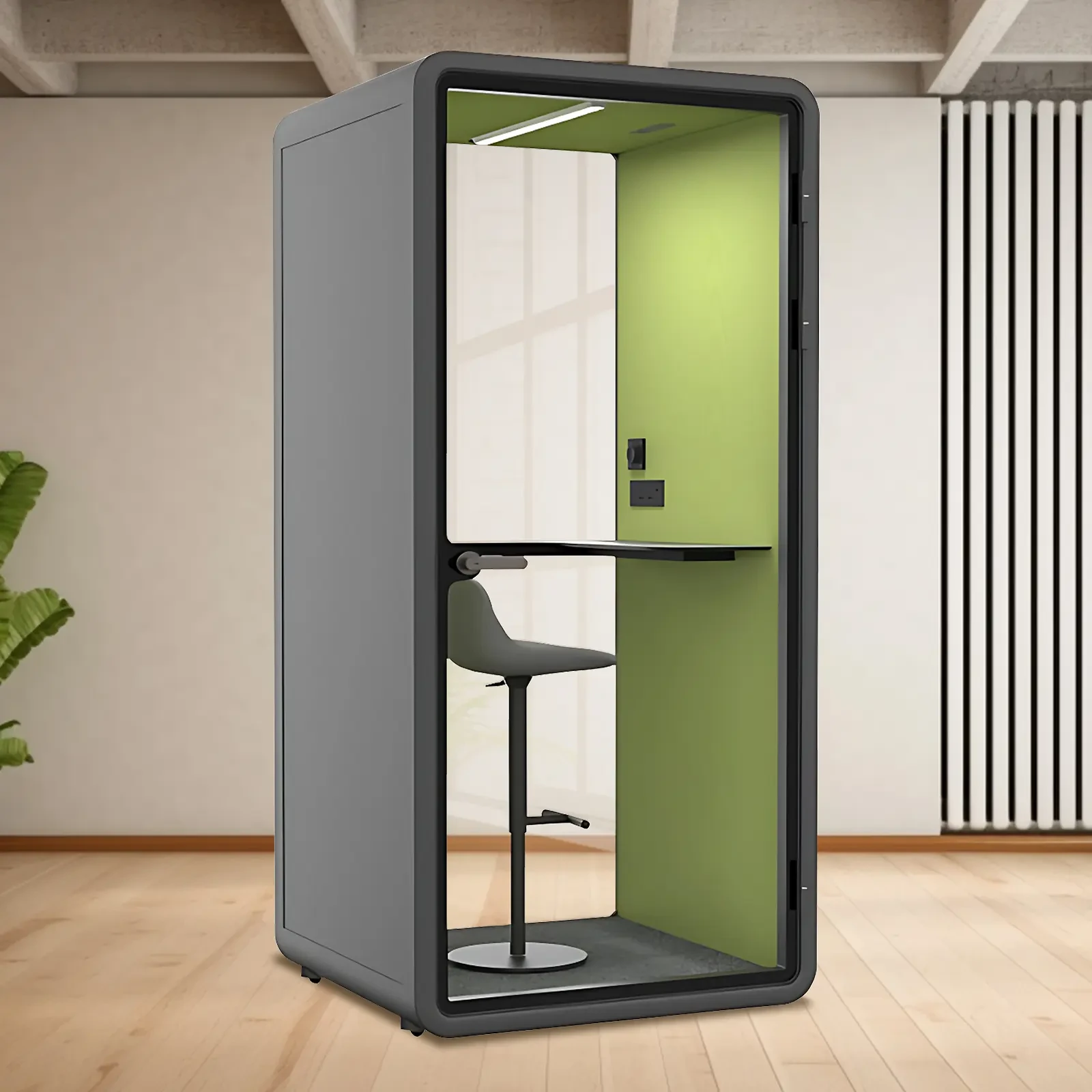
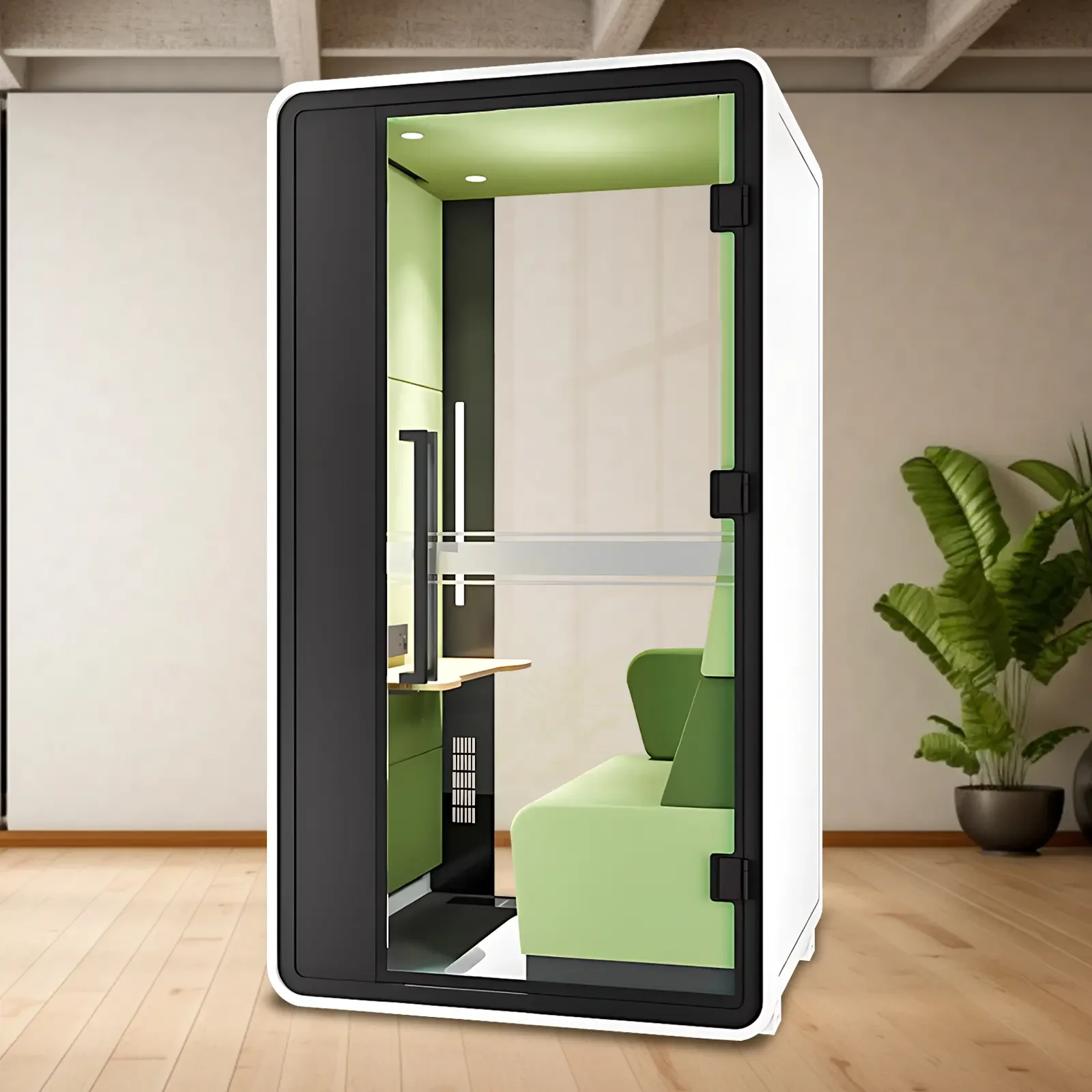
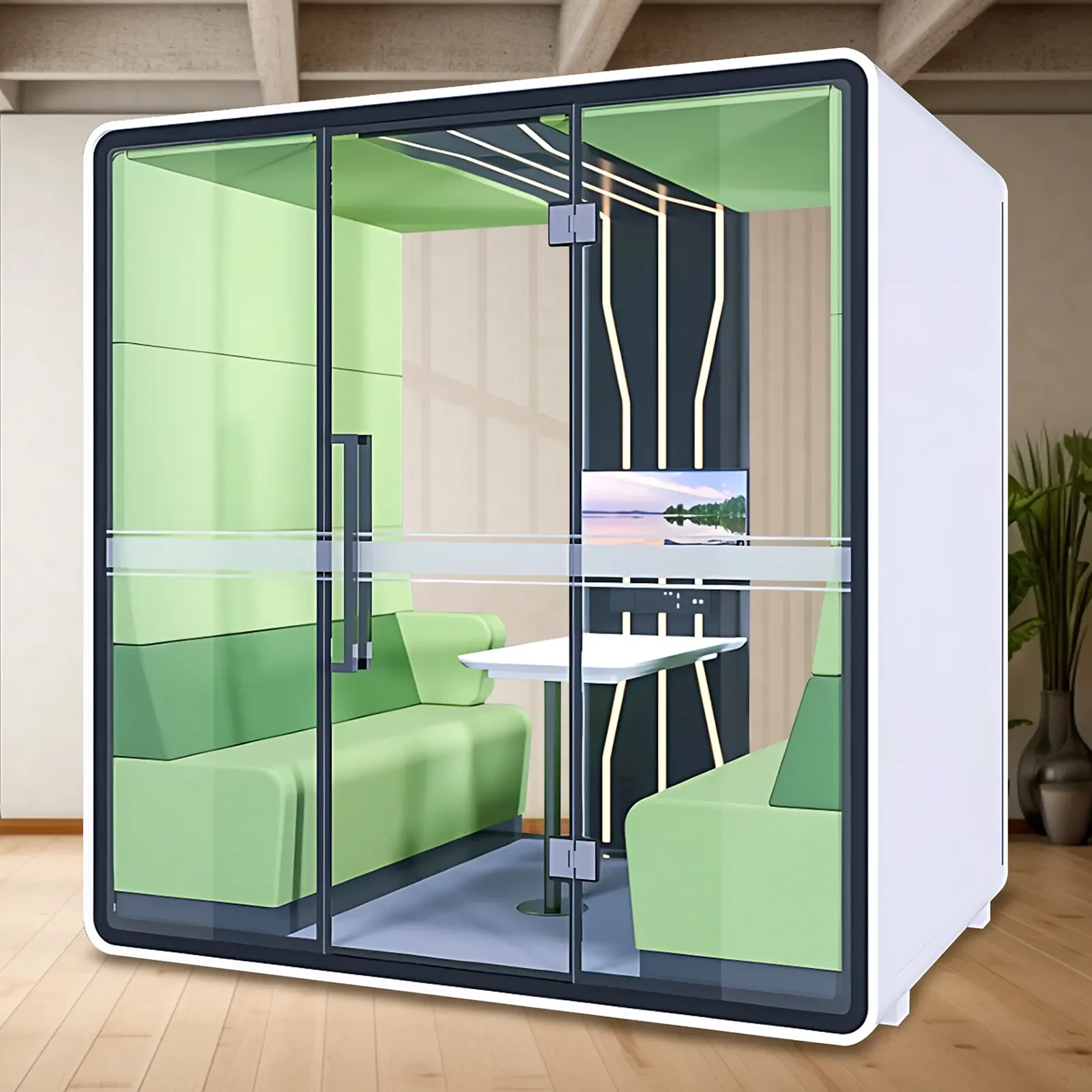
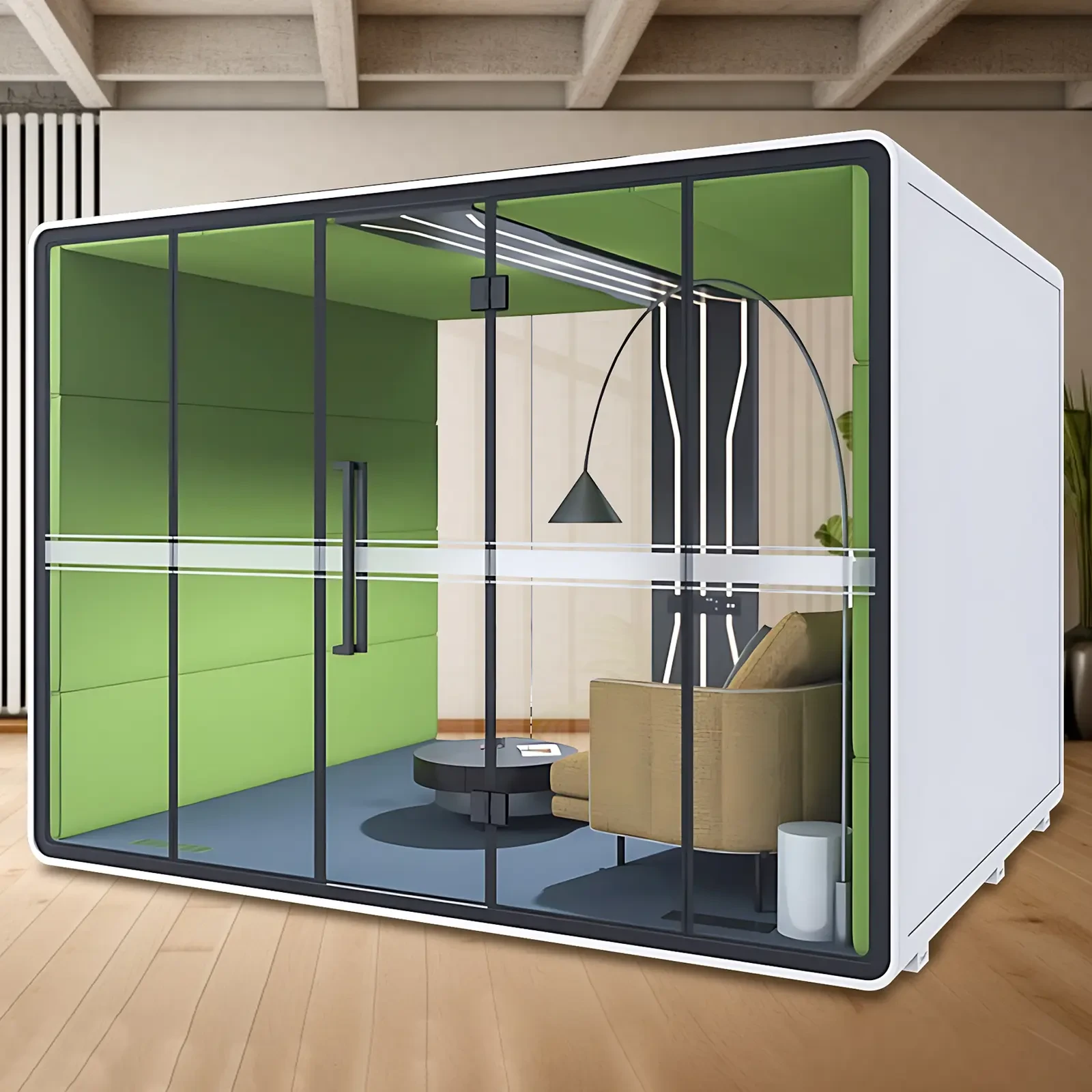
How can we achieve the best insulation and soundproofing effects from glass wool?
In the construction and industrial sectors, thermal insulation and sound insulation are two crucial aspects. With continuous advancements in building technology and increasing demands for comfortable living environments, glass wool, as a highly efficient thermal and sound insulation material, is receiving growing attention and widespread application. This article will delve into the characteristics and application areas of glass wool, and how to achieve its optimal thermal and sound insulation effects.
Basic properties of glass wool
Glass wool is a lightweight insulation material made from recycled glass fibers, possessing several superior physical properties. Its main characteristics include:
1. Excellent thermal insulation performance: Glass wool has a low thermal conductivity, which can effectively reduce heat transfer and ensure that the building stays warm in winter and cool in summer.
2. Excellent sound insulation performance: Due to its fiber structure, glass wool can effectively absorb sound and reduce the transmission of noise, making it suitable for places that require a quiet environment.
3. Fire resistance: Glass wool has good fire resistance and can effectively prevent the spread of flames, reducing the risk of fire.
4. Lightweight and easy to process: Glass wool is lightweight, easy to install and process, and suitable for various complex occasions.
5. Environmental protection and recyclability: The raw materials for glass wool mainly come from recycled glass, which is in line with the concept of sustainable development.
Applications of glass wool for thermal insulation and soundproofing
1. Construction industry
In the construction industry, glass wool is commonly used for thermal insulation and soundproofing of walls, roofs, and floors. Especially in high-rise buildings and office buildings, glass wool has become one of the most popular insulation materials to improve energy efficiency and reduce the impact of external noise on the indoor environment.
- Wall insulation: Adding glass wool to the exterior and interior walls can effectively increase the building's thermal resistance, reduce energy consumption, and lower the cost of air conditioning and heating.
- Roof insulation: The roof is a place where heat loss is relatively large. Using glass wool for insulation can not only maintain the indoor temperature, but also extend the service life of the roof material.
- Floor sound insulation: In multi-story buildings, the sound insulation requirements for the ground floor and the upper floors are relatively high. Glass wool can effectively reduce the noise from upstairs living and improve the comfort of living.
2. Industrial sector
Glass wool also plays an important role in the insulation and soundproofing of industrial equipment. Many industrial facilities and machines need to prevent heat loss and noise interference, which not only improves energy efficiency but also ensures a quiet working environment for workers.
- Pipe insulation: Glass wool insulation is widely used in the insulation of heating and steam pipes. This can effectively reduce energy loss and reduce the impact of ambient temperature on equipment.
- Sound insulation for machinery: When placed next to large machinery, the sound insulation performance of glass wool can significantly reduce noise pollution and create a healthy working environment for workers.
3. Home Applications
In home decoration, glass wool is becoming increasingly popular among families, mainly for sound insulation and heat preservation to enhance living comfort.
- Home theater and music room: In order to improve the sound quality of home theater or music room, many people choose to add glass wool to the walls to reduce sound reflection and resonance and create an ideal listening environment.
- Bedroom soundproofing: For many families, the bedroom is a very private space, so soundproofing is a key consideration during renovation. Using glass wool can significantly reduce external noise interference, providing a quiet resting environment.
4. Green Building
With the promotion of green building concepts, the use of environmentally friendly materials has become an important consideration in architectural design. Glass wool, due to its recyclable and energy-saving properties, is gradually becoming the preferred insulation material for green building projects.
- Reduced energy consumption: In green buildings, good thermal insulation and sound insulation performance can significantly reduce the building's energy consumption and promote sustainable development.
- Improve indoor air quality: High-performance glass wool can also help regulate indoor temperature and humidity, improve indoor air quality, and enhance the health of residents.
How to choose the right glass wool?
When selecting glass wool, the following aspects should be considered based on specific usage requirements:
1. Thermal conductivity: Choose glass wool products with lower thermal conductivity to achieve better insulation performance.
2. Thickness: The thickness of glass wool directly affects its thermal insulation and sound insulation performance. Choose a thickness that suits your needs.
3. Density: High-density glass wool usually has better sound insulation, but its own weight should also be considered.
4. Fire resistance rating: Ensure that the glass wool material meets fire resistance standards to ensure the safety of living and use.
Summarize
In summary, glass wool, as a highly efficient thermal insulation and soundproofing material, plays an irreplaceable role in various fields such as construction, industry, and home furnishing. Its superior performance and environmentally friendly characteristics make it the preferred material for many current engineering projects. Whether improving living comfort or creating a quiet working environment, glass wool brings significant benefits. In the future, as people's awareness of energy conservation and environmental protection continues to increase, the application of glass wool will only become more widespread.
X-comfot, your gateway to an efficient life. We are committed to becoming your most trusted brand of soundproof pod.
E-mail: support@x-comfot.com