
 USD
USD  GBP
GBP
 EUR
EUR
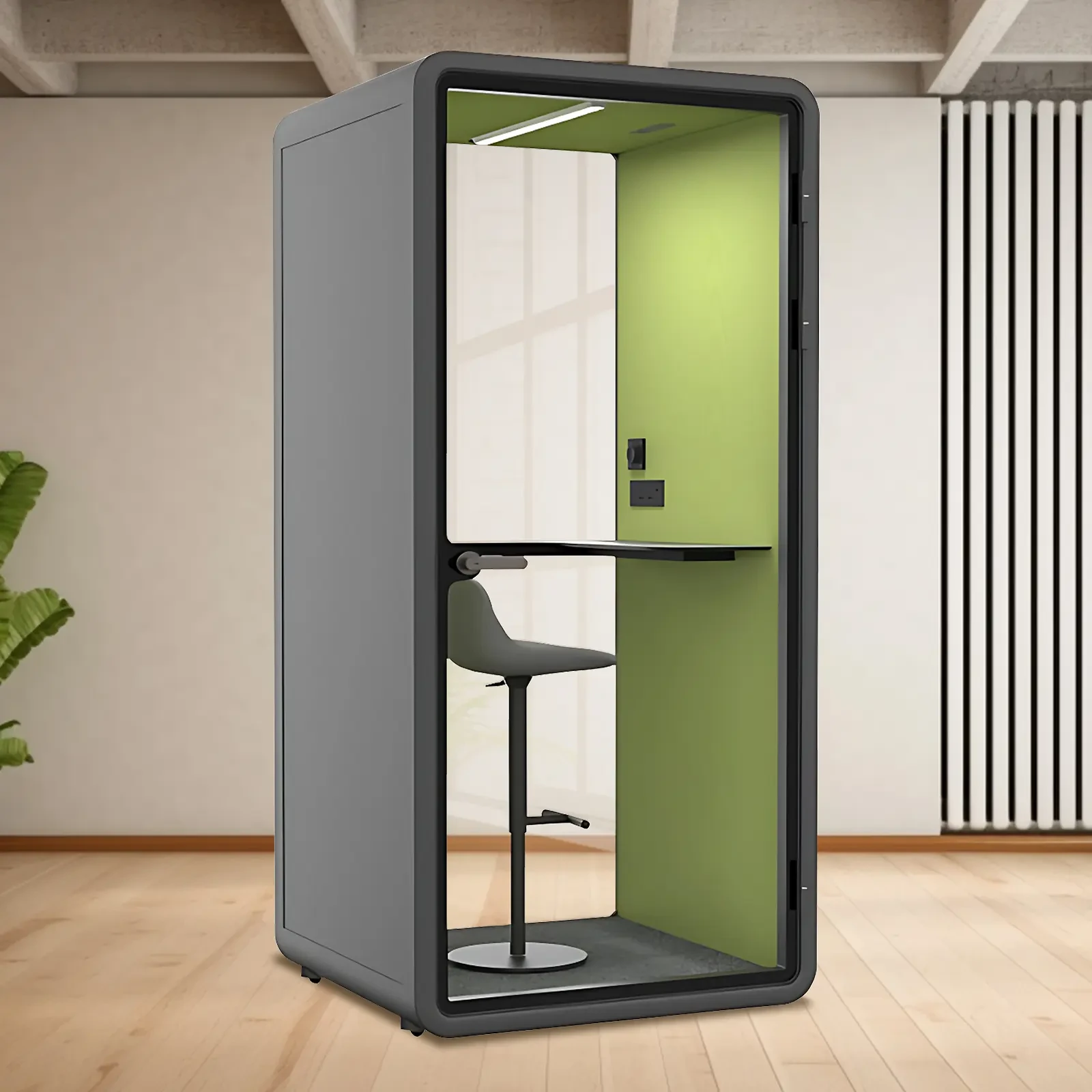
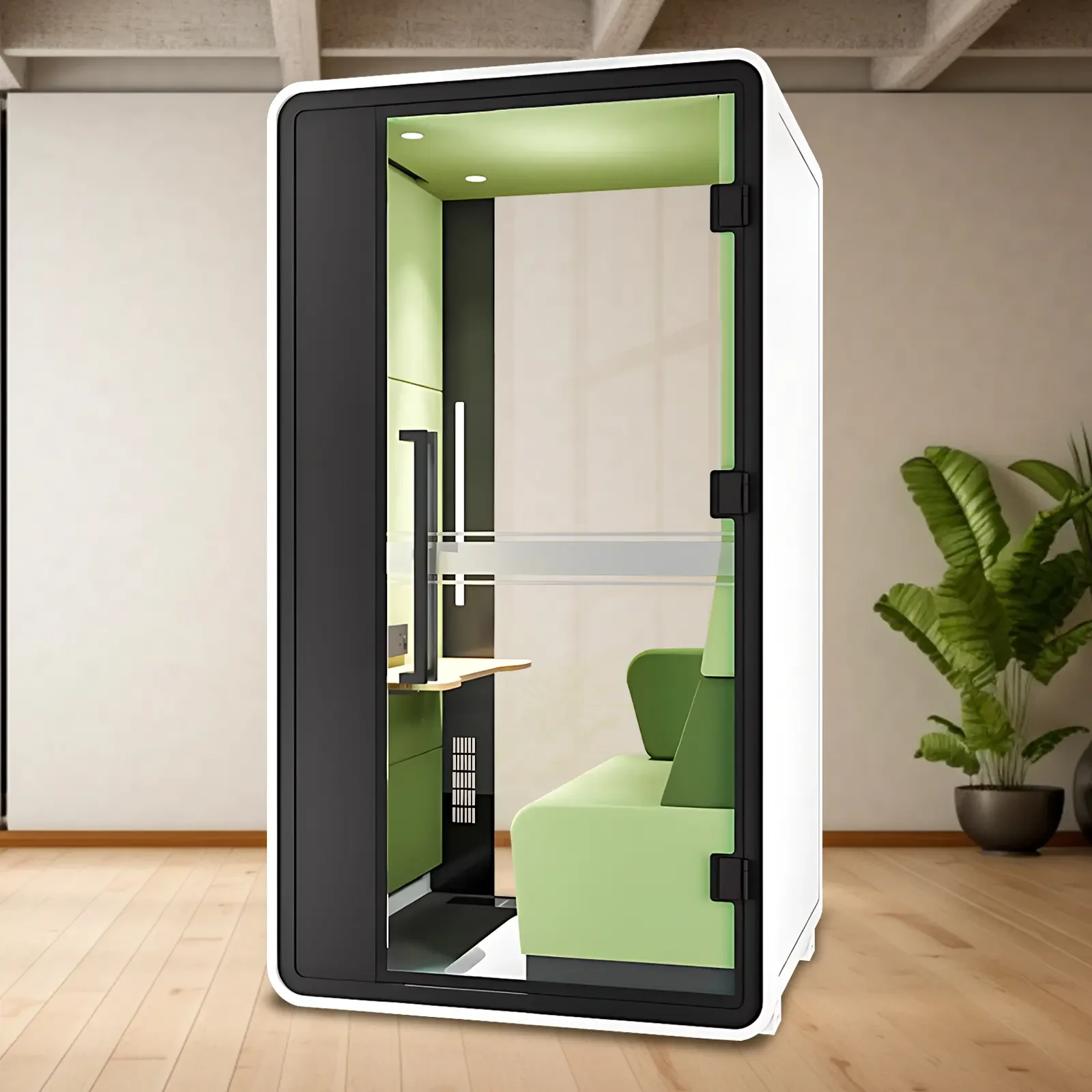
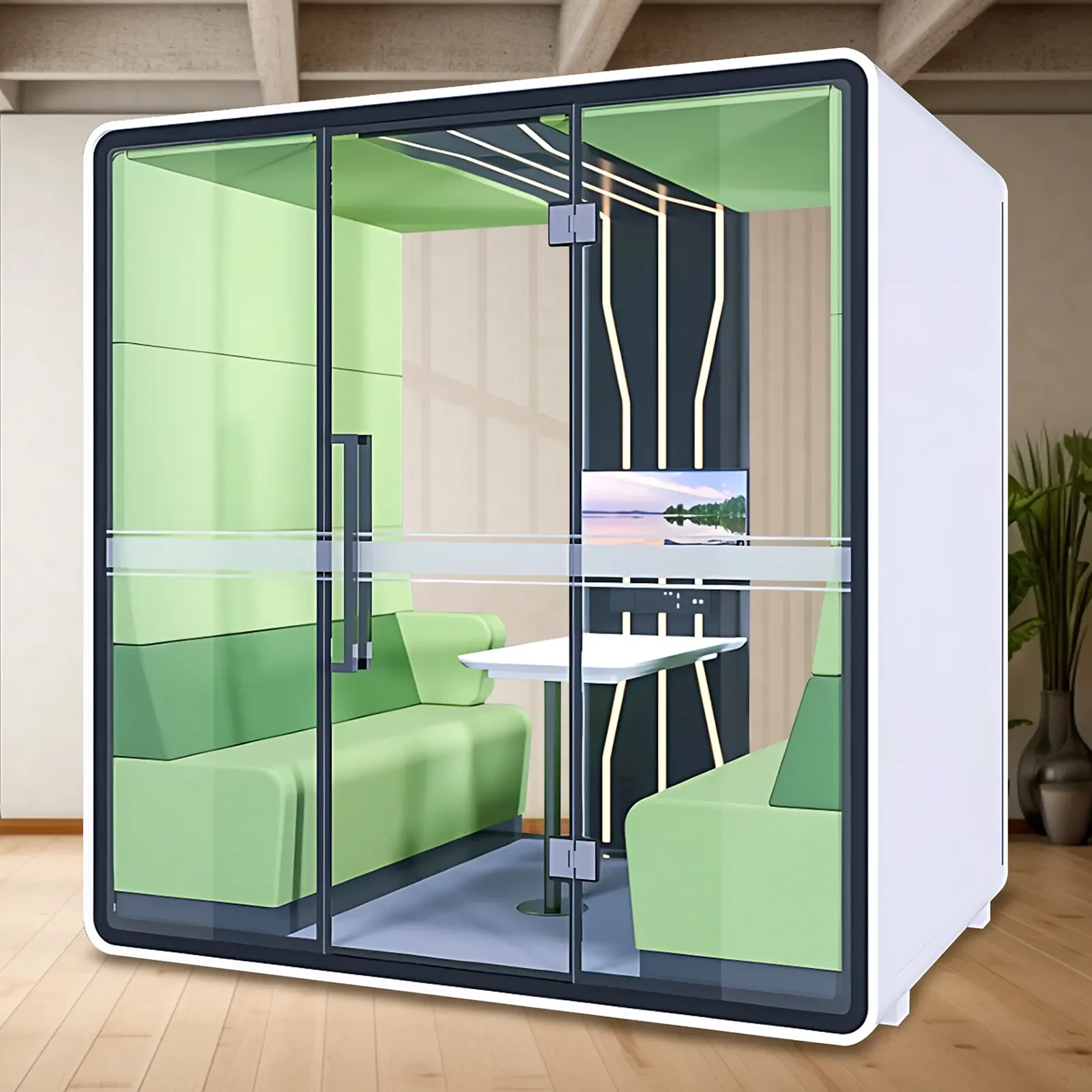
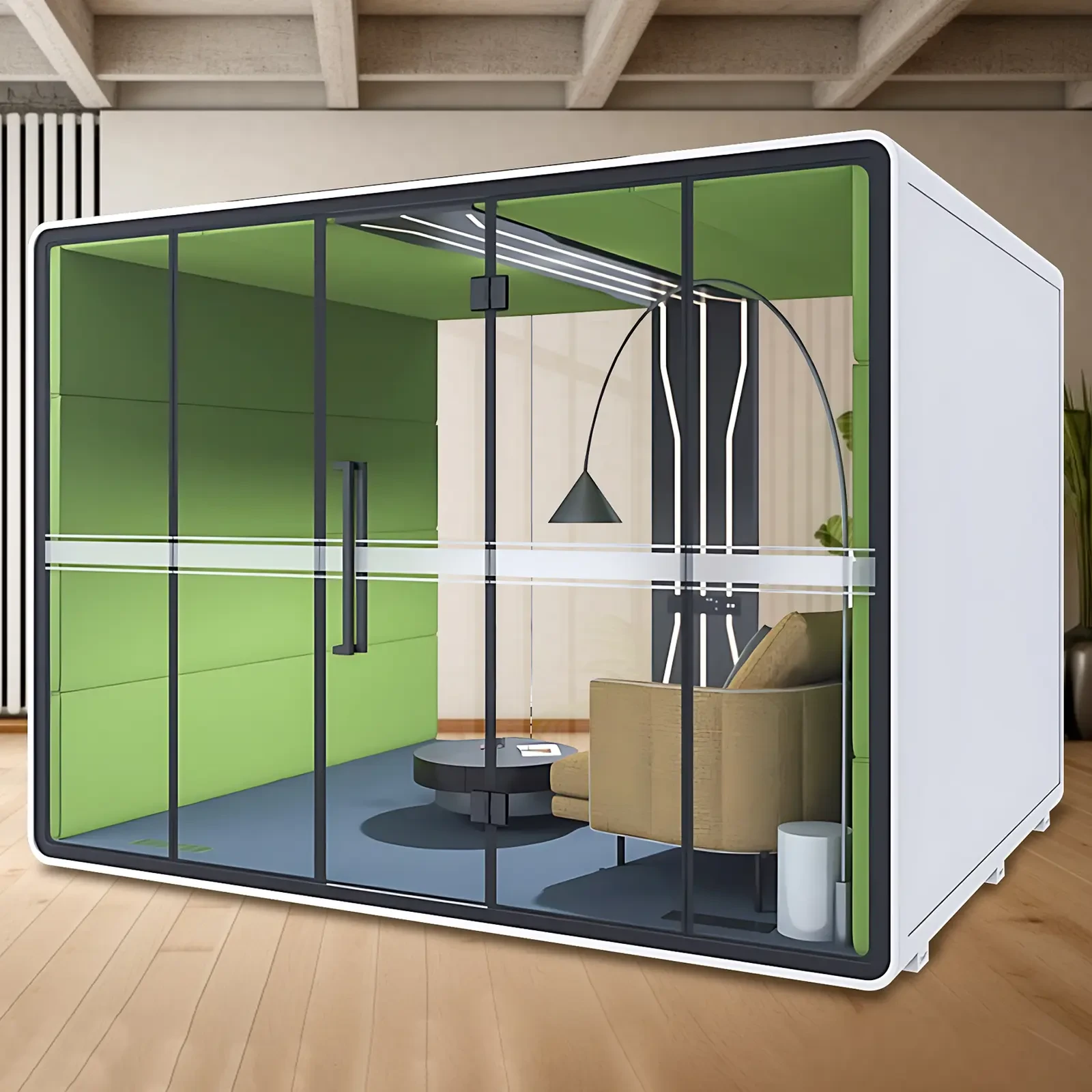
Building the perfect soundproof room: How to reduce noise in the workplace?
In today's fast-paced life, workplace noise pollution has become a problem that cannot be ignored. It not only affects the physical and mental health of employees but also directly reduces work efficiency and creativity. Therefore, building a perfect soundproof room to provide employees with a quiet working environment has become an urgent need for many businesses and individual studios. This article will elaborate on how to scientifically plan and effectively implement the construction of soundproof rooms in order to achieve a significant reduction in noise in the workplace.
I. Understanding the Dangers of Noise
First, we need to understand the negative impacts of noise on the work environment. Prolonged exposure to noisy environments can easily lead to problems such as poor concentration, hearing loss, and mood swings among employees. In severe cases, it can even trigger cardiovascular disease and sleep disorders. Therefore, reducing workplace noise is an important measure to protect employee health and improve work efficiency.
II. Design Principles of Soundproof Rooms
1. Clear Objectives: Define the primary purpose of the soundproof room, such as a conference room, recording studio, laboratory, or rest area, in order to make targeted design and material selection.
2. Structural sealing: Ensure the soundproof room has a tight and seamless structure, use double or multi-layer insulated glass for doors and windows, and use soundproof sealing strips for door and window frames to reduce sound transmission through the air.
3. Sound-absorbing materials: High-efficiency sound-absorbing materials, such as mineral wool boards and polyester fiber sound-absorbing boards, should be used for walls, ceilings and floors to absorb sound waves reflected indoors.
4. Vibration isolation treatment: For vibration sources, such as mechanical equipment, vibration isolation treatment is required, such as installing damping pads or elastic supports, to reduce noise caused by vibration.
5. Ventilation system: Design a reasonable ventilation system to ensure indoor air quality while preventing noise from entering through the vents.
III. Specific Implementation Steps
1. Needs Analysis and Planning: Based on the actual conditions of the workplace and the characteristics of noise sources, develop a detailed soundproof room construction plan, including location selection, size planning, and material list.
2. Foundation Construction: Carry out foundation construction according to the design plan, including ground leveling, wall construction, or installation of sound insulation panels. Maintain a clean and quiet construction site to avoid introducing new noise sources.
3. Sound insulation material installation: Install sound insulation materials on walls, ceilings, and floors, ensuring a tight, seamless connection between the materials. Simultaneously, perform special treatment on doors and windows to enhance their sound insulation performance.
4. Vibration Isolation and Ventilation: Install and adjust equipment requiring vibration isolation to ensure effective vibration control. Design and install a silent ventilation system to ensure indoor air circulation while reducing noise interference.
5. Testing and Adjustment: After the soundproof room is constructed, noise testing will be conducted to ensure that the sound insulation effect meets the predetermined standards. If necessary, adjustments and optimizations will be carried out until the usage requirements are met.
IV. Subsequent Maintenance and Care
Once a soundproof room is built, its effectiveness is not permanent. Regular inspection, maintenance, and upkeep are crucial to maintaining its good sound insulation performance. This includes cleaning dust from the sound-absorbing materials, checking the airtightness of doors and windows, and adjusting the ventilation system. Furthermore, any components that wear down and reduce their sound insulation effectiveness should be replaced promptly to ensure the overall performance of the soundproof room.
V. Conclusion
Building a perfect soundproof room is an effective way to improve the quality of the workplace environment, protect employee health, and increase work efficiency. Through scientific planning, meticulous construction, and proper maintenance, we can effectively reduce noise pollution in the workplace, creating a quieter and more comfortable working environment for employees. In this process, we need to focus not only on the technical implementation of the soundproof room but also on its long-term impact on employee well-being and corporate development. Let us work together to create a better workspace.
You May Also Like
X-comfot, your gateway to an efficient life. We are committed to becoming your most trusted brand of soundproof pod.
E-mail: support@x-comfot.com