
 USD
USD GBP
GBP
 EUR
EUR
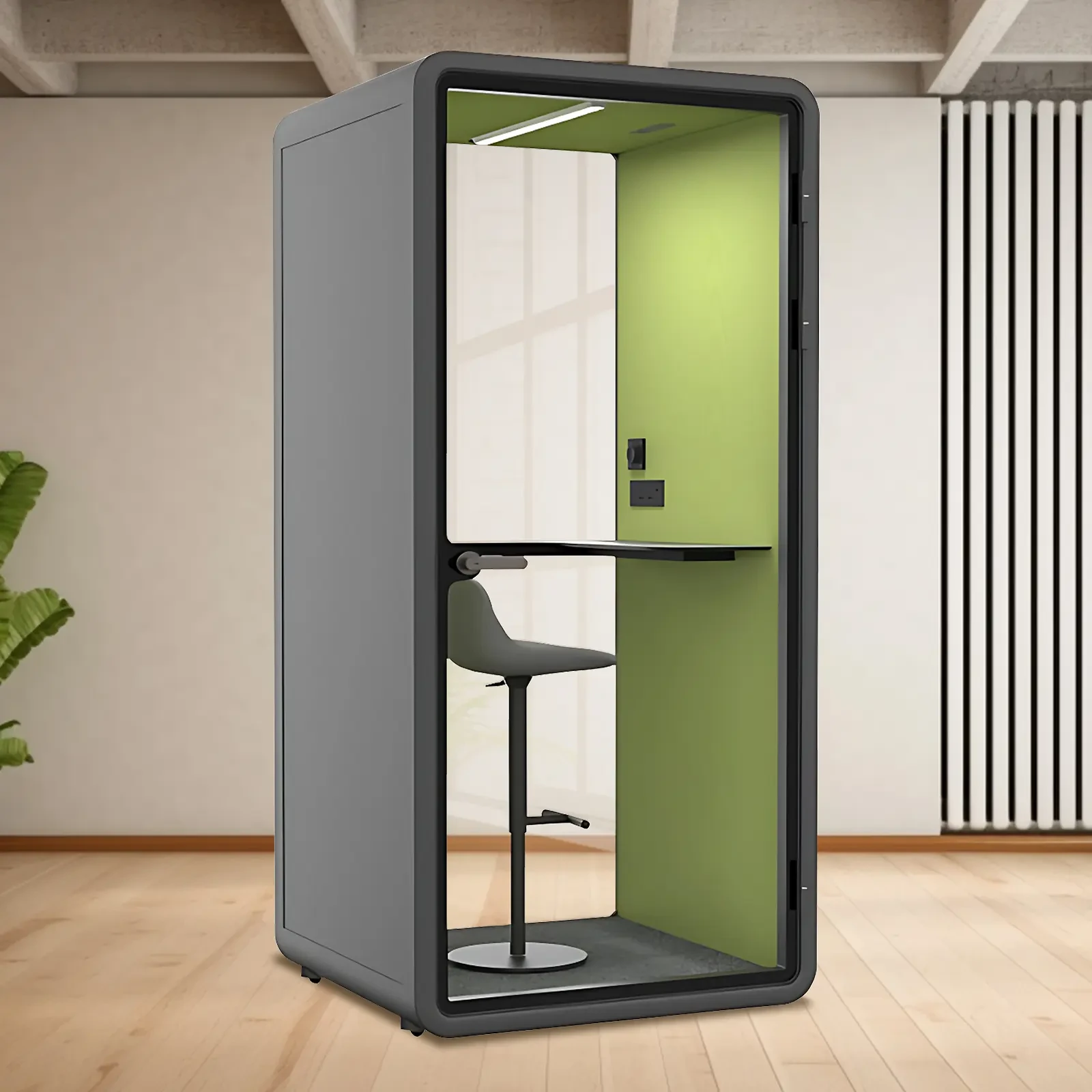
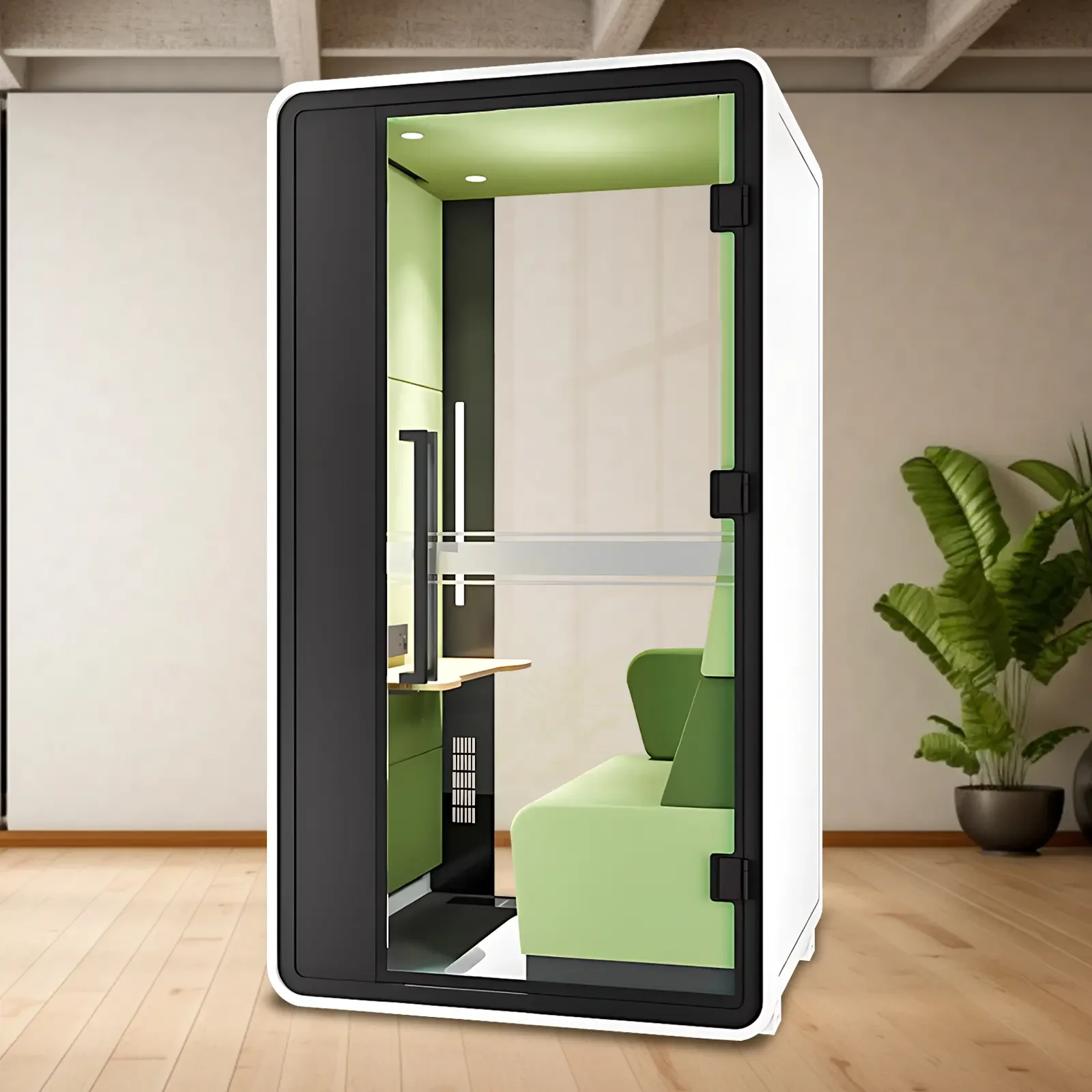
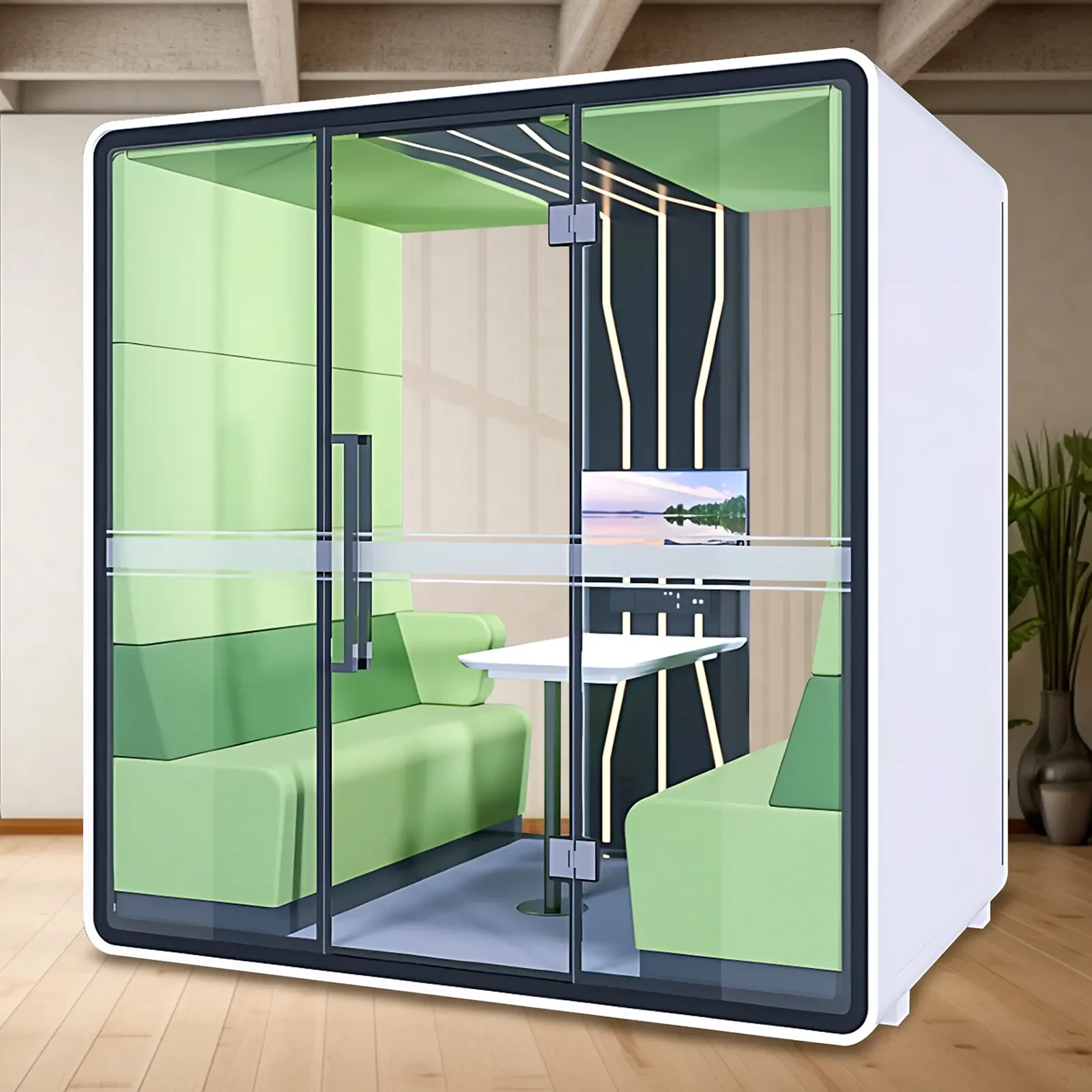
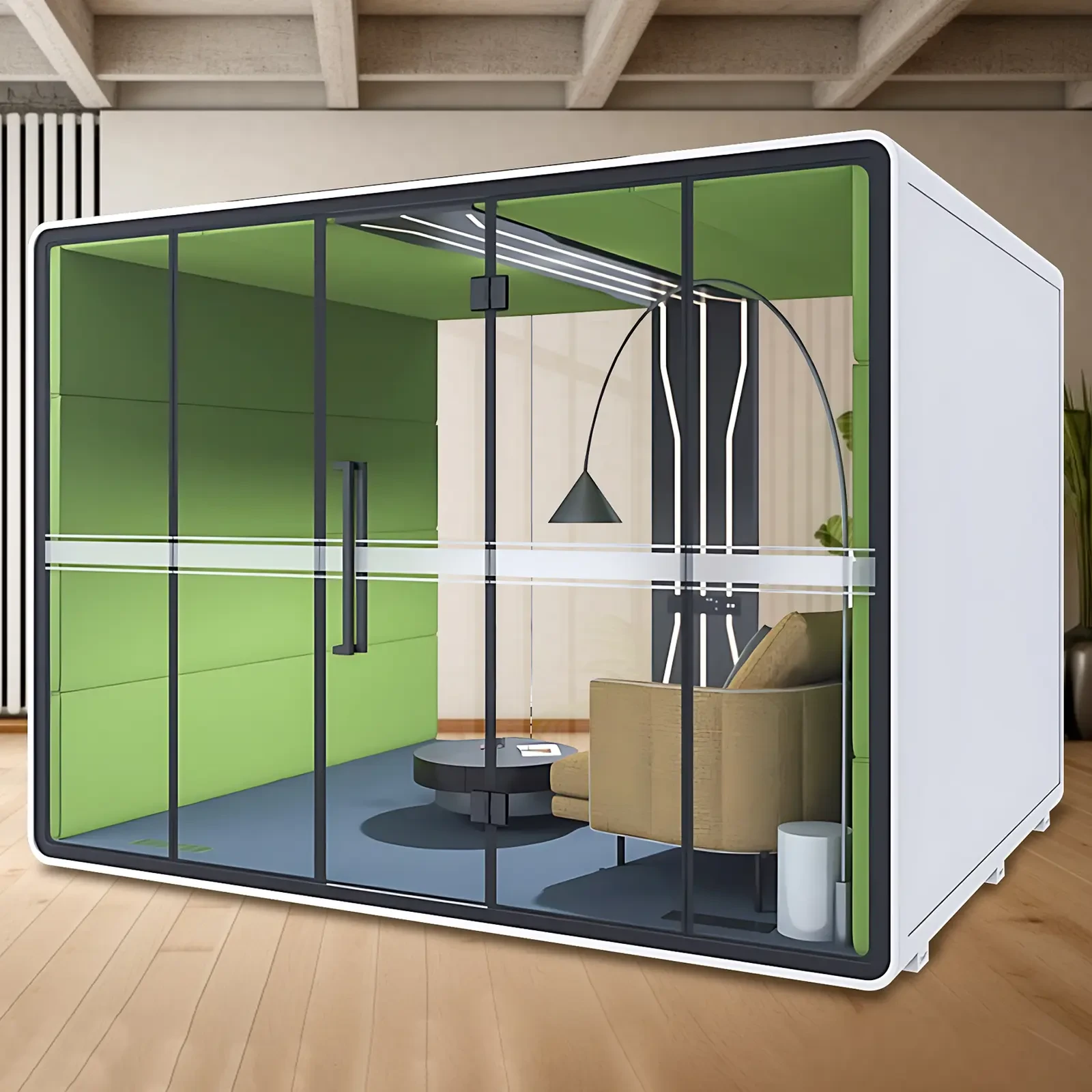
The fifth point mentions the need to widely promote green production and lifestyles. Since the founding of the People's Republic of China, the focus has been largely on speed. In order to quickly become a world power, we have sacrificed some things, including a green homeland and a healthy life. To address the contradiction between the people's ever-growing needs for a better life and unbalanced and inadequate development, future production methods will inevitably become more environmentally friendly, healthy, and green. Today, let's look at how to start with the acoustic environment of green buildings and discuss how to make people's living environment more in line with "green production and lifestyles"!
Green building assessment criteria:
The newly revised "Evaluation Standard for Green Buildings" came into effect on August 1, 2019. The general principles of the "new standard" also clearly state that the acoustic environment should be organized and utilized to become a component of a healthy and comfortable environment.
Acoustic considerations for "green building":
Noise standards: Sound insulation standards mainly include two parts: the allowable background noise level indoors and the sound insulation limits for walls and floors.
Permissible indoor noise level in dB(A) of high-quality buildings
High-quality building indoor airborne sound insulation standard dB(A)
High-quality building floor impact sound insulation standards
Sources of noise from buildings:
Airborne noise: airplanes, cars, outdoor work, indoor air conditioning ducts
Solid-borne noise: subway, people walking, children running, playing ball, operation of machine and electrical rooms.
Harmful effects of noise on the human body:
① Affects hearing, sleep, and memory.
Living in a noise environment of 80 decibels or higher for a long time increases the risk of hearing loss to 50%. Noise at 40 decibels can wake up 10% of people; at 60 decibels, it can wake up 70%. Children exposed to noise for extended periods are prone to anxiety and memory decline.
②Causes cardiovascular disease and infertility
Acute noise exposure often causes high blood pressure, accelerates heart aging, and increases the incidence of myocardial infarction; prolonged noise pollution can cause endocrine disorders and lead to male infertility; for women, it can lead to miscarriage and fetal malformations.
Specific solutions:
Step 1: Conduct professional noise testing. The maximum permissible background noise level in a high-quality building is expressed using a professional NR or NC curve. The NR curve is a noise evaluation parameter used in the international ISO standard.
Step 2: Addressing initial building noise
1. Application of structural sound insulation solutions: design of floor slab and wall thickness, design of socket openings, treatment of holes, and design of glass windows.
2. Indoor noise control: How to prevent noise from interfering with each other, such as high heels walking upstairs, TVs next door, gym equipment, children learning musical instruments, etc.
3. Indoor acoustics (architectural acoustics) solutions: Design high-quality acoustic environments for special room designs, such as banquet halls, press centers, lobbies, and home theaters, allowing you to enjoy the aesthetics of sound.
4. Noise reduction and vibration isolation solutions for machine and electrical rooms: drainage pipes, exhaust fans, elevator shafts... Solve low-frequency vibrations, and do not overlook detailed noise.
The above are the acoustic standards and solutions for green buildings. Hopefully, in 15 years, our homes will be healthier and more comfortable.