
 USD
USD GBP
GBP
 EUR
EUR
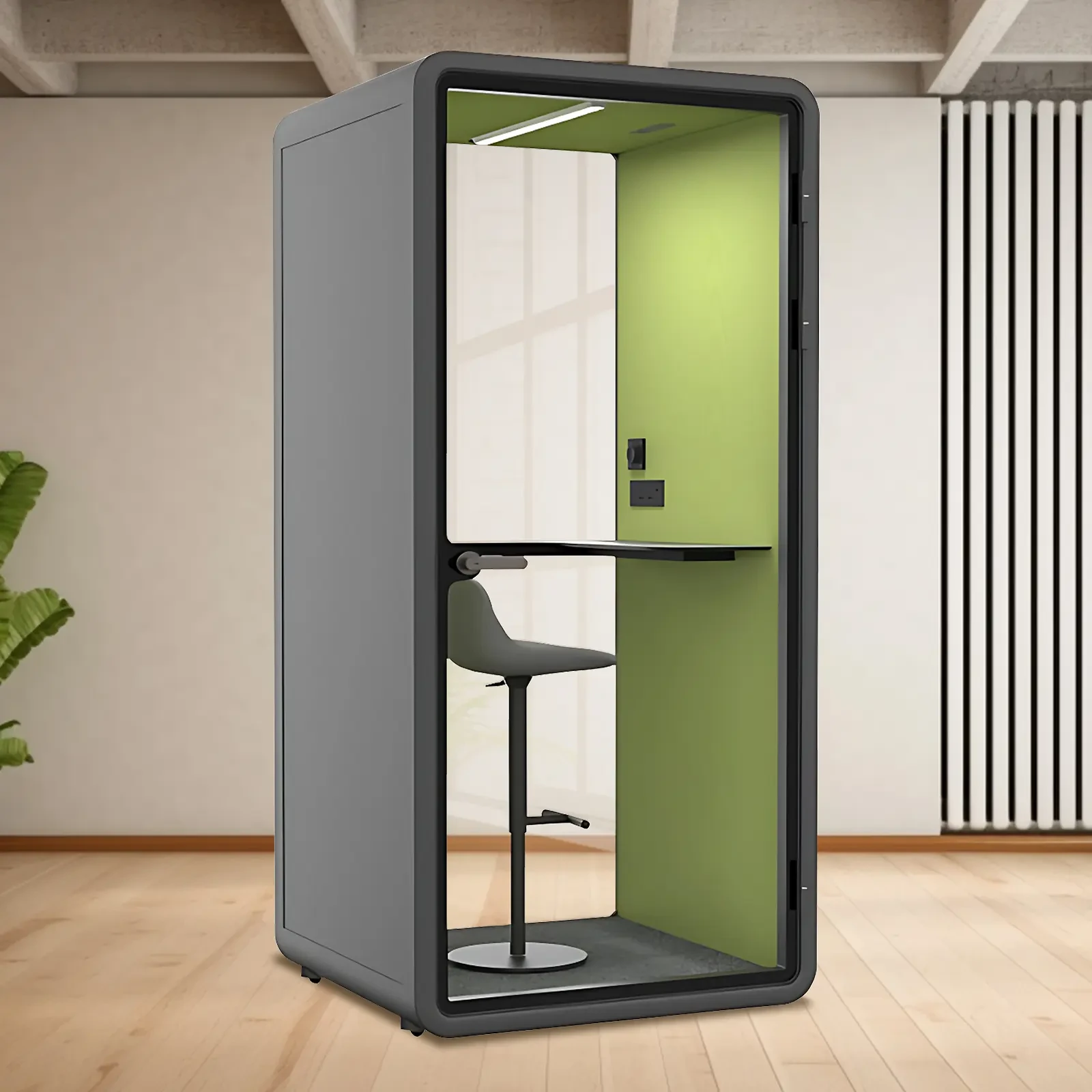
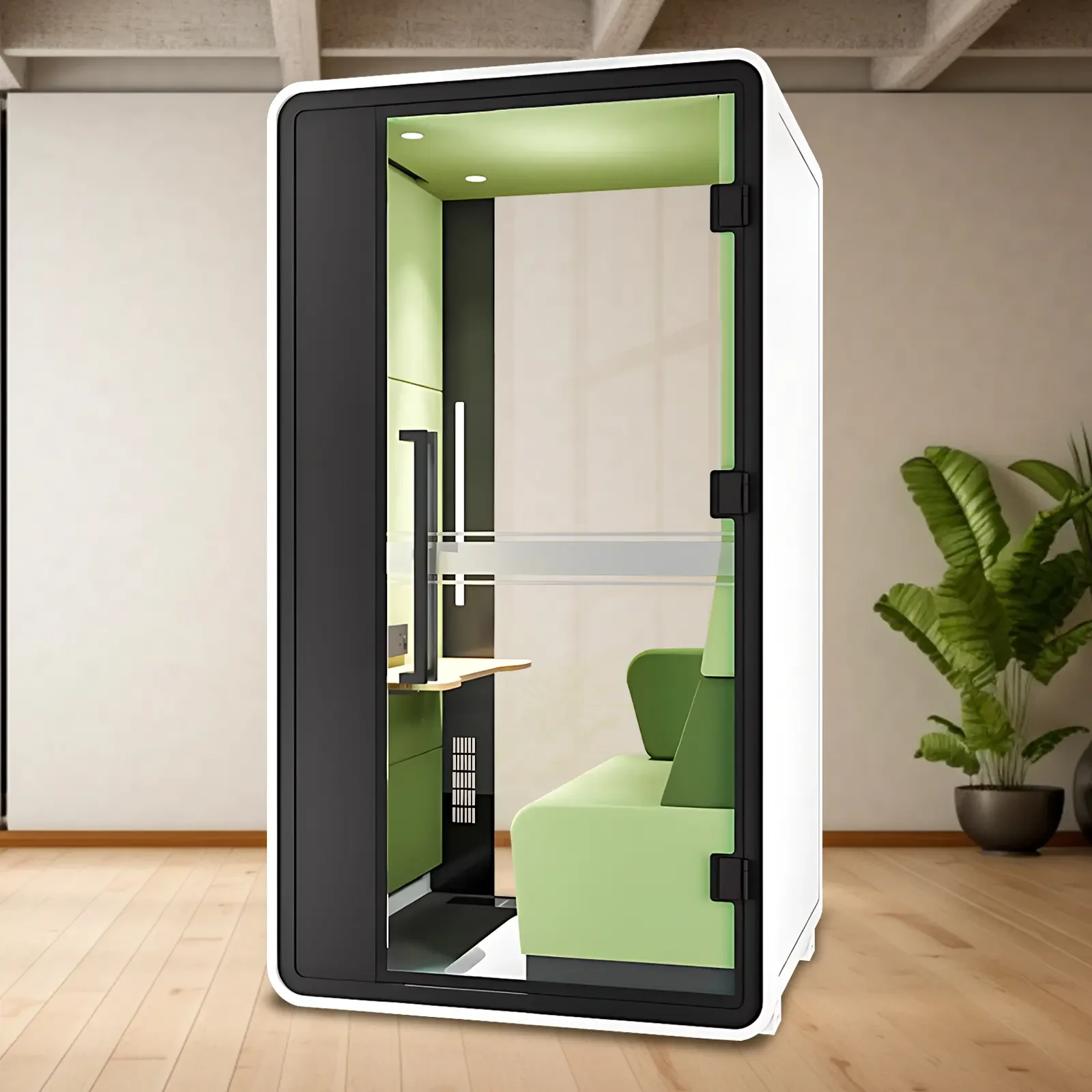
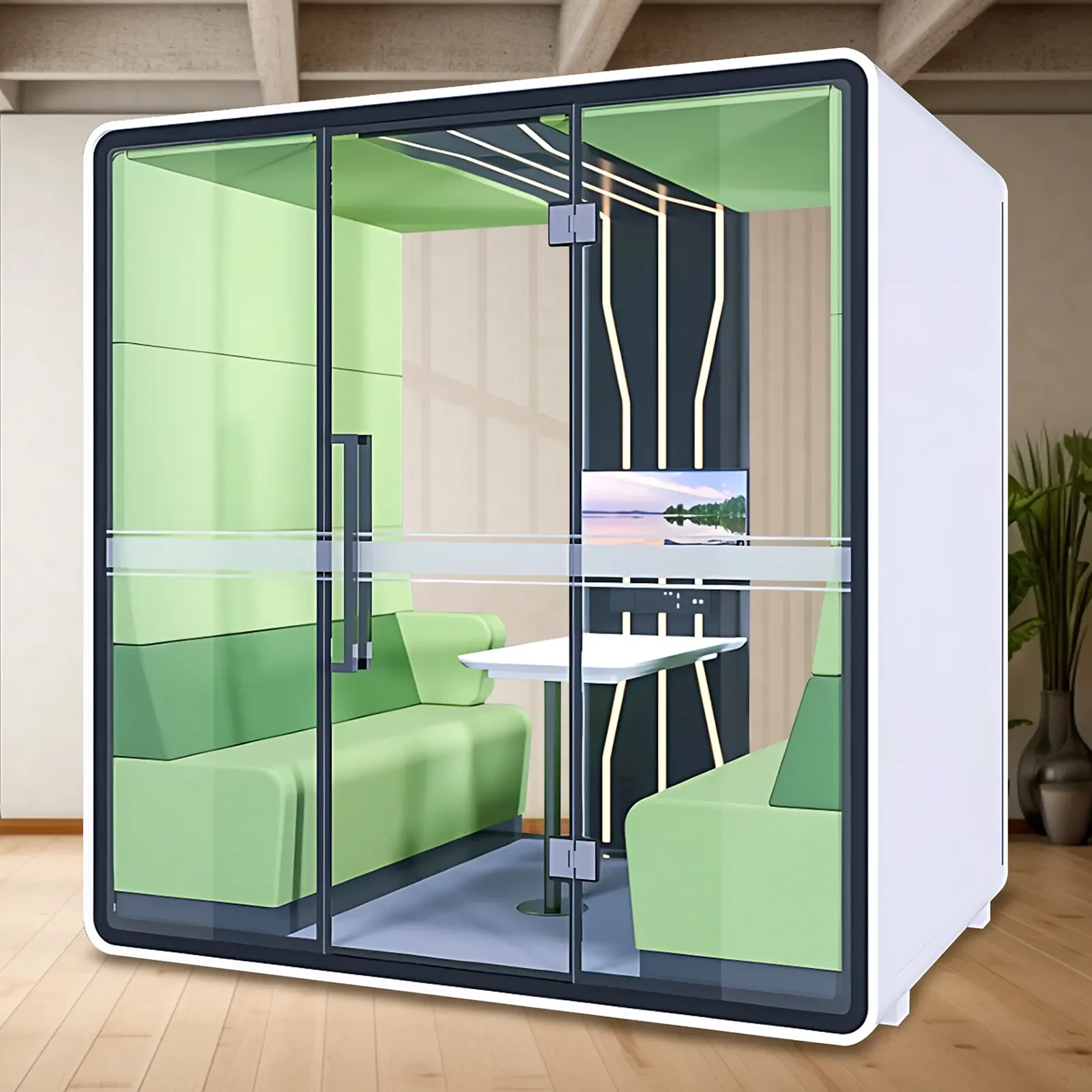
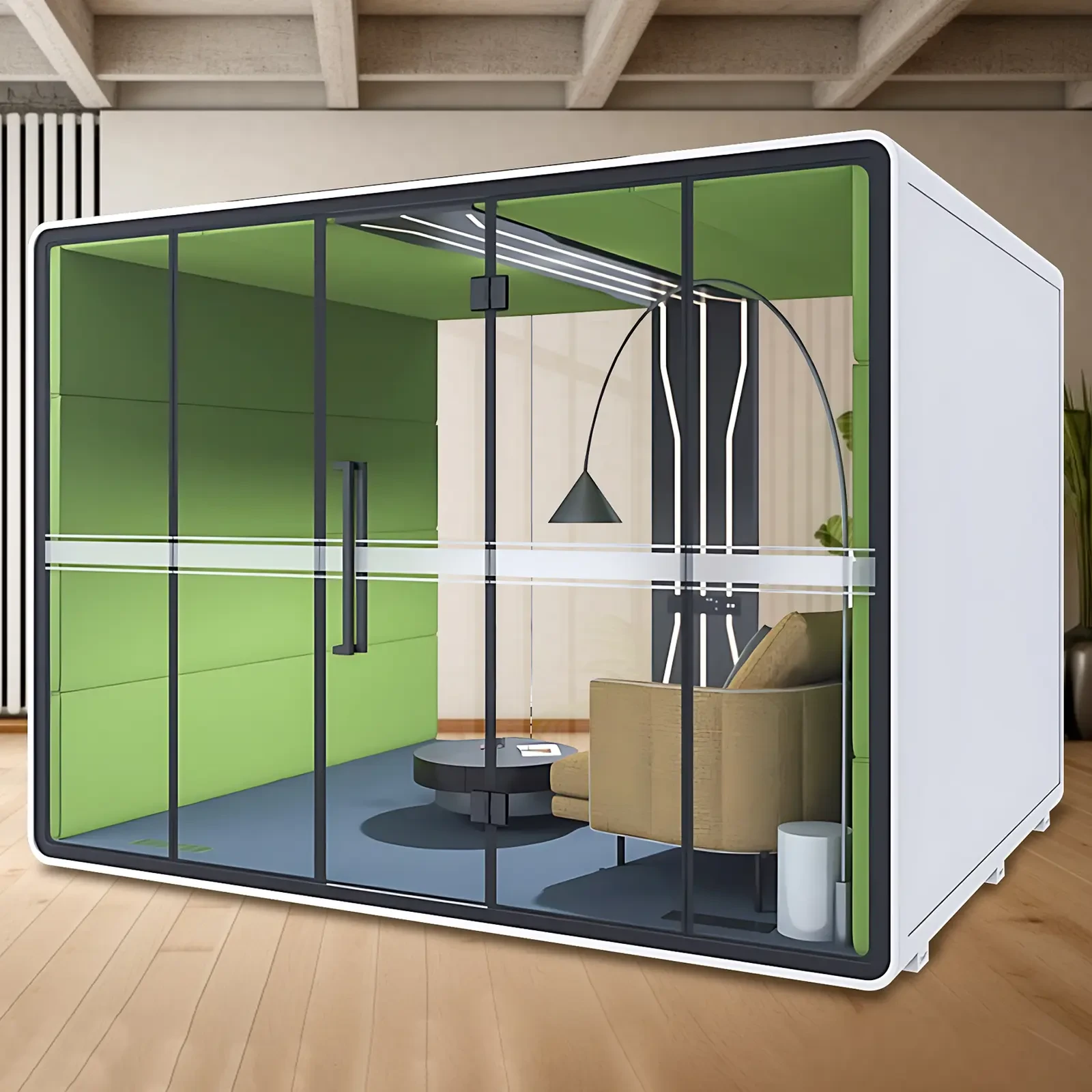
Whether it's a residential building or a mixed-use building, there have been cases of noise pollution caused by commercial operations. Here is a real case:
The noise pollution from the KTV downstairs in the residential building goes unaddressed.
Complainant's statement:
Often, the noise is deafening until 2 or 3 a.m., either singing or DJing and disco music, making it impossible to fall asleep and giving me a headache. I also have a child at home who is still in school; I don't need to elaborate on how important sleep is for a person's growth and development.
This disturbance has been going on for nearly two years. Initially, I tried communicating with the KTV manager, called the police in the middle of the night, and dialed the community hotline multiple times, but none of these methods resolved the issue. At the height of the conflict, my family and I dialed the community hotline simultaneously, and we received feedback that the KTV's business license was incomplete and that there was a high school nearby, meaning that KTVs and similar establishments are not permitted within that distance.
But that was all. The KTV continued to operate as usual and did not suspend operations for rectification. Later, it is possible that the staff of the citizen hotline did request the KTV to close down. As a result, the KTV manager called and threatened my family, saying that if we made his business impossible, he would cause harm to our elderly and children, and made statements about how powerful his connections were and what kind of underworld he was involved in.
My family is just an ordinary family, with no money or power. The only adult man in the family works away from home all year round. The rest are elderly people, women, and children. We are really troubled by this and don't know what other way we can solve this problem.
Can residential buildings be used for commercial operations?
Article 77 of the Property Law stipulates: " Owners shall not violate laws, regulations, or management rules by converting residential properties into commercial premises. In addition to complying with laws, regulations, and management rules, owners who wish to convert residential properties into commercial premises must obtain the consent of all owners with a stake in the matter. "
According to the aforementioned regulations, whether a residential property can be used as office space depends first on whether such commercial use violates any prohibitive regulations. If there are no such prohibitive regulations, it also depends on whether it violates the community management regulations. If it does not violate the regulations, the consent of the affected owners is required. According to Article 11 of the "Interpretation of the Supreme People's Court on Several Issues Concerning the Specific Application of Law in the Trial of Disputes over Ownership of Buildings," which states that "if an owner changes a residential property into a commercial property, other owners within the same building shall be considered 'owners with an interest' as referred to in Article 77 of the Property Law. Owners outside the same building within the building complex who claim an interest must prove that their property value or quality of life has been or may be adversely affected," all other owners within the same building are considered owners with an interest.
What are the noise standards for commercial and residential buildings?
Besides residential-to-commercial conversions, mixed-use buildings have become increasingly common in recent years. These buildings typically have a few floors dedicated to shopping malls, shops, and businesses, while the remainder are residential. However, there are also cases where residential and commercial spaces coexist.
When faced with such a problem, we first need to know what the noise standards are for this type of building. Should it be classified as a commercial building or a residential building?
The first thing to consider is the environmental noise standards for this type of building:
*Daytime: 6:00~22:00; Nighttime: 22:00~6:00
From this, we can conclude that commercial and residential buildings are subject to Class 2 building regulations, with daytime noise levels not exceeding 60 decibels and nighttime noise levels not exceeding 50 decibels.
This measurement can be taken in an open window environment, and the noise needs to be steady-state noise: steady-state noise refers to continuous noise with a noise intensity fluctuation range within 5dB, or impulse noise with a repetition frequency greater than 10Hz.
Now that you know the environmental standards, if the noise data you receive exceeds the standards, what laws should you use to defend your position?
In fact, whether it's a residential building or a commercial building, if the noise generated by businesses reaches a level that disturbs residents, it's illegal. This can be explained by referring to several articles of the "Noise Pollution Prevention and Control Law of the People's Republic of China":
Prevention and Control of Social Noise Pollution
1
Article 43: The noise from newly built commercial cultural and entertainment venues must comply with the national environmental noise emission standards; if they do not comply with the national environmental noise emission standards, the cultural administrative department shall not issue a cultural business license, and the market supervision and management department shall not issue a business license.
2
Article 44: It is prohibited to use loudspeakers or other methods that generate high noise levels to attract customers in commercial activities.
When using equipment and facilities such as air conditioners and cooling towers that may generate environmental noise pollution in commercial operations, the operators and managers shall take measures to ensure that the boundary noise does not exceed the national environmental noise emission standards.
3
Article 45 prohibits any unit or individual from using loudspeakers in areas with concentrated noise-sensitive buildings in urban areas.
When organizing entertainment or gatherings in public places such as city streets, squares, and parks, and using sound equipment that may generate excessive volume that disturbs the surrounding living environment, the regulations of the local public security authorities must be followed.
There are ways to achieve the best of both worlds. Setting up shops on the perimeter of residential buildings can, in the short term, solve residents' daily needs, providing options like fruit shops, breakfast stalls, courier points, fast food restaurants, and barbershops. This is quite necessary in newly developed communities. The best solution is for shops with obvious noise pollution or irregular operating hours to proactively implement soundproofing measures to reduce noise disturbances. This requires joint management and supervision from property management and the environmental protection bureau.
For example, KTVs, mahjong parlors, fast food restaurants, barbershops, and bars all try their best to do a good job of indoor sound insulation and vibration reduction. Recently, one of our clients, whose KTV was causing low-frequency noise to residents on the fourth and fifth floors, contacted us to consult about soundproofing solutions. Such a proactive user who seeks soundproofing demonstrates a broad perspective and long-term vision, and in our industry, such individuals are truly respectable!
For specific instructions on sound insulation and vibration reduction, please add the WeChat ID below to contact us...