
 USD
USD GBP
GBP
 EUR
EUR
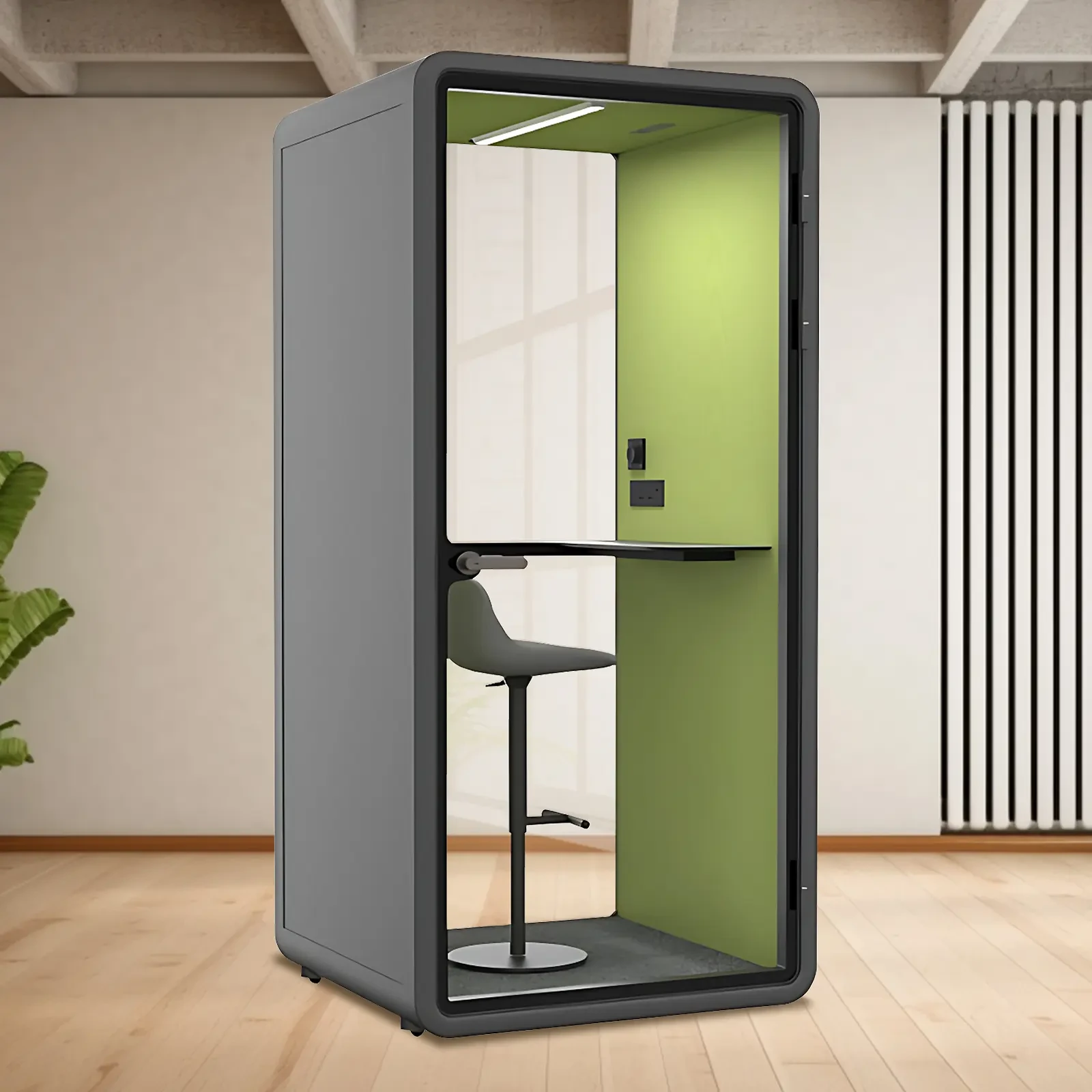
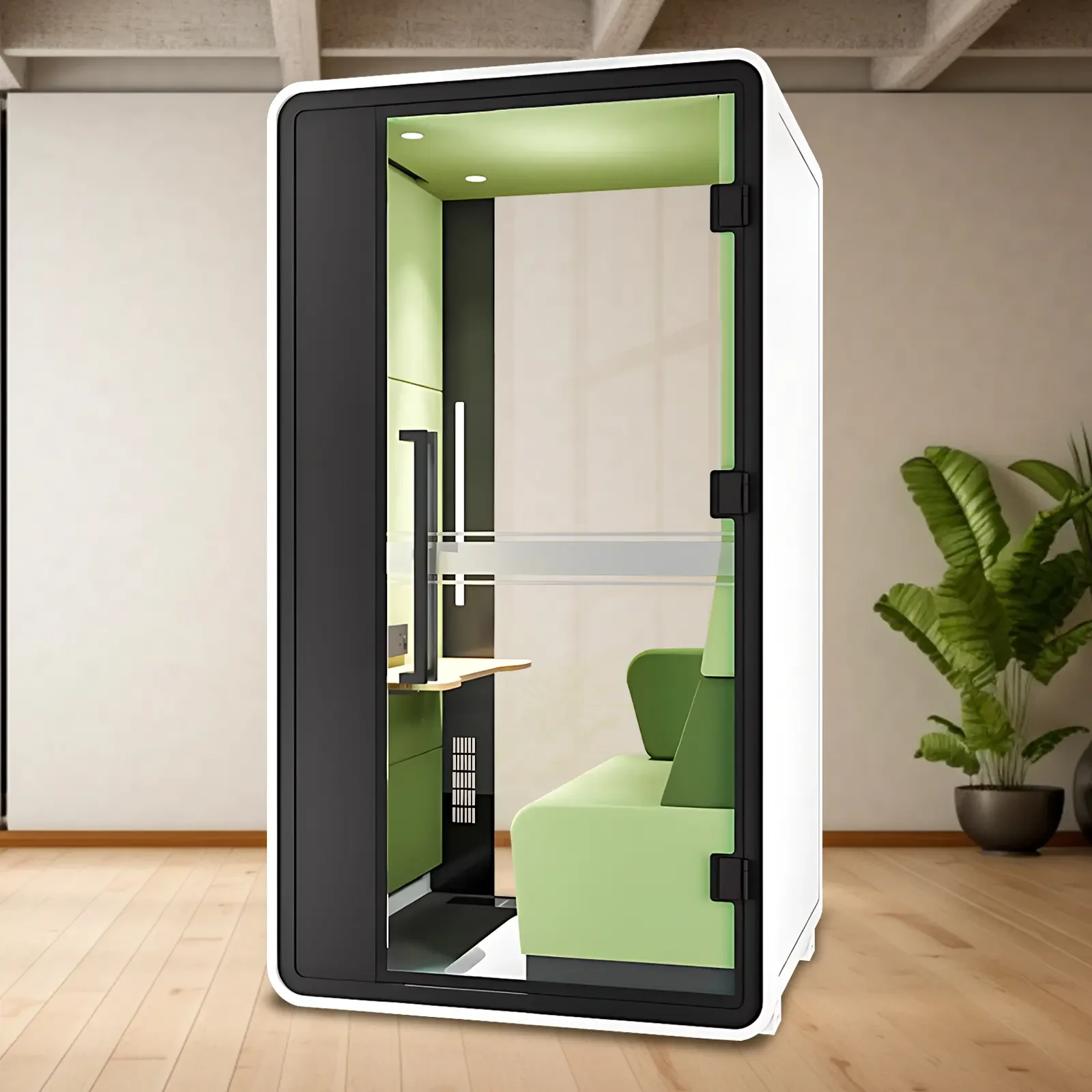
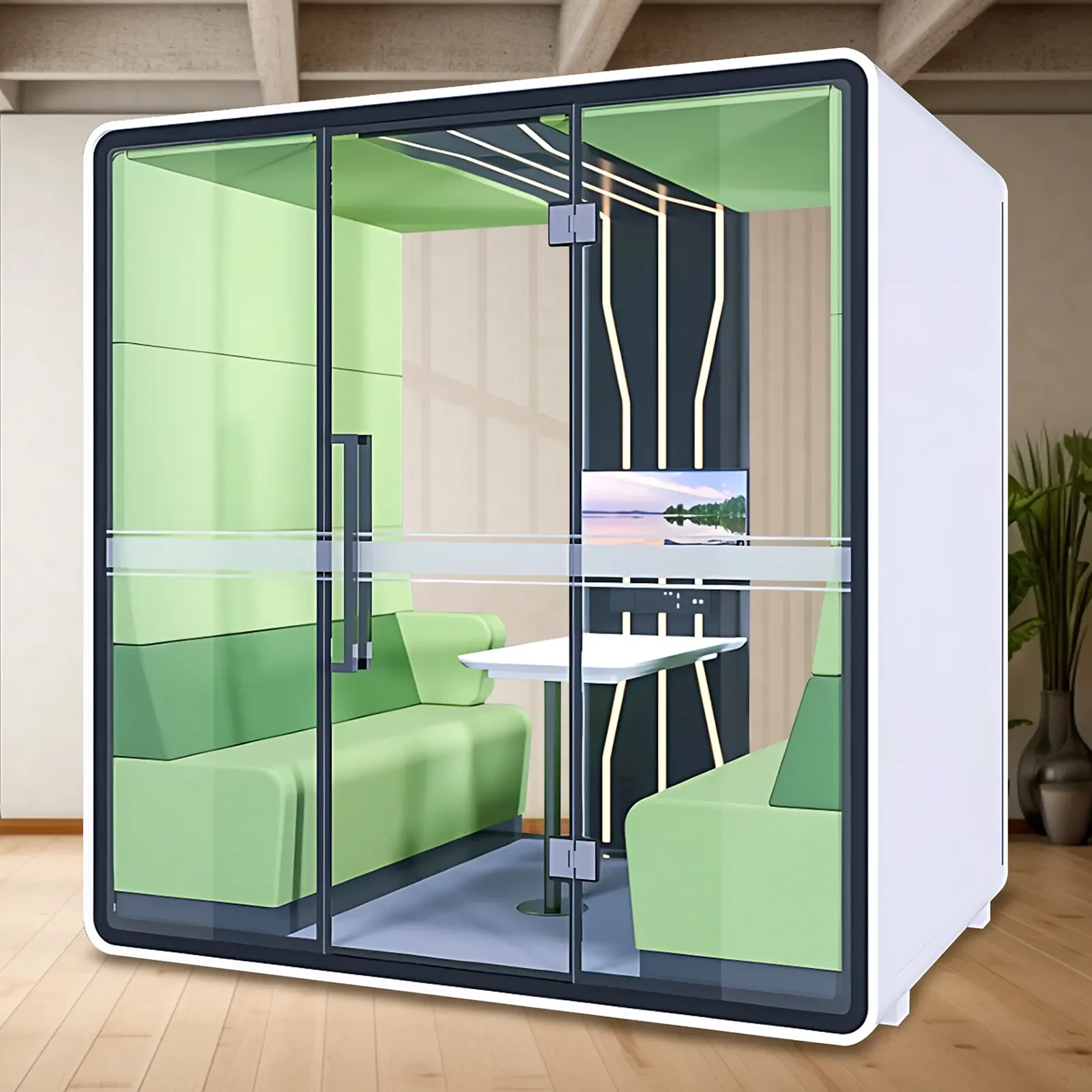
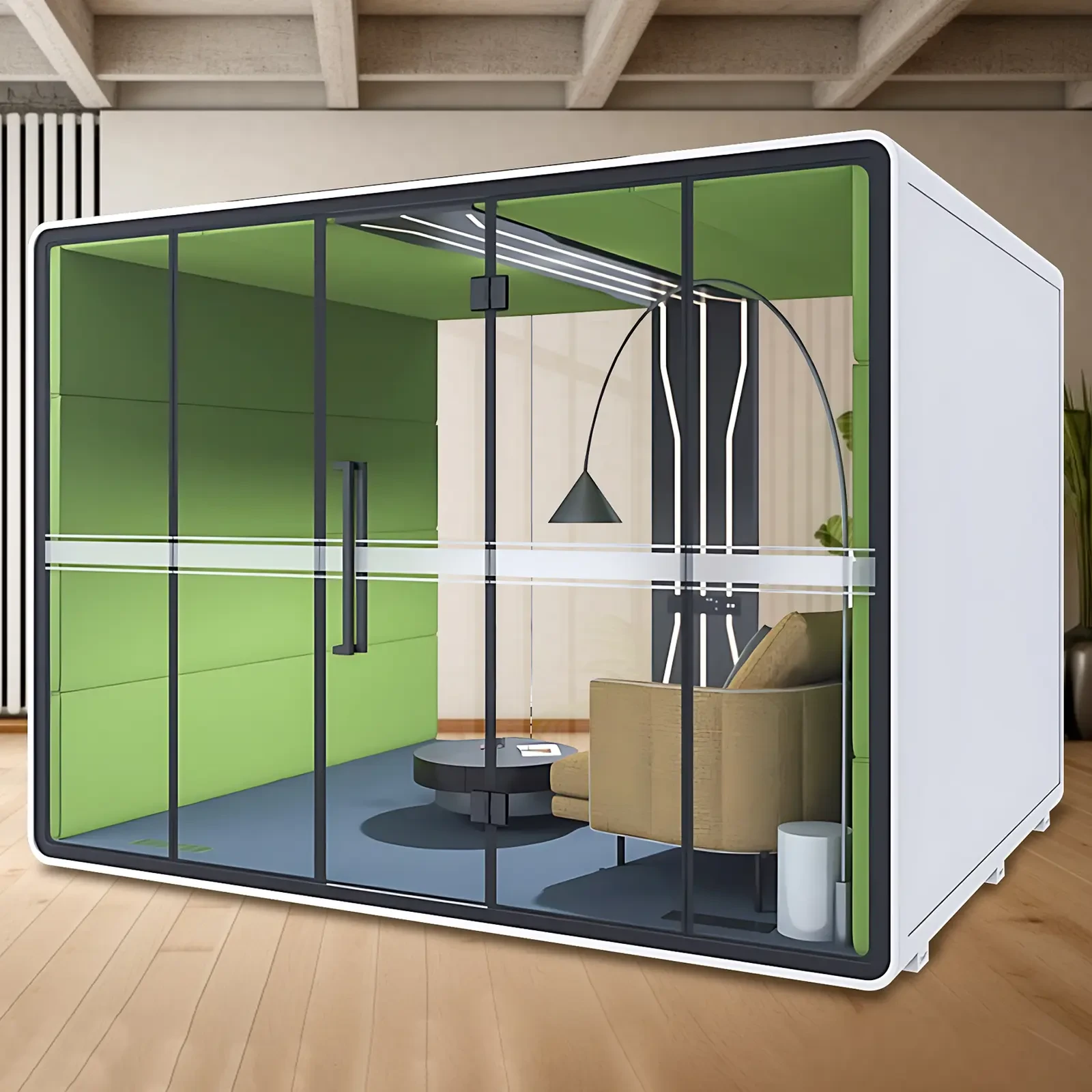
In hospitals, places brimming with both hope and challenges, noise, though an "invisible enemy," has a significant impact on patient recovery and the work of medical staff. To create a quiet and comfortable environment, hospitals have implemented a series of noise reduction measures. These measures encompass not only architectural design and equipment selection but also personnel management and cultural development, all aimed at creating a conducive recovery atmosphere for patients.
Architectural Design
First, architectural design is fundamental and crucial for noise reduction in hospitals. During hospital construction, using high-quality soundproofing materials and windows effectively blocks external noise intrusion. For example, sound-absorbing materials are used in the walls, and soundproofing designs are incorporated into the ceilings and floors to reduce sound wave propagation. According to relevant data, wards using high-quality soundproofing materials can reduce noise levels by approximately 30%.
medical equipment
Secondly, noise reduction technology for medical equipment is constantly improving. Many newly developed devices are equipped with advanced noise reduction technologies, such as ultrasound equipment and imaging equipment. These devices significantly reduce noise during operation, greatly improving patient comfort during treatment. Experts recommend that hospitals regularly maintain and update their equipment, ensuring not only efficient operation but also low noise levels, which is crucial for improving patient satisfaction and comfort.
Personnel Management and Cultural Development
Furthermore, personnel management is equally important. Hospitals conduct "noise reduction education" for medical staff and patients, reminding everyone to speak softly and handle items gently in the hospital environment, especially in wards and rest areas, through training and outreach. Hospitals can also install signage to remind everyone to maintain a quiet environment. Imagine if everyone treated the hospital's quiet environment like a precious treasure; patients' recovery would be smoother, and the work efficiency of medical staff would be improved.
Community participation and feedback mechanism
To further improve noise management in hospitals, hospitals can also involve patients and their families in the improvement efforts. Through questionnaires and feedback collection, hospitals can understand patients' actual needs and feelings. This community involvement helps hospitals better identify noise sources and take appropriate measures. Simultaneously, establishing an effective feedback mechanism to regularly evaluate the effectiveness of noise reduction measures allows for continuous optimization and adjustment.
Summarize
In summary, hospitals employ a wide variety of noise reduction measures, encompassing architectural design, equipment selection, personnel management, and cultural development. These measures work together to create a quiet and comfortable recovery environment for patients, allowing them to better relax and promote recovery during treatment. As society increasingly values the medical environment, we expect hospitals to improve their noise reduction efforts, making tranquility the norm and helping every patient recover quickly and embrace the hope of a new life.