
 USD
USD  GBP
GBP
 EUR
EUR

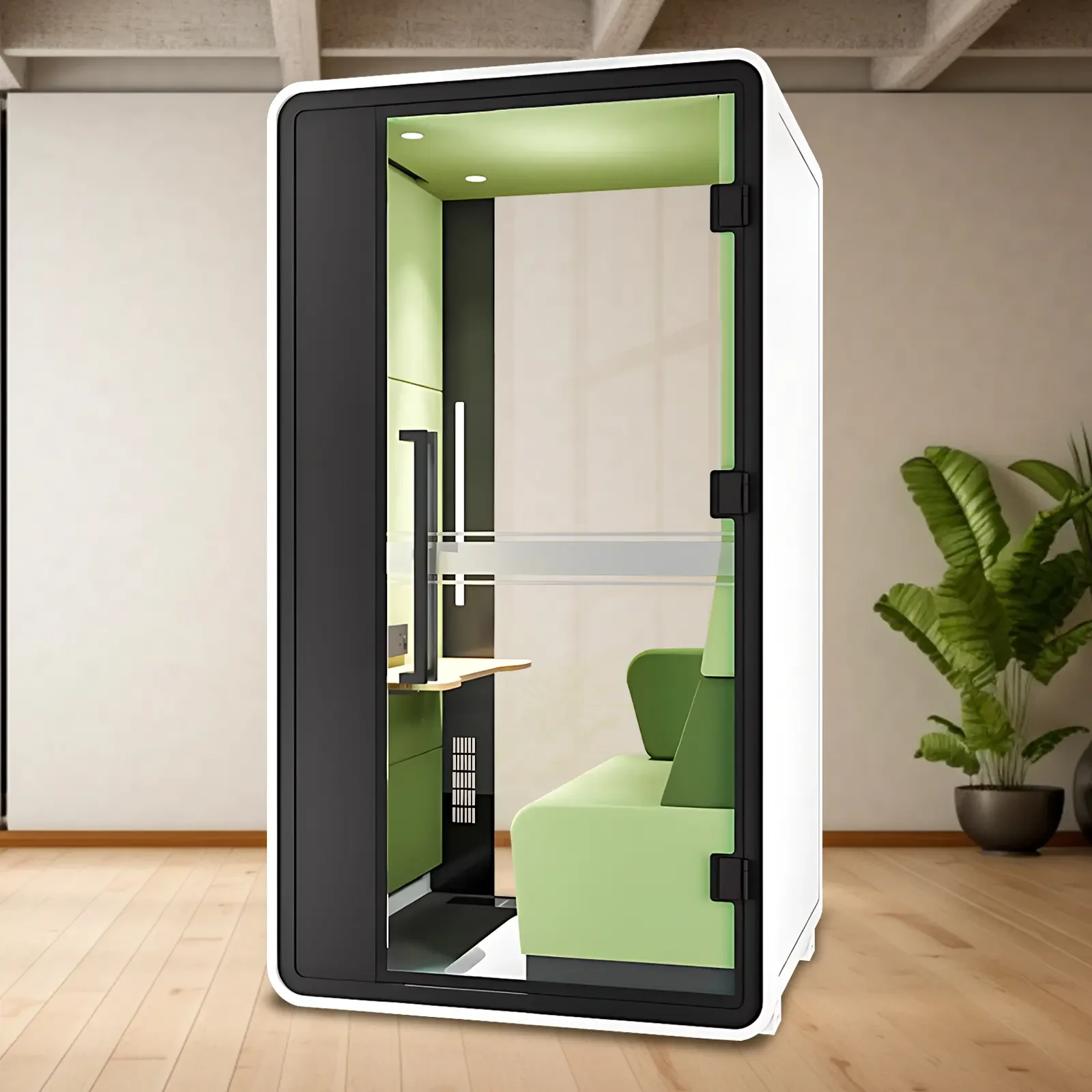

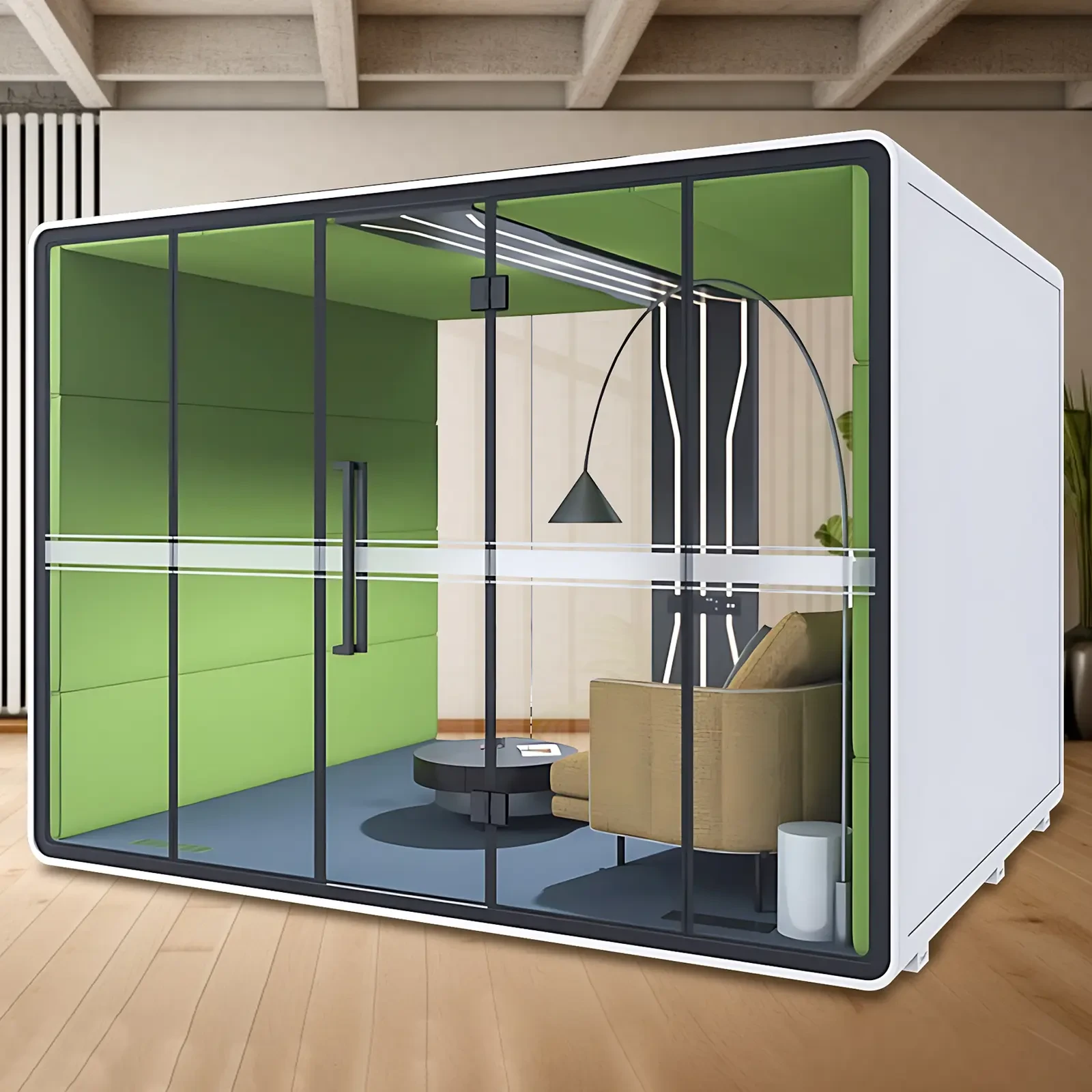
Can soundproofing cotton solve the noise problem in a rental apartment?
One of the biggest problems that often comes with renting in the city is noise. This is especially true in older residences or apartments facing the street, where noise is particularly pronounced. Neighbors' conversations, footsteps upstairs, and traffic noise can all negatively impact our quality of life and mental well-being. So, what can we, as renters, do to improve this situation? In this article, we will explore the effectiveness and specific methods of using soundproofing materials such as sound insulation cotton for noise reduction.
I. Sources of noise in rented apartments
Before considering how to use soundproofing materials such as sound insulation cotton, it is first necessary to understand the sources of noise. The main sources of noise are as follows:
1. Structural sound transmission: Noise that travels through walls, ceilings, and floors, usually originating from the activities of neighbors.
2. Sound transmitted through the air: Sound that travels through the air, mainly including conversations and music.
3. Vibration-transmitted sound: Sound waves that travel through the floor or other structural surfaces, usually originating from the movement of heavy furniture or guests upstairs.
Only by understanding the source of the noise can we take targeted measures to improve it.
II. The Principle and Types of Sound Insulation Cotton
Sound insulation cotton is a material specifically designed for sound absorption and insulation. Its main principle is to reduce noise transmission by absorbing the energy of sound waves. Common sound insulation cotton materials include:
1. Polyester fiber sound insulation cotton: It has good sound absorption properties and durability, and is suitable for use in walls, ceilings and floors.
2. Mineral wool sound insulation cotton: Made of rock or ore, it has high density and sound absorption capacity.
3. Sponge sound insulation cotton: lightweight and easy to install, suitable for small areas of walls and ceilings.
4. Composite sound insulation cotton: Combining the advantages of multiple materials, it provides better sound insulation.
III. Application Methods of Sound Insulation Cotton
1. Wall treatment
Walls are often the main channels for noise transmission. Consider the following methods:
- Apply sound insulation material: Select suitable sound insulation material on the wall and fix it in place using glue or nails. It is recommended to choose sound insulation material with a thickness of 5 cm or more for better results.
- Install sound insulation panels: Add sound insulation panels outside the sound insulation cotton to form a composite sound insulation layer, further improving the sound insulation effect.
2. Ceiling treatment
Noise from upstairs is also a frequent source of annoyance:
- Ceiling Suspension: Suspend sound insulation cotton from the ceiling to form a vertical sound-absorbing layer to reduce the impact of noise from above.
- Use a flexible ceiling: While installing the ceiling, embed sound insulation cotton to form an integrated sound insulation structure.
3. Ground treatment
If the noise is coming from downstairs:
- Install soundproof flooring: Choose flooring materials with soundproofing layers, or lay soundproofing pads on the existing floor to absorb noise.
- Mat usage: Using thick carpets or other soft mats can effectively reduce the sound transmitted from the floor.
4. Door and window treatment
Gaps in doors and windows can also be channels for noise to seep in.
- Door and window sealing strips: Install sealing strips around doors and windows to reduce the propagation of sound waves through gaps.
- Install soundproof curtains: Using soundproof curtains can not only block external heat, but also effectively reduce external noise.
IV. Installation Techniques for Sound Insulation Cotton
1. Choose the right location: Based on the direction of the noise source, select the place that needs the most soundproofing for treatment.
2. Reasonable layout: Distributing sound insulation cotton evenly in the space can improve the overall sound insulation effect.
3. Pay attention to aesthetics: When choosing materials and colors, try to coordinate them with the interior decoration style to avoid a jarring feeling.
V. Precautions and Maintenance
1. Material selection: When purchasing sound insulation cotton, it is recommended to choose environmentally friendly materials to avoid harming your health.
2. Regular inspection: Regularly check the condition of the sound insulation materials to ensure they are not damp or damaged, otherwise the sound insulation effect will be reduced.
3. Proper use: While using sound insulation cotton, avoid generating excessive vibration. For example, when moving furniture, handle it gently to reduce interference with downstairs neighbors.
VI. Other Supplementary Measures
Besides using sound insulation cotton, there are other methods that can be used in combination:
- Install acoustic panels: Install acoustic panels on certain walls to further improve sound insulation.
- Reduce noise sources: If you can avoid making too much noise, such as using soft-soled furniture and controlling the volume, etc.
VII. Conclusion
Noise pollution is indeed a significant problem in rented accommodations, but by using soundproofing materials and other sound insulation solutions, we can effectively improve our living environment. While completely eliminating noise is impossible, proper soundproofing design can significantly enhance our quality of life. Whether you are considering renting or already living in a noisy environment, soundproofing is a worthwhile investment. Hopefully, the suggestions provided in this article will help you create a quieter and more comfortable living space in your rented apartment.
X-comfot, your gateway to an efficient life. We are committed to becoming your most trusted brand of soundproof pod.
E-mail: support@x-comfot.com