
 USD
USD  GBP
GBP
 EUR
EUR
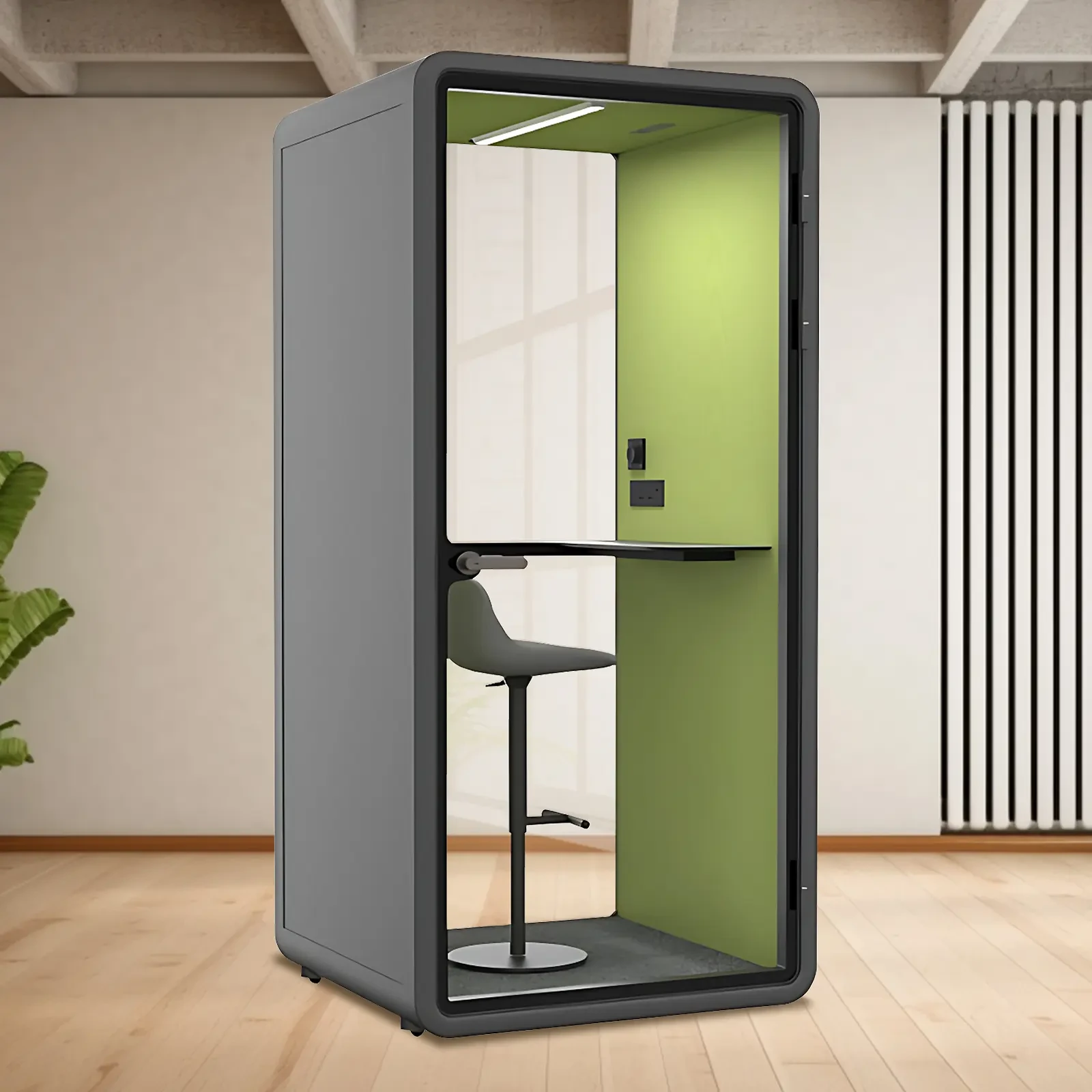
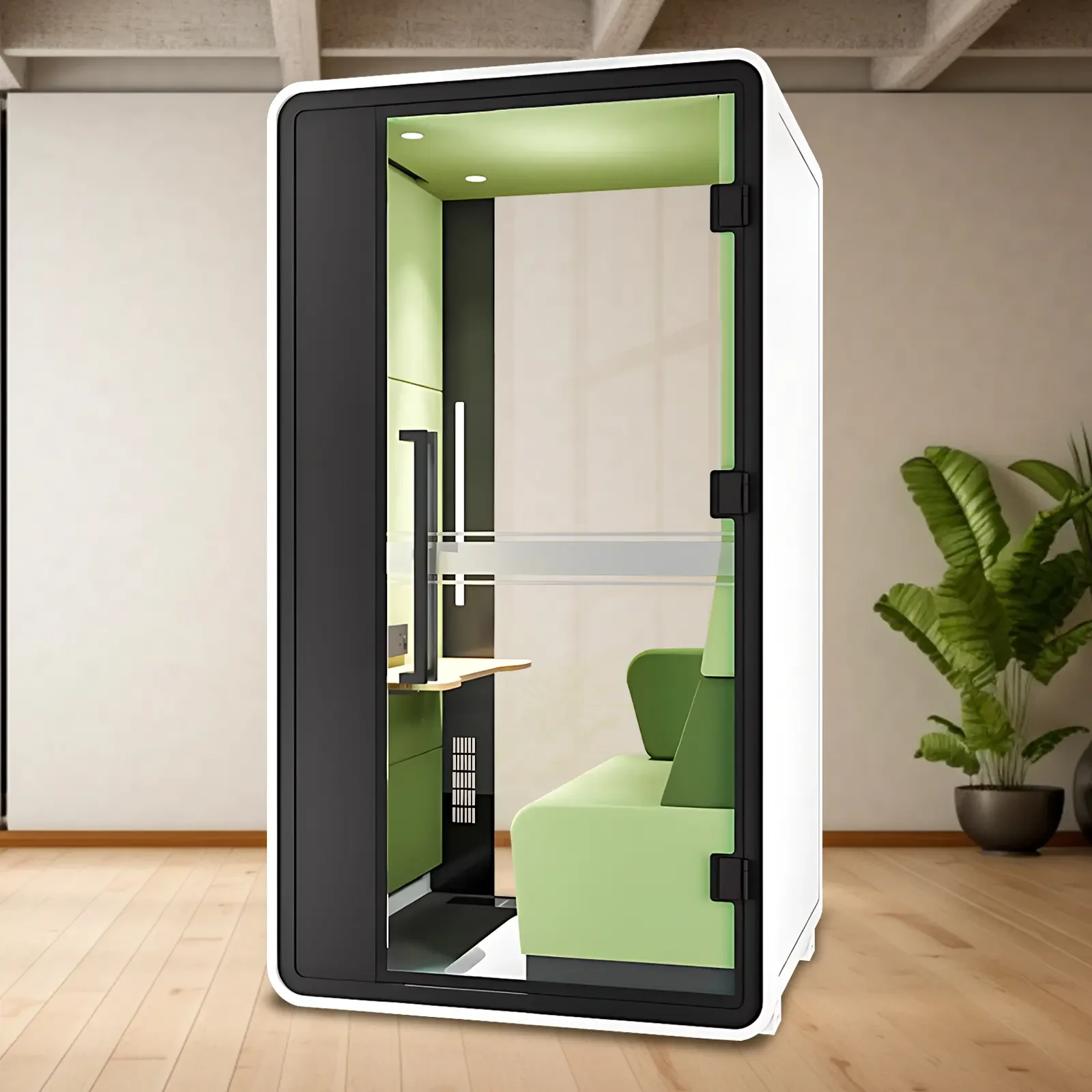

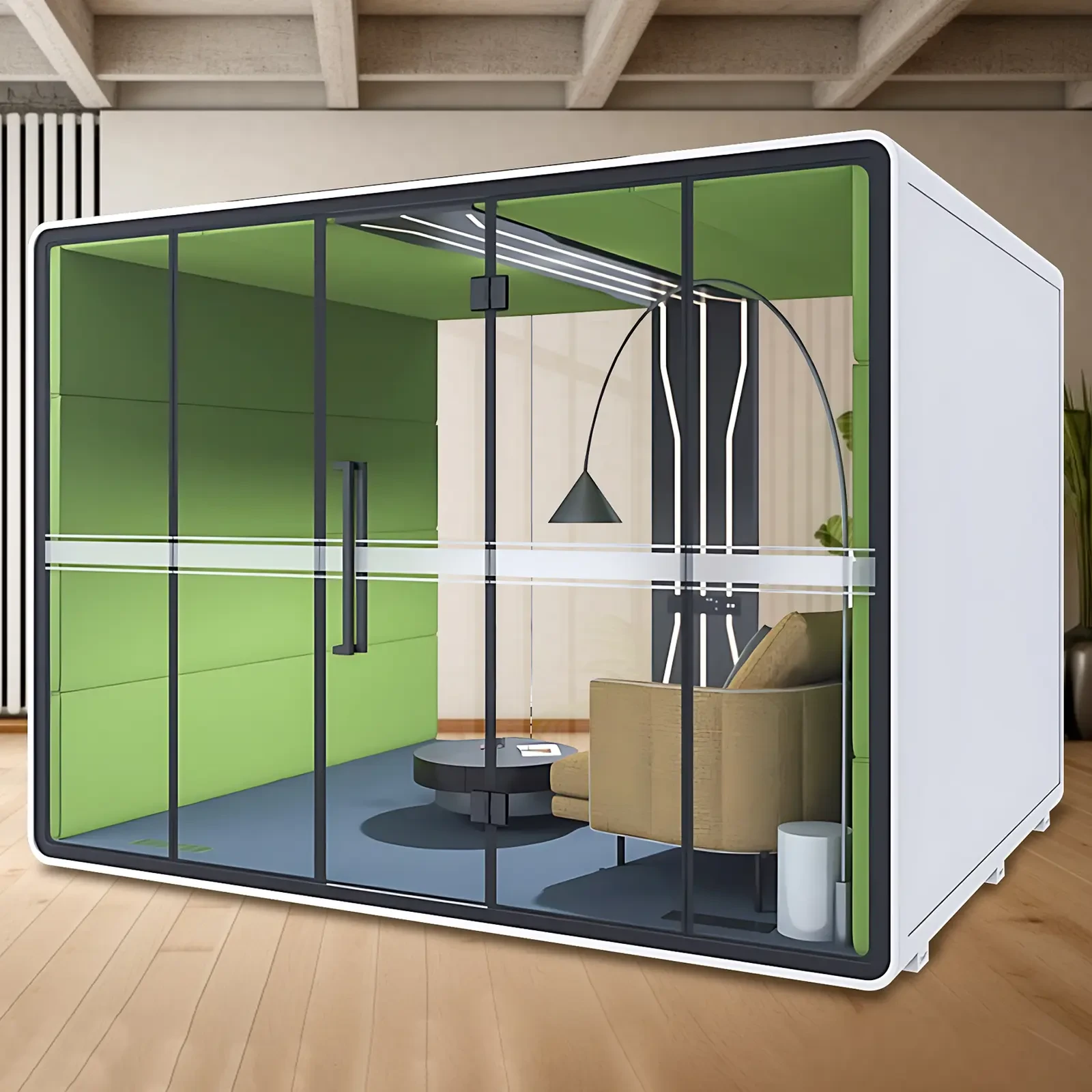
Perfectly solve your neighbor's noise problems! Have you got these soundproofing tips?
In today's fast-paced modern life, home should be a haven where we can relax and enjoy tranquility. However, unexpected noise from neighbors often shatters this peace and affects our quality of life. From late-night clamor to the chirping of birds at dawn, noise not only disrupts our sleep but can also cause mood swings and even damage neighborly relations. But don't worry, today, let me take you into the wonderful world of soundproofing and teach you the secrets to regaining a peaceful life.
I. Understanding Noise Sources
First, the key to solving noise problems lies in identifying the source of the noise. Is it the sound of children running and jumping upstairs? Or the sound of the television next door late at night? Or perhaps the loud traffic outside the window? Only by understanding the "true nature" of the noise can we take targeted measures. Different types of noise require different soundproofing strategies.
II. Wall sound insulation
1. Soundproof wall panels: A variety of professional soundproof wall panels are available on the market. They effectively block sound transmission through high-density materials and special structural designs. When decorating or renovating, consider installing soundproof wall panels on walls near noise sources to build a solid "sound barrier" for your home.
2. Upholstered Background Wall: Besides professional soundproofing wall panels, upholstered background walls are also a good choice. They not only beautify the space, but their soft material and multi-layered structure also effectively absorb noise, adding warmth and tranquility to the room.
III. Floor Sound Insulation
1. Floating floor: Floating floor is an excellent solution for noise from downstairs.
2. Carpet installation: Laying carpets over a large area, especially thick carpets with good sound absorption, can significantly reduce noise reflected from the floor, adding warmth to the room and creating a more comfortable living environment.
IV. Soundproofing of doors and windows
1. Soundproof windows: Choose double or triple-glazed windows for soundproofing, which can effectively block external noise. At the same time, pay attention to the airtightness of the window frame to ensure that there are no gaps that allow sound to "sneak in".
2. Soundproof Doors: Heavy-duty soundproof doors, with high-quality sound insulation materials and sealing strips in the door panel and edges, are key to noise reduction. When considering the design and decoration of a door, we should pay more attention to its sound insulation performance.
3. Window and door gap treatment: In addition to the airtightness of window and door frames, the gaps between windows and doors are also significant channels for noise intrusion. Adding sound-insulating sealing strips and applying sound-insulating foam materials can further enhance the sound insulation of doors and windows.
4. Interior partitions and wall reinforcement: Adding interior partitions such as screens and partitions can not only divide the space but also reduce sound transmission to some extent. At the same time, reinforcing the walls, such as by adding soundproofing materials or using double walls, can also effectively improve the room's sound insulation performance.
V. Other sound insulation measures
1. Ceiling sound insulation: Adding sound insulation materials, such as mineral wool boards, to the ceiling can effectively absorb and isolate noise generated upstairs.
2. Wall decoration: Choose wall decoration materials with sound-absorbing effects, such as sound-absorbing panels and soft padding, which can reduce sound reflection on the wall and further improve the sound insulation of the room.
3. Furniture placement: Properly arranging furniture, such as bookshelves and wardrobes, can create sound-reflecting and absorbing surfaces, thereby reducing noise transmission.
By implementing the above soundproofing measures, we can create a quiet and comfortable living environment for your family. Of course, the specific soundproofing plan needs to be customized based on the actual conditions and needs of the room. Hopefully, these suggestions will be helpful for your home soundproofing project.
You May Also Like
X-comfot, your gateway to an efficient life. We are committed to becoming your most trusted brand of soundproof pod.
E-mail: support@x-comfot.com